
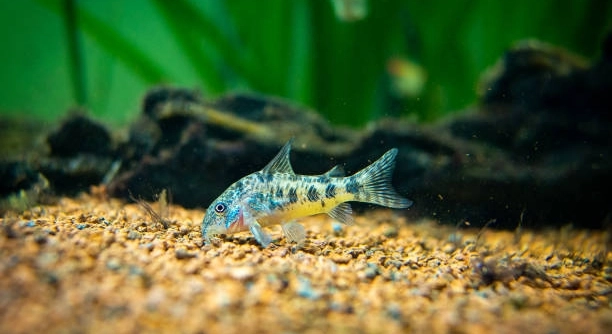
Corydoras catfish are known for their calm nature, making it surprising when they display signs of aggression. If you’ve noticed your fish acting unusually, it’s important to understand what could be causing this behavior.
Aggression in Corydoras catfish is often due to factors like territorial disputes, overcrowded tanks, poor water quality, or stress. Environmental triggers such as changes in tank conditions or tank mates can also lead to aggression.
Understanding the root causes of aggression will help you create a healthier environment for your Corydoras. By addressing these issues, you’ll improve their well-being and restore peace in your tank.
Overcrowded Tank Conditions
When your tank is too crowded, your Corydoras may feel stressed and territorial, leading to aggression. Fish need their own space to thrive, and overcrowding can create competition for resources like food and hiding spots. This can be especially stressful for Corydoras, who are generally peaceful but need enough room to swim freely.
The solution is simple: make sure your tank is the right size for the number of fish you have. If you notice aggression, check if your Corydoras have plenty of room to move around and avoid bumping into other fish. A tank that’s too full can cause fights over space and food.
If the issue persists, consider upgrading to a larger tank or removing some fish to reduce the pressure. This will help reduce stress levels in your Corydoras and create a more harmonious environment. Keeping the tank less crowded will allow your fish to enjoy their space and reduce aggressive behavior.
Poor Water Quality
Poor water quality can significantly impact your Corydoras’ behavior, leading to stress and aggression. Dirty water creates an environment full of toxins, which can irritate your fish and cause them to act out. This can result in fish becoming more territorial or agitated, especially if they are struggling to cope with poor conditions.
Regular water changes and proper filtration are essential for maintaining a healthy tank. If your Corydoras are showing signs of aggression, test the water for ammonia, nitrites, and nitrates, as high levels of these can trigger stress. Keeping the water clean will reduce irritability and improve your fish’s overall health.
Additionally, ensure the water temperature and pH are within the ideal range for Corydoras. Sudden changes in water parameters can stress fish out and lead to aggression. Consistent care of your tank’s water quality will prevent aggression and create a healthier environment for your fish.
Stress from Tank Mates
Not all fish get along, and tank mates can be a significant source of stress for Corydoras. Aggressive or overly active fish might pick on your Corydoras, causing them to act out in defense. Corydoras are generally peaceful, but they can only tolerate so much.
To keep peace in your tank, it’s crucial to choose compatible tank mates. Avoid aggressive species or fish that swim too fast, as they can overwhelm Corydoras. If you’ve noticed your Corydoras becoming more aggressive, try separating them from more dominant tank mates. A peaceful environment helps keep your fish calm and reduces stress.
Observe the interactions between your Corydoras and their companions. If aggression continues, consider rearranging tank decor to break any territorial patterns. Sometimes, simple changes in the environment, like adding more hiding spots, can ease tension and help your Corydoras feel more secure.
Sudden Environmental Changes
Corydoras are sensitive to changes in their environment. If you’ve recently moved your fish or made changes to the tank setup, they might act out due to the stress of adjusting. Even small shifts, like changing the water temperature or adding new decorations, can unsettle your fish.
To prevent this, always make changes slowly. Gradual adjustments give your fish time to adapt. If you’ve recently changed the environment, give your Corydoras time to settle. Changes that disrupt their familiar surroundings can trigger signs of aggression as they try to cope with the new conditions.
Monitoring your fish during this adjustment period is key. If aggression continues after a few days, you may need to look deeper into other possible causes. Keeping your tank stable and minimizing sudden changes helps maintain a calm atmosphere for your Corydoras.
Inadequate Diet
Corydoras that aren’t getting the right food might become stressed and more aggressive. If they’re hungry or lacking nutrients, they may act out. Providing a balanced diet that meets their needs will help keep aggression in check. Overfeeding can also cause stress, so keep portions appropriate.
Ensure you’re offering a variety of foods, such as pellets, frozen or live foods, and some plant matter. This mix provides the necessary vitamins and minerals. A well-fed Corydoras is less likely to act aggressively towards tank mates or become stressed out. Healthy fish are calmer and more content.
Illness or Injury
Illness or injury can make your Corydoras act aggressively. When fish feel unwell, they may become more territorial or defensive. Watch for signs of illness, like unusual swimming patterns or visible injuries. These physical changes can cause stress and lead to aggression as a reaction.
Check your fish regularly for any signs of illness or injury, such as lesions, bumps, or abnormal behavior. If you spot any issues, quarantine the affected fish to prevent the spread of disease. Proper treatment and a clean, stress-free environment will help reduce aggression caused by illness.
FAQ
What are the main reasons Corydoras catfish become aggressive?
Corydoras are usually peaceful, but they can show aggression for several reasons. Overcrowded tanks, poor water quality, stress from tank mates, and sudden environmental changes are common triggers. Aggression may also be linked to an inadequate diet or health issues. It’s important to identify the root cause to fix the problem effectively.
How can I tell if my Corydoras are stressed?
Signs of stress in Corydoras include erratic swimming, hiding more than usual, and a lack of appetite. If your Corydoras are darting around the tank or staying at the surface, they may be stressed. Aggressive behavior like chasing or nipping at tank mates is also a sign. Stress can be caused by poor water quality, overcrowding, or a lack of hiding spots.
Can I add new fish without causing aggression in Corydoras?
Adding new fish to your tank can lead to aggression if the tank is already overcrowded or if the new fish are incompatible with your Corydoras. It’s best to introduce new tank mates slowly, giving your Corydoras time to adjust. Make sure your tank is large enough for the new additions and that all fish species are peaceful.
How do I reduce aggression in my Corydoras tank?
Reducing aggression requires identifying the cause. Start by ensuring your tank isn’t overcrowded and that water quality is optimal. Add more hiding spots for the fish to reduce territorial behavior. Be mindful of your fish’s diet and choose tank mates carefully. If aggression continues, consider rearranging the tank’s layout to disrupt territorial claims.
Is it normal for Corydoras to chase each other?
Some chasing behavior is natural, especially if you have multiple Corydoras in the tank. They may chase each other in search of food, or when establishing a pecking order. However, if the chasing leads to harm, or if it’s constant, it could indicate stress or overcrowding. Monitor your fish and adjust the environment as needed.
Should I separate aggressive Corydoras from the rest?
If aggression becomes severe and your Corydoras are hurting others, it might be a good idea to separate them temporarily. Moving them to a quarantine tank or another part of the main tank can help reduce aggression while you address the cause. Afterward, you can gradually reintroduce them to the tank.
What are some good tank mates for Corydoras catfish?
Corydoras are peaceful bottom dwellers, so tank mates should ideally be calm and non-aggressive. Consider peaceful species like tetras, guppies, or mollies. Avoid large or territorial fish that might bully Corydoras, such as bettas or cichlids. Be sure to select fish with similar temperature and water quality requirements.
How often should I clean the tank to prevent aggression?
Regular cleaning is crucial to maintaining good water quality and reducing stress. Perform partial water changes weekly, and make sure the filter is working well. Clean the substrate to remove any uneaten food or debris that could affect the water. Proper tank maintenance will help prevent stress-related aggression in your Corydoras.
Can Corydoras show aggression if they are not getting enough food?
Yes, Corydoras can become aggressive if they’re not being fed enough or if they’re competing for food. Make sure you’re providing them with a varied diet, including sinking pellets, live food, and occasional plant matter. Overfeeding can also cause issues, so offer just the right amount of food to avoid competition.
What is the best water temperature for Corydoras?
Corydoras prefer a water temperature between 72°F and 78°F (22°C – 25°C). Keeping the temperature consistent within this range helps prevent stress and promotes healthy behavior. Sudden changes in temperature can make Corydoras feel threatened, leading to aggression. Ensure your tank has a reliable heater to maintain a stable environment.
Can Corydoras fight with each other?
While Corydoras are peaceful, they may sometimes display aggressive behaviors toward each other, particularly if they feel crowded or stressed. They may compete for space, food, or territory. If this happens, consider increasing tank size, adding more hiding spots, and making sure they are well-fed to reduce competition.
How can I tell if my Corydoras are sick?
Sick Corydoras may exhibit unusual behaviors like swimming erratically, rubbing against objects, or staying at the tank surface. Look for physical signs like spots, lesions, or abnormal fin movement. If you suspect illness, isolate the affected fish and consider treating them with appropriate medications. A stressed or sick fish can become aggressive toward others.
Why do Corydoras dig in the substrate?
Corydoras are natural diggers. They sift through the substrate with their barbels in search of food. This behavior is normal and not a sign of aggression. However, excessive digging or disruption of tank decor could be linked to stress or boredom. Adding more plants or decorations can help keep them occupied and happy.
Can water changes help reduce aggression in Corydoras?
Yes, regular water changes help maintain water quality, which in turn can reduce stress and aggression. Poor water conditions, such as high ammonia or nitrate levels, can make Corydoras irritable and more likely to act out. Aim for weekly partial water changes to keep the tank clean and the fish comfortable.
Are Corydoras sensitive to changes in water conditions?
Yes, Corydoras are quite sensitive to changes in water conditions. Fluctuations in temperature, pH, or water hardness can cause stress and lead to aggression. To prevent this, try to keep water parameters stable and make any changes gradually. Use a reliable water test kit to monitor your tank’s conditions regularly.
Final Thoughts
Corydoras catfish are generally peaceful and easygoing, but they can show signs of aggression under certain conditions. Understanding what causes this behavior is key to ensuring they remain healthy and calm. The most common reasons for aggression include overcrowded tanks, poor water quality, and stress from tank mates. Addressing these factors can help reduce unwanted behavior and create a more peaceful environment for your fish.
Taking the time to provide your Corydoras with the right environment can make a significant difference. Ensuring that the tank is not overcrowded, the water quality is optimal, and there is enough space for everyone to swim comfortably is essential. You should also pay attention to their diet, as malnutrition or hunger can lead to increased stress and aggression. If you notice that your fish are acting aggressively, try adjusting these factors first, and you should see an improvement in their behavior. If aggression continues, consider separating the fish or consulting a specialist for more tailored advice.
By keeping the tank clean, adding compatible tank mates, and providing a balanced diet, you can prevent many of the problems that cause Corydoras to become aggressive. Maintaining a calm and stress-free environment will allow these catfish to thrive, and you’ll enjoy watching them swim peacefully once again. Whether you’re new to fishkeeping or a seasoned aquarist, understanding your Corydoras’ needs and behavior is key to ensuring they remain healthy and happy in their home.

Hello,
If you enjoy the content that we create, please consider saying a "Thank You!" by leaving a tip.
Every little bit helps us continue crafting quality advice that supports the health, happiness, and well-being of pets around the world, for pets of all shapes, sizes, and species.
We really appreciate the kindness and support that you show us!