
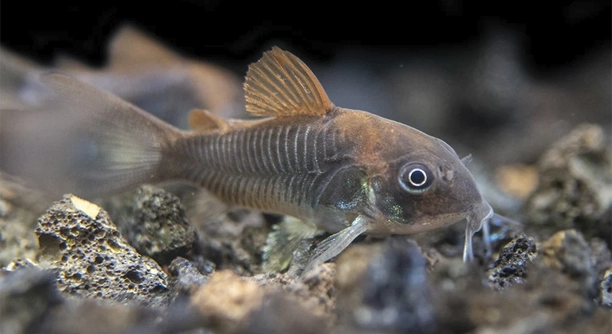
Corydoras catfish are known for their peaceful nature, but they can become stressed when tank mates aren’t a good fit. This stress can affect their health and behavior, making it important to know how to recognize the signs.
Corydoras catfish may show signs of stress due to tank mates, such as hiding more often, swimming erratically, or losing their appetite. Incompatible fish, aggressive tankmates, or overcrowded environments are common causes of this stress.
Understanding the symptoms of stress in Corydoras can help you provide a better environment for your fish. Identifying these signs early can make a big difference in their well-being and ensure they thrive in their tank.
Common Causes of Stress in Corydoras Catfish
Stress in Corydoras catfish often arises from their environment or the behavior of other fish. If your tank mates are too aggressive or fast-moving, your Corydoras might not feel safe. They are bottom-dwelling fish that prefer a calm, stable environment. Tank mates that constantly chase or nip at them can trigger anxiety, causing your catfish to hide more often. Overcrowding can also make your Corydoras feel threatened, as there is less space to move freely. Water quality plays a key role, too; if it’s poor, even peaceful tank mates can stress your catfish. Make sure to check both the tank’s atmosphere and its inhabitants to identify potential stressors.
It’s important to keep your Corydoras in a tank with fish that share similar temperaments. Peaceful fish like tetras, small livebearers, and other bottom dwellers are usually a good match. Avoid adding overly aggressive species or fast swimmers that might intimidate them.
To reduce stress, consider tank size and water conditions. Corydoras catfish thrive in larger tanks with stable water parameters, such as a temperature between 72-78°F, soft water, and a pH of 6.5-7.5. Regular water changes are crucial for maintaining a healthy environment. Ensuring there’s plenty of hiding spots, like plants and caves, will also help your Corydoras feel more secure. You can even consider adding some tank mates that won’t compete for space or food, which will promote a more peaceful atmosphere.
How to Identify Stress Symptoms in Your Corydoras
Recognizing stress in Corydoras catfish requires paying close attention to their behavior. A stressed fish may start to swim erratically or hide in unusual places. It could also show signs of lethargy, avoiding food or other fish. If they start acting unusually, it’s a good sign that something isn’t right.
Some common signs of stress include a noticeable change in their activity levels, such as swimming in circles, staying at the top or bottom of the tank, or darting around quickly. Corydoras may also become less active during feeding time, refusing food that they would normally eat. If these behaviors persist, it’s time to assess the situation. Stress might also manifest in physical changes like a loss of coloration or signs of illness. However, it’s important to differentiate stress from sickness, as some symptoms can overlap.
Another clear sign of stress in Corydoras is if they begin rubbing against objects in the tank. This behavior, known as “flashing,” occurs when fish feel discomfort from things like poor water quality or parasites. Make sure to monitor for other signs such as rapid gill movements, which indicate they may be struggling to breathe. Keep an eye on the water temperature, filtration, and oxygen levels to rule out water quality issues. By watching for these signs, you can catch stress early and address the problem before it becomes more serious.
How Tank Mates Impact Corydoras Catfish Stress
The tank mates you choose for your Corydoras catfish can significantly affect their stress levels. If the other fish are too aggressive or too active, your Corydoras will likely feel overwhelmed. They are peaceful fish and prefer a calm environment where they can move freely without constant interruptions from more dominant species.
Aggressive fish, such as large cichlids or certain species of barbs, may nip at your Corydoras or compete for space. Fast-moving fish, like certain tetras or livebearers, can also create tension by constantly swimming around. In contrast, slow-moving fish or other bottom dwellers will create a more peaceful setting for your Corydoras. It’s important to keep a balance, ensuring there’s enough space and food for everyone. Compatibility in tank mates will help reduce stress for your Corydoras, keeping them calm and healthy.
While choosing tank mates, always consider the size and temperament of other fish. Ideally, they should be peaceful and avoid overcrowding the tank. Larger fish that dominate the space or food can make your Corydoras feel unsafe. Always look for fish that will co-exist with your Corydoras without overwhelming them. This approach will help create a more harmonious environment for your catfish to thrive in.
Tank Size and Its Role in Stress Levels
Tank size plays a huge role in reducing stress for your Corydoras catfish. A cramped environment doesn’t give them enough room to move freely, causing them to feel trapped. The ideal tank size for Corydoras depends on the number of fish you have. Generally, a tank of at least 20 gallons is a good starting point for a small group of Corydoras.
In addition to providing enough space, a larger tank helps maintain water quality by diluting waste and allowing for better filtration. Overcrowding can result in poor water conditions, which can lead to higher stress levels in your Corydoras. Having more space also lets you create different zones in the tank with plants, rocks, and caves, allowing your Corydoras to hide or rest when they need a break. In the long run, a bigger tank is not just beneficial for stress management, but it also contributes to the overall health and well-being of your catfish.
A larger tank also allows you to add more peaceful fish, which can help balance the ecosystem. You should avoid the temptation to overcrowd. Overcrowding leads to poor oxygen levels, higher waste levels, and decreased water quality, all of which can stress your Corydoras. Make sure you check your tank’s filtration system regularly to ensure it can handle the volume of water and the fish inside it. With the right tank size and maintenance, your Corydoras will be happier and less stressed.
Recognizing Aggression in Tank Mates
Aggressive tank mates can severely stress your Corydoras catfish. Signs of aggression, such as chasing, fin-nipping, or territorial behavior, can make your fish feel unsafe. If these behaviors occur, your Corydoras will likely retreat to corners or stay hidden for protection.
If you notice fish constantly harassing your Corydoras, it’s important to separate them. Aggressive tank mates can cause physical harm and mental stress, affecting your catfish’s health. These behaviors should not be ignored, as prolonged exposure can lead to illness or even death. Be vigilant and act quickly to prevent damage.
Switching to more peaceful species, or creating separate territories within the tank, can help reduce aggression. Try to place fish that are compatible with Corydoras, ensuring each species has enough space to thrive.
Water Quality and Stress in Corydoras
Water quality is one of the most crucial factors in reducing stress for Corydoras. Poor water conditions can lead to a range of health problems, including stress, poor appetite, and even illness. Keeping the tank clean and ensuring proper filtration is essential.
Corydoras are sensitive to changes in water quality, especially ammonia, nitrite, and nitrate levels. To maintain a healthy environment, perform regular water changes, test the water frequently, and make sure your filtration system is functioning properly. Pay attention to the pH and temperature, as fluctuations can cause stress. Keeping the water stable and clean will help your Corydoras feel more secure and relaxed in their environment.
Overcrowding and Stress
Overcrowding your tank can lead to elevated stress levels in Corydoras catfish. When there are too many fish, it limits space, makes feeding more competitive, and increases waste production. This often results in poorer water quality, which adds to the stress.
It’s important to maintain a balanced tank with a proper fish-to-water ratio. A good rule of thumb is to ensure there is enough space for each fish to swim freely without feeling cramped.
FAQ
What are the signs that my Corydoras catfish is stressed?
Some common signs of stress in Corydoras catfish include hiding for long periods, swimming erratically, or darting around the tank. They may also refuse food, become lethargic, or exhibit abnormal breathing patterns. If you notice a loss of coloration or any visible damage, this could also be a sign of stress or illness. Keep an eye on their behavior, and if it continues, it’s important to investigate the cause.
Can Corydoras live with aggressive fish?
Corydoras catfish generally do not do well with aggressive tank mates. Species like large cichlids, aggressive barbs, or fast-moving fish can cause your Corydoras stress. These fish can chase, nip, or dominate the tank, making the catfish feel unsafe. It’s best to keep Corydoras with peaceful and calm fish, such as tetras, small livebearers, and other bottom dwellers.
How can I reduce stress in my Corydoras catfish?
To reduce stress in your Corydoras catfish, ensure they are in a peaceful tank with compatible tank mates. Provide plenty of hiding spots, such as plants or caves, where they can retreat when feeling threatened. Maintaining clean water with proper filtration and regular water changes will also help keep them comfortable. A stable environment with a proper tank size and temperature range (72-78°F) is key to reducing stress.
How much space does a Corydoras catfish need?
Corydoras catfish need enough space to swim and hide. A tank of at least 20 gallons is ideal for a small group of Corydoras. Overcrowding can lead to higher stress levels, as there will be less room to move around and fewer hiding places. Larger tanks allow for better water quality and more space for fish to co-exist peacefully.
Do Corydoras catfish get stressed by water conditions?
Yes, Corydoras catfish are highly sensitive to changes in water quality. Ammonia, nitrite, and nitrate levels should be kept low, as poor water conditions can increase stress. Regular water changes and a properly functioning filtration system are necessary to maintain a stable environment. Keep the pH level between 6.5 and 7.5 and the water temperature between 72-78°F for optimal health.
Can Corydoras live with other bottom-dwelling fish?
Corydoras are usually peaceful and can live with other bottom-dwelling species as long as they are not aggressive. Species like loaches, other Corydoras, and peaceful catfish can share the bottom of the tank without too much trouble. Be mindful of overcrowding, as too many bottom dwellers can cause competition for space and food, leading to stress.
Do Corydoras catfish need special care when it comes to tank mates?
Yes, Corydoras do require careful consideration when it comes to tank mates. Because they are bottom-dwelling and peaceful, they need tank mates that won’t stress or dominate them. Small, non-aggressive fish such as neon tetras, guppies, or peaceful livebearers are good options. Avoid adding large or aggressive species that might intimidate or harm them.
What should I do if my Corydoras catfish is hiding a lot?
If your Corydoras is hiding more than usual, it might be stressed or unwell. Check if the tank is overcrowded, if there are any aggressive tank mates, or if the water quality is poor. Ensure the environment is calm and peaceful, and provide places to hide such as plants, rocks, or caves. If the hiding continues, check for any physical signs of illness or stress.
How often should I feed my Corydoras catfish?
Corydoras are not very demanding when it comes to feeding. You should feed them 2-3 times a day, but only provide what they can consume in 2-3 minutes. Overfeeding can lead to poor water quality, which can cause stress. Make sure to provide a balanced diet that includes sinking pellets, frozen or live foods like bloodworms, and occasional vegetable matter like blanched zucchini.
Can Corydoras catfish tolerate high light levels?
Corydoras catfish are more comfortable in tanks with low to moderate light. Bright lighting can stress them out, especially if they are trying to hide or rest. You can reduce light intensity by using plants to shade parts of the tank or choosing dimmer light settings. A more natural lighting setup will help your Corydoras feel more secure.
Why is my Corydoras catfish swimming at the top of the tank?
If your Corydoras catfish is swimming at the top of the tank, it could be a sign of poor water quality or a lack of oxygen. Corydoras typically prefer to stay at the bottom but will move to the surface if they are struggling to breathe. Check for any issues with the water parameters, including oxygen levels, temperature, and filtration. If necessary, consider adding an air pump to improve oxygen flow.
What tank size is best for multiple Corydoras catfish?
If you want to keep several Corydoras, a tank of at least 30 gallons is recommended for a small group of 5-6 catfish. Corydoras are social fish and do better in groups, but they still need space to avoid overcrowding. A larger tank also helps maintain better water quality and creates a less stressful environment for all the fish.
Are there any plants that can help reduce stress in Corydoras?
Yes, plants are beneficial for reducing stress in Corydoras. They provide hiding spots and create a more natural environment. Plants like Java moss, Amazon swords, and Anubias are great choices because they offer shelter while also enhancing water quality. Having plants helps your Corydoras feel more secure and reduces stress caused by a bare or open tank.
How do I know if my Corydoras is sick or just stressed?
It can be tricky to differentiate between sickness and stress, as the symptoms overlap. If your Corydoras is hiding more than usual, not eating, or swimming erratically, it could be stressed. However, if there are visible signs like swollen areas, lesions, or abnormal markings, it might be sick. In any case, addressing the stress factors first is a good start. If symptoms persist, a visit to an aquarium professional may be necessary to rule out illness.
Final Thoughts
Corydoras catfish are peaceful creatures that thrive in calm, stable environments. Their stress levels can be significantly affected by the tank mates they share their space with, water quality, and even the size of the tank itself. It’s essential to ensure that the other fish in the tank are compatible with the peaceful nature of Corydoras. Avoiding aggressive or fast-moving species and opting for slow swimmers and peaceful tank mates will go a long way in reducing stress for your catfish. Maintaining a peaceful environment helps your Corydoras feel safe, leading to healthier and more active fish.
In addition to choosing the right tank mates, water quality is another key factor in keeping your Corydoras happy. Poor water conditions can cause stress and lead to various health issues. Regular water changes, proper filtration, and monitoring the pH, temperature, and other water parameters are all important steps in providing a healthy environment. Clean, stable water conditions will help ensure your Corydoras catfish remain stress-free and live a long, healthy life. It’s also essential to maintain the right temperature range (72-78°F) and avoid any drastic fluctuations that could cause further distress.
Finally, tank size and space are crucial for reducing stress in Corydoras. Overcrowding can make these bottom-dwelling fish feel trapped and stressed, leading to abnormal behavior. Providing enough space in the tank for each fish to swim freely and adding hiding spots can create a more relaxed environment. With the right balance of water quality, compatible tank mates, and ample space, your Corydoras will thrive. By keeping a close eye on their behavior and making necessary adjustments, you can ensure your fish are happy and stress-free in their aquatic home.

Hello,
If you enjoy the content that we create, please consider saying a "Thank You!" by leaving a tip.
Every little bit helps us continue crafting quality advice that supports the health, happiness, and well-being of pets around the world, for pets of all shapes, sizes, and species.
We really appreciate the kindness and support that you show us!