
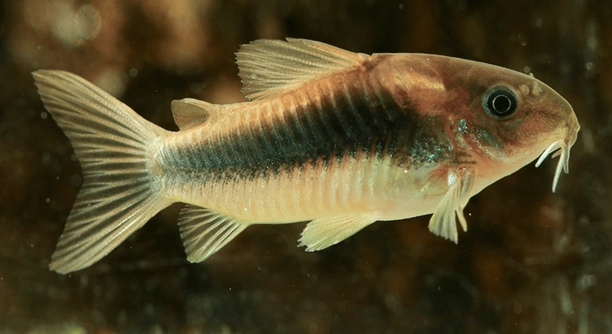
Corydoras catfish are often picky eaters, and it can be confusing when they avoid a certain type of food. Understanding the reasons behind this behavior can help you provide the best diet for your fish.
Corydoras catfish may avoid certain foods due to factors like water quality, food texture, or the type of food being offered. They can be sensitive to changes in their environment, and their preferences may vary based on species and individual habits.
The key to maintaining a healthy diet for your Corydoras catfish is understanding the specific needs and behaviors that affect their feeding. This guide will help you get to the bottom of their eating habits.
Water Quality and Its Impact on Eating Habits
Water quality plays a significant role in the feeding behavior of Corydoras catfish. Poor water conditions can make your fish feel stressed or uncomfortable, which may lead them to avoid eating. Ammonia, nitrites, and nitrates should always be monitored, as they can affect their health and appetite. Regular water changes and a good filtration system are essential in providing a stable environment for these fish.
Even small changes in water temperature or pH can impact how your Corydoras catfish feel about their food. If the water isn’t to their liking, they may refuse to eat, even if the food is nutritious. Maintaining stable water parameters can help prevent this behavior.
A consistent water environment not only supports the health of your Corydoras but also encourages them to eat more reliably. Make sure to regularly check your tank’s water quality and adjust when needed. This simple step can significantly improve their feeding habits.
Food Texture and Form
Sometimes, the texture or form of the food may not appeal to Corydoras catfish. These fish typically prefer softer foods, as they use their barbels to search for food on the substrate.
If the food you offer is too hard or too large, your catfish might avoid it. It’s essential to ensure the food is small enough for them to manage easily. Wet or sinking pellets are often better suited for Corydoras, as they naturally feed from the bottom. If you notice your fish aren’t eating, switching to a different food form might help.
Food Type and Preferences
Corydoras catfish can be picky about the type of food they eat. Some may prefer high-protein options, like frozen or live food, while others thrive on a more plant-based diet. Knowing what works best for your specific fish is key.
If your Corydoras aren’t eating dry pellets or flakes, consider offering a variety of foods. Try live or frozen foods such as brine shrimp or bloodworms, or even blanched vegetables like zucchini. Some catfish are more attracted to the movement of live foods, while others may simply find the texture more appealing. A varied diet can help keep them interested and satisfied.
Switching up the food choices can also help determine if a particular type of food is being rejected. With Corydoras, it’s all about experimenting to find out what they’ll respond to. Providing different types of food regularly ensures they get the nutrients they need while also keeping feeding time engaging.
Overfeeding and Its Effects
Overfeeding is a common issue with Corydoras catfish. Offering too much food can not only pollute the water but also reduce their appetite. If food is left uneaten, it can cause stress, leading to feeding problems.
It’s easy to fall into the habit of overfeeding, thinking it will help your catfish grow or stay healthy. However, this can backfire. Uneaten food breaks down in the water, leading to poor water quality, which we’ve already discussed as a possible problem. When the water becomes contaminated, your Corydoras may feel stressed and less likely to eat. The best approach is to feed small amounts they can consume within a few minutes.
Feeding smaller portions more frequently is a better strategy. Observe how much your fish actually eat and adjust the amount accordingly. You’ll reduce waste, keep the water cleaner, and, most importantly, encourage a healthier feeding routine for your Corydoras.
Tank Mates and Feeding Behavior
Tank mates can influence how Corydoras catfish approach food. If you have aggressive or competitive fish, your Corydoras may avoid eating to avoid confrontation. They may feel stressed or outcompeted for food.
In a community tank, the presence of more dominant species could intimidate the Corydoras, causing them to retreat from the feeding area. This behavior is especially noticeable when larger fish or more assertive species outcompete the catfish for food. To avoid this, ensure your Corydoras have access to food without interference, and consider using feeding stations to reduce competition.
Even the most peaceful Corydoras may be shy in a crowded tank. Providing a calm, secure feeding environment helps your catfish feel safe and encourages them to eat.
Illness or Stress
Illness or stress can quickly affect a Corydoras’ appetite. If your fish are unwell, they might stop eating altogether. Signs of illness include unusual swimming patterns, lethargy, or skin discoloration.
Stress from water quality issues, aggression from tank mates, or other environmental factors can also suppress their appetite. Regular monitoring of your Corydoras’ behavior and appearance is essential. If any signs of illness or stress appear, it’s best to address them immediately. Treating any underlying issues can help restore normal feeding behavior.
Feeding Time and Routine
Establishing a regular feeding routine can encourage your Corydoras to eat more consistently. Fish are creatures of habit, and they respond well to a set feeding schedule.
Try to feed them at the same time each day and avoid sudden changes in feeding routines. Consistent feeding can create a more relaxed environment, where your Corydoras know when to expect food. This reduces stress and helps them feel more comfortable approaching the food.
FAQ
Why are my Corydoras not eating their food?
There could be a few reasons why your Corydoras catfish are not eating. Water quality is often the main factor. If ammonia or nitrite levels are high, your fish might avoid eating because they’re stressed. Another possibility is that the food you’re offering isn’t to their liking, whether it’s the type, texture, or size. Overfeeding is another issue. Excess food left uneaten can pollute the water, making it unappealing for your fish. Lastly, tank mates may be affecting their feeding behavior if they’re overly aggressive or dominant, creating stress for your Corydoras.
What should I feed my Corydoras catfish?
Corydoras are bottom feeders and enjoy a variety of foods. A mix of sinking pellets, frozen or live foods like brine shrimp and bloodworms, and blanched vegetables such as zucchini or spinach is ideal. It’s essential to offer a balanced diet to ensure they get the necessary nutrients. Since Corydoras prefer softer foods, make sure the food is small enough for them to eat. Avoid flakes or dry pellets that float on the surface since they don’t mimic the natural feeding behavior of Corydoras.
How do I know if my Corydoras is stressed or sick?
Corydoras can show signs of stress or illness in several ways. Stressed fish often display unusual behavior like hiding, lethargy, or swimming erratically. Their fins may be clamped against their body, and their color may appear dull. If your fish is sick, you may notice physical changes like lesions, abnormal swelling, or a loss of appetite. It’s important to monitor your fish’s health regularly and ensure the water quality is ideal, as poor water conditions often lead to both stress and illness.
Can Corydoras eat live food?
Yes, Corydoras catfish can eat live food and often prefer it. Offering live foods such as brine shrimp, bloodworms, or daphnia can stimulate their feeding behavior and provide them with higher protein content. However, live food should be given in moderation and should always be sourced from a reputable supplier to avoid introducing diseases into your tank.
How often should I feed my Corydoras catfish?
Corydoras catfish should be fed once or twice a day. It’s important not to overfeed them, as they have small stomachs and can only eat what they can consume in a few minutes. Offering small amounts of food regularly ensures that they get enough nutrition without polluting the water with leftover food. Adjust the portion size based on the number of fish in your tank and the food type.
Why is my Corydoras catfish swimming at the surface?
Corydoras are bottom dwellers, so if you notice them swimming at the surface, it could be a sign of a problem. This behavior can be linked to poor water quality, especially if oxygen levels are low. Make sure your aquarium is properly aerated and that your filtration system is functioning correctly. It could also be a sign of stress or illness, so keep an eye on other signs of distress. If the behavior continues, check the water parameters and make any necessary adjustments.
How can I reduce competition during feeding time?
To reduce competition during feeding, try using feeding stations or scatter the food around the tank. Placing food in different areas allows each fish to find its share without feeling crowded. You can also try feeding at times when the more dominant fish are less active, giving your Corydoras a better chance to eat. If necessary, separate more aggressive tank mates during feeding to give the Corydoras an uninterrupted chance to eat.
Are Corydoras catfish social?
Yes, Corydoras catfish are social creatures and thrive in groups. They feel more comfortable and secure when kept in schools of at least 3 to 6 fish. A school helps reduce stress and encourages natural behaviors, including feeding. Corydoras will often school together while foraging for food, making them more likely to eat if they’re surrounded by others. Keeping them in a group also allows them to exhibit social behaviors, improving their overall well-being.
How do I know if I’m overfeeding my Corydoras catfish?
If you’re overfeeding your Corydoras catfish, you’ll likely notice leftover food floating around the tank after feeding. Uneaten food can lead to poor water quality, which in turn can affect your fish’s health and appetite. A good rule of thumb is to feed only as much as they can consume in about 2-3 minutes. If there’s any food left over after that time, it’s a sign you may be giving them too much. Pay attention to how quickly they finish their meals and adjust accordingly.
Can Corydoras eat vegetables?
Yes, Corydoras can eat vegetables, and they enjoy them. Blanched vegetables like zucchini, spinach, peas, and cucumber are great options for them. These vegetables provide fiber and help keep their digestive system healthy. Just make sure to remove any leftover vegetables from the tank after a few hours to prevent water contamination. Vegetables should be given in moderation, along with other foods like pellets or frozen options, to maintain a balanced diet.
Final Thoughts
Corydoras catfish are fascinating and rewarding aquarium fish, but they do have specific needs when it comes to food and feeding behavior. Understanding why they might avoid certain types of food can help you create a better environment for them. Whether it’s water quality, the type of food offered, or even tank mates, small changes can make a big difference in your Corydoras’ overall health and feeding habits. It’s essential to keep an eye on their water conditions, as stress from poor water quality is one of the most common reasons for changes in their eating behavior.
In addition to keeping the water clean, providing a variety of food options is crucial. Corydoras are bottom feeders, so foods like sinking pellets, live foods, and blanched vegetables work well. It’s important to offer foods that mimic their natural diet and meet their nutritional needs. However, balance is key. Overfeeding can lead to water pollution, which may make your Corydoras reluctant to eat. Adjusting the amount of food you give them, based on how much they consume, ensures a cleaner tank and a happier fish. Keep in mind that some Corydoras may have preferences for certain types of food, so it’s worth experimenting to find what they enjoy most.
Lastly, Corydoras are social fish that thrive in a group. Keeping them in a school reduces stress and makes feeding time more comfortable for them. If you’re having trouble getting them to eat, consider their social environment and see if adding more tank mates might help. Remember, it’s also important to be patient. Like all fish, Corydoras will sometimes need time to adjust to new foods, new environments, or even changes in their routine. With the right care and attention, your Corydoras catfish will not only eat well but also live a long and healthy life.

Hello,
If you enjoy the content that we create, please consider saying a "Thank You!" by leaving a tip.
Every little bit helps us continue crafting quality advice that supports the health, happiness, and well-being of pets around the world, for pets of all shapes, sizes, and species.
We really appreciate the kindness and support that you show us!