
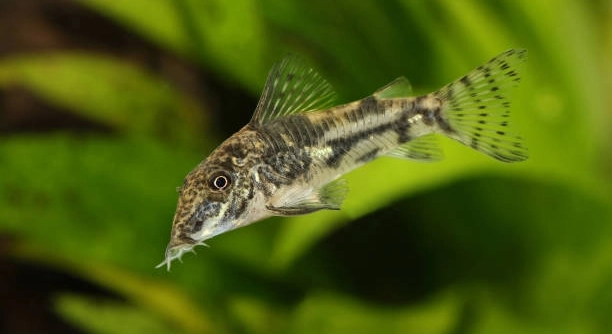
Corydoras catfish are known for their peaceful nature and love for hiding, but how can you encourage them to explore more of their tank? Understanding their behavior and needs can help you create a more engaging environment for them.
The most effective way to encourage your Corydoras catfish to explore more of the tank is by providing a varied and enriched environment. Adding hiding spots, plants, and substrate variations will stimulate their curiosity and make them feel secure enough to venture out more frequently.
A few simple changes can significantly improve their exploration habits. Understanding the environment will help you create a more enriching space for your catfish.
Create Hiding Spots to Make Them Feel Safe
Corydoras catfish are naturally shy creatures, and they like to feel secure. If your catfish don’t have enough hiding spots in the tank, they might not explore as much. Providing plenty of caves, rocks, or plants for them to hide in will help them feel more comfortable. When they feel safe, they’re more likely to venture out and explore their surroundings. Try using materials that mimic their natural environment, like smooth rocks or driftwood. This gives them a chance to rest and hide when they need it while still being able to move around freely.
Adding hiding spots should never overcrowd the tank. Instead, focus on providing a few strategically placed areas that create a safe environment without making the tank feel too cramped. A few plants, a cave, or even a simple piece of driftwood can make a big difference.
When Corydoras feel safe, they are more confident. The addition of hiding spots makes them feel protected but still able to explore when they wish. This encourages more activity and helps your fish become more comfortable in their tank.
Consider Substrate Choices for Increased Exploration
The type of substrate in your tank can influence how much your Corydoras explore. A soft, fine substrate is essential for them, as it allows them to dig and sift through the sand like they would in the wild. This behavior encourages natural exploration.
A fine, sandy substrate will make your Corydoras feel more at home. They enjoy digging and foraging through the substrate to search for food. If the substrate is too rough, they may avoid exploring, as it can hurt their delicate barbels. Avoid using sharp gravel or any rough materials that could cause injury.
To give them a more natural feel, you can even add a thin layer of leaf litter or algae wafers on top. This will mimic their natural environment and encourage them to search around for food. With the right substrate, your Corydoras will feel more inclined to explore and interact with their environment.
Add Plants to Encourage Movement
Adding live plants to your tank will give your Corydoras more places to explore. They love to swim around plants, hide among them, and even nibble on their leaves. Plants provide cover and mimic their natural habitat, giving them a sense of security. The more plants you add, the more space they have to explore, which will encourage natural behaviors.
Choose a mix of fast-growing plants, such as Java fern, Anubias, or Amazon sword. These plants offer cover and give the catfish a place to forage. Adding plants to your tank doesn’t just look good; it also helps provide your Corydoras with a more stimulating and engaging environment.
Avoid overcrowding the tank with too many plants. You want to create spaces for the fish to swim freely and explore, not trap them in tight spots. The right balance will help keep the tank environment interesting, and encourage your Corydoras to venture out more often.
Provide a Variety of Food
Variety in their diet can also encourage Corydoras to move around more. By offering a mix of sinking pellets, frozen foods, and live foods like bloodworms or brine shrimp, you can tempt them to explore different parts of the tank. Corydoras love to search for food, so spreading their meals across the tank will stimulate their natural foraging behavior.
To ensure they are exploring every corner, you can use a feeding ring or scatter the food. This not only keeps your Corydoras active but also provides them with some exercise. The more you can encourage them to search for food, the more likely they are to become comfortable with different areas of the tank.
Feeding a variety of food also makes your Corydoras healthier. It gives them the nutrients they need to thrive while keeping them busy and engaged in the tank. By mixing up their meals, you’re offering more stimulation and helping them explore more often.
Maintain Optimal Water Conditions
Corydoras catfish are sensitive to water conditions. Maintaining stable water temperature, pH, and hardness will keep your fish active and comfortable. Water that’s too warm or too cold can cause stress and discourage exploration. Regular water changes will also keep the environment healthy, encouraging movement.
Consistent water conditions are essential for their well-being. Keeping the water clean and balanced will reduce stress, which in turn will help your Corydoras feel secure enough to explore the tank. Regular testing for ammonia, nitrites, and nitrates ensures the water stays safe and stable.
A well-maintained tank will improve your Corydoras’ quality of life and encourage them to explore more. By focusing on stable water conditions, you ensure that the environment is optimal for their health and curiosity.
Introduce Tankmates
Corydoras thrive in the presence of other peaceful fish. Introducing suitable tankmates can encourage your catfish to explore more. Tankmates such as small tetras or other Corydoras species help mimic their natural social behavior, which makes them feel secure. When they feel less isolated, they’re more likely to explore.
When choosing tankmates, ensure they are peaceful and won’t outcompete your Corydoras for food. Small species that won’t disturb them are the best choice. A community setup can also prevent your Corydoras from hiding too much, encouraging them to interact more with their environment and other fish.
Reduce Tank Brightness
Corydoras are bottom dwellers, and too much light can make them feel exposed. Reducing the tank’s brightness will help them feel more comfortable exploring. Using subdued lighting or even adding floating plants can help shade the tank and make them more willing to come out of hiding.
FAQ
Why is my Corydoras catfish hiding all the time?
Corydoras are naturally shy and prefer hiding when they feel stressed or insecure. If they are constantly hiding, it could be due to factors like poor water quality, insufficient hiding spots, or aggressive tankmates. Ensure your tank has clean water, proper temperature, and adequate places for them to retreat to when they need security. A peaceful environment with suitable companions will help your Corydoras feel comfortable and more likely to venture out.
How can I encourage my Corydoras to explore more?
To encourage exploration, provide hiding spots and plants, use a soft substrate for them to dig in, and offer varied foods that encourage foraging. By improving the tank’s environment and introducing stimulation, such as adding new objects or tankmates, you can entice your Corydoras to explore. Ensuring stable water conditions is also crucial, as stress from fluctuating water parameters can discourage activity.
Are Corydoras active during the day or night?
Corydoras are generally more active during the evening and night. They are nocturnal creatures, often exploring the substrate in search of food after the lights are dimmed. However, some may also explore during the day if they feel safe and secure. Having a well-lit tank during the day and dimming the lights at night can encourage their natural behavior.
Can I keep multiple Corydoras together?
Yes, Corydoras are social fish that thrive in groups. They feel more comfortable and confident when they have companions. It’s best to keep at least three or more Corydoras together. They will explore the tank together, forage for food, and display more natural behavior when they are in a group. Just make sure your tank is large enough to accommodate them without overcrowding.
Do Corydoras need a lot of space to swim?
While Corydoras don’t need vast open spaces to swim like other fish, they still need adequate room to move around. A tank that’s too small will restrict their movement, which could lead to stress. A minimum of a 20-gallon tank is recommended for a small group of Corydoras, providing enough space for exploration and social interaction.
Can I keep Corydoras with other fish?
Yes, Corydoras are peaceful fish and can be kept with other calm, non-aggressive species. Small tetras, guppies, and other peaceful bottom dwellers make good tankmates. Avoid keeping them with overly large or aggressive fish that might stress or intimidate them. Also, ensure that the tankmates don’t outcompete them for food, as Corydoras are bottom feeders.
What is the best substrate for Corydoras?
The best substrate for Corydoras is soft, fine sand. It allows them to dig and forage naturally without injuring their delicate barbels. Avoid using sharp gravel or large rocks, as these can harm their barbels or make them feel uncomfortable. Sand also mimics their natural habitat and makes them feel more secure while exploring.
How do I feed Corydoras to encourage exploration?
Feeding Corydoras with a variety of foods spread throughout the tank can encourage exploration. Sinking pellets, frozen foods like bloodworms, and occasional live foods like brine shrimp will get them to move around. Try scattering the food or placing it in different areas to keep them foraging and exploring all parts of the tank.
Why is my Corydoras catfish not eating?
If your Corydoras isn’t eating, it could be due to water quality issues, stress, or an improper diet. Make sure the water temperature, pH, and hardness are within the ideal range. Check if they have enough hiding spots and are not stressed by tankmates. If the problem persists, try offering a different type of food, such as live or frozen foods, to entice them.
Do Corydoras prefer a heavily planted tank?
Yes, Corydoras love tanks with plants. Plants provide cover and areas for exploration, which encourages natural behaviors. They also offer a more stimulating environment, with places to hide, forage, and explore. Be sure to maintain proper water conditions and avoid overcrowding the tank with too many plants, as this could limit their swimming space.
Can Corydoras live without a filter?
While Corydoras can survive in a tank without a filter, it’s not ideal. A filter helps keep the water clean, which is essential for their health. Without a filter, you’ll need to perform more frequent water changes to ensure the water quality stays optimal. It’s best to have a filter that provides gentle water flow, as Corydoras prefer calmer water conditions.
Do Corydoras like to swim in the middle of the tank?
Corydoras typically prefer the bottom of the tank, where they can forage and hide. However, they may occasionally swim up to the midsection of the tank, especially if they feel secure or if there’s food in that area. Most of their exploration and activity will occur near the substrate, where they feel safest.
Can Corydoras jump out of the tank?
Corydoras are not known for jumping, but it is still possible, especially if they feel threatened or stressed. It’s always a good idea to keep a lid on your aquarium to prevent any fish from jumping out. This is particularly important in tanks with open top designs.
How long do Corydoras live?
Corydoras catfish typically live for 5 to 10 years when kept in proper conditions. Their lifespan can be influenced by water quality, diet, and tank environment. By providing them with a stable environment, clean water, and good care, you can help your Corydoras live a long and healthy life.
Do Corydoras need to be in groups?
Yes, Corydoras are social fish and prefer being in groups. They feel safer and more confident when kept with other Corydoras. A group of three or more is ideal. They will interact with each other, swim together, and forage for food, which will encourage them to explore the tank more.
Can Corydoras live with shrimp?
Yes, Corydoras can live with shrimp, provided the shrimp are not too small to be eaten. Ghost shrimp, Amano shrimp, and other larger species are good tankmates for Corydoras. However, smaller shrimp may be at risk if the Corydoras are actively foraging and hunting. Make sure the shrimp are large enough to avoid being targeted by the catfish.
What temperature do Corydoras prefer?
Corydoras catfish thrive in temperatures between 72°F and 78°F (22°C to 26°C). Maintaining this temperature range ensures they remain active and healthy. Too hot or too cold of a tank can cause stress and reduce their willingness to explore. Use a reliable heater and thermometer to monitor the temperature consistently.
Final Thoughts
Encouraging your Corydoras catfish to explore more of the tank can be both rewarding and beneficial for their overall health. These fish are naturally shy and prefer to stay hidden when they feel stressed or insecure. By providing a comfortable and enriched environment, you can create conditions that encourage them to explore and engage more. Simple changes like adding hiding spots, plants, and the right type of substrate can make a big difference. Ensuring the water quality is maintained, offering a variety of food, and keeping compatible tankmates will also help your Corydoras feel more at ease, making them more likely to explore the tank.
It’s important to remember that Corydoras are bottom dwellers, and their natural behavior involves foraging, digging, and exploring the substrate. This means that the layout of your tank should support these behaviors. Soft, fine sand as a substrate will allow them to dig and search for food just as they would in the wild. Adding plants and rocks will give them the opportunity to hide and feel secure, which is vital for reducing stress. At the same time, it’s essential to avoid overcrowding the tank with decorations or plants that might limit their space to swim and explore freely.
By making small adjustments, you can help your Corydoras catfish feel more comfortable and confident in their environment. Once they feel safe, they’ll start to move around more, and you’ll notice them exploring the tank, interacting with their surroundings, and showing more natural behaviors. Keeping a peaceful environment, proper water conditions, and a varied diet will not only help them explore but also keep them healthy for years to come. With patience and attention to their needs, your Corydoras will thrive and become more active and curious in their tank.

Hello,
If you enjoy the content that we create, please consider saying a "Thank You!" by leaving a tip.
Every little bit helps us continue crafting quality advice that supports the health, happiness, and well-being of pets around the world, for pets of all shapes, sizes, and species.
We really appreciate the kindness and support that you show us!