
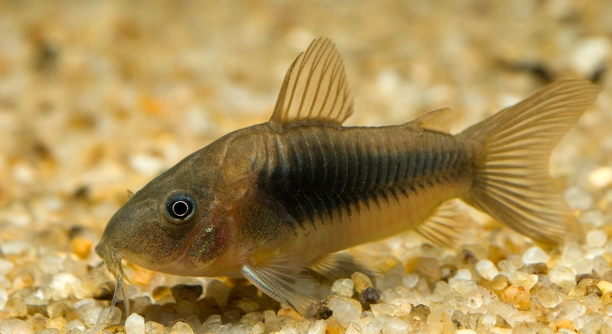
Corydoras catfish are peaceful creatures, often admired for their calm nature. However, you may notice them being restless at night. Understanding the reasons behind this behavior can help you create a more comfortable environment for them.
Corydoras catfish may become restless at night due to factors like poor water conditions, stress, hunger, or improper tank mates. Changes in light, temperature, and oxygen levels can also contribute to their nocturnal activity.
Addressing these issues can bring peace to your tank and ensure your fish are comfortable. Keep reading to learn how to create the best environment for your Corydoras catfish.
Poor Water Quality
Water quality is crucial for your Corydoras catfish. If ammonia, nitrites, or nitrates build up in the tank, it can stress your fish. These chemicals can make them more active than usual, especially at night when they’re trying to find clean areas. A well-maintained filter and regular water changes can help prevent this.
Dirty water leads to restless behavior, and keeping your tank clean is essential. Ensure you check the water parameters regularly with a test kit to keep everything balanced.
A stable environment allows Corydoras to feel secure, which will minimize unnecessary activity. Your catfish will be happier and calmer in cleaner water, reducing the chances of nighttime restlessness. The key is consistent maintenance, which helps your fish thrive and stay healthy.
Temperature Fluctuations
Corydoras are sensitive to sudden temperature changes. If the tank is too hot or cold, it can make them feel uneasy, and they might swim more erratically at night. Keeping a stable temperature will prevent such restlessness.
Temperature control is easy to manage with a reliable heater. Aim to keep the water between 72–78°F. Sudden drops or increases in temperature could trigger stress and excessive movement.
Changes in temperature also affect oxygen levels in the water. When temperatures rise, oxygen may decrease, making it harder for your catfish to breathe. As a result, they might move around in search of better oxygenated spots. Adding aeration to your tank can help maintain healthy oxygen levels. Keeping the water temperature stable is an effective way to reduce nighttime activity.
Hunger or Diet Imbalance
Corydoras catfish may become more active if they’re hungry. They are bottom feeders and may search for food at night, especially if they haven’t eaten enough during the day. Offering the right type of food at regular intervals can prevent this behavior.
It’s essential to feed your Corydoras a balanced diet. They enjoy sinking pellets, but occasionally, you can offer them live or frozen foods. Overfeeding can lead to uneaten food, which can affect water quality. Stick to a routine and monitor how much your catfish are eating. This keeps them satisfied and reduces restlessness at night.
If your Corydoras are still restless after feeding, consider varying their diet. Sometimes, a lack of proper nutrients can cause them to look for more food. Make sure to adjust the type and quantity to fit their needs. Proper feeding will go a long way in making your catfish feel comfortable and settled.
Stress from Tank Mates
Corydoras are peaceful fish, but they can still be stressed by tank mates. If they’re housed with aggressive or overly active fish, they may become restless at night. Even if no physical aggression occurs, constant chasing can cause stress.
When selecting tank mates, ensure they’re compatible with Corydoras’ calm nature. Avoid keeping them with larger, fast-moving fish that may intimidate them. Fish that nip at fins or are territorial can increase your catfish’s anxiety, leading to restless behavior, especially after lights go out.
To help your catfish feel more secure, introduce more peaceful species that won’t disturb them. Ensure your Corydoras have enough space to hide when they feel threatened. Tank decor like plants or caves can give them places to retreat, allowing them to relax and reduce nighttime restlessness. Creating a calm, peaceful tank environment is key to a stress-free home for your fish.
Inadequate Tank Size
Corydoras catfish need enough space to move around comfortably. If the tank is too small, they may feel cramped and restless, especially at night. Ensure your tank is large enough to support your catfish and any other fish you keep with them.
A tank that’s too small can cause stress, leading to more erratic swimming. A general rule is to provide at least 10 gallons for a small group of Corydoras. The more space they have, the less likely they’ll be restless. Giving them room to explore and establish territories helps them feel more secure in their environment.
Poor Water Oxygenation
Corydoras are sensitive to oxygen levels. If the water doesn’t have enough oxygen, they may become more active, swimming around in search of better conditions. It’s important to ensure your tank is well-oxygenated.
Using air pumps or sponge filters can help increase oxygen flow in the tank. Keep an eye on your tank’s surface movement as well; a tank with poor surface agitation might not be getting enough oxygen exchange.
Lighting Issues
Corydoras may struggle with restlessness if the lighting in your tank isn’t right. Too much light can disturb them, while too little may cause them to feel unsafe. Make sure you provide a consistent light cycle.
FAQ
Why is my Corydoras catfish swimming in circles at night?
Swimming in circles can indicate stress or discomfort. It could be related to poor water quality, an unstable temperature, or insufficient oxygen levels. Check the water parameters, ensuring ammonia, nitrites, and nitrates are within safe levels. Also, ensure the tank temperature remains stable and falls within the ideal range for Corydoras. If everything is fine and the behavior continues, it could be due to stress from tank mates or a lack of hiding spots. Adding more decorations or plants may provide your Corydoras with spaces to retreat, reducing stress and promoting restfulness.
What can I do to reduce my Corydoras catfish’s nighttime activity?
The first step is addressing water quality. Clean water is essential, so perform regular water changes and check for any chemical imbalances. Secondly, ensure your tank is the right size, as cramped conditions can increase restlessness. Ensure your Corydoras have plenty of space to swim, hide, and explore. Also, examine their diet to make sure they’re not overfed or underfed, as both can contribute to restlessness. Lastly, consider tank mates. Stress from aggressive or active fish can cause your Corydoras to become more active at night.
How do I know if my Corydoras is stressed?
Signs of stress in Corydoras include erratic swimming, darting around the tank, hiding constantly, or even rubbing against objects in the tank. If your Corydoras are staying at the surface or near the tank’s corners, it could indicate stress from water quality issues or overcrowding. If their fins are clamped or they seem lethargic, they might be feeling stressed. Regularly monitoring water quality and the general condition of your fish can help you identify stress early. You might also notice more active behavior or aggressive interactions with other fish.
Can Corydoras catfish be kept with other species?
Yes, Corydoras are peaceful and can coexist with many species. However, avoid keeping them with aggressive or overly active fish. Larger or faster species may chase Corydoras around the tank, causing stress and leading to restlessness. Smaller, peaceful species like guppies, tetras, or other bottom feeders are often good tank mates for Corydoras. Ensure that the fish share similar temperature, water condition, and oxygen level requirements. Additionally, providing enough hiding spaces for your Corydoras can help reduce stress when keeping them with other fish.
How often should I feed my Corydoras catfish?
Corydoras should be fed once or twice a day, depending on their activity level and size. It’s important to feed them in small amounts to avoid excess food that could lead to water quality problems. They are bottom feeders, so make sure to provide sinking pellets or food designed for bottom dwellers. You can also supplement their diet with frozen or live foods, such as bloodworms or brine shrimp, to add variety. Monitor how much they eat, as any leftover food can affect water quality and contribute to nighttime restlessness.
Is it okay if my Corydoras doesn’t eat right away?
Corydoras can sometimes take their time before eating. If they’re not eating immediately, don’t be alarmed. They often prefer to feed at night or in the evening when the tank is quieter. However, if your Corydoras are consistently refusing food, it could be a sign of stress, poor water conditions, or illness. Check the water parameters, ensure they are getting a balanced diet, and observe their behavior. If they continue to refuse food, it might be best to consult a veterinarian or a fish care expert for advice.
How do I keep my Corydoras catfish comfortable during the night?
Keeping your Corydoras comfortable during the night involves providing a stable and peaceful environment. First, maintain good water quality by performing regular water changes and monitoring levels of ammonia, nitrites, and nitrates. Ensure the water temperature is stable and falls within the ideal range. Secondly, reduce excess light during the night, as Corydoras prefer dimmer conditions. Provide enough hiding spots like plants, caves, or decorations where your catfish can retreat if they feel stressed. Lastly, minimize disturbances from other fish by choosing peaceful tank mates and giving your Corydoras enough space to roam.
How do I handle aggressive Corydoras behavior?
Corydoras are generally peaceful, but occasional aggression can happen, especially if they’re overcrowded or stressed. If you notice your Corydoras showing aggression toward one another, try adjusting the tank environment. Add more hiding spaces, decorations, or plants to help establish territories and reduce stress. It may also help to increase the number of Corydoras in the tank, as they feel more secure in larger groups. If aggression persists, check the water parameters and ensure your tank mates aren’t too aggressive or dominant.
Why is my Corydoras catfish constantly at the tank’s surface?
If your Corydoras is staying near the surface, it might be a sign of low oxygen levels or poor water quality. Corydoras often rise to the surface in search of oxygen if there’s a lack in the tank. Adding an air pump or increasing water movement can help improve oxygenation. Check the water parameters, as high levels of ammonia or nitrates can also cause this behavior. If the problem persists, consider adding a sponge filter or ensuring your tank has proper aeration to help provide sufficient oxygen throughout the water.
Can Corydoras be kept in a tank with other bottom feeders?
Yes, Corydoras can be kept with other bottom feeders, provided they are peaceful and have similar water requirements. Species such as loaches or other types of catfish often make good companions for Corydoras. However, avoid placing them with bottom-dwelling fish that may compete for food or territory. Ensure that each species has enough space and hiding spots to reduce potential stress. Offering a variety of food options can also help keep all the bottom feeders well-fed and minimize competition.
Final Thoughts
Corydoras catfish are generally peaceful creatures that enjoy a calm, stable environment. If your catfish are restless at night, it’s often a sign that something in their environment needs attention. Whether it’s water quality, tank size, or diet, addressing these factors can help reduce their nighttime activity. Corydoras are sensitive to their surroundings, and even small changes in water conditions, temperature, or tank mates can affect their behavior. It’s important to regularly check water parameters like ammonia, nitrites, and nitrates, and make sure your tank is large enough to provide enough space for your fish to move freely.
Ensuring your Corydoras have a proper diet is also essential. While they are bottom feeders, they require a balanced mix of sinking pellets, occasional live or frozen foods, and variety in their diet. Overfeeding or underfeeding can lead to restlessness, and keeping a consistent feeding schedule will help keep your fish content. Be mindful of how much food you provide to avoid leaving uneaten food, which can impact water quality and contribute to poor tank conditions. If your Corydoras are still restless after addressing these factors, it might be a sign that stress from tank mates or lighting issues is at play. Choosing compatible species and creating a peaceful tank environment can do wonders for your fish.
Lastly, patience and observation are key when caring for Corydoras. They may be naturally more active at certain times, but persistent restlessness could indicate a problem that needs fixing. Keeping an eye on your fish’s behavior and understanding their needs will go a long way in making sure they are comfortable. With the right care, Corydoras will thrive in your aquarium, and their restlessness will reduce, allowing them to live a calm and healthy life.

Hello,
If you enjoy the content that we create, please consider saying a "Thank You!" by leaving a tip.
Every little bit helps us continue crafting quality advice that supports the health, happiness, and well-being of pets around the world, for pets of all shapes, sizes, and species.
We really appreciate the kindness and support that you show us!