
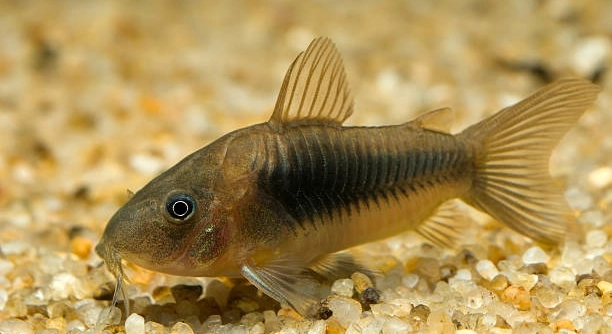
Are your Corydoras catfish acting differently since you added more tank mates? Their behavior might be trying to tell you something important. Understanding these changes can help create a better space for your fish.
Corydoras catfish can become overwhelmed when the tank is overcrowded, leading to stress, hiding, and health issues. Signs include erratic swimming, loss of appetite, or avoidance of certain areas. These behaviors often signal discomfort or anxiety.
Recognizing these signs early can help you adjust your tank setup and improve your fish’s well-being before problems escalate.
Why Too Many Tank Mates Can Stress Out Your Corydoras
Corydoras catfish are peaceful bottom dwellers that thrive in calm environments. When a tank gets too crowded, their natural habits get disrupted. Corydoras prefer staying in groups of their own kind and may feel unsettled around more active or aggressive fish. These catfish can become withdrawn, hide more often, or stop scavenging for food if there’s too much movement or competition in the tank. Overcrowding can also lower water quality faster, adding another layer of stress. It becomes harder for them to rest or feel secure. Even though they are hardy, constant stress can make them sick. If they no longer swim around together or explore like usual, something may be off. Watching how they interact with the environment helps you know if it’s time to make changes.
Their comfort depends on stable conditions and a predictable environment, something too many tank mates can easily disrupt.
Giving your Corydoras space and peace helps them stay active, social, and healthy. When they feel safe, their natural behaviors return.
7 Signs Your Corydoras Might Be Overwhelmed
You might notice your Corydoras hiding more often or choosing corners of the tank they didn’t before. That’s usually a clue.
- Hiding or staying motionless – They may tuck themselves away under decorations or plants instead of swimming with the group.
- Erratic swimming – They might dart around suddenly, bumping into things or swimming up and down the glass.
- Clamped fins – This is when their fins are held tight against their bodies. It can mean they’re anxious.
- Loss of appetite – Skipping meals or not scavenging as much can show that something is bothering them.
- Avoiding other fish – If they keep a distance from other tank mates, they could be overwhelmed.
- Breathing heavily – Gasping or rapid gill movement might suggest stress or poor water quality.
- Reduced social behavior – Corydoras are usually active in groups. If they start isolating, it’s worth checking the tank dynamics.
These signs help you know when your Corydoras need more space or fewer tank mates to feel secure again.
How Tank Mates Affect Corydoras Behavior
Corydoras prefer calm surroundings and can get nervous around fast or aggressive fish. Loud or quick movements make them uneasy, especially if they’re constantly being chased or crowded during feeding times.
When the tank is too busy, Corydoras may stop doing their usual group activities like foraging or swimming in sync. They might separate from each other and stick to one corner of the tank. If they’re constantly bumping into other fish or being pushed away from food, their stress levels rise. Their peaceful nature makes it hard for them to compete, and this can lead to long-term health problems. When they’re stressed, their immune system weakens, making them more likely to get sick. Watching their behavior regularly helps you notice changes early and respond before things get worse.
If you’re seeing them isolate, stop eating, or hide more often, it’s time to rethink their tank mates. Adding more hiding spots or reducing fish that take up a lot of space or attention can make a big difference. Choosing species that share similar behavior and space needs is a good way to help everyone feel at ease. A slower-paced tank creates a better environment for your Corydoras to thrive and show their natural charm.
Best Tank Conditions to Keep Corydoras Comfortable
Corydoras feel best in stable tanks with clean water, soft substrate, and low lighting. Their sensitive barbels can get damaged by rough gravel, so smooth sand works better.
They thrive when kept in groups of at least six of their own kind. This makes them feel safer and more social. Water temperature should stay between 72–78°F, with a gentle current and good filtration. Avoid loud bubbles or strong water flow that pushes them around. A planted tank with shaded areas gives them spots to rest and feel secure. It’s also important to do regular water changes and test parameters weekly, especially if your tank has multiple species. Keeping nitrate and ammonia levels low is key to their long-term health. A peaceful setup that mirrors their natural habitat helps them stay active and stress-free. Watching them swim and explore calmly is a sign you’re on the right track.
How to Help an Overwhelmed Corydoras
Start by checking the tank size and fish count. A crowded tank leaves little room to swim and rest. Giving each fish proper space lowers stress and encourages normal behavior.
Remove overly active or aggressive species if needed. Choose peaceful tank mates that won’t compete for the same space or food.
When to Make Changes to the Tank
If your Corydoras are hiding more, breathing heavily, or skipping meals, it’s time to adjust your setup. Don’t wait for things to get worse. Small changes like improving filtration, adding hiding spots, or rearranging decorations can help reduce stress. If the tank still feels busy, rehome or relocate a few fish. Try to match fish by their activity level and space needs. Adding more Corydoras can also help, since they feel safer in groups. Always introduce changes slowly so the tank stays balanced. Watching how your fish respond afterward will tell you if the adjustment helped or if more changes are needed.
What Not to Do
Avoid adding new fish when stress signs are present. That only adds to the pressure and can make things worse.
FAQ
What are the signs that my Corydoras catfish are stressed due to too many tank mates?
If your Corydoras are stressed, you may notice changes in their behavior, such as hiding more often, swimming erratically, or not eating as usual. They might also display clamped fins, rapid breathing, or avoid other fish. Stress can also lead to less social interaction with their group, causing them to become isolated. If these signs appear, it’s a good indication that the tank environment is too crowded for them.
Can Corydoras live with other fish?
Yes, Corydoras can live with other fish, but it’s important to choose peaceful, non-aggressive species. They work best in tanks with calm fish that don’t compete for the same space or food. Avoid fast swimmers and aggressive species that may chase or outcompete them. Good tank mates include tetras, guppies, and other bottom dwellers, but always keep an eye on their interactions.
How many Corydoras should I keep together?
It’s best to keep Corydoras in groups of at least six of their own kind. They are social creatures and feel safer and more comfortable when they can interact with others of the same species. Keeping them in larger groups allows them to exhibit more natural behaviors, like scavenging and schooling. Smaller groups may not give them the same level of comfort or social interaction, which can lead to stress.
What is the ideal tank size for Corydoras catfish?
A 20-gallon tank is usually a good minimum for a small group of Corydoras. If you plan to keep a larger group or add other fish, a 30-gallon tank or more will provide enough space. Corydoras prefer tanks with plenty of hiding spots and room to swim. Overcrowding can lead to stress, so make sure your tank isn’t too cramped for both your Corydoras and their tank mates.
What type of substrate is best for Corydoras?
Corydoras are sensitive to rough substrates because they use their barbels to explore the bottom of the tank. Sharp gravel can damage their barbels and cause health problems. A soft, fine sand substrate is ideal. It allows them to burrow, forage, and move around freely without risk of injury. Avoid large, sharp rocks or gravel that could harm their delicate sensory organs.
How often should I feed Corydoras catfish?
Corydoras are scavengers, and they typically feed on food that sinks to the bottom of the tank. You should feed them once or twice a day, providing small amounts of sinking pellets, algae wafers, or frozen foods like bloodworms and brine shrimp. Avoid overfeeding, as excess food can pollute the water. Make sure all food is eaten within a few minutes, and remove any uneaten food to maintain water quality.
Can Corydoras live in a tank with strong currents?
Corydoras prefer calm waters with gentle currents. They are not well-suited to tanks with strong water flow, which can make them stressed and prevent them from moving around comfortably. A gentle filter or air stone can provide some water movement without disturbing them. If you have strong currents in your tank, try adjusting the filter or placing decorations to block the flow in areas where your Corydoras like to swim.
What water parameters are ideal for Corydoras?
Corydoras thrive in slightly acidic to neutral water with a pH of around 6.5 to 7.5. They also prefer soft to moderately hard water with a temperature range of 72–78°F (22–26°C). Regular water changes are important to maintain these conditions and prevent the buildup of harmful substances like ammonia or nitrites. Keeping the water clean and stable is essential for their health.
How can I reduce stress in my Corydoras tank?
To reduce stress, ensure your tank has enough hiding spots, like plants, caves, and decorations. Avoid overcrowding by keeping the number of fish in check, and choose tank mates that are peaceful and won’t cause stress. Maintain stable water conditions, do regular water changes, and keep the tank clean. Adding a soft substrate, using gentle filtration, and avoiding strong water currents can also help. Make sure your Corydoras have plenty of space to explore, swim, and hide as needed.
Is it okay to add new tank mates if my Corydoras are stressed?
It’s best not to add new fish to the tank if your Corydoras are already showing signs of stress. Introducing new tank mates can add further pressure to an already crowded environment. Focus on improving the tank conditions first, such as reducing the number of tank mates, adding more hiding spots, and ensuring water quality. Once your Corydoras are more comfortable, you can consider adding new fish, but make sure they are compatible and not too aggressive.
Do Corydoras need to be in a school to thrive?
Yes, Corydoras are social fish and thrive when kept in a group. They feel safer and more secure in numbers, and their natural behaviors like foraging and swimming together come out more in a school. Keeping them in smaller groups may cause them to feel isolated and stressed. For the best results, keep at least six Corydoras in the same tank.
Can Corydoras be kept with shrimp?
Corydoras can generally live well with shrimp, as long as the shrimp are not too small to be eaten. Species like cherry shrimp, Amano shrimp, and ghost shrimp often coexist peacefully with Corydoras, as they share similar habitat needs. However, be aware that larger Corydoras may try to eat baby shrimp, so it’s best to ensure that shrimp are large enough to avoid being eaten.
What is the best way to introduce new fish to a tank with Corydoras?
When introducing new fish to a tank with Corydoras, it’s important to go slowly. First, quarantine the new fish for a few weeks in a separate tank to ensure they are healthy. Afterward, slowly introduce them into the main tank during feeding time when the Corydoras are distracted. Monitor interactions closely to ensure the new fish don’t cause stress or aggression. Adding tank mates that are similar in temperament and size is key to maintaining harmony.
Final Thoughts
When it comes to keeping Corydoras catfish happy and healthy, understanding their needs is key. These peaceful bottom dwellers thrive in tanks with calm, stable conditions and plenty of space to explore. They feel safest when kept in groups, as they naturally prefer to swim and interact with their own kind. If your Corydoras are acting differently, such as hiding more or swimming erratically, it could be a sign that the tank is too crowded or their tank mates are stressing them out. These signs shouldn’t be ignored, as stress can lead to health issues and even shorten their lifespan.
Corydoras can live peacefully with many other species, but it’s important to choose their tank mates wisely. Fast swimmers or aggressive fish can make them feel overwhelmed and compete for space and food. The best approach is to select peaceful fish that won’t disrupt the calm environment Corydoras need to thrive. By keeping the tank balanced and monitoring the behavior of all your fish, you’ll create a more harmonious environment where your Corydoras can feel secure. Also, maintaining stable water parameters—such as temperature, pH, and hardness—is crucial for their well-being.
In the end, the most important thing is to watch for changes in your Corydoras’ behavior and address issues before they become more serious. Whether that means adjusting tank conditions, reducing the number of tank mates, or adding more hiding spots, small changes can make a big difference in their overall health. If you focus on creating a peaceful, spacious environment for your fish, they’ll likely thrive, stay active, and continue to brighten up your tank. By providing them with the right care and environment, you’ll enjoy watching your Corydoras live happy and healthy lives.

Hello,
If you enjoy the content that we create, please consider saying a "Thank You!" by leaving a tip.
Every little bit helps us continue crafting quality advice that supports the health, happiness, and well-being of pets around the world, for pets of all shapes, sizes, and species.
We really appreciate the kindness and support that you show us!