
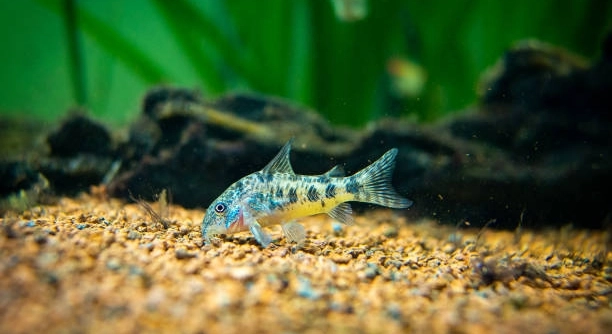
Are your Corydoras catfish getting little scrapes or odd injuries you can’t quite explain after a tank cleaning or filter change?
The most effective way to prevent Corydoras injuries caused by tank equipment is to properly cover filter intakes, smooth sharp surfaces, and avoid strong water currents. Regular tank checks are also essential to ensure their safety.
Learning how to adjust your equipment setup and make small changes can greatly reduce the risk of harm to your Corys.
Use Pre-Filters on Filter Intakes
Corydoras are small and curious, and they often explore tight spaces, including near filter intakes. These areas can pose a real danger if left uncovered. A pre-filter sponge is a simple add-on that can make a big difference. It helps block direct suction and protects your fish from getting stuck or injured. Pre-filter sponges also help trap debris before it reaches your main filter, which can keep your tank cleaner. They’re affordable, easy to clean, and available in many sizes. Choose one that fits tightly over your intake tube, and rinse it regularly during water changes. If your filter intake is strong or wide, consider doubling up the sponge layer for added security. This extra buffer helps prevent both adult and baby Corys from slipping through or getting pulled too close. It’s a small adjustment that gives peace of mind and helps maintain a safe tank environment for bottom dwellers.
A filter sponge not only protects your Corys but also reduces how often you need to clean your main filter, making maintenance easier.
When choosing a pre-filter sponge, avoid anything too coarse or soft. The goal is to use one firm enough to stay in place but fine enough to stop small particles and curious fish from getting pulled in. Make sure the sponge fits your specific filter model and does not block water flow completely. If you notice a significant drop in flow, rinse the sponge or trim it slightly. Keep an eye on it between cleanings—when it starts to look clogged or discolored, it’s time for a rinse. Regular care keeps both your filter and fish safe.
Cover Heater Tubes and Cords
Heater burns are a real concern, especially for fish that rest near the bottom of the tank like Corydoras. A simple heater guard can prevent direct contact with the heater’s hot surface.
Many heaters get hot enough to hurt fish, especially during colder months when they’re working harder. Corys often like to sit near heaters because the area feels warm and calm. A guard or heater cover creates a protective barrier between your fish and the heating element. These covers are usually made of plastic and come in different sizes to match your heater. They are easy to clip on and allow water to circulate while keeping the heating surface out of reach. Some heaters now come with guards already attached, which is helpful. If yours doesn’t, it’s worth picking one up separately. A small investment in a heater cover can help you avoid injuries and keep your Corys safe, especially if they tend to rest near the heater often.
Place Equipment Away from the Bottom of the Tank
Corydoras spend most of their time at the bottom, so keeping equipment off the substrate helps reduce risk. Heaters, filter intakes, and airstones should be positioned higher up or shielded if close to the bottom.
Corys love to explore the tank floor, so any equipment placed too low becomes a hazard. Heaters sitting on the substrate can burn their delicate undersides, and strong filter inlets can pull at their fins or whiskers. Position heaters vertically on the side glass, at least a few inches above the bottom. Secure filter tubing with suction cups higher up the tank wall. Even air stones and bubblers can be nudged upward or fitted with guards. When installing new gear, always observe how your Corys react to it during the first day. Rearrange things if they’re constantly brushing or bumping into parts near the bottom. Small adjustments go a long way.
It’s easy to forget how curious and persistent Corydoras can be. They’ll nudge every rock, dig around decorations, and squeeze into gaps. If equipment is placed in their path, accidents happen. Some owners notice torn fins or odd swimming behavior, only to realize a heater or sponge filter was too close to where the Corys rest. Even protective gear can shift or fall if not properly secured, so check placements regularly—especially after water changes or tank cleanings. Take time to visualize where your Corys spend their day and make those areas as clear and equipment-free as possible. This kind of setup also makes cleaning easier for you.
Use Smooth and Rounded Decorations Only
Sharp or rough-edged decorations can harm your Corys as they search for food along the substrate. Choose smooth stones, driftwood with sanded edges, and resin ornaments made for aquariums to avoid cuts or scrapes.
Corydoras have soft bellies and sensitive barbels, which they use to feel along the tank bottom. Decorations with sharp corners or jagged edges can easily tear their fins or cause barbel damage. While natural rocks look nice, they should be carefully inspected—lava rock, for example, is too rough and should be avoided. Even artificial décor marketed for fish tanks can sometimes have poor finishing or brittle seams that break over time. Stick with materials you can rub your finger across without feeling any snag. Rounded stones, polished pebbles, and well-crafted resin pieces are all good options. Smoothing out your layout makes it easier and safer for your Corys to navigate freely and forage without injury.
It’s also smart to monitor how decorations sit in the tank over time. Sometimes, objects shift due to fish movement or water changes, exposing rough edges that were once buried. Corys often wedge themselves into tight corners or under items, and if anything has chipped or cracked, it can become dangerous. When cleaning your tank, take a moment to feel around each piece, especially the ones near high-traffic Cory areas. If something feels sharp or unstable, replace it or sand it down. It’s worth checking every few weeks—it’s a quick task that helps prevent long-term injuries or infections caused by tiny nicks.
Secure All Wires and Tubing Properly
Loose wires or tubing can shift and trap Corydoras as they move along the tank bottom. Use suction cups or clips to fasten them securely against the glass and keep them out of your fish’s path.
Wires that drag on the substrate or dangle in odd spots can create tight spaces where Corys might get stuck. These areas can also collect debris, making the tank harder to clean and more stressful for the fish.
Avoid Strong Water Flow Near the Bottom
Corydoras prefer calm areas at the bottom, and strong current near the substrate can make swimming difficult or exhausting. If your filter or powerhead creates too much flow, angle the output toward the surface or use a baffle. Even sponge filters can be adjusted to reduce disturbance if needed.
Use Substrate Safe for Corydoras
Rough gravel can damage Corydoras’ barbels and undersides. Soft sand or smooth, fine gravel is best. This allows them to sift comfortably through the substrate without risk of scrapes, irritation, or injury. Avoid anything with sharp or uneven edges.
Are sponge filters safe for Corydoras catfish?
Yes, sponge filters are one of the safest filtration options for Corydoras. They provide gentle water flow and won’t suck in small fish or damage delicate fins and barbels. The sponge surface is soft and allows Corys to explore without risk of injury. They also add surface area for beneficial bacteria, which helps maintain good water quality. If your tank needs extra filtration, you can run a sponge filter alongside a main filter without disturbing your fish. Just make sure the sponge is rinsed in tank water during maintenance to avoid killing helpful bacteria.
Can Corydoras get burned by heaters?
Yes, Corydoras can get burned if they rest against an unguarded heater. Since they often sit near warm areas at the bottom, they may accidentally touch the hot surface of a heater. A heater guard can prevent this. These plastic covers slip over the heater and keep fish from direct contact. If your heater is adjustable, keep it positioned vertically on the side of the tank instead of laying it flat. You can also use external heaters connected to canister filters as a safer option. Always monitor your fish after installing new heating equipment to make sure they’re not getting too close.
What kind of substrate is best for Corydoras?
Soft, fine sand is ideal for Corydoras catfish. Their barbels are very sensitive, and rough gravel can wear them down or even cause infections. Pool filter sand, aquarium-grade sand, or very fine smooth gravel are all safe choices. Avoid sharp or large-grain substrates, especially ones with rough edges. Corys love to sift through sand when looking for food, and soft substrate allows them to display natural behaviors. A healthy substrate also helps reduce stress and keeps their barbels in good condition. If you’re switching from gravel, be sure to clean the sand well before adding it to avoid cloudy water.
Do decorations really pose a danger to Corydoras?
Yes, some decorations can hurt Corys if they have sharp edges, narrow gaps, or rough textures. These fish are active bottom dwellers and will squeeze through small spaces or dig underneath things. Unsafe decorations can lead to cuts, torn fins, or trapped fish. Stick to smooth stones, driftwood with sanded edges, and resin items made specifically for aquariums. Always check the surface by running your fingers over it. If it feels sharp or gritty, it’s better not to use it. Keep an eye on how your Corys interact with new items, and remove anything they keep getting stuck under or around.
How can I reduce filter flow for Corydoras?
If your filter creates too much current, especially near the bottom, it can make swimming hard for Corys. Try pointing the filter output toward the tank wall or surface to soften the flow. You can also use a baffle—like a piece of sponge or plastic—to deflect the stream. If using a hang-on-back filter, add a pre-filter sponge on the intake and place a piece of filter foam where the water pours out. Sponge filters are a great low-flow option. Reducing flow helps Corys rest and forage more easily, especially if they seem to struggle or avoid certain areas of the tank.
Can equipment fall and injure my Corydoras?
Yes, unsecured equipment like heaters, filters, or air stones can fall during water changes or after being bumped. If these land on or near a Cory, it can cause stress or injury. Always use strong suction cups or clips to hold equipment in place. Check these attachments regularly, especially after cleaning the tank or moving decorations. Some fishkeepers also zip-tie wires and tubing to suction holders for extra security. A sudden fall could trap a Corydoras underneath or cause bruising if the item is heavy. Being cautious with setup and checking placements often can help prevent these types of accidents.
Final Thoughts
Corydoras catfish are peaceful, active fish that do best in safe and calm environments. Since they spend so much time along the bottom of the tank, they’re more likely to come into contact with equipment and decorations. Injuries from heaters, filters, and rough objects are more common than people realize. Taking time to adjust your setup with these fish in mind can prevent most accidents. It doesn’t take much—moving a heater higher, covering filter intakes, or replacing sharp decor can make a big difference in their safety. These small changes help keep your Corys stress-free and allow them to behave more naturally.
Preventing injury also means understanding how Corydoras interact with their space. They’re curious and like to explore every part of the tank. If something looks interesting, they’ll check it out—no matter how risky it might be. That’s why it’s important to use soft, smooth substrate and avoid anything that could trap or scratch them. Equipment should be firmly secured so it doesn’t fall or shift when you clean the tank or when fish move around. Regular checks during water changes are a simple way to spot issues before they become serious. Watching how your fish move and interact with the environment can tell you a lot about whether something needs adjusting.
In the end, keeping Corydoras safe is all about creating a well-planned, gentle setup. A soft bottom, stable water flow, and protected equipment make their world easier to navigate. Injuries are often preventable with just a little extra attention to detail. It’s not about having the most advanced tank—it’s about making sure your fish can live without constant stress or risk. Healthy, injury-free Corys are more active, display better colors, and live longer. When their environment supports them, they’ll reward you with interesting behavior and a calm, happy presence in your aquarium. Taking care of the small things goes a long way in giving your Corydoras a safe home.

Hello,
If you enjoy the content that we create, please consider saying a "Thank You!" by leaving a tip.
Every little bit helps us continue crafting quality advice that supports the health, happiness, and well-being of pets around the world, for pets of all shapes, sizes, and species.
We really appreciate the kindness and support that you show us!