
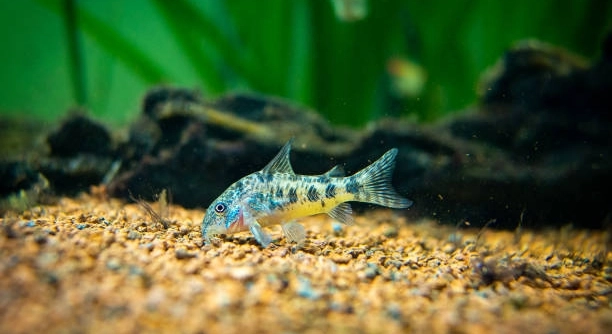
Corydoras catfish are known for their calm and social behavior, but they sometimes avoid certain areas of the tank. This can lead to concerns for their well-being. Understanding the reasons behind this behavior can improve your aquarium care.
The primary reasons for a Corydoras catfish avoiding a particular area in the tank often include environmental factors, water quality issues, or stress caused by tank mates. Understanding these causes can help you resolve the issue and improve their comfort.
By understanding the factors affecting your Corydoras, you can create a healthier environment for your fish, allowing them to feel secure and thrive. Keep reading to learn more about the common explanations and solutions.
Poor Water Quality
Water quality is crucial for all aquarium inhabitants, including Corydoras catfish. If the water parameters are off, your fish may avoid certain areas of the tank. Common issues include high ammonia levels, nitrites, or low oxygen content. These problems can make the environment uncomfortable for your catfish, leading them to seek areas where they feel safer.
Ensure the tank is properly cycled, with regular water changes to maintain good water quality. Test the water frequently to monitor levels of ammonia, nitrites, and nitrates. Corydoras prefer clean, well-oxygenated water, and any significant fluctuation in these factors can cause them stress.
Installing a good filtration system will help keep the water clean. Additionally, adding live plants can help oxygenate the water and create a more natural environment for the catfish. When the water quality is ideal, Corydoras will be more active and comfortable exploring all areas of the tank.
Tank Mates
Sometimes, Corydoras may avoid areas because of tank mates. Certain species can be aggressive or territorial, making other fish feel threatened. Corydoras are peaceful and social, so they may withdraw to avoid confrontation.
Tank mates such as larger or more dominant fish can stress Corydoras. If you notice that your catfish are consistently avoiding a particular spot, it could be due to a more assertive fish occupying the area. Corydoras prefer calm and peaceful environments, and aggression from tank mates will make them retreat to a safer location.
Ensure the fish in your tank are compatible. It’s important to choose species that will not bully or harass the Corydoras. You may want to add more hiding spaces like caves or plants to give your fish a place to escape. By carefully selecting tank mates, you can create a peaceful environment where all fish feel safe.
Stress from Changes in Environment
Corydoras catfish are sensitive to changes in their environment. Moving decorations, changing the tank setup, or even introducing new fish can cause stress. This can lead your catfish to avoid certain areas of the tank as they adapt to the new surroundings.
If you’ve recently made any changes to the tank, it’s important to give your Corydoras time to adjust. They may take some time to feel comfortable again. It’s crucial to monitor their behavior during this transition. Keeping the tank as stable as possible will help reduce stress and encourage your catfish to explore more areas.
Changes in water temperature or lighting can also trigger stress. Corydoras prefer stable conditions, so try to keep everything consistent. Avoid over-cleaning the tank or making drastic adjustments. Small and gradual changes are best for minimizing their stress, allowing them to feel more secure in the environment.
Illness or Injury
If your Corydoras catfish is avoiding an area of the tank, it could be due to illness or injury. When fish are unwell, they may seek out a quiet corner or stay near the bottom of the tank, trying to rest and recover.
A sudden decrease in activity or a reluctance to swim may signal health issues. Look for signs like discoloration, swelling, or changes in their swimming patterns. If your catfish is avoiding an area, it might be a reaction to discomfort caused by a potential injury or infection.
It’s important to isolate any sick fish from the rest of the tank to prevent the spread of illness. Providing them with a clean, stress-free environment will allow for quicker recovery. If symptoms persist, consider seeking advice from a vet or aquarium specialist.
Tank Size
Corydoras catfish need enough space to move around freely. If the tank is too small, they may feel cramped and avoid certain areas. A cramped environment can cause stress and limit their ability to explore, leading them to stay in corners or the bottom.
Make sure your tank is large enough to accommodate the number of fish you have. A minimum of 20 gallons is recommended for a small group of Corydoras. A larger tank with enough hiding spots and open areas will encourage them to be more active and comfortable.
Water Temperature
Corydoras catfish are sensitive to water temperature. If the temperature is too high or too low, they may avoid areas of the tank. They thrive in water temperatures between 72°F and 78°F.
Check the water temperature regularly to ensure it stays within the ideal range. Sudden fluctuations in temperature can cause stress, making your fish uncomfortable and causing them to avoid certain spots. A reliable heater and thermometer will help maintain a stable temperature, allowing your Corydoras to feel secure and explore.
Overcrowding
Overcrowding is another issue that may cause Corydoras to avoid certain areas. Too many fish in the tank can lead to high stress levels and competition for space. Corydoras prefer to have enough room to swim around without constantly being disturbed by other fish.
Reducing the number of fish or upgrading to a larger tank will help alleviate overcrowding. Be mindful of the number of fish in your tank to ensure each one has enough space to thrive. Healthy, happy Corydoras are more likely to explore and interact with their environment.
FAQ
Why is my Corydoras catfish hiding all the time?
Corydoras catfish are naturally shy and prefer to stay hidden, especially when they feel stressed or unwell. If your fish is hiding frequently, it could be due to poor water quality, tank mates causing stress, or environmental changes. Corydoras are bottom dwellers, so providing hiding spots such as caves or plants can make them feel secure and reduce their tendency to hide. Also, check the water parameters regularly to ensure they are within the optimal range, as poor conditions can cause discomfort.
Can Corydoras catfish be kept with other fish?
Yes, Corydoras catfish are peaceful and social. They generally do well with other non-aggressive fish. However, tank mates should be chosen carefully. Avoid keeping them with larger or more aggressive species, as these could stress the Corydoras. Small, peaceful fish like tetras or guppies are ideal companions. Corydoras thrive in a calm and stable environment, so ensuring compatibility is important for their well-being.
What do I do if my Corydoras catfish is not eating?
If your Corydoras is refusing to eat, it could be a sign of stress, illness, or water quality issues. Start by checking the water parameters, especially ammonia, nitrite, and nitrate levels, as poor water quality can affect their appetite. Also, ensure the food is appropriate for their diet, such as sinking pellets, which are better suited for their feeding habits. If symptoms persist, consider isolating the fish and observing for any signs of illness.
How often should I feed my Corydoras catfish?
Corydoras catfish should be fed small amounts twice a day. Overfeeding can lead to water quality problems, as uneaten food will break down and pollute the tank. It’s best to offer sinking pellets, which cater to their bottom-feeding nature. You can supplement their diet with occasional treats like bloodworms or brine shrimp. Always remove any uneaten food after a few hours to prevent it from decaying.
Can Corydoras catfish live with shrimp?
Corydoras catfish and shrimp can generally live together peacefully. Both species are bottom dwellers, and Corydoras are not known to harm shrimp. However, be mindful of the type of shrimp you keep. Smaller shrimp species, like cherry shrimp, may be at risk of being nipped by larger fish. If you’re keeping shrimp, ensure there are enough hiding spots for them to feel safe. In a well-maintained tank with appropriate water conditions, Corydoras and shrimp can coexist without issues.
Why is my Corydoras catfish swimming at the top of the tank?
Corydoras catfish typically prefer to stay at the bottom of the tank, but if they’re swimming at the top, it could be a sign of water quality issues or oxygen deficiency. Low oxygen levels can make them seek air at the surface. Check your filtration system and ensure the water is properly oxygenated. Also, test the water for ammonia or nitrites, which can be toxic to fish. Addressing these factors will help your Corydoras feel more comfortable and return to their usual swimming behavior.
Do Corydoras catfish need a filter?
Yes, Corydoras catfish require a filter to keep the water clean and oxygenated. As bottom dwellers, they are particularly sensitive to poor water quality. A reliable filtration system helps maintain the proper water parameters and removes excess waste, keeping the environment healthy for your fish. Choose a filter with gentle water flow, as Corydoras prefer calm water. A filter will also prevent the buildup of harmful substances like ammonia, nitrites, and nitrates.
Can Corydoras catfish live in cold water?
Corydoras catfish are not cold-water fish and prefer temperatures between 72°F and 78°F (22°C–26°C). They can tolerate slight temperature fluctuations, but extreme cold or hot water can cause stress and affect their health. If the temperature is too low, Corydoras may become lethargic and stop eating. Ensure the tank is heated to maintain a stable environment for your catfish. If your aquarium is in a cooler area, consider using an aquarium heater to maintain the proper temperature.
Why are my Corydoras catfish swimming in circles?
Swimming in circles can be a sign of distress or an issue with the water quality. If the water parameters are not ideal, Corydoras can become disoriented or agitated. Start by testing the water for ammonia, nitrites, and nitrates to ensure they are at safe levels. Also, check if the fish are injured or showing signs of illness. In some cases, swimming in circles can indicate a parasite or neurological issue. If the behavior continues, isolating the fish for closer observation might be necessary.
How do I help my Corydoras catfish adjust to a new tank?
To help your Corydoras adjust to a new tank, start by ensuring the water conditions are stable. Test the water for pH, temperature, and hardness, and make sure everything is within their preferred range. Allow the fish to acclimate slowly by floating the bag in the tank for about 15–20 minutes before releasing them. Avoid making too many changes to the tank setup in the beginning. Provide hiding spots and give them time to explore the new environment at their own pace.
Final Thoughts
Understanding why your Corydoras catfish may be avoiding certain areas of the tank is crucial for maintaining a healthy and happy environment for them. These fish are peaceful and enjoy a calm, well-maintained habitat. By keeping an eye on water quality, tank size, and temperature, you can prevent most of the common issues that cause stress. Ensuring the tank has plenty of hiding spots, gentle filtration, and appropriate tank mates will also help your Corydoras feel more secure. They are naturally shy creatures, and small adjustments in their environment can go a long way in making them more comfortable.
It’s also important to remember that Corydoras catfish are bottom dwellers and may naturally avoid areas that are too bright or have strong water currents. Creating a balanced tank with areas of shade and calm spots will encourage them to explore and swim freely. Be mindful of overcrowding and provide enough space for each fish to feel comfortable. With the right environment, your Corydoras will thrive and interact more with their surroundings. Keeping their tank clean and their water parameters stable is key to long-term success.
By paying attention to the needs of your Corydoras, you can help them feel at ease and improve their behavior in the tank. Over time, you’ll notice them becoming more active and confident. Remember that patience is essential when keeping fish. Even if your Corydoras takes some time to adjust, the changes you make will have a lasting positive effect. Providing them with a healthy, stable environment ensures that they will continue to be happy, healthy members of your aquarium.

Hello,
If you enjoy the content that we create, please consider saying a "Thank You!" by leaving a tip.
Every little bit helps us continue crafting quality advice that supports the health, happiness, and well-being of pets around the world, for pets of all shapes, sizes, and species.
We really appreciate the kindness and support that you show us!