
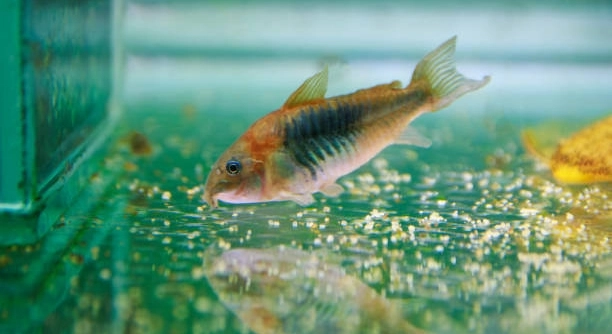
If you own Corydoras catfish, you may have noticed them resting more often. These little creatures are usually active and playful, but there could be a few reasons behind their more sedentary behavior.
Corydoras catfish may rest more often due to factors such as water quality, stress, temperature fluctuations, or overfeeding. It is essential to monitor their environment and diet to ensure they are comfortable and healthy, as these factors can significantly impact their activity levels.
Taking a closer look at your fish tank setup and their daily routine will help you identify what might be causing them to rest more. Understanding their needs ensures your Corydoras catfish remain happy and healthy.
Water Quality and Its Impact on Corydoras Catfish Activity
Corydoras catfish are very sensitive to water quality. Poor water conditions can make them feel stressed, leading them to rest more often. Ammonia, nitrite, and nitrate levels can build up if the tank is not properly maintained. Even a slight increase in these toxins can cause discomfort and reduce your catfish’s activity levels. To avoid this, regular water changes and proper filtration are essential. If you notice your fish resting more than usual, check the water parameters. Ensuring the water is clean and balanced will help your Corydoras thrive and remain active.
Test your tank water regularly to monitor any sudden changes in chemistry. If levels are off, use a water conditioner or do a partial water change to improve the situation. Corydoras also prefer slightly acidic to neutral water, so maintaining this range will keep them healthy.
In addition to water changes, ensure that the tank has proper filtration. A reliable filter will help maintain water quality and remove excess waste. If the filter is too weak, it can lead to toxins building up faster, further stressing the fish. As these catfish are bottom dwellers, they may also rest more if there is too much debris settling in the substrate. Vacuum the gravel regularly to remove uneaten food and waste that may affect water quality.
Stress Can Lead to Resting
Stress is another factor that can cause Corydoras catfish to rest more frequently. Common stressors include aggressive tankmates or sudden changes in the environment. Corydoras are peaceful fish and do not handle high-stress levels well. Keeping them with compatible species will help them feel secure.
Ensure that your tank environment is stable, with consistent lighting and minimal noise or movement around it. Even subtle disturbances can stress out these fish, causing them to retreat to calmer areas. When they feel safe, their activity levels will improve.
Temperature Fluctuations Can Cause Resting
Corydoras catfish are sensitive to temperature changes. Sudden drops or increases in water temperature can cause stress and lead to more resting. They prefer temperatures between 72-78°F (22-26°C). If the water is too cold or too hot, they may retreat to cooler or warmer areas of the tank to regulate their bodies.
To avoid temperature fluctuations, use a reliable aquarium heater and thermometer. Check the temperature regularly, especially during changes in seasons or room temperature. A stable, comfortable environment will help your Corydoras catfish remain active and healthy. Consider investing in a heater with an automatic shut-off to prevent overheating, which can also cause stress.
It’s important to avoid placing the tank near direct sunlight or drafts, as this can lead to temperature swings. Keep the tank away from windows or vents that might alter the water temperature throughout the day. Maintaining a consistent, comfortable environment is essential to ensuring your catfish stay active and content.
Overfeeding Can Lead to Inactivity
Overfeeding is a common issue that can make Corydoras catfish more sedentary. When fed too much, leftover food builds up, creating poor water quality and leading to a sluggish response from your fish. Excess food also contributes to fat accumulation, which can cause lethargy.
To prevent this, feed your Corydoras small amounts of food that they can consume within a few minutes. A good rule is to feed them once or twice a day, offering only enough for them to eat quickly. Overfeeding can lead to digestive issues, further affecting their energy levels and activity.
Consider using a feeding ring to limit the spread of uneaten food, making it easier to remove. This helps maintain water quality and prevents uneaten food from sinking into the substrate, which could lead to bacterial growth. By managing the amount of food, your Corydoras catfish will be healthier and more active in their tank.
Tank Size and Space
If your tank is too small, Corydoras catfish may not have enough space to swim around. A cramped environment can make them feel stressed and lead to more resting. Ensure your tank is large enough for your fish to move freely and explore their surroundings.
Providing ample space helps reduce stress and supports healthy activity levels. A tank that is at least 20 gallons is recommended for a small group of Corydoras. The more space they have, the more comfortable they will feel, resulting in less resting and more swimming.
Poor Tank Conditions
Inadequate tank conditions, such as dirty substrate or a lack of hiding places, can contribute to your Corydoras resting more often. These fish enjoy being in a tank that mimics their natural environment.
Adding hiding spots like caves or plants can help your catfish feel secure and less stressed. Corydoras are bottom dwellers, so a tank with a soft substrate is crucial for their comfort. Ensure your tank has enough decorations and cover to give them space to retreat if needed, while also allowing for room to swim.
Illness or Injury
Corydoras catfish may rest more often if they are ill or injured. Look for signs such as abnormal swimming patterns or visible injuries. If your catfish are not as active as usual, it might indicate that something is wrong.
If you suspect illness or injury, quarantine the affected fish in a separate tank to avoid spreading any potential diseases. It’s also essential to address any underlying tank issues, such as water quality, to prevent further stress. Getting the right treatment quickly can help restore their health and activity.
FAQ
Why is my Corydoras catfish always hiding?
Corydoras catfish are naturally shy, especially in new environments or when stressed. If your catfish is always hiding, it might be feeling insecure or uncomfortable. Check the water quality, ensure the tank is not overcrowded, and provide plenty of hiding spots. Also, make sure there are no aggressive tankmates, as they can cause your Corydoras to retreat more often. Once they feel safe, they will start to explore and swim around more.
How often should I feed my Corydoras catfish?
Feed your Corydoras catfish once or twice a day, providing only as much food as they can consume within a few minutes. Overfeeding can lead to water quality problems and excess fat, making your catfish more lethargic. If you’re unsure how much to feed, it’s better to err on the side of caution and give smaller portions.
What is the ideal tank size for Corydoras catfish?
Corydoras catfish need a minimum of a 20-gallon tank for a small group. Larger tanks are always better, as they give the fish more space to swim and explore. A bigger tank helps reduce stress, as the fish can find their own space and feel more comfortable. Providing enough space ensures they remain healthy and active.
Can temperature changes affect Corydoras activity?
Yes, Corydoras catfish are very sensitive to temperature fluctuations. Rapid temperature changes can cause stress and make your catfish more sedentary. The ideal temperature range for Corydoras is 72-78°F (22-26°C). Use a reliable heater and thermometer to maintain a consistent temperature, as too hot or cold water can make your catfish rest more than usual.
What do I do if my Corydoras is not eating?
If your Corydoras catfish isn’t eating, check the water parameters first. Poor water quality or changes in tank conditions can cause a loss of appetite. If the water is fine, ensure the food is appropriate for their diet. Corydoras prefer sinking pellets, live food, or frozen options. If the issue persists, there could be an underlying health problem that needs attention.
How do I keep my Corydoras catfish active?
To keep your Corydoras catfish active, focus on maintaining optimal tank conditions. Ensure the water quality is good, and the temperature is stable. Also, avoid overfeeding and provide a varied diet. Offer enough space in the tank for swimming and add hiding spots to help them feel secure. Regular tank maintenance, including water changes and substrate cleaning, will help prevent inactivity caused by poor conditions.
Can Corydoras catfish live with other fish?
Corydoras catfish are peaceful bottom-dwellers and do well with other non-aggressive species. Avoid keeping them with fish that might bully or chase them. Suitable tankmates include small peaceful species like tetras, guppies, or other Corydoras. Make sure your tank has plenty of hiding spots to give your Corydoras a place to retreat if needed.
Do Corydoras catfish need a filter?
Yes, Corydoras catfish need a filter to maintain clean water. They are sensitive to poor water quality, and a filter helps keep the tank free from waste and excess food. A gentle filter is best, as Corydoras prefer calm waters. Make sure the filter doesn’t create strong currents, as this can make the fish uncomfortable.
How can I tell if my Corydoras catfish is stressed?
Signs of stress in Corydoras include hiding more often, erratic swimming, and less activity than usual. They may also become more skittish or start rubbing against objects. Stress can be caused by poor water quality, temperature fluctuations, or tankmates that are too aggressive. Addressing these issues can help reduce stress and restore normal behavior.
Why do Corydoras catfish have whiskers?
Corydoras catfish have whiskers, also known as barbels, to help them detect food and navigate in the substrate. These barbels are sensitive and allow the fish to search for food on the bottom of the tank, even in low-light conditions. The barbels are essential for their survival, as they help the fish find food and avoid predators.
Can Corydoras catfish live in brackish water?
Corydoras catfish are freshwater fish and should not be kept in brackish water. They thrive in soft, slightly acidic to neutral water. Keeping them in brackish conditions can stress them out and affect their health. If you want to create a brackish tank, it’s best to choose species that are suited to that environment.
Final Thoughts
Corydoras catfish are peaceful, active fish that add charm to any aquarium. However, if you notice your Corydoras resting more often, it could be a sign that something isn’t quite right. Several factors, including water quality, temperature fluctuations, overfeeding, or tank size, can affect their activity levels. Understanding these issues and addressing them quickly will help keep your fish healthy and active. Regular maintenance of the tank, monitoring water conditions, and ensuring proper feeding practices are essential in maintaining a happy environment for your Corydoras.
It’s important to remember that Corydoras are bottom-dwelling fish that prefer calm, stable conditions. A tank that is too small or doesn’t have enough hiding spots can cause stress, leading them to rest more than usual. Providing a comfortable environment with plenty of space and decorations will help your Corydoras feel secure and encourage them to be more active. Additionally, maintaining a consistent water temperature and performing regular water changes will help prevent any issues that could cause them to become lethargic.
Overall, keeping Corydoras catfish is a rewarding experience when you ensure they are cared for properly. Paying attention to their behavior and tank conditions can help you identify any issues early and take the necessary steps to address them. By creating a suitable, stress-free environment and keeping up with regular tank care, your Corydoras will thrive and remain active, contributing to the overall health and beauty of your aquarium.

Hello,
If you enjoy the content that we create, please consider saying a "Thank You!" by leaving a tip.
Every little bit helps us continue crafting quality advice that supports the health, happiness, and well-being of pets around the world, for pets of all shapes, sizes, and species.
We really appreciate the kindness and support that you show us!