
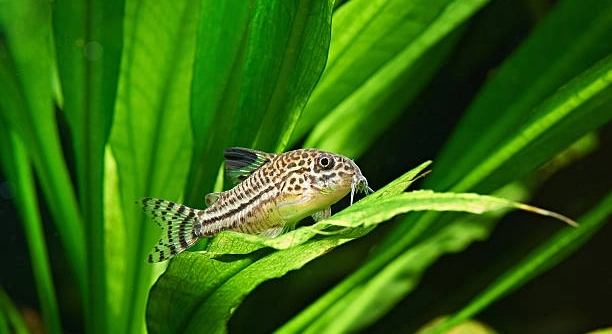
Is your Corydoras catfish spending more time near the water surface, leaving you unsure if something might be wrong?
Corydoras catfish often stay near the surface due to low oxygen levels, water quality issues, or stress. Other possible reasons include illness, overcrowding, poor tank setup, or feeding behavior. Each factor should be assessed carefully.
Understanding these potential causes can help you improve your catfish’s environment and ensure a healthier, more comfortable space for them.
Low Oxygen Levels in the Tank
Corydoras catfish are sensitive to changes in oxygen levels. When the water lacks enough oxygen, they may head to the surface more frequently to gulp air. This behavior is a natural response, as Corydoras have a specialized intestinal breathing system that allows them to absorb oxygen from the air. However, if it becomes a regular habit, it can signal poor tank conditions. You might notice other fish showing similar signs of distress. Warm water holds less oxygen, and overstocked tanks or blocked filters can make the issue worse. Using an air stone, increasing surface agitation, and lowering the water temperature slightly can help improve oxygen levels. It’s also useful to check for any buildup of waste or algae, which can reduce water quality and impact oxygen availability. Addressing this quickly can prevent more serious health problems and help your fish return to their usual behavior near the bottom of the tank.
Oxygen levels drop more often in tanks with too many fish, not enough surface movement, or high temperatures.
Make sure your tank has enough water circulation and avoid overfeeding. Clean filters regularly, and consider adding live plants that support better oxygen levels. Even small adjustments can make a big difference in your tank’s stability.
Poor Water Quality
Poor water quality can cause Corydoras catfish to stay near the surface for longer than usual, searching for more suitable conditions. Ammonia spikes, high nitrite levels, or a drop in pH can all stress the fish. These changes might not always be visible, but they can quickly lead to illness or behavioral changes. A clean, balanced environment is key. Regular testing helps track changes before they become serious. If you notice cloudy water, strange smells, or sluggish behavior in your fish, it’s likely time to take action. Perform partial water changes weekly and vacuum the substrate to remove waste buildup. Clean any uneaten food, and rinse filter media in tank water to preserve beneficial bacteria. Sudden water changes or over-cleaning can also create stress, so always adjust things gradually. Staying consistent with care keeps your tank stable and helps your Corydoras stay happy, active, and closer to their preferred space near the bottom.
Stress from Tank Mates or Environment
Corydoras catfish can become stressed if tank mates are too aggressive or overly active. Bright lighting, loud noises, or constant disturbances near the tank may also cause them to stay near the surface more often than usual.
Stress makes fish act differently, and in Corydoras, that can mean avoiding the bottom. If larger or faster fish are bothering them, or if the tank is overcrowded, they’ll naturally look for a calmer space. Staying near the surface might feel safer to them. You can reduce stress by rearranging the tank to create hiding spots with plants or decorations. Floating plants help soften lighting, which often calms these shy fish. It’s also good to check that your fish are not being chased or nipped at during feeding time. If needed, consider moving aggressive tank mates to another tank or increasing tank size to give everyone more space.
Always research compatibility before adding new fish to a community tank. Corydoras do best with peaceful species like small tetras or rasboras. Avoid housing them with aggressive cichlids or large, territorial fish. Environmental stress can be lowered by maintaining a regular light cycle, reducing sudden movements near the tank, and providing consistent care. Calmer surroundings lead to healthier behavior patterns.
Illness or Infection
When Corydoras catfish feel unwell, they often avoid their usual behavior and may stay near the surface. Labored breathing, clamped fins, or loss of appetite are common warning signs that something is wrong.
Illness can come from various sources, such as poor water conditions, parasites, or bacterial infections. If your catfish starts acting strange, check for visible symptoms like white spots, red patches, or bloating. It’s important to isolate sick fish to prevent issues from spreading. Using a quarantine tank allows treatment without affecting the rest of the aquarium. Medications should be chosen based on clear signs, not guesses. Infections can worsen quickly if ignored, so early action is important. Avoid overmedicating and always follow directions carefully. Keeping stress low helps the fish recover faster, so try not to change too many things at once. Clean water, proper nutrition, and steady conditions are the best support during treatment.
Overcrowding in the Aquarium
An overcrowded tank can lead to competition for space, oxygen, and food. This puts stress on your Corydoras, causing them to seek calmer areas, often near the surface, where there’s less activity and more room to breathe.
Too many fish also lead to more waste, which affects water quality. Frequent cleaning and regular water tests become more important in a packed tank. Keeping stocking levels within safe limits helps avoid these issues and keeps your Corydoras comfortable.
Feeding Behavior and Surface Activity
Corydoras sometimes visit the surface during feeding time, especially if food floats or spreads out unevenly. They may also be reacting to food scents in the upper water column. While they are bottom feeders, they adapt their behavior based on how food is offered. Over time, this can become a habit. Floating foods or poor distribution can change how they interact with the tank space. To avoid confusion, offer sinking pellets that reach the substrate quickly. This encourages natural foraging behavior and keeps your Corydoras near the bottom, where they feel most secure. A feeding routine that suits their habits supports healthier patterns.
Lack of Hiding Spots
Corydoras feel safer when they have plenty of places to hide. Without caves, plants, or shaded areas, they may stay near the surface to avoid open spaces that make them feel exposed.
FAQ
Why is my Corydoras gasping at the surface?
Corydoras gasping at the surface may be reacting to low oxygen levels in the tank. While they do occasionally breathe air from the surface naturally, constant gasping is not normal. Poor aeration, high temperatures, or ammonia spikes can reduce oxygen levels. Check your filter and make sure it’s creating enough surface movement. You might need to add an air stone or increase water agitation. Make sure your water is clean and test for ammonia, nitrite, and nitrate. Also, avoid overstocking, as more fish consume more oxygen. When levels are balanced, your Corydoras should return to normal behavior.
Is it normal for Corydoras to swim to the surface?
Yes, Corydoras catfish have a specialized gut that allows them to breathe atmospheric air. It’s normal to see them dart to the surface for a quick breath every now and then. However, it should be occasional. If it becomes frequent, it could mean the water has low oxygen or something is stressing them. Always check your water conditions and make sure the tank is properly filtered and not overcrowded. A healthy Corydoras will still spend most of its time exploring the bottom of the tank and only go up briefly.
Can high water temperature affect Corydoras behavior?
Yes, high water temperatures reduce oxygen levels in the tank, which affects how your Corydoras behave. Warm water holds less oxygen, and that can cause them to swim near the surface more often to breathe. Corydoras do best in water temperatures between 72°F and 78°F (22°C–26°C). When it gets too warm, they may also become lethargic or stressed. To manage the temperature, avoid placing the tank in direct sunlight or near heat sources. Use a reliable aquarium thermometer to monitor changes. If needed, use a fan or chiller to cool the tank gradually.
Do Corydoras sleep at the surface?
No, Corydoras do not usually sleep at the surface. They tend to rest near the bottom of the tank, often hiding among plants or inside decorations. If your catfish is floating near the top and appears motionless for long periods, it may not be sleeping—it might be sick or reacting to poor water conditions. Always observe other signs, such as labored breathing or clamped fins. It’s helpful to test your water and look for sudden changes in ammonia, nitrite, or pH. Healthy Corydoras show relaxed, subtle movements even when resting.
How do I know if my Corydoras is sick?
Watch for changes in behavior like loss of appetite, unusual swimming patterns, or staying in one spot for too long. Visible signs like red gills, bloating, white patches, or frayed fins are also common indicators. Staying near the surface for extended periods is another sign something may be wrong. To help them recover, isolate the fish if needed and treat it with the right medication. Keep the tank clean and stable. Early action makes a big difference in how well they bounce back.
Can strong water current push Corydoras to the surface?
Yes, if your filter creates too much current, especially near the bottom, your Corydoras may avoid that area. While they are active fish, they prefer gentle flows. A strong current can make it hard for them to rest or search for food, so they may move toward the surface or hang around quieter corners. You can reduce the current by adjusting the filter output or adding plants or decorations to block some of the flow. This creates a more comfortable space for them to swim and explore naturally.
Should I be worried if only one Corydoras stays near the surface?
If it’s just one fish acting differently, keep an eye on it. It may be sick, injured, or stressed. Corydoras are social fish, and they usually move in small groups. When one separates itself or avoids the group, it’s often a sign that something’s wrong. Check for any visible signs of illness and monitor the water quality. If necessary, place the fish in a separate tank for observation. Meanwhile, watch the rest of the group to make sure the behavior isn’t spreading.
How often should Corydoras go to the surface?
Healthy Corydoras might swim to the surface a few times a day for a quick gulp of air. This is part of their natural behavior. However, if they’re going up repeatedly in a short period, something is off. It could mean low oxygen, stress, or irritation from poor water conditions. Make sure your tank is properly maintained, has stable temperature, and isn’t overcrowded. A well-aerated tank with clean water keeps this behavior to a minimum and ensures they feel safe enough to stay near the bottom.
Final Thoughts
When a Corydoras catfish spends a lot of time near the water surface, it usually means something isn’t quite right in the tank. While occasional surface trips are part of their normal behavior, frequent or prolonged surface activity often signals low oxygen, stress, or poor water conditions. These small catfish are sensitive to changes in their environment. Even small issues—like a dirty filter, strong current, or a sudden temperature rise—can cause noticeable shifts in their behavior. It’s important to understand these signs early and take action before things get worse.
Making small adjustments can lead to big improvements. Start by checking the basics: water quality, temperature, and oxygen levels. If the water is clean and the tank is well-aerated, the Corydoras should spend most of their time at the bottom where they feel comfortable. Also, look at your tank setup. Adding hiding spots, using the right substrate, and keeping the current gentle can all support healthier and more natural behavior. These fish also need companionship, so keeping them in a group helps reduce stress. Each step you take brings them closer to their natural, relaxed habits.
Understanding why your Corydoras is acting differently helps you care for them better. When you spot problems early, you can fix them before they become serious. Whether it’s improving your filter, adding plants, or just watching how often they eat, every little change adds up. Being observant and consistent makes a big difference. With the right care, these peaceful bottom dwellers will thrive in your aquarium. They’ll explore, sift through the substrate, and swim alongside their group—just as they should.

Hello,
If you enjoy the content that we create, please consider saying a "Thank You!" by leaving a tip.
Every little bit helps us continue crafting quality advice that supports the health, happiness, and well-being of pets around the world, for pets of all shapes, sizes, and species.
We really appreciate the kindness and support that you show us!