
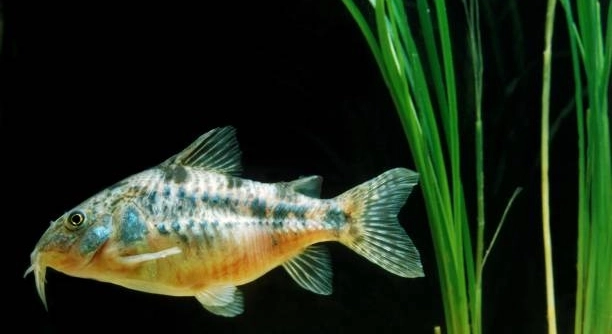
Corydoras catfish are popular aquarium fish, known for their peaceful nature. However, changes in their environment, such as new tank decorations, can sometimes cause unexpected reactions. These reactions may be a sign of stress or discomfort.
Several factors may influence how Corydoras catfish react to new tank decorations. Changes in water quality, sharp edges on decorations, or changes in the fish’s familiar surroundings can cause confusion or stress, leading to unusual behavior or hiding.
Understanding how your Corydoras catfish reacts to new tank additions is essential for maintaining their well-being. This article explores the reasons behind such behavior and how to create a comfortable environment for your fish.
Water Quality Changes
When new decorations are added to the tank, they can affect the water quality. For instance, some materials may release chemicals or residues that alter the pH or hardness of the water. This can cause your Corydoras catfish to react differently, often becoming stressed or withdrawn. Fish that are sensitive to water changes may start hiding more, especially if the environment feels unfamiliar or unsafe.
Even minor fluctuations in water quality can lead to unexpected behavior. It’s important to ensure that any new decorations are cleaned thoroughly before placing them in the tank. Additionally, test the water regularly to make sure it remains within optimal levels for your fish.
If the decorations have a significant impact on the water, consider doing a water change to restore balance. Doing so will help reduce stress and give your fish the chance to adjust to the new surroundings more easily. Monitoring the water quality closely ensures a healthy environment for your Corydoras catfish.
Sharp Edges on Decorations
Sharp edges on new tank decorations may cause physical discomfort to your Corydoras catfish. These fish like to burrow and scrape along the bottom of the tank, which can be risky if the decorations have rough surfaces. They might cut themselves or feel threatened by their proximity.
To avoid harm, inspect all decorations before adding them to your tank. Choose smooth, rounded pieces and avoid decorations with jagged edges that could injure your fish. If you already have decorations with sharp edges, consider replacing or modifying them to make the tank safer for your fish.
Change in Tank Layout
A new tank layout can throw off your Corydoras catfish. They are creatures of habit and may feel unsettled by changes in their environment. The familiar structure of the tank helps them navigate and feel secure, so rearranging decorations or adding new ones can disrupt their routine.
Fish are territorial and have learned patterns in their environment. When a decoration is moved or a new one is introduced, it can alter the spaces they are comfortable in. They may respond by hiding or becoming more cautious. It’s important to introduce changes gradually, allowing them time to adjust.
If the tank layout causes too much stress, consider removing or rearranging decorations again, even if only slightly. Fish often take time to adjust, but ensuring that they still have hiding spots and familiar places to explore will help them settle into the new arrangement. Being patient and understanding of their needs will create a peaceful environment.
Lighting and Shadows
Strong lighting can cause Corydoras catfish to feel exposed. These fish prefer dim lighting and hiding in shaded areas, and bright lights can be overwhelming. If new decorations introduce areas of intense lighting or cast large shadows, it may trigger stress.
The solution lies in adjusting the lighting or creating more shaded areas within the tank. Use plants, rocks, or decorations to block direct light and provide hiding spots. Your Corydoras catfish will appreciate the calmness of shaded spaces where they feel more secure. The added benefit is that creating a balanced environment with proper lighting enhances the overall aesthetic of the tank, too.
Adjusting the light also helps maintain a more natural setting. Corydoras catfish, like many other species, thrive in a dim environment, which mimics their natural habitat. A gentle light and a few shaded hiding spaces will help your fish feel at ease.
Stress from Excessive Movement
New decorations might cause changes in water flow. If decorations alter the current in the tank, your Corydoras catfish may find it difficult to navigate. Fish are sensitive to water movement and may react negatively to stronger currents.
If you notice your Corydoras struggling with movement, check the water flow and adjust filters or pumps as needed. A more gentle current may help them feel comfortable and reduce stress. Corydoras prefer calmer waters, which allow them to swim and explore without feeling overwhelmed.
Overcrowded Tank
Adding too many decorations to a tank can lead to overcrowding, which limits the space available for your Corydoras catfish. These fish need room to swim and hide, and a cramped tank can cause stress.
A crowded environment makes it harder for your fish to establish territories and can lead to conflict. Reducing the number of decorations or rearranging them to create more open space will help ensure your Corydoras have the freedom to move. A spacious tank promotes healthier and more active fish.
Temperature Fluctuations
New decorations can sometimes affect the tank’s temperature, especially if they are made of materials that retain heat or cool down rapidly. Corydoras catfish are sensitive to temperature changes and might react by staying hidden or becoming lethargic.
Check the water temperature regularly after introducing new decorations. Ensure it remains consistent and within the optimal range for your fish. A stable, warm environment will help your Corydoras feel at ease and prevent unnecessary stress from temperature fluctuations.
FAQ
What are the signs that my Corydoras catfish are stressed by new decorations?
When Corydoras catfish are stressed, they may exhibit behaviors such as hiding more often, swimming erratically, or staying in one spot for extended periods. They might also show a lack of interest in food or become more reclusive, seeking out darker areas in the tank. Changes in their usual behavior, like staying at the bottom and avoiding movement, can indicate discomfort due to new decorations.
How can I prevent stress when adding new decorations to my tank?
To minimize stress, introduce new decorations gradually. Avoid sudden, drastic changes to the tank’s layout. It’s also helpful to clean decorations thoroughly before adding them, as any residues or chemicals could affect the water quality and stress your fish. Test the water after adding decorations to ensure the environment remains stable.
Can new tank decorations affect water quality?
Yes, certain materials used in decorations can alter the water quality. Some may leach chemicals or residues into the water, causing changes in pH, hardness, or other parameters. This can lead to an environment that’s less than ideal for your Corydoras catfish. Always rinse decorations properly and monitor water quality closely after introducing them.
Should I rearrange my Corydoras’ tank frequently?
Frequent rearranging of the tank can stress your Corydoras catfish. While they may adapt to occasional changes, constant disruption of their familiar environment can cause anxiety. It’s better to limit rearrangements to necessary changes and provide your fish with a stable environment where they feel safe.
What kind of decorations are best for Corydoras catfish?
Corydoras catfish thrive in tanks that mimic their natural habitat. Opt for smooth, non-toxic materials like fine gravel, plants, and natural-looking decorations. Avoid sharp-edged decorations that can injure the fish. Hiding places, like caves or plant-covered areas, will give them a sense of security and help them feel at ease.
Can Corydoras catfish become aggressive if they don’t like new decorations?
Typically, Corydoras are peaceful fish. They may become reclusive or stressed when exposed to changes they don’t enjoy, but they are unlikely to show aggression. If your Corydoras are being aggressive, the stress could be from overcrowding or other environmental factors, rather than the decorations themselves.
How can I tell if my Corydoras are happy with their new environment?
A happy Corydoras catfish will swim actively, explore their surroundings, and engage with the environment. They’ll also interact with tank mates peacefully and show interest in food. If they are consistently swimming around the tank, interacting with plants, or foraging, they are likely content in their environment.
What should I do if my Corydoras catfish are not eating after adding new decorations?
If your Corydoras are not eating, it may indicate stress or discomfort. Check the water parameters to ensure everything is within an acceptable range. Also, look for any signs of injury or irritation that could be caused by sharp decorations. It may take some time for them to adjust, but consistent monitoring and adjustments will help them feel comfortable.
How long does it take for Corydoras to adjust to new decorations?
The time it takes for Corydoras to adjust varies depending on the severity of the change. Some fish may adapt within a few days, while others may take longer. It’s essential to give them time and avoid further disruptions during this period. Keeping the environment stable and quiet will help them adjust more quickly.
Are there specific types of plants or decorations that I should avoid in my Corydoras tank?
Avoid sharp, rough, or chemically treated decorations. Corydoras catfish are sensitive to their environment, and rough materials may harm them. Certain artificial plants can have sharp edges or be coated in chemicals, which could affect the fish. Stick to soft, natural-looking items, like silk plants and smooth rocks, to ensure their safety and comfort.
Is it necessary to add decorations for my Corydoras catfish to feel comfortable?
While Corydoras catfish don’t require elaborate decorations, providing a few hiding spots, plants, or structures that mimic their natural environment can help them feel secure. Decorations that create sheltered areas are especially beneficial for reducing stress. However, ensure the tank isn’t overcrowded, as too many decorations can limit swimming space and cause more stress.
What temperature is best for Corydoras catfish after introducing new decorations?
Corydoras catfish prefer water temperatures between 72°F and 78°F (22°C to 25.5°C). Ensure the temperature remains stable after introducing new decorations. Avoid drastic temperature changes, as they can increase stress and harm your fish. A consistent, moderate temperature will allow them to adjust to the new environment more easily.
How can I help my Corydoras catfish feel secure after adding new tank decorations?
To help your Corydoras feel secure, provide them with areas where they can hide, such as caves or dense plant cover. A stable, low-stress environment is key, so avoid overdecorating or introducing changes too quickly. Keep the tank well-maintained, and monitor your fish closely for signs of distress.
Final Thoughts
Changing your tank’s layout or adding new decorations can be exciting, but it’s important to consider how these changes affect your Corydoras catfish. These fish are peaceful, sensitive, and like a stable environment. Sudden changes in their surroundings can stress them out, especially if they lose familiar hiding places or feel unsafe in open areas. Even decorations that seem harmless might affect water quality or create spaces that aren’t safe for bottom dwellers like Corydoras. That’s why each new addition or adjustment should be done with care. Observing your fish during and after changes will help you know if they’re comfortable or if something needs to be fixed.
Sometimes the smallest things can cause the biggest reactions in fish. A new rock with sharp edges, a brightly colored plastic plant, or even a rearranged hiding spot might cause stress. But it works both ways—small changes like adding a smooth cave or some soft plants can help them feel more at ease. Corydoras catfish enjoy exploring, especially in environments that feel natural. Soft lighting, sand or smooth gravel, and low decorations with hiding spaces usually help them feel safe. If they’re swimming calmly, foraging at the bottom, and not hiding all the time, they’re probably feeling okay.
Patience is key. If you’re adjusting your tank or adding new elements, give your Corydoras time to adapt. Don’t change too much at once. Keep the water clean and consistent, and make sure the tank stays calm. Try to avoid handling them or moving things around again right away. The more stable the environment is, the better they’ll respond. In time, they’ll start to explore new decorations and may even use them as resting or hiding spots. Watching them slowly adjust is a good sign that you’ve created a space they can be comfortable in. Keeping things simple, safe, and calm usually leads to the best results.

Hello,
If you enjoy the content that we create, please consider saying a "Thank You!" by leaving a tip.
Every little bit helps us continue crafting quality advice that supports the health, happiness, and well-being of pets around the world, for pets of all shapes, sizes, and species.
We really appreciate the kindness and support that you show us!