
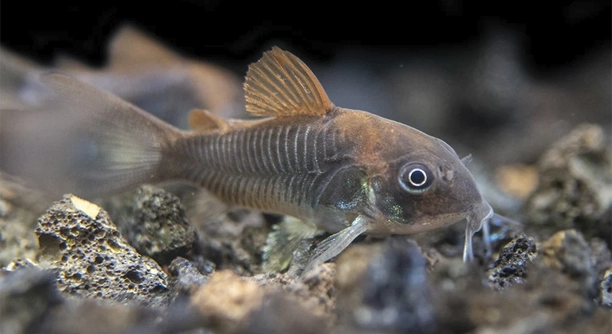
Do you ever find yourself watching your Corydoras catfish constantly brush against the substrate and wonder what it could mean?
The most common reason Corydoras catfish brush against the substrate is natural behavior linked to foraging and exploration. However, other factors like poor water quality, irritation, or illness may also contribute to this repetitive movement.
By understanding these possible causes, you can help your Corydoras stay healthy, happy, and more comfortable in its aquatic environment.
Natural Foraging Behavior
Corydoras catfish often brush against the substrate as a natural behavior linked to their feeding habits. These fish are bottom dwellers and use their sensitive barbels to search for food hidden in the gravel or sand. Brushing or nuzzling against the substrate helps them locate small particles like leftover flakes, pellets, or microorganisms. It’s a behavior that usually indicates they are comfortable and doing what comes naturally. If your Corydoras are active and appear healthy otherwise, there’s often no cause for concern. Just make sure the substrate is smooth and clean, as rough gravel or buildup of debris can harm their delicate barbels over time. A soft sand base is ideal for them. Maintaining this type of substrate supports their instincts while keeping them safe from injury. When this behavior is paired with normal swimming and eating patterns, it’s often just a sign your Corydoras are exploring and thriving.
This foraging is a good sign and helps them stay mentally stimulated and physically active.
Still, it’s important to observe them closely and spot any changes that might suggest something more serious than routine scavenging.
Signs of Stress or Irritation
Brushing against the substrate can also signal irritation or stress in your Corydoras catfish.
Water quality is often the main factor behind stress-related behaviors. High levels of ammonia, nitrites, or nitrates can irritate their skin and gills, prompting them to rub themselves against the substrate for relief. This behavior might be more frequent or appear frantic, especially if combined with rapid breathing, clamped fins, or loss of appetite. Dirty substrate and poor filtration can quickly affect tank conditions, so regular water testing and partial changes are essential. Additionally, using untreated tap water or fluctuating pH levels can irritate your fish. Another possible cause is external parasites like flukes or ich, which can cause itching. In these cases, rubbing becomes an attempt to scratch the discomfort away. Keeping an eye out for visible spots, redness, or swelling will help you act early. If your fish starts brushing more than usual, it’s time to look into the tank’s environment and consider potential sources of discomfort.
Skin Infections and Parasites
Skin infections or parasites can lead to constant rubbing against the substrate. This is often a way for the fish to relieve discomfort caused by irritation, itching, or inflammation that isn’t visible right away.
If your Corydoras has started brushing more than usual and you’ve ruled out water quality, it’s possible they’re dealing with a skin issue. Bacterial infections, fungal growth, and parasites like ich or flukes can cause noticeable irritation. Symptoms may include white spots, cloudy patches, redness, or visible swelling. These issues often arise when fish are stressed or exposed to poor tank conditions. Treatment usually includes quarantining the affected fish and using medication suited for the specific issue. Keeping the tank clean, avoiding overcrowding, and not overfeeding are also important steps in preventing outbreaks. A healthy diet and regular water testing help reduce the risk of infections returning.
Even if symptoms are mild at first, early treatment makes a difference. When ignored, skin problems can spread quickly or weaken the fish.
Barbel Damage from Rough Substrate
Barbels are the small whisker-like structures Corydoras use to navigate and find food. If the substrate is too rough or sharp, it can damage their barbels and cause them to rub more often in irritation.
Gravel with rough edges or large, uneven stones can wear down or even injure the sensitive barbels. This not only leads to rubbing behavior but can also affect how your Corydoras eats and interacts with the environment. When barbels become damaged, they can develop infections or stop growing back properly. Over time, this reduces the fish’s ability to forage naturally and comfortably. Choosing soft sand or fine, smooth gravel is a safer option. It allows your Corydoras to dig and explore without risk. A proper substrate is just as important as clean water or the right diet. Keeping the tank bottom free of sharp objects or buildup also prevents long-term damage.
Territorial Behavior and Overcrowding
When Corydoras are kept in cramped conditions, they may display unusual behaviors like brushing against the substrate more frequently. Too many tank mates can lead to stress, causing them to act out in subtle ways that signal discomfort or tension.
Providing enough space and hiding spots helps reduce this stress. A group of six or more Corydoras in a well-sized tank with minimal disruption tends to behave more calmly. Without proper room to explore and rest, they may become agitated and more prone to repeated movements like rubbing or darting.
Adjusting to New Surroundings
Newly added Corydoras often show more brushing behavior while adjusting to unfamiliar surroundings. This is common in the first few days after moving to a new tank. During this time, they explore the environment and react to new substrate textures, lighting, and tankmates. The behavior usually fades once they feel secure.
Playing in the Sand
Corydoras sometimes brush the substrate simply for fun. They enjoy sifting through sand, stirring it up, and playing.
FAQ
Why is my Corydoras rubbing against the substrate?
Rubbing against the substrate is often a natural behavior for Corydoras catfish. They use their sensitive barbels to search for food and explore their environment. However, if the behavior increases suddenly or seems more frantic, it could indicate stress, irritation, or an underlying health issue like parasites, skin infections, or poor water quality. In some cases, it’s just part of their routine foraging behavior. It’s important to observe their overall health and behavior for any additional signs of discomfort or illness.
How do I know if my Corydoras is stressed?
Stress in Corydoras can be identified by several signs beyond just rubbing against the substrate. If the fish are constantly hiding, darting around the tank, or swimming erratically, they may be stressed. You might also notice signs like rapid gill movement, clamped fins, or a decrease in appetite. Stress is often caused by poor water conditions, overcrowding, or an improper tank setup. Regular water testing, providing hiding spots, and keeping a proper tank size can help reduce stress.
What substrate is best for Corydoras?
Corydoras catfish are bottom-dwellers, and the substrate in your tank should cater to their natural behaviors. Soft sand is the best option for them, as it prevents injury to their delicate barbels. Avoid sharp gravel or large stones, as they can cause abrasions and infections. Fine gravel can be a compromise, but it should still be smooth to prevent damage. The substrate should also be easy to clean to avoid the buildup of harmful waste products.
Can Corydoras catfish develop skin infections?
Yes, Corydoras can develop skin infections, which might cause them to rub against the substrate. Bacterial or fungal infections, as well as parasites like ich or flukes, can irritate their skin and lead to scratching behavior. Infected fish may show signs such as redness, swelling, or white spots on their body. If you notice any of these symptoms, it’s best to quarantine the affected fish and treat them with the appropriate medication. Good water quality and tank hygiene can help prevent skin infections.
How do I treat a Corydoras with parasites?
If your Corydoras is showing signs of parasites, such as rubbing against the substrate, it’s important to act quickly. The first step is to remove the infected fish and place them in a quarantine tank to prevent the spread of parasites. Treatment will depend on the type of parasite. For example, ich can be treated with heat and over-the-counter medication, while flukes require specific anti-parasitic treatments. Always follow the instructions on the medication and maintain a clean tank environment to reduce the chance of re-infection.
Is it normal for Corydoras to rub their barbels on the substrate?
Yes, it’s completely normal for Corydoras to rub their barbels on the substrate while foraging. They use their barbels to sense food and feel around the tank floor. This behavior is an important part of their feeding process and doesn’t usually indicate any problems. As long as they’re not overdoing it and there are no signs of injury or illness, this behavior is natural.
Can poor water quality cause Corydoras to rub against the substrate?
Yes, poor water quality can stress Corydoras and cause them to exhibit unusual behavior, including rubbing against the substrate. Elevated levels of ammonia, nitrites, or nitrates in the water can irritate their skin and gills, leading to discomfort. It’s essential to regularly test the water and perform water changes to maintain a clean and healthy environment for your fish. Additionally, maintaining a proper filtration system and ensuring the tank is not overcrowded can help prevent water quality issues.
What are some signs that my Corydoras is uncomfortable in the tank?
Signs that your Corydoras may be uncomfortable include excessive rubbing against the substrate, erratic swimming, hiding for long periods, or not eating. Other signs to watch for include clamped fins, rapid gill movement, or unusual lethargy. These behaviors can indicate poor water quality, parasites, injury, or other health issues. Observing your fish closely and addressing any changes in behavior can help ensure their well-being.
Can Corydoras catfish get along with other fish?
Corydoras are generally peaceful and social fish that do well in community tanks. They tend to get along with most other non-aggressive species, especially other Corydoras. However, it’s important to avoid keeping them with overly aggressive or large fish that may stress them out. Also, ensuring there’s enough space for all tank inhabitants will prevent overcrowding, which can cause stress. Providing hiding spots and having a group of at least six Corydoras will help them feel more secure.
How often should I clean the substrate in my Corydoras tank?
You should clean the substrate in your Corydoras tank regularly, at least once a week. This will help remove any uneaten food, debris, and waste that can negatively affect water quality. A gravel vacuum is useful for cleaning the substrate without disturbing the fish too much. When cleaning, be gentle to avoid causing unnecessary stress to your Corydoras. Make sure to clean around their hiding spots and under plants to keep the tank environment healthy.
Can Corydoras live with shrimp or snails?
Yes, Corydoras can live with shrimp and snails in a well-maintained tank. They are peaceful creatures and usually won’t bother snails or shrimp. However, you should ensure that the tank is large enough to accommodate all species comfortably. Corydoras may occasionally disturb snails or shrimp while foraging, but this is typically harmless. Be mindful of water parameters and avoid keeping species that may compete for food or space.
Final Thoughts
Corydoras catfish are fascinating creatures, known for their peaceful nature and bottom-dwelling habits. If you notice them brushing against the substrate, it could simply be a natural behavior. They often rub their bodies along the tank floor as part of their foraging routine, using their barbels to search for food. In most cases, this behavior is harmless and a normal part of their exploration. However, if the rubbing seems excessive or is paired with other signs of distress, it’s essential to consider the environment they’re in. Poor water quality, stress, or underlying health issues can sometimes cause this behavior to become more frequent.
Ensuring the well-being of your Corydoras involves paying attention to their tank setup, water quality, and overall health. Providing a suitable substrate, such as soft sand, can help prevent physical injuries to their sensitive barbels. Regular water testing and maintenance are key to keeping the water parameters stable and preventing the onset of stress or illness. Corydoras are sensitive to poor water conditions, and even small changes can cause them to act differently. They are social fish, so keeping them in groups and offering plenty of hiding spaces will make them feel more secure. This leads to healthier and happier fish, reducing the chances of stress-related behaviors.
Lastly, while rubbing against the substrate is often harmless, it’s important to observe any changes in your fish’s behavior and act promptly if necessary. If they start rubbing excessively, displaying signs of illness, or showing any unusual symptoms, it’s worth investigating further. This could include treating for parasites, adjusting water conditions, or providing a more comfortable environment for them to thrive. By paying attention to these details, you’ll ensure that your Corydoras remain healthy, active, and content in their aquatic home.

Hello,
If you enjoy the content that we create, please consider saying a "Thank You!" by leaving a tip.
Every little bit helps us continue crafting quality advice that supports the health, happiness, and well-being of pets around the world, for pets of all shapes, sizes, and species.
We really appreciate the kindness and support that you show us!