
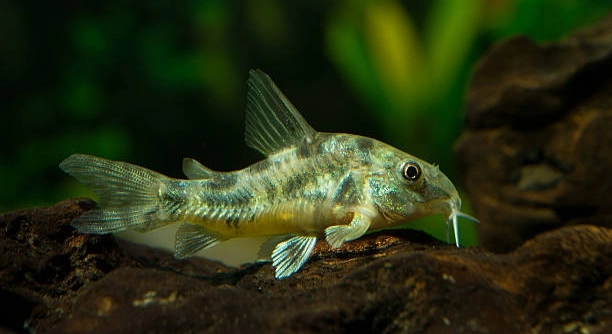
Corydoras catfish are popular aquarium fish known for their calm nature and playful antics. However, sudden changes in water parameters can affect them in various ways. Knowing how to identify these changes is crucial for their health.
Corydoras catfish may show signs of stress when water parameters change suddenly. These signs include erratic swimming, staying near the surface, or changes in behavior. Monitoring water quality is essential for maintaining a healthy environment.
Recognizing these clues early on can help prevent further stress and harm to your catfish. Let’s explore the signs to watch for to keep your Corydoras safe and thriving.
Understanding Water Parameter Changes and Their Impact
Water parameters like temperature, pH, hardness, and ammonia levels are vital for the well-being of Corydoras catfish. When any of these factors fluctuate too quickly, it can trigger stress or illness. For example, sudden changes in temperature might make the fish more sluggish or cause them to stay near the surface, gasping for air. If pH levels shift, the fish may appear disoriented or show signs of difficulty breathing. These changes may not always be obvious immediately, but over time, they can lead to more serious health issues.
Even small variations can impact your Corydoras, which is why regular water checks are so important. Keeping track of these parameters helps ensure your fish thrive and remain happy. Consistency in water conditions is key to avoiding stress-related behaviors that might appear when things change unexpectedly.
When adjusting tank conditions, always do so slowly to minimize shock. Gradual changes give your Corydoras the time they need to adapt, ensuring their comfort and well-being over time. Monitoring water quality regularly should become a part of your routine.
Signs of Stress in Corydoras
Changes in water quality can make Corydoras catfish exhibit stress behaviors. These include lethargy, hiding more than usual, and erratic swimming patterns.
Observing your Corydoras closely when adjusting water conditions will help you spot any signs of discomfort early. When water parameters fluctuate, fish may start moving erratically, swimming in circles or staying in one spot for long periods. Their normal playful behavior is replaced by anxious movements, often signaling that something in the water is off. Additionally, if they are exposed to sudden temperature changes, they might gasp at the water’s surface or seek shelter at the bottom. Even minor changes can make them anxious.
Stress, if left unchecked, can lead to more serious health problems, like weakened immune systems or susceptibility to disease. A stressed fish may also stop eating or develop visible physical signs like faded colors. Identifying these signs quickly allows you to make the necessary adjustments to your tank. Regular water checks will help you stay ahead of any potential problems.
Erratic Swimming and Hiding
If your Corydoras catfish start swimming in unusual patterns or hiding more frequently, it could be a sign of water changes affecting them. They might swim in circles, dart around quickly, or stay in one corner of the tank.
Erratic swimming patterns often indicate stress due to rapid changes in the tank’s environment. Corydoras typically enjoy swimming in groups, but if they start swimming alone or avoid social interaction, there might be a problem with water quality. If they are hiding under rocks or plants more than usual, they could be feeling vulnerable from the water conditions. Watch their behavior closely, and if it doesn’t improve after adjusting water parameters, something else might be wrong.
These behaviors aren’t always a sign of immediate danger, but if left unchecked, they could lead to long-term health issues. Providing a stable, calm environment is essential to prevent these disruptions. Make sure your tank is consistently monitored to avoid causing unnecessary stress to your fish.
Gasping for Air at the Surface
Corydoras catfish may begin to gasp for air at the surface of the water when there’s a drastic shift in oxygen levels, usually caused by temperature or water quality changes.
A decrease in oxygen can occur when water temperature rises too quickly or when the tank’s filtration system isn’t working properly. In such cases, fish may seek the surface more often, struggling to get enough oxygen. This is especially common in tanks with poor aeration or if the water has become stagnant. Corydoras, being bottom-dwellers, are typically used to oxygen-rich water, so a reduction in oxygen levels can be particularly stressful for them.
You’ll want to check your filter and ensure the water isn’t too warm, especially during the summer months. Keeping the water well-oxygenated with proper circulation can reduce the chances of your Corydoras gasping at the surface. If the issue continues, it might be time to check the water’s pH and ammonia levels, which can also contribute to low oxygen.
Rapid Breathing and Gasping
If your Corydoras is breathing rapidly or gasping for air, it could be reacting to poor water quality, low oxygen levels, or sudden temperature shifts.
When these fish are stressed by water changes, they often struggle to breathe properly. Rapid gill movement or gasping at the water’s surface is a sign of discomfort. This can happen if the water has too much ammonia, too little oxygen, or if the temperature fluctuates too quickly. It’s important to monitor these changes and correct them gradually.
Keep an eye on your Corydoras during these moments and adjust your filtration system, aeration, and temperature as needed to help them breathe easier.
Staying Close to the Substrate
Corydoras are bottom dwellers, so staying close to the substrate is typical for them. However, when they remain unusually close to the bottom, it could indicate something wrong with the water conditions.
If they begin to stay on the substrate even more than usual, it might signal that they are trying to avoid unfavorable conditions in the water column. This behavior could be due to sudden changes in water parameters such as pH or hardness, which affect their comfort. Adjusting these parameters should help them feel more secure and active in their usual swimming areas.
Loss of Appetite or Reduced Activity
Changes in water conditions can cause Corydoras to lose their appetite or become less active. This often happens when they’re stressed by temperature fluctuations or water imbalances.
When the water is too acidic or basic, or the temperature swings, Corydoras may become lethargic and stop eating. Their energy levels drop, and they might spend more time resting. Stress impacts their immune system, making them less interested in food. If your Corydoras seems uninterested in their regular meals, consider testing the water and making gradual adjustments to ensure a comfortable environment for them.
FAQ
How can I know if my Corydoras catfish is stressed due to sudden water changes?
Stress signs in Corydoras can include erratic swimming, excessive hiding, or staying near the surface. If your fish are swimming in circles or staying in one spot for extended periods, it might indicate discomfort. They may also gasp for air or breathe rapidly if oxygen levels drop or the water quality is poor. Watching these behaviors closely will help you spot any problems early. Regular water tests and monitoring can help prevent these stress responses.
What are the most common causes of water parameter changes in my aquarium?
Water parameter changes often result from factors like temperature fluctuations, poor filtration, and overfeeding. Improper water changes or inconsistent tank maintenance can also cause imbalances. For instance, if your tank is exposed to sunlight or placed in a warmer room, temperature shifts can happen more frequently. Similarly, ammonia buildup from uneaten food or fish waste can affect water quality.
How quickly should I adjust water parameters to avoid shocking my Corydoras?
Adjust water parameters gradually, especially when changing temperature, pH, or hardness. Sudden changes can shock your fish, leading to stress or illness. Aim for small adjustments over the course of several hours or days. For example, to alter the temperature, increase or decrease it by 1-2°F (0.5-1°C) every 30 minutes. Always monitor the tank regularly during adjustments.
What temperature should my Corydoras tank be kept at?
Corydoras thrive in temperatures ranging from 72-78°F (22-26°C). Anything outside of this range can cause stress or illness. If the temperature is too high, Corydoras may become sluggish and may even gasp at the surface for air. If the water is too cold, they may become less active and may stop eating. Make sure to use a reliable aquarium heater and thermometer to maintain a stable temperature.
How can I fix low oxygen levels in my aquarium?
To improve oxygen levels, make sure your aquarium is properly aerated. Adding an air pump or adjusting the filter output to create more surface movement can increase oxygen exchange. Make sure your filter is functioning properly and that water is circulating well throughout the tank. Additionally, ensure there are no obstructions to water flow and that the tank is not overcrowded, as this can reduce oxygen availability.
Are Corydoras sensitive to pH changes?
Yes, Corydoras catfish are sensitive to pH fluctuations. They prefer slightly acidic to neutral water, typically with a pH between 6.5 and 7.5. Sudden pH shifts, whether acidic or alkaline, can cause stress, leading to abnormal behavior, loss of appetite, and weakened immune systems. To maintain stable pH levels, consider using a pH buffer or monitor the water with regular testing.
How often should I test my aquarium’s water?
Test your aquarium water at least once a week to keep track of key parameters like pH, ammonia, nitrite, and nitrate levels. More frequent testing may be necessary if you notice changes in your fish’s behavior or if you’re adjusting water conditions. A good routine will help prevent unnoticed water issues and keep your fish in a safe, stable environment.
Can water changes help reduce stress in my Corydoras?
Yes, water changes are essential for reducing stress in Corydoras, especially if the water quality has declined. Removing debris, uneaten food, and fish waste helps maintain a healthy environment. A regular 20-25% water change every week can prevent ammonia buildup and other toxins from accumulating in the tank. Always make sure to match the new water’s temperature and pH to avoid shocking your fish.
Why are my Corydoras swimming at the surface?
If your Corydoras are spending more time at the surface, it could be due to low oxygen levels or temperature fluctuations. Check your filtration system to ensure proper water movement and aeration. Additionally, water temperature that is too high can cause fish to seek cooler, oxygen-rich areas at the surface. Consider adjusting your tank’s temperature or increasing oxygen flow to improve the fish’s comfort.
Can I use chemical treatments to fix water quality issues?
While chemical treatments may be necessary in certain situations, it’s best to rely on regular water changes and proper filtration as the primary methods for maintaining water quality. Chemical treatments can sometimes stress the fish further or cause unintended side effects. Always test the water before using any chemicals and make sure they are safe for Corydoras and other tank inhabitants.
Do Corydoras need a specific tank setup?
Corydoras do well in aquariums with plenty of hiding spots, soft substrates like sand, and calm water flow. They prefer a peaceful tank with no strong currents. Make sure there are plants or decorations that provide areas to explore and shelter. Providing a comfortable, stable environment with adequate filtration and regular water changes will help them thrive.
How do I know if my Corydoras is sick from poor water conditions?
If your Corydoras is showing signs of illness such as faded coloration, lethargy, abnormal swimming, or loss of appetite, water quality could be the cause. Test your water for ammonia, nitrites, and nitrates, as these can indicate poor water conditions. If the water tests are within normal ranges, consider other stress factors like temperature or pH fluctuations that might be affecting the fish.
Final Thoughts
Taking care of your Corydoras catfish involves paying attention to the water conditions in their tank. These fish are sensitive to changes in temperature, pH, oxygen levels, and other water parameters. Small changes that might seem insignificant to us can have a big impact on them. To keep your Corydoras healthy, you need to regularly check the water and ensure it remains stable. Consistency is key, and making gradual adjustments when needed will help prevent stress and keep your fish comfortable.
Monitoring your tank’s water parameters should become part of your regular maintenance routine. Investing in a good water testing kit will make it easier to spot problems before they affect your Corydoras. Remember that changes in behavior, like erratic swimming or gasping at the surface, are early warning signs that something is wrong with the water quality. If you notice these behaviors, test the water immediately and take action to correct the issue. A healthy environment will allow your Corydoras to thrive, grow, and display their natural behaviors.
Lastly, patience is important when caring for Corydoras. These fish are resilient, but they need a stable environment to live their best lives. Sudden water changes or stress can have long-term effects on their health, so slow and steady adjustments are essential. By keeping an eye on their behavior and water quality, you’ll ensure that your Corydoras remain happy and active for years to come. A little extra care can go a long way in helping them live a long, healthy life in your aquarium.

Hello,
If you enjoy the content that we create, please consider saying a "Thank You!" by leaving a tip.
Every little bit helps us continue crafting quality advice that supports the health, happiness, and well-being of pets around the world, for pets of all shapes, sizes, and species.
We really appreciate the kindness and support that you show us!