
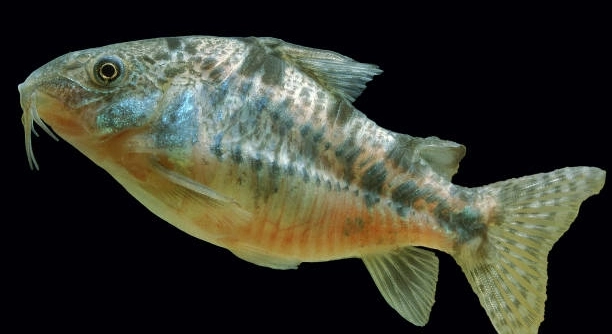
Corydoras catfish are known for their peaceful and social nature, but sometimes they might ignore other fish in the tank. Understanding why this happens can help improve the overall health and harmony of your aquarium.
Corydoras catfish may ignore other fish due to environmental factors, social stress, or health issues. These catfish are sensitive to changes in water quality, overcrowding, and the presence of dominant tank mates, which can affect their behavior.
Certain factors, like water quality and tank dynamics, can significantly impact your catfish’s interactions with other fish. Addressing these will improve their overall well-being.
Water Quality and Its Impact on Behavior
Water quality plays a crucial role in the health and behavior of Corydoras catfish. Poor water conditions, such as high levels of ammonia, nitrites, or a fluctuating pH, can stress these fish. Stress may lead to a lack of interaction with other tank mates, as the fish might prioritize survival over socializing. Regular water changes and proper filtration are essential for maintaining the well-being of your Corydoras. If the water quality is not addressed, your catfish may become lethargic and withdraw from other fish. Ensuring your aquarium has stable and clean water will likely encourage the catfish to interact more positively with their tank companions.
For Corydoras catfish to thrive, the water must be properly maintained. Frequent checks on parameters like ammonia and nitrite levels will prevent unnecessary stress.
In a well-maintained tank, the Corydoras catfish is a sociable species. They thrive in stable environments, but when water quality is compromised, they retreat. Poor water conditions can result in long-lasting stress, which makes them less likely to engage with other fish in the aquarium. Monitoring the water closely is vital to keep the fish healthy. Maintaining a balanced ecosystem through proper filtration, water changes, and temperature management can bring out the best in these catfish. Stability in the tank helps ensure that all fish, including the Corydoras, will be more active and social.
Tank Size and Overcrowding
Overcrowding in an aquarium can negatively affect the behavior of Corydoras catfish. A cramped tank leaves little room for the fish to move freely, leading to stress. With limited space, the catfish may feel threatened and retreat into hiding, ignoring other fish. It’s essential to keep a balanced fish-to-tank ratio for the well-being of all aquatic life.
A tank that is too small can cause tension, especially if the fish are sharing it with more dominant species. Stress from overcrowding can prevent the Corydoras from engaging in their usual social behavior. Larger tanks or fewer fish can alleviate this problem, allowing them to interact more comfortably.
Dominant Tank Mates
If your Corydoras are ignoring other fish, it could be because of more dominant tank mates. Larger or more aggressive fish may intimidate the catfish, making them stay in hiding. Corydoras prefer peaceful cohabitation with similar species, and being surrounded by dominant fish can cause them to retreat from social interactions.
Aggressive fish can take up more space and control territories, leaving little room for your Corydoras to explore or interact with others. They might avoid confrontations, which leads to them withdrawing and staying hidden, further isolating them from other tank inhabitants.
In a peaceful setup, Corydoras catfish can thrive with species that share their calm nature. However, adding larger or more aggressive fish to the tank disrupts their comfort and social behavior. Even a single dominant fish can stress your catfish enough to keep them isolated. To improve social interactions, ensure tank mates are compatible in size and temperament with your Corydoras.
Health Issues
Illness can cause your Corydoras catfish to ignore other fish. When these fish are unwell, they tend to isolate themselves. Symptoms of health issues, such as lethargy or lack of appetite, may also indicate that the fish is too weak to interact. If your catfish seems off, it’s essential to check for possible signs of disease.
Several health conditions, including parasites or internal infections, may reduce your catfish’s energy and motivation to socialize. Just like with any other fish, Corydoras can become less active when they feel unwell. A drop in social behavior might be a warning sign of an underlying health issue that requires immediate attention.
Monitoring the overall health of your Corydoras is key. If they show signs of distress or illness, treating them promptly can prevent the behavior from worsening. Regularly inspecting your fish for external signs, such as discoloration or abnormal swimming patterns, can help you address health issues before they affect interactions with other fish.
Feeding Habits
Corydoras catfish may ignore other fish due to competition for food. These catfish are bottom dwellers, often scavenging for leftovers, and may struggle to get enough food if more dominant fish are present. Inadequate feeding opportunities can cause your Corydoras to retreat.
If your Corydoras are not getting enough food, they might stay out of sight to avoid competition. Offering food at various levels of the tank can help ensure all fish, including bottom feeders, get their share. Additionally, providing sinking pellets or specialized food for bottom-dwelling fish can address feeding imbalances.
By improving feeding routines and ensuring your Corydoras can access their food without competition, you can help reduce their stress levels and encourage them to interact more with other tank mates.
Tank Setup
Corydoras catfish are sensitive to their environment, and an unsuitable tank setup can lead to withdrawal from other fish. Tanks that lack hiding spots or have aggressive water currents may make Corydoras feel unsafe. It’s important to provide plants or decorations that allow your fish to hide when needed.
A well-structured tank, complete with soft substrate and areas to explore, will encourage your Corydoras to be more active and social. It’s essential to create a peaceful, safe environment that makes them feel secure enough to interact. Tank setup has a major influence on their behavior.
Temperature Fluctuations
Corydoras catfish are particularly sensitive to temperature changes. Sudden shifts in water temperature can cause them stress, making them avoid social interactions. Keeping the water temperature stable is crucial to maintaining their well-being and ensuring they stay active around other fish.
FAQ
Why are my Corydoras catfish not interacting with other fish?
Corydoras catfish are peaceful fish, but they may ignore other fish due to environmental factors, health issues, or aggression from dominant tank mates. Poor water quality, overcrowding, and unbalanced tank dynamics can all affect their behavior. Ensuring a peaceful environment with clean water and appropriate tank mates will help encourage social interaction.
Can water temperature affect my Corydoras catfish’s behavior?
Yes, Corydoras catfish are sensitive to temperature fluctuations. If the water temperature drops or rises too quickly, it can stress them, causing them to retreat and ignore other fish. Keeping the water temperature consistent and within the ideal range (between 72-78°F or 22-26°C) is essential for their health and social behavior.
How can I improve the social behavior of my Corydoras catfish?
Improving social behavior involves creating a stress-free environment. Make sure the water quality is optimal by regularly testing and changing the water. Keep the tank free of overcrowding and provide plenty of hiding spots for your Corydoras. Avoid adding aggressive or larger fish to the tank. You can also feed your catfish separately to prevent food competition, which may reduce stress.
Do Corydoras catfish need to be kept in groups?
Yes, Corydoras are social fish that feel more comfortable in groups. Keeping them in schools of at least six individuals encourages natural behavior and reduces stress. Without the presence of other Corydoras, they may become withdrawn and avoid interactions with other fish.
What is the best diet for Corydoras catfish?
Corydoras catfish are omnivores, primarily feeding on sinking pellets, live or frozen food, and algae. To ensure a balanced diet, provide them with sinking pellets designed for bottom feeders, as well as occasional treats like bloodworms or brine shrimp. Offer food that sinks to the bottom, allowing the catfish to forage naturally.
Can Corydoras catfish live with other fish?
Yes, Corydoras catfish can live peacefully with other fish, especially smaller, non-aggressive species. Avoid keeping them with aggressive or large fish that may intimidate them. Suitable tank mates include small tetras, rasboras, and other peaceful catfish species. Ensure that all tank mates are compatible in terms of temperament and size.
How often should I change the water for my Corydoras catfish tank?
Water changes should be done regularly to maintain optimal water quality for your Corydoras catfish. It is generally recommended to change 25-30% of the water every 1-2 weeks. This helps to keep ammonia and nitrate levels under control, ensuring the health of your fish and preventing stress caused by poor water conditions.
Why are my Corydoras catfish hiding all the time?
If your Corydoras are hiding more than usual, it could be due to stress, illness, or unfavorable tank conditions. Check the water parameters and look for signs of disease, such as changes in color or abnormal swimming patterns. Also, make sure that your tank has enough hiding spots, as Corydoras like to have places where they can retreat when feeling threatened.
Do Corydoras catfish need a specific type of substrate?
Yes, Corydoras catfish prefer a soft substrate like fine sand or smooth gravel. Sharp or rough gravel can injure their delicate barbels, leading to health problems. Providing a soft substrate allows them to forage naturally, which helps keep them healthy and active.
What are the signs that my Corydoras catfish are stressed?
Signs of stress in Corydoras catfish include hiding, reduced appetite, abnormal swimming patterns, and erratic behavior. They may also exhibit rapid gill movements or become more lethargic. Stress is often caused by poor water quality, overcrowding, or aggressive tank mates. It’s important to address the underlying causes of stress to improve their behavior and health.
Can Corydoras catfish live in a tank without a filter?
Corydoras catfish can survive in a tank without a filter, but it is not ideal. A filter helps maintain water quality by removing waste and toxins, which is crucial for the health of the fish. Without a filter, you would need to perform more frequent water changes to prevent harmful buildups of ammonia and nitrites.
Are Corydoras catfish easy to breed in a home aquarium?
Breeding Corydoras catfish in a home aquarium is possible but requires the right conditions. To encourage breeding, maintain excellent water quality, a consistent temperature, and a calm environment. Provide the fish with plenty of hiding spots and a varied diet to stimulate breeding behavior. When conditions are right, Corydoras will lay eggs on surfaces such as plants or decorations.
What size tank do Corydoras catfish need?
Corydoras catfish do best in tanks that are at least 20 gallons, especially if they are kept in groups. A larger tank allows for more fish and provides ample space for them to swim and interact. Smaller tanks may lead to overcrowding, stress, and poor water quality, which can negatively affect the catfish’s behavior.
How can I tell if my Corydoras catfish is sick?
Signs that a Corydoras catfish might be sick include changes in swimming behavior, loss of appetite, abnormal skin coloration, or lesions. If the fish starts spending excessive time hiding or becomes lethargic, it’s important to check the water quality and look for visible signs of illness. Early detection is key to effective treatment.
Do Corydoras catfish need a heater in their tank?
Corydoras catfish thrive in stable water temperatures between 72-78°F (22-26°C). If you live in an area with fluctuating room temperatures, using a heater is recommended to keep the water temperature consistent. A heater ensures that your fish stay healthy and active, as sudden temperature changes can cause stress.
Can Corydoras catfish live with shrimp?
Yes, Corydoras catfish can live with shrimp, as long as the shrimp are not too small and are not at risk of being eaten. Larger shrimp species, such as Amano or Cherry shrimp, typically coexist peacefully with Corydoras. However, avoid keeping very small or baby shrimp with the catfish, as they may become prey.
Why is my Corydoras catfish not eating?
If your Corydoras is not eating, it could be due to stress, poor water quality, or illness. Check the tank conditions, ensuring the water is clean and within the proper temperature range. If the water quality is good and there are no signs of illness, try offering a variety of food to see if the catfish will eat.
Final Thoughts
Corydoras catfish are peaceful and social fish, but their behavior can be influenced by various factors in the tank environment. When they seem to ignore other fish, it’s often a sign of underlying issues that need attention. It’s essential to consider water quality, tank setup, and their interaction with other species. A clean, well-maintained tank is crucial to their health and happiness. Regular water changes, proper filtration, and monitoring water parameters are necessary to reduce stress and promote active behavior. Without these elements in place, even the most peaceful fish may become withdrawn.
In addition to water conditions, Corydoras catfish thrive in a stable and calm environment. Tank mates should be chosen carefully to avoid aggressive species that could stress or intimidate them. Offering plenty of hiding spots and ensuring the tank is appropriately structured for their bottom-dwelling nature can make a big difference in their behavior. Corydoras are also social creatures, and keeping them in groups will encourage interaction. Their natural instinct to school helps them feel secure, which can lead to more engaging behavior with other fish. If Corydoras are kept alone or with incompatible species, they may become withdrawn.
Addressing feeding habits is another important step in ensuring your Corydoras are happy and healthy. Offering food at different levels of the tank and ensuring they have access to sinking pellets and live or frozen foods can prevent competition and food-related stress. By improving their diet and making sure there’s enough to go around, you can help eliminate one of the main causes of isolation. In summary, understanding the needs of your Corydoras and creating a tank environment that meets those needs will help them interact with other fish and thrive in your aquarium.

Hello,
If you enjoy the content that we create, please consider saying a "Thank You!" by leaving a tip.
Every little bit helps us continue crafting quality advice that supports the health, happiness, and well-being of pets around the world, for pets of all shapes, sizes, and species.
We really appreciate the kindness and support that you show us!