
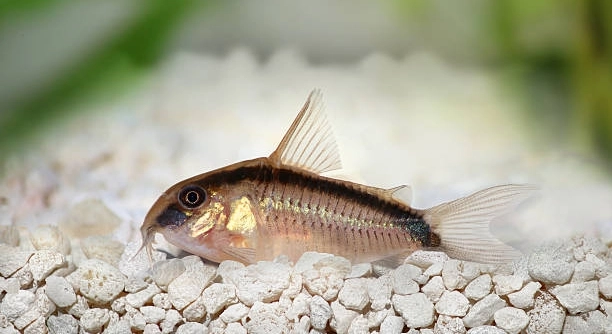
Corydoras catfish are popular aquarium fish known for their peaceful nature. However, they can become stressed or unhealthy if their tank is too small. Understanding when your fish needs more space is essential for their well-being.
Corydoras catfish require adequate space to thrive, as overcrowding can lead to stress, poor water quality, and aggression. Recognizing the signs of limited space, such as reduced activity or frequent hiding, can help determine if more room is needed.
Addressing these signs early can prevent long-term health problems for your fish. Proper space ensures your Corydoras remain active, happy, and healthy in their environment.
Signs Your Corydoras Catfish Is Outgrowing Its Tank
Corydoras catfish are small and peaceful, but they can outgrow their environment. When they don’t have enough space, they can become stressed and unhealthy. A cramped tank can cause them to display certain behaviors, such as excessive hiding or lack of activity. If you notice that your catfish is not swimming around as it usually would, it may be a sign that the tank is too small. Additionally, poor water quality is another indication that more space is needed. Fish that are kept in smaller tanks often have trouble maintaining clean water, which can lead to health issues. Understanding these signs early can help you take the necessary steps to ensure your catfish’s comfort.
Too little space can negatively impact the water’s oxygen levels, making it harder for your Corydoras to breathe. As the tank becomes more crowded, the fish may start to display signs of discomfort or stress.
Providing enough room for your Corydoras to move freely can improve both their health and overall tank environment. More space allows for better water quality, giving your fish a healthier, happier home.
Reduced Activity Levels
When Corydoras catfish don’t have enough space, they may exhibit reduced activity levels. This is because they feel cramped and are unable to swim around freely. A healthy catfish should be active, moving around the tank in search of food or exploring its surroundings. If your fish is mostly hiding or staying in one spot, this is an indication it might need more space. Additionally, Corydoras are bottom dwellers and require plenty of room to scavenge and interact with their environment. Without enough space, they can become lethargic, which can affect their long-term health. Ensuring your catfish has enough space to move around will keep them healthy and active.
Reducing stress levels in your catfish is key to preventing other health problems. By providing them with the proper amount of space, you can help them feel more secure and comfortable in their tank.
Poor Water Quality
Limited space in a tank can quickly lead to poor water quality. As more fish are added or the tank becomes overcrowded, waste accumulates faster than it can be filtered out. This can lead to a buildup of ammonia, nitrates, and other harmful substances, negatively affecting your catfish’s health. Keeping the tank clean and properly filtered is crucial for their well-being, but with too little space, maintaining a healthy environment becomes a challenge.
The reduced water quality can cause stress and lead to conditions like fin rot, infections, or other diseases. Corydoras are particularly sensitive to water changes, and poor water quality can make it difficult for them to thrive. Without proper space, it becomes harder to manage their environment, which can result in frequent water changes or more expensive filtration systems. Ensuring your tank has enough space helps prevent water issues and creates a healthier living space for your catfish.
To maintain clean water, it’s essential to have an appropriately sized tank. Larger tanks have a greater volume of water, making it easier to maintain stable conditions. It also reduces the strain on the filtration system, as it doesn’t need to work as hard to filter out toxins. A bigger tank also provides more room for beneficial bacteria to thrive, further improving water quality.
Excessive Hiding
Corydoras catfish are naturally shy, but when they feel cramped, they may start hiding more than usual. If your fish spends most of its time hidden behind decorations or in corners, it’s likely that it’s not comfortable in its space. Inadequate room leads to increased stress, and hiding becomes a coping mechanism. This behavior may also be triggered by aggressive tankmates or poor water quality, but lack of space is often a significant factor.
Fish that hide excessively will miss out on opportunities for exercise, food, and interaction with the environment, leading to a sedentary lifestyle. Over time, this can result in weight loss, weakened immunity, and other health problems. Corydoras need enough space to swim, explore, and socialize, and if these needs aren’t met, their behavior will suffer. Ensuring the right amount of space helps create a more natural and healthy environment for them to thrive in.
When Corydoras catfish hide constantly, it can be an indicator that they feel threatened by overcrowding or insufficient hiding spots. In a well-maintained and spacious tank, they’ll feel safer and be more active. The more room they have, the more likely they are to stay visible and engaged with their environment, which leads to better overall health. Creating a balanced and spacious tank setup is key to preventing this behavior.
Aggression Toward Tankmates
Corydoras catfish are generally peaceful, but overcrowding can cause stress and lead to aggression. When they feel cramped, they may become more territorial or exhibit aggressive behavior toward other fish. This can include chasing, nipping, or blocking other fish from their food.
Inadequate space doesn’t just affect the catfish, but also the other fish in the tank. When Corydoras are stressed, they become more likely to display aggression, which can disrupt the harmony of the aquarium. Ensuring there’s enough space for each fish to establish its own territory reduces stress and keeps tank dynamics peaceful.
Providing enough space for all the fish in the tank allows each one to have a comfortable area to call its own. This reduces territorial disputes and promotes a calmer, more balanced environment.
Stunted Growth
A lack of space can lead to stunted growth in Corydoras catfish. When fish are confined in small tanks, their growth is limited by stress, poor water quality, and overcrowding. This affects their overall health and lifespan, preventing them from reaching their full size.
Stunted growth is often a sign that your catfish is not thriving in its current environment. Without enough room, their bodies can’t develop properly, and their immune systems may become compromised. A spacious tank gives your fish the room it needs to grow and stay healthy.
Constant Scratching
If your Corydoras catfish is constantly scratching against tank surfaces or other objects, it could be a sign that it feels uncomfortable in its space. This behavior can be triggered by overcrowding, poor water quality, or stress. Scratching may also indicate that your fish is trying to alleviate irritation caused by limited room to swim.
To address this issue, increasing the space in the tank can help reduce stress and allow the fish to move freely. Corydoras need plenty of room to move, and when confined to a smaller area, they may resort to abnormal behaviors, including scratching.
FAQ
How much space do Corydoras catfish need?
Corydoras catfish thrive in tanks that provide enough room for them to swim and explore. A good rule of thumb is to have at least 10 gallons of water for a small group of Corydoras. Each additional fish may require 2-3 gallons of water to prevent overcrowding. While they are small, they still need space to move around comfortably. A tank with plenty of hiding spots and open swimming areas is ideal.
Can Corydoras live with other fish in a small tank?
Corydoras are peaceful and generally do well with other fish, but in a small tank, they may become stressed. When the tank is too crowded, aggression can occur, even among peaceful fish. It’s best to avoid overstocking, as too many fish can lead to poor water quality and heightened stress levels. Providing enough space for all the tank inhabitants is essential for maintaining harmony.
What happens if Corydoras are kept in a tank that’s too small?
If kept in a tank that’s too small, Corydoras may experience stress, reduced activity, and poor water quality. Their growth may be stunted, and they can develop health problems such as fin rot or infections due to inadequate space and oxygen levels. Overcrowding also leads to aggressive behavior and competition for food. Overall, a cramped tank severely affects the health and well-being of your Corydoras catfish.
Do Corydoras need a lot of hiding spots in the tank?
Corydoras are bottom dwellers and naturally enjoy hiding in tanks. While they don’t need excessive hiding spots, having a few is beneficial. In a tank with enough space, they can use these hiding places for comfort, safety, and privacy. Too many hiding spots, however, can cause your fish to hide more often, reducing their activity levels. Striking a balance between open swimming areas and hiding spots will keep them comfortable.
How can I tell if my Corydoras catfish is stressed?
Stressed Corydoras may exhibit behaviors such as hiding frequently, reduced activity, or swimming erratically. They may also show signs of aggression toward other fish or seem lethargic. Poor water quality, overcrowding, and the absence of space can all contribute to stress. It’s important to observe your catfish regularly and check the water parameters to ensure they are not stressed due to environmental factors.
Is a 20-gallon tank enough for Corydoras catfish?
A 20-gallon tank is generally a good size for a small group of Corydoras catfish. It offers enough space for them to swim and interact with their environment. However, the number of fish you plan to keep and the types of tankmates matter. If you plan to keep multiple fish or add other species, you may need a larger tank to avoid overcrowding.
Do Corydoras need a filtration system in their tank?
Yes, Corydoras catfish require a filtration system to maintain clean and oxygenated water. They are sensitive to poor water quality, so it’s essential to have a reliable filter in place. A strong filtration system helps remove waste, food debris, and toxins, keeping the water fresh. Just be sure the filter’s flow isn’t too strong, as Corydoras prefer gentle currents.
Can Corydoras live in a tank with other bottom dwellers?
Corydoras can live with other bottom dwellers as long as the tank is large enough to accommodate all the fish. However, it’s essential to monitor their behavior to ensure they are not competing for space or food. Overcrowding can lead to aggression or stress, so make sure the tank has enough room and hiding spots for each species. Peaceful bottom-dwelling species like shrimp or snails can often coexist with Corydoras.
How often should I change the water in a Corydoras tank?
Water changes in a Corydoras tank should be done regularly, with 25-30% of the water being changed every one to two weeks. If your tank is heavily stocked, you may need to change the water more frequently. Consistent water changes are vital to maintaining water quality and ensuring that the environment remains safe and healthy for your Corydoras.
What is the ideal temperature for Corydoras catfish?
Corydoras catfish thrive in water temperatures ranging from 72°F to 78°F (22°C to 26°C). It’s important to keep the temperature stable, as fluctuations can stress your fish. A reliable aquarium heater can help maintain a consistent temperature, especially in colder environments. Make sure to monitor the water temperature regularly to keep it within the ideal range.
Are Corydoras sensitive to water conditions?
Yes, Corydoras catfish are sensitive to water conditions, particularly water hardness, pH levels, and ammonia. They prefer soft to moderately hard water with a slightly acidic to neutral pH. It’s important to regularly test the water parameters and adjust them as needed to ensure the fish are living in optimal conditions. Poor water quality can lead to health issues and stress, so maintaining good water quality is crucial for their well-being.
Can Corydoras catfish live in a tank with no plants?
Corydoras catfish can live in a tank without plants, but adding some live or artificial plants can provide extra hiding spots and make the environment feel more natural. Plants also help improve water quality by absorbing nitrates and providing oxygen. While Corydoras are not dependent on plants, having a few will enhance their living conditions and encourage more natural behavior.
Final Thoughts
Corydoras catfish are peaceful, bottom-dwelling fish that make great additions to most community aquariums. They are relatively easy to care for, but providing the right amount of space is essential to their well-being. If kept in an adequately sized tank, they will thrive and exhibit natural behaviors. On the other hand, when they are confined to small spaces, they may become stressed, aggressive, and unhealthy. Overcrowding not only affects the catfish, but can also negatively impact other tank mates.
Ensuring that Corydoras have enough room to swim and explore helps reduce stress and promotes a balanced tank environment. A proper-sized tank encourages better growth, fewer health issues, and overall happiness for the catfish. When considering how much space they need, think about both the number of Corydoras you plan to keep and the presence of other fish. A tank that is too small can lead to competition for food and territory, resulting in aggression and poor health for everyone involved. A 20-gallon tank or larger is ideal for a small group, with additional space needed for each extra fish.
Overall, paying attention to the space requirements of your Corydoras catfish is a straightforward yet crucial part of their care. They are sensitive to overcrowding, poor water quality, and stress, and all of these factors can affect their behavior and health. Regular water changes, proper filtration, and a spacious tank with enough room to swim will ensure your Corydoras remain healthy and active. By creating a comfortable environment, you not only support their physical well-being but also promote a peaceful and enjoyable aquarium for all your fish.

Hello,
If you enjoy the content that we create, please consider saying a "Thank You!" by leaving a tip.
Every little bit helps us continue crafting quality advice that supports the health, happiness, and well-being of pets around the world, for pets of all shapes, sizes, and species.
We really appreciate the kindness and support that you show us!