
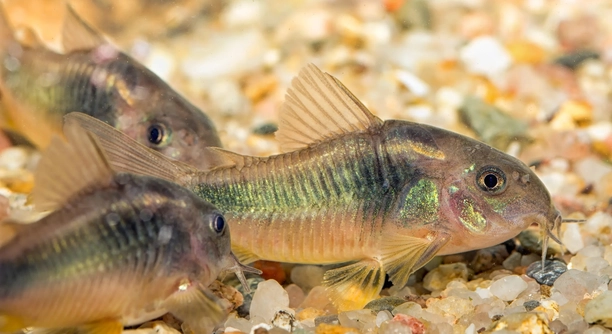
Are your Corydoras catfish resting too much in your aquarium? This behavior can be puzzling and concerning, especially if you’re used to seeing them active and exploring. Resting too often could be a sign of various underlying issues.
Corydoras catfish resting too much may indicate stress, poor water quality, improper tank conditions, or even health issues. Understanding the root causes and addressing them can help restore your catfish’s natural behavior and improve their well-being.
By identifying and resolving potential problems, you can ensure a healthier and happier environment for your Corydoras catfish. Keep reading to discover the factors that might be influencing their behavior and what you can do about it.
Poor Water Quality Could Be the Reason
Water quality is one of the most common reasons Corydoras catfish may be resting too much. These fish are sensitive to changes in water parameters like pH, temperature, ammonia, and nitrites. If any of these factors are out of balance, your catfish might feel stressed and seek rest to avoid dealing with the discomfort. Poor water quality can lead to lethargy, decreased appetite, and even long-term health issues if not addressed.
Check your tank’s water regularly with a reliable test kit to ensure levels are within acceptable ranges. Keep the water clean with regular water changes and maintain a proper filtration system to ensure a healthy environment for your fish. Remember, a stressed catfish will hide or stay still rather than exploring the tank like usual.
Inadequate water quality is a major factor in your fish’s resting behavior. Keeping your tank well-maintained is essential for preventing health issues and encouraging active behavior in your Corydoras catfish. A healthy environment promotes natural activities and a happier, more vibrant fish.
Stress from Tankmates
Tankmates can influence how active or restful your Corydoras catfish is. If there are aggressive or overly active fish in the tank, your catfish may feel intimidated and stay still more often to avoid conflict. Fish that chase or bully your Corydoras could cause unnecessary stress, leading to reduced activity.
When choosing tankmates, consider species that are peaceful and compatible with your catfish. Overcrowding can also add to the stress, so ensure the tank is properly sized for the number of fish you have. Creating a calm and peaceful environment helps reduce stress and supports the natural behavior of your Corydoras catfish.
Improper Tank Conditions
Improper tank conditions like incorrect temperature or substrate can cause your Corydoras catfish to rest more than usual. Corydoras are best kept in water between 72°F and 78°F. If the water is too cold or too warm, they may become sluggish. Similarly, rough or sharp substrate can cause injury, leading your fish to rest to recover.
To avoid these problems, make sure your tank is heated properly and the substrate is smooth, such as sand. Sharp objects in the tank can irritate their sensitive barbels, causing them to hide more often. By keeping their environment comfortable, your catfish will feel secure and more active.
A stable environment with the right temperature and smooth substrate promotes healthy, active behavior in Corydoras catfish. Make sure the tank conditions are suitable for them to thrive. This will help avoid unnecessary stress and ensure your fish enjoy a happier, more active life.
Overfeeding
Overfeeding can lead to an unhealthy tank environment and cause Corydoras catfish to rest more. When food is left uneaten, it starts to decompose, polluting the water. This pollution can make your catfish feel lethargic or uncomfortable, which leads them to stay still.
To prevent this, be mindful of how much you feed your Corydoras. Offer them only what they can consume in a few minutes, and remove any excess food immediately. This keeps the water cleaner and more comfortable for your fish. A cleaner tank will reduce the chances of your catfish resting excessively due to poor water quality.
Overfeeding isn’t just bad for water quality; it can also cause health issues like obesity in your Corydoras catfish. To ensure their well-being, feed your fish appropriately and maintain a healthy feeding schedule. By avoiding overfeeding, you create a cleaner and safer environment for your fish.
Illness or Injury
If your Corydoras catfish is feeling unwell or injured, it may rest more than usual. Fish suffering from diseases, parasites, or injuries may try to stay still to conserve energy or avoid further stress. Watch for signs like faded color, loss of appetite, or unusual swimming behavior.
Regularly check for any visible signs of illness or injury, such as redness, swelling, or lesions on the skin. If you notice anything unusual, it’s crucial to quarantine the affected fish to prevent spreading diseases. A visit to the vet or aquarium professional can help diagnose and treat any health issues.
Taking action when you notice signs of illness or injury will help your Corydoras catfish recover and prevent further complications. Ensuring a clean and stress-free environment is essential for supporting their recovery. When treated properly, your fish can regain its natural activity and behavior.
Water Temperature Fluctuations
Rapid or extreme changes in water temperature can stress Corydoras catfish, causing them to rest excessively. If the temperature is inconsistent or outside their preferred range of 72°F to 78°F, your fish may become sluggish, hiding, or seeking rest to avoid discomfort.
To avoid temperature stress, maintain a stable water temperature with a reliable aquarium heater. Use a thermometer to monitor fluctuations and prevent sharp changes. Stability in temperature helps reduce stress and encourages active behavior in your Corydoras catfish. Keeping the tank’s temperature consistent is key to their well-being.
Old Age
As Corydoras catfish age, they naturally slow down and rest more. Older fish tend to become less active, spending more time resting or hiding. While age-related rest is normal, it’s essential to monitor their overall health and make sure there are no other underlying issues causing lethargy.
FAQ
Why is my Corydoras catfish not moving around much?
If your Corydoras catfish isn’t moving much, it could be due to various factors like poor water quality, incorrect tank conditions, or even health issues. Fish tend to rest more when stressed or uncomfortable. Check the water parameters, tank temperature, and whether the fish have any signs of illness. In some cases, overfeeding or aggression from other fish can also make your catfish more sedentary.
What should the water temperature be for Corydoras catfish?
Corydoras catfish prefer water temperatures between 72°F and 78°F. Temperatures outside this range can cause stress and lethargy. If the water is too cold, they may become sluggish, while excessively warm water can lead to oxygen deprivation. Use a reliable heater to maintain the right temperature for their health and activity levels.
Can my Corydoras catfish get stressed?
Yes, Corydoras catfish can get stressed, and it may lead to them resting more often. Common stress factors include poor water quality, aggressive tankmates, improper tank conditions, and sudden changes in their environment. Stress can also come from overcrowding, so ensure your tank has enough space for all inhabitants. Reducing stress by maintaining a stable, clean environment can encourage more active behavior.
How do I know if my Corydoras catfish is sick?
Sick Corydoras may exhibit behaviors like staying still at the bottom of the tank, loss of appetite, unusual swimming patterns, or color changes. Look out for visible signs such as swollen areas, lesions, or white spots on the body. If you suspect illness, isolate the affected fish in a quarantine tank and monitor their condition closely. Prompt treatment can help prevent the illness from spreading.
How often should I feed my Corydoras catfish?
Corydoras catfish should be fed once or twice a day. Offer only as much food as they can consume in a few minutes. Overfeeding can lead to water quality issues and lethargy. Uneaten food can pollute the water, making the environment uncomfortable for your fish. Adjust the feeding schedule based on your catfish’s needs and tank conditions.
Why are my Corydoras catfish hiding all the time?
Hiding behavior in Corydoras can be due to stress, illness, or unfavorable tank conditions. If they are not resting in their usual hiding spots, it could mean they’re avoiding aggressive tankmates or dealing with poor water quality. Make sure the tank setup includes places where your Corydoras feel safe, and check the water parameters regularly to keep them comfortable.
Can Corydoras catfish live with other fish?
Corydoras catfish are peaceful and social fish that typically get along well with other peaceful species. They should be kept with tankmates that are not aggressive, as bullying can stress them out. Avoid pairing them with larger or overly active fish that might intimidate them. Other peaceful species, like tetras or guppies, are good companions for Corydoras.
What should I do if my Corydoras catfish has lost its appetite?
A loss of appetite could be due to stress, illness, or poor water conditions. If your Corydoras is not eating, first check the water parameters to make sure everything is in balance. If the water quality is good and there are no signs of stress or illness, try offering different types of food to see if they show interest. If the loss of appetite persists, it might be time to consult an aquarium professional for further advice.
Do Corydoras catfish need a specific type of substrate?
Yes, Corydoras catfish prefer smooth, soft substrate like sand. Their sensitive barbels can get injured on sharp or rough substrates, which may cause them to rest more than usual. Sand or fine gravel is ideal for Corydoras, as it allows them to forage and move around comfortably. Avoid sharp or large stones that could harm their barbels.
How long do Corydoras catfish live?
Corydoras catfish typically live between 5 to 10 years, depending on their care and environment. Proper water quality, temperature, and a suitable diet can help your Corydoras live a longer and healthier life. Regular maintenance of the tank and monitoring their behavior will ensure they stay active and content throughout their lifespan.
Can Corydoras catfish breed in a community tank?
Yes, Corydoras catfish can breed in a community tank, but certain conditions need to be met. They prefer slightly cooler water for breeding, with temperatures around 68°F to 72°F. They may spawn in the presence of water changes or when they feel secure in a peaceful tank. Providing hiding spots and a soft substrate will encourage spawning behavior.
Are Corydoras catfish good at cleaning the tank?
Corydoras catfish are often called “cleaner fish” because they scavenge the tank floor for leftover food and debris. While they can help maintain the cleanliness of the substrate, they shouldn’t be relied upon as the sole method of tank cleaning. Regular water changes, filtration, and substrate vacuuming are still necessary to maintain a healthy tank environment.
How many Corydoras catfish should I keep together?
Corydoras catfish are social creatures and should be kept in groups of at least 3 to 6 individuals. Keeping them in a group helps reduce stress and encourages natural behaviors like schooling. A larger group of Corydoras also makes them feel more secure, allowing them to be more active and less prone to resting excessively.
Why are my Corydoras catfish swimming at the surface?
If your Corydoras catfish are swimming at the surface, it may indicate poor water quality, a lack of oxygen, or stress. Corydoras are bottom dwellers, so if they’re near the surface, something in the tank might be making them uncomfortable. Check the oxygen levels, temperature, and other water parameters to ensure they’re suitable for your fish.
Final Thoughts
If your Corydoras catfish is resting too much, it’s important to take a closer look at the overall conditions in the tank. While these fish are naturally peaceful and enjoy spending time at the bottom of the tank, excessive resting could be a sign of an underlying issue. It’s essential to ensure the water quality is up to par and the temperature is within the preferred range. If the water is too warm or cold, or if there are spikes in ammonia, nitrites, or nitrates, your catfish may become stressed and retreat to rest.
Tankmates and stress factors also play a crucial role in your Corydoras’ behavior. If they are living with aggressive or overly active fish, it could make them feel unsafe, causing them to stay hidden or inactive. Observing your tank and making sure the fish are well-suited for peaceful cohabitation will encourage a more relaxed and active Corydoras catfish. Additionally, overcrowding can lead to stress, so it’s essential to give each fish enough space to thrive. The more secure and comfortable your Corydoras feel, the more likely they are to be active and explore their environment.
Lastly, be mindful of your Corydoras’ diet and overall health. Overfeeding can harm water quality, making your fish feel sluggish and less active. Always offer the right amount of food, removing any leftovers to keep the water clean. If your fish is still resting too much despite healthy water conditions and an appropriate diet, it’s a good idea to check for signs of illness or injury. Corydoras are sensitive, and health issues can affect their activity levels. Taking the right steps to create a stable, clean, and secure environment will help your Corydoras catfish feel their best and stay active.

Hello,
If you enjoy the content that we create, please consider saying a "Thank You!" by leaving a tip.
Every little bit helps us continue crafting quality advice that supports the health, happiness, and well-being of pets around the world, for pets of all shapes, sizes, and species.
We really appreciate the kindness and support that you show us!