
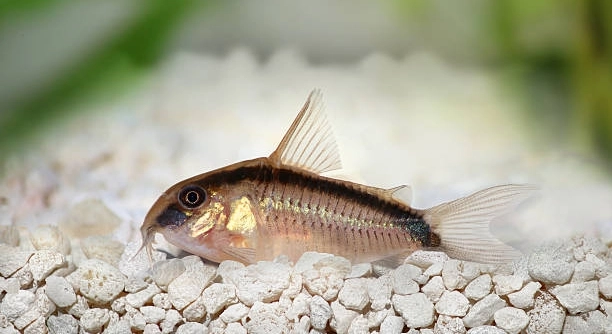
Corydoras catfish are popular for their playful behavior and ability to help clean aquarium floors. Ensuring their water quality is optimal is essential to keep them healthy and thriving.
Maintaining good water quality for Corydoras catfish involves proper filtration, regular water changes, and monitoring water parameters. These fish are sensitive to poor water conditions, which can lead to stress, disease, and shortened lifespans.
By improving water quality, you can enhance your Corydoras’ overall well-being and prevent common problems. Let’s explore how small changes can make a big difference in their care.
Keep the Water Clean with Proper Filtration
Having a good filtration system is essential for Corydoras catfish. These fish are bottom dwellers and tend to stir up debris, which can affect the overall water quality. A strong filter helps remove waste, uneaten food, and toxins from the water, keeping it clear and healthy for your fish. It is important to choose a filter that works well for the size of your tank. Too much water flow can stress your Corydoras, as they prefer calmer waters. Ideally, you should select a filter that provides gentle circulation while effectively cleaning the water.
A good filter helps maintain clear, oxygen-rich water by removing excess waste and toxins. Always ensure the filter is sized appropriately for your tank.
Remember to clean the filter regularly to maintain its efficiency. Over time, filters can become clogged with dirt and debris, reducing their effectiveness. In addition, a dirty filter can contribute to poor water quality, leading to higher ammonia levels. Regular maintenance, such as rinsing or replacing the filter media, is key to ensuring your filter keeps working properly.
Perform Regular Water Changes
Water changes are one of the easiest ways to improve water quality. By changing 20-30% of the water every week, you help remove harmful chemicals like nitrates and phosphates, which can build up over time. This prevents any potential issues such as algae growth and poor water conditions. Regular water changes also replenish essential minerals, keeping the water balanced for your Corydoras catfish. Make sure to treat tap water with a water conditioner before adding it to the tank.
Keeping a consistent water change routine allows for healthier fish and a cleaner tank overall.
Consistent water changes can help prevent a variety of issues. By removing excess nutrients from the water, you also reduce the risk of harmful bacteria and algae blooms. Algae, in particular, can thrive in environments with poor water quality, and while it is common, it can create a very unhealthy tank for your Corydoras. Be sure to monitor the tank’s nitrate and phosphate levels to ensure you are changing the water often enough.
Monitor Water Temperature
Corydoras catfish thrive in temperatures between 72-78°F (22-26°C). Maintaining a stable water temperature is important for their health. Sudden fluctuations can cause stress and weaken their immune system. Use a reliable aquarium heater with a thermostat to keep the temperature consistent.
Investing in a quality thermometer ensures you can regularly monitor the temperature in your tank. If it rises too high or falls too low, Corydoras can experience discomfort, affecting their behavior and immune system. Always check the water temperature regularly, especially during seasonal changes, to keep it within the safe range.
If the water temperature fluctuates too much, it can lead to serious health issues. Corydoras are sensitive to abrupt changes, which can cause them to become stressed or even sick. Make sure to keep the tank in a room with stable temperatures, and consider using a heater with an adjustable temperature setting to maintain consistency. Stable water conditions are essential for their long-term well-being.
Test Water Parameters Regularly
Regularly testing your tank’s water for ammonia, nitrite, nitrate, and pH levels is crucial. Corydoras are highly sensitive to poor water quality, so it’s essential to ensure these levels stay in check. A sudden spike in any of these chemicals can cause stress or illness.
Ammonia and nitrites should always be at zero, as they are toxic to fish. Nitrates should stay under 20-30 ppm (parts per million) for optimal health. pH levels should be within a range of 6.0 to 7.5 for Corydoras. Testing kits are available for all these parameters, so use them regularly to catch any issues before they become major problems.
By testing the water frequently, you can quickly identify any shifts in water quality. If you notice any issues, such as high nitrate levels or imbalanced pH, you can take action before they harm your Corydoras. Adjusting water changes or modifying filtration may help stabilize these levels, ensuring your tank remains a safe and healthy environment for your fish. Regular testing also gives you peace of mind, knowing your fish are living in optimal conditions.
Avoid Overfeeding
Overfeeding is a common mistake that leads to poor water quality. Excess food that is not eaten can decay in the tank, raising ammonia levels and polluting the water. It’s important to feed your Corydoras in moderation.
Feed only what your fish can eat in a few minutes. If food remains after feeding, remove it immediately to prevent waste buildup. Overfeeding can also cause stress and health problems for your fish. Stick to a feeding schedule and avoid the temptation to feed too much.
Use Live Plants
Live plants not only look beautiful but also help improve water quality. Plants absorb nitrates, which lowers levels in the tank. This helps maintain a balanced and healthier environment for your Corydoras catfish. Additionally, plants provide natural hiding spots, reducing stress for your fish.
Plants like Java moss, Anubias, and Cryptocoryne are excellent choices for Corydoras tanks. They thrive in similar water conditions and offer benefits beyond aesthetics. Ensure proper lighting and nutrient levels for plant growth. Healthy plants will naturally contribute to cleaner water, making it easier to maintain a stable tank environment for your fish.
Keep the Tank Well-Filtered
Proper filtration is essential to remove debris, waste, and excess nutrients from the water. A good filter keeps the water clear and free from harmful chemicals. Choose a filter that matches the size of your aquarium to ensure effective filtration.
FAQ
What is the ideal tank size for Corydoras catfish?
Corydoras catfish are small, peaceful fish, but they still need space to thrive. The ideal tank size for a small group of Corydoras is at least 20 gallons. A larger tank helps ensure that water quality remains stable and that there’s enough room for the fish to move around. More space also reduces the risk of overcrowding, which can lead to stress and poor water conditions. If you plan to keep multiple Corydoras, consider increasing the tank size to accommodate their needs.
Can Corydoras catfish live with other fish?
Yes, Corydoras are peaceful and generally get along with other non-aggressive fish. They make great tank mates for fish like tetras, guppies, and other bottom-dwelling species. However, avoid keeping them with larger, more aggressive fish that might bully or harm them. Corydoras also prefer being in groups of at least three or more, as they feel more secure and exhibit more natural behaviors when surrounded by others of their species.
How often should I clean my Corydoras tank?
Your Corydoras tank should be cleaned regularly to maintain good water quality. This includes doing partial water changes every week, cleaning the substrate, and ensuring the filter is working properly. The frequency of cleaning will depend on your tank’s size and the number of fish you have. Regular water changes (20-30% of the total volume) help to reduce the buildup of toxins. Removing debris from the substrate using a siphon is also necessary to prevent waste from decaying and affecting water quality.
Do Corydoras need a specific type of substrate?
Corydoras catfish have sensitive barbels on their faces, so it’s important to choose a substrate that won’t harm them. A fine, smooth gravel or sand is ideal for Corydoras tanks. Avoid sharp-edged gravel, as it can damage their barbels when they dig around the substrate. Corydoras love to sift through the substrate in search of food, so providing a substrate that mimics their natural environment will help them stay active and healthy.
How can I prevent my Corydoras from getting sick?
Preventing sickness in Corydoras starts with maintaining good water quality. Regular water changes, testing water parameters, and proper filtration are key. Also, avoid overcrowding your tank and ensure your fish are well-fed but not overfed. Keeping the tank clean and offering a varied, balanced diet will help strengthen their immune system. If you notice any signs of illness, such as unusual swimming behavior or loss of appetite, separate the sick fish to prevent it from spreading to others.
What do Corydoras catfish eat?
Corydoras are bottom feeders and primarily eat small particles of food that settle on the substrate. They enjoy a diet of sinking pellets, wafers, and a variety of live or frozen foods like brine shrimp, daphnia, and bloodworms. Occasionally, they may also nibble on algae or leftover plants. A balanced diet that includes both plant-based and protein-rich foods is important to ensure they receive all the necessary nutrients. Offering them a variety of foods will keep them active and healthy.
Why is my Corydoras catfish staying at the top of the tank?
If your Corydoras catfish is staying near the surface of the tank, it could be a sign of stress or poor water quality. Corydoras prefer the bottom of the tank, so if they are swimming at the top, they may be trying to get more oxygen or avoid toxins in the water. Check for high ammonia or nitrate levels, which can cause breathing difficulties. It’s also worth testing the water’s pH, as Corydoras are sensitive to fluctuations. If the issue persists, ensure your filter is working properly, and do a water change.
Can Corydoras catfish survive without a filter?
While it is technically possible for Corydoras to live in an unfiltered tank, it is not recommended. Filters play a crucial role in maintaining water quality by removing waste, uneaten food, and harmful chemicals like ammonia and nitrates. Without a filter, water quality can deteriorate quickly, which can lead to stress and illness in your Corydoras. If you choose not to use a filter, you’ll need to perform frequent water changes and carefully monitor the tank’s parameters to ensure it stays safe for your fish.
Are Corydoras catfish active at night?
Yes, Corydoras are primarily nocturnal. They tend to be more active during the night, scavenging the substrate for food. During the day, they are usually more relaxed, often resting in sheltered areas of the tank. If you have your tank lights on during the day, your Corydoras may be hiding or less active, but this is normal behavior. Providing plenty of hiding spots like plants, caves, and decorations will allow them to feel safe and secure while they rest. If you prefer to observe their active behavior, try dimming the lights or turning them off in the evening.
How do I know if my Corydoras catfish is stressed?
Stressed Corydoras may exhibit several signs, such as rapid swimming, rubbing against tank decorations, or staying near the water’s surface. They might also become less active or hide more often. Stress can be caused by poor water quality, inappropriate tank mates, overcrowding, or sudden changes in the environment. If you notice any of these symptoms, it’s important to check the water quality and make sure that the fish are not being bullied by others. Maintaining stable water conditions and reducing any sources of stress will help keep your Corydoras calm and healthy.
Maintaining good water quality for your Corydoras catfish is essential for their health and happiness. These small, peaceful fish are sensitive to changes in their environment, so keeping their tank clean and stable is key. Regular water changes, proper filtration, and consistent monitoring of water parameters are simple yet effective ways to ensure that the water remains ideal for your Corydoras. These actions not only help prevent diseases but also promote natural behaviors that make these fish so enjoyable to watch.
In addition to water quality, it’s important to consider other factors like temperature, substrate, and tank mates. Corydoras thrive in stable conditions with temperatures between 72-78°F. Choosing a smooth, fine substrate helps protect their sensitive barbels and allows them to forage naturally. Keeping the tank well-filtered and avoiding overfeeding also contributes to maintaining a healthy, balanced environment. With the right conditions in place, your Corydoras will have a much higher chance of living a long and healthy life.
Remember that the more you understand your Corydoras’ needs, the easier it becomes to care for them. With a little effort and attention to detail, you can create a thriving environment for these charming fish. Whether you’re a beginner or experienced aquarist, following these simple tips will ensure that your Corydoras remain healthy and happy in their aquatic home. By maintaining proper water quality and addressing any issues early, you’ll be able to enjoy the company of these lovely fish for many years to come.

Hello,
If you enjoy the content that we create, please consider saying a "Thank You!" by leaving a tip.
Every little bit helps us continue crafting quality advice that supports the health, happiness, and well-being of pets around the world, for pets of all shapes, sizes, and species.
We really appreciate the kindness and support that you show us!