
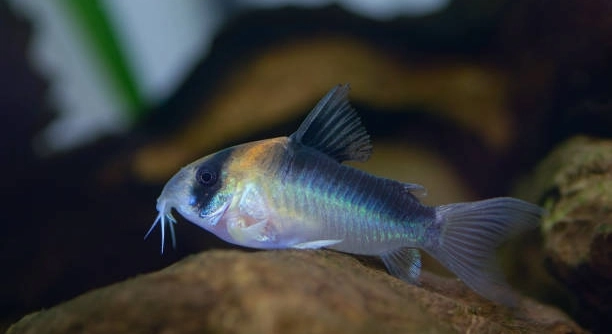
Corydoras catfish are a popular choice for aquarium enthusiasts, thanks to their peaceful nature and unique appearance. However, many owners are frustrated when their fish don’t grow as expected. If you’ve found yourself wondering why, you’re not alone.
The primary reason your Corydoras catfish may not be growing as expected is due to suboptimal water conditions. Poor water quality, incorrect temperature, and lack of proper filtration can all hinder their growth.
There are several factors at play when it comes to the health and growth of your fish. By addressing these aspects, you can help your Corydoras thrive in its environment.
Water Quality is Key
Corydoras catfish are sensitive to poor water quality. If the water in your tank is polluted with waste, chemicals, or ammonia, it can seriously impact their growth. Ammonia or nitrite levels should be kept to zero, and nitrate levels should be below 20 ppm. When these levels are high, it can stress the fish, impair their digestion, and stunt their growth. Poor water quality also makes it harder for your fish to process nutrients, which directly affects their size and overall health. Regular water changes and using a good filtration system are essential in keeping the tank clean and safe.
Water quality is one of the first areas to check when growth slows. Make sure your filtration is adequate and clean the tank regularly.
Checking the water regularly with an aquarium test kit is a great way to ensure it’s safe for your Corydoras. Be sure to test for ammonia, nitrite, nitrate, pH, and temperature. If your Corydoras are exposed to poor conditions for too long, they can become sick and weak, leading to stunted growth. Consider using a filter with an effective biological filtration system to break down waste products and improve water quality. Additionally, always perform routine water changes and avoid overfeeding, as excess food will decay and further pollute the water.
Tank Size Matters
A cramped tank can cause stress and prevent your Corydoras from reaching their full size. A small tank restricts their movement and access to resources.
Corydoras catfish do best in larger tanks, typically 20 gallons or more. A spacious tank allows them to explore, swim freely, and interact with their surroundings, which is vital for their development.
If your tank is too small, the fish may become stressed due to overcrowding or limited space. Stress is a major factor that can slow their growth. In addition, overcrowding often leads to poor water quality, further hindering the fish’s health. Corydoras also benefit from having companions, so providing space for a group of them can enhance their well-being. A larger tank also ensures the water conditions remain stable, as there’s more volume to dilute waste and toxins. By choosing an appropriately sized tank, you’re setting your Corydoras up for better health and growth.
Temperature Control is Essential
Corydoras catfish thrive in water temperatures between 72-78°F (22-26°C). Temperatures outside this range can lead to poor growth or even illness.
Maintaining a stable temperature is crucial for their development. When the water is too cold, Corydoras become sluggish, reducing their appetite and energy. A heater with a thermostat can help regulate the temperature. Sudden changes in temperature can shock the fish, causing stress. Consistent warmth ensures that your Corydoras remain active and healthy, supporting proper growth. If the tank is too warm, oxygen levels drop, which can also affect their health.
To prevent fluctuations, monitor the tank’s temperature regularly using an aquarium thermometer. Corydoras are sensitive to sudden changes, so avoid placing the tank near windows or air conditioners where temperatures may vary. Proper temperature management is essential to support their natural biological processes and ensure steady growth. By maintaining the ideal range, you help keep your fish active, feed better, and ultimately grow as they should.
Diet and Nutrition Impact Growth
Your Corydoras needs a balanced diet for optimal growth. If they’re not getting the right nutrients, their growth can be stunted.
Feeding them a variety of high-quality food is essential. A good mix includes sinking pellets, frozen or live foods like bloodworms or brine shrimp, and occasional vegetables. A varied diet ensures they get the necessary proteins, vitamins, and minerals to grow properly. Corydoras are bottom feeders, so they naturally forage for food in the substrate. Providing foods that sink to the bottom is important. Additionally, ensure you’re not overfeeding, as excess food can pollute the water, leading to unhealthy conditions.
Corydoras also need the right feeding schedule. Offering food once or twice a day is sufficient. Overfeeding can lead to obesity, which affects their mobility and growth. When feeding, remove any uneaten food after 5-10 minutes to prevent water contamination. Providing a well-balanced diet will not only help your Corydoras grow, but it will also strengthen their immune system, keeping them healthy in the long run.
Stress Can Stunt Growth
Stress is a major factor in slow growth. Corydoras can easily become stressed due to poor water conditions, overcrowding, or sudden changes in the tank.
When stressed, Corydoras may hide more often, stop eating, and have weakened immune systems. This stress can cause them to grow much slower than expected. Keep the tank environment calm and stable. Avoid frequent changes and ensure they have plenty of hiding spots. Monitoring the water quality and maintaining a peaceful tank atmosphere will help prevent stress and promote healthy growth.
Overcrowding Slows Growth
Overcrowding your tank can lead to stunted growth in Corydoras. They need space to swim and find food.
Fish that are cramped often experience stress and compete for food, which slows their development. It’s essential to follow stocking guidelines, allowing at least 5 gallons of water per Corydoras. Too many fish in a small tank leads to poor water quality, further hindering growth. The extra waste from overcrowding can pollute the tank and affect the health of all inhabitants. Keeping your tank properly stocked ensures that Corydoras have room to grow.
Filtration System Plays a Role
A good filtration system ensures clean water, which is crucial for your fish’s health and growth. Without it, water toxins can build up quickly.
The filter should be strong enough to handle the size of your tank and number of fish. A quality filter removes waste, prevents harmful buildup, and keeps the environment stable. Make sure to clean the filter regularly, as a clogged filter reduces its efficiency. Proper filtration helps to keep water conditions optimal, promoting a healthy, growing Corydoras.
FAQ
What is the ideal tank size for Corydoras catfish?
Corydoras catfish do best in tanks of at least 20 gallons. This allows them enough space to swim and forage, promoting healthier growth. A larger tank will also help maintain better water quality and a more stable environment. If you keep more than a few Corydoras, or if you have other fish, it’s better to go for a 30-gallon tank or bigger. Avoid overcrowding, as it leads to stress and poor growth.
Can Corydoras catfish live in a tank with other fish?
Yes, Corydoras are peaceful fish and usually get along with many species, including other catfish and small community fish. They work well with species that won’t harass or outcompete them for food. Avoid aggressive or larger fish that may bully your Corydoras. Tankmates should be gentle, as stress from aggressive neighbors can hinder your Corydoras’ growth.
How often should I clean my Corydoras tank?
You should clean your Corydoras tank regularly. Perform a partial water change (around 20-30%) every week or every two weeks, depending on your tank’s size and stock. Clean the substrate as well to remove uneaten food and waste. Keep the filter clean, but be sure to leave some beneficial bacteria intact. Too frequent or harsh cleaning can disrupt the tank’s balance, so aim for consistent, gentle maintenance.
Can Corydoras catfish live in cold water?
Corydoras prefer warmer water, with an ideal temperature range of 72-78°F (22-26°C). While they can survive in cooler water for short periods, it can lead to slower growth and may make them more susceptible to diseases. Cold water also affects their metabolism, making them less active and reducing their ability to digest food properly.
How much should I feed my Corydoras catfish?
Corydoras are small eaters and do best when fed small amounts twice a day. Avoid overfeeding, as excess food will pollute the tank and lead to poor water quality. Give them sinking pellets or food that falls to the bottom, as they are bottom feeders. If they don’t finish the food in 5-10 minutes, remove any leftovers to maintain a clean tank.
Why are my Corydoras hiding so much?
Corydoras tend to hide when they’re stressed, sick, or uncomfortable. Stressors can include poor water quality, high temperatures, overcrowding, or aggressive tankmates. If your fish are constantly hiding, check your tank conditions to ensure the water quality is optimal. Also, ensure they have enough hiding spots, as Corydoras feel safer when they can retreat to a dark or quiet area.
How do I know if my Corydoras is sick?
Signs of illness in Corydoras include faded coloration, irregular swimming patterns, loss of appetite, or visible wounds or lesions. If your Corydoras is behaving abnormally, check your water quality first. Stress from poor conditions weakens their immune system, making them more prone to infections. If symptoms persist, it’s best to quarantine the affected fish and seek treatment.
Do Corydoras catfish need a filter?
Yes, Corydoras need a filter to maintain water quality. While they are bottom dwellers and not particularly demanding in terms of water flow, a filter helps remove waste and toxins. Choose a filter with adjustable flow, as too strong a current may stress your fish. Proper filtration is essential for a healthy and thriving tank environment.
Can Corydoras live with shrimp?
Corydoras and shrimp can live together peacefully in most cases. Corydoras won’t harm shrimp, and shrimp can help keep the tank clean. However, be cautious with very small shrimp or newly molted ones, as some Corydoras may nibble on them. It’s best to have larger or more established shrimp to avoid this issue.
How fast do Corydoras catfish grow?
Corydoras can grow at a moderate pace, with some species reaching their full size in about 1-2 years. However, growth can be slower if they are not in optimal conditions, such as poor water quality, lack of proper food, or stress. Ensuring the right environment will help them grow faster and healthier.
Can Corydoras eat algae wafers?
Yes, Corydoras can eat algae wafers, and they often enjoy them as part of a varied diet. However, algae wafers should not be their only food source. Make sure to supplement their diet with sinking pellets, live, or frozen foods like brine shrimp or bloodworms. A balanced diet is key to their health and growth.
Should I use a heater for Corydoras catfish?
Yes, using a heater is recommended for Corydoras, especially if you live in a region with cooler temperatures. A stable water temperature helps maintain their health and promotes proper digestion and growth. A reliable heater with a thermostat will ensure that the water remains within the ideal range of 72-78°F (22-26°C) year-round.
How do I prevent my Corydoras from getting fat?
Overfeeding can lead to obesity in Corydoras, which can affect their mobility and growth. Stick to a feeding schedule, offering them only as much food as they can consume in 5-10 minutes. Ensure they have a balanced diet, and avoid overfeeding high-fat foods. Regular maintenance and clean water also help keep them active and healthy.
Final Thoughts
Corydoras catfish are generally hardy and easy to care for, but achieving healthy growth requires attention to their environment. By providing clean water, the right tank size, and proper filtration, you can create a space where your Corydoras can thrive. Their sensitivity to poor water quality makes it essential to keep ammonia and nitrites at zero, along with maintaining a stable temperature. Regular water changes and cleaning the substrate will ensure that your tank remains in top condition for their well-being.
Nutrition also plays a crucial role in their growth. A well-balanced diet of sinking pellets, frozen or live foods, and occasional vegetables will provide the necessary nutrients for your Corydoras to grow at a healthy pace. Overfeeding should be avoided to prevent excess waste that can pollute the tank, and it’s important to feed them the right amount twice a day. A variety of foods will keep your Corydoras satisfied and ensure they receive all the essential vitamins and minerals for proper development.
Finally, stress is one of the most common factors that can slow growth in Corydoras. A calm and peaceful tank with appropriate tank mates and plenty of hiding spots will help minimize stress. Keeping your Corydoras in a stable environment where they feel secure is key to supporting their growth and health. By paying attention to their water quality, diet, and overall environment, you can enjoy watching your Corydoras catfish grow to their full potential.

Hello,
If you enjoy the content that we create, please consider saying a "Thank You!" by leaving a tip.
Every little bit helps us continue crafting quality advice that supports the health, happiness, and well-being of pets around the world, for pets of all shapes, sizes, and species.
We really appreciate the kindness and support that you show us!