
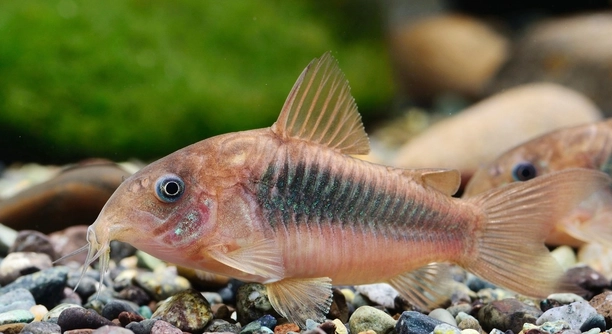
Are your Corydoras catfish avoiding one particular corner of their tank, no matter how clean or cozy it seems to be? You’re not alone—many aquarists have noticed this behavior in their peaceful bottom-dwelling companions.
The most common reasons your Corydoras avoid a section of the tank include poor water flow, incompatible substrate, hidden aggression from tank mates, or even chemical residues. Environmental stressors and lack of cover may also play a role.
Understanding the subtle causes behind their behavior can help improve their comfort. Let’s look at what might be causing the issue and how to fix it.
Poor Water Flow Can Make Them Uncomfortable
Corydoras catfish prefer areas with gentle but steady water movement. If one section of the tank lacks flow, they may naturally avoid it. Still water can lead to poor oxygenation and waste buildup, which are both unappealing and potentially harmful to bottom dwellers like Corydoras. Check how your filter is circulating water across the entire tank. Dead spots in circulation often go unnoticed but can significantly affect fish behavior. Placing an air stone or adjusting the filter outlet can help improve water distribution. Ensuring balanced flow throughout encourages your Corydoras to explore more freely and stay active.
Low-flow zones often collect debris, which can make the area less inviting and harder to clean. This buildup may also affect water quality near the substrate.
Try watching how floating particles move to identify stagnant areas. A small change in filter angle or adding another sponge filter can make a noticeable difference in their activity level.
The Wrong Substrate Can Cause Avoidance
Corydoras have sensitive barbels that help them sift through substrate. If it’s too rough, they may steer clear of it.
Gravel with sharp edges can irritate or injure their barbels, leading them to avoid sections with that type of material. Sand or smooth, fine gravel is better suited for their foraging behavior and physical comfort. Even if only part of the tank has rougher substrate, they will likely stick to the gentler side. You can test this by dividing your tank floor with different textures and watching where they prefer to settle. Their barbels are essential for their well-being, so protecting them should be a priority. Changing the substrate doesn’t need to happen all at once—start with small adjustments to encourage them to move back into neglected areas. A smooth substrate helps keep them healthy, active, and curious in their environment.
Hidden Aggression From Tank Mates
Even peaceful tanks can have moments of tension. If another fish is guarding a certain area or showing mild aggression, Corydoras may choose to avoid that spot completely to reduce stress and stay safe.
Corydoras are non-confrontational and often retreat instead of reacting to aggressive behavior. Sometimes, fish like bettas, dwarf cichlids, or even certain tetras can develop territorial habits, especially if there are caves or decorations they’ve claimed. Watch for subtle fin flicks, chasing, or blocking behaviors in the tank. These signs can be easy to miss but have a big effect on how Corydoras move around. Rearranging decorations or adding more hiding spaces can help break up territorial zones. You may also consider increasing the number of Corydoras in your group to make them feel more secure. When the tank layout is balanced and calm, they’re much more likely to explore evenly.
Aggression may not be constant but can still cause avoidance. A single bad experience in one part of the tank is sometimes enough to make them wary. Fish remember patterns, especially when linked to stress or discomfort. If you’ve recently introduced a new fish, this shift in dynamics might be the reason they’ve pulled away from one section. Watch interactions closely after any changes.
Light Levels Are Too Harsh or Too Dim
Corydoras prefer soft, diffused lighting and often avoid brightly lit spaces or deep shadows that feel unsafe. If one end of the tank is significantly brighter or darker, it may not feel balanced to them.
Bright lighting without cover makes Corydoras feel exposed. On the other hand, overly dark corners might appear threatening. Their behavior is based on survival instincts—they look for safe spaces where they won’t stand out. You can soften lighting with floating plants, which help filter brightness and create dappled effects. This makes the environment feel more natural and inviting. If only part of the tank has plants or shaded areas, your Corydoras may stick to just that section. Light should feel even and gentle across the whole tank. Try adjusting your lighting schedule or angle of the lamp if you notice heavy shadows or overly harsh spots. Balanced lighting encourages consistent movement throughout the space.
Chemical Residue or Unbalanced Parameters
If one section of the tank is near where you add treatments or top off water, it may hold traces of chemicals or minerals. Even slight imbalances in pH, ammonia, or chlorine can make Corydoras uncomfortable.
Always mix and distribute treatments carefully. Uneven dosing or inconsistent mixing can leave hotspots that fish instinctively avoid. Try pouring water treatments into the filter flow to help distribute them evenly.
Lack of Cover or Shelter
Corydoras rely on hiding spots to feel safe, especially in unfamiliar or exposed areas. A section of the tank with little or no cover may not seem secure enough, so they avoid spending time there.
Unstable Tank Decorations
Loose or shifting decorations can startle Corydoras and make a spot feel unsafe. If a rock or plant tips too easily, they may choose to keep away from that area entirely.
FAQ
Why are my Corydoras catfish not swimming around as much?
Corydoras catfish may reduce their swimming activity if they feel stressed due to environmental factors, like poor water quality, tankmates, or lighting. It’s essential to check water parameters regularly, maintain a proper filtration system, and ensure the environment is calm and stable. Lack of space or hiding places can also affect their movement. They may retreat to quieter parts of the tank to feel safer.
Can Corydoras avoid a section of the tank due to poor water quality?
Yes, poor water quality is a common reason why Corydoras avoid specific sections of the tank. Elevated levels of ammonia, nitrites, or other toxins can drive them away from certain areas. Regular water changes, filter maintenance, and using water conditioners can help maintain water quality. Ensure proper aeration to avoid stagnant water that may develop higher concentrations of harmful substances.
Should I rearrange the tank if my Corydoras are avoiding a section?
If your Corydoras are avoiding a certain part of the tank, rearranging the layout could help. Changing the positions of decorations or adding more plants and hiding spots can encourage them to explore different areas. However, it’s essential to observe if other factors, like aggression or water flow, are contributing to the issue before making changes.
Is it possible for Corydoras to avoid an area because of the substrate?
Yes, Corydoras are sensitive to their substrate. Rough gravel or sharp objects can hurt their barbels, causing them to avoid areas with such materials. Fine sand or smooth gravel is preferable for these fish. If you notice your Corydoras are avoiding a specific area, check the substrate for sharp objects or overly coarse materials.
Can stress from other fish make Corydoras avoid certain parts of the tank?
Yes, stress from tankmates can cause Corydoras to avoid certain areas. Aggressive or territorial fish can make Corydoras feel threatened, causing them to retreat to calmer spots. Ensuring that all fish in the tank are compatible and maintaining a peaceful environment can help reduce stress and encourage your Corydoras to move freely.
Do Corydoras need specific lighting to feel comfortable in the tank?
Corydoras prefer softer, diffused lighting. Bright, direct light can make them feel exposed and stressed. If your tank has strong lighting, it might push them into dimmer corners or areas with more cover. Using floating plants or a tank cover to diffuse the light can make the environment more comfortable for them.
What can I do if my Corydoras are avoiding a tank corner with good water flow?
Even with good water flow, Corydoras may avoid a section if the current is too strong. These fish prefer gentle water movement, so consider adjusting the filter flow or adding more plant cover to break up the current. Creating a calmer area with less agitation can make the space more appealing to them.
Could my Corydoras be avoiding a certain section due to tank temperature?
Corydoras are sensitive to temperature fluctuations. If one section of the tank is warmer or colder than the rest, it could cause your fish to avoid it. Ensure that your heater is functioning correctly and providing a consistent temperature across the entire tank. Most Corydoras prefer a water temperature between 72°F and 78°F (22°C to 25°C).
How can I tell if my Corydoras are sick or just avoiding a spot in the tank?
If your Corydoras are avoiding a section but otherwise appear healthy, it’s likely a behavioral issue related to the environment. However, if they are showing signs of illness, such as lethargy, loss of appetite, or abnormal swimming, it could indicate a health problem. Check for external signs of illness like white spots, redness, or lesions. A visit to an aquarium vet might be necessary if you suspect they’re sick.
Can the introduction of new fish cause Corydoras to avoid certain areas?
Yes, introducing new fish to the tank can disrupt the social dynamics and cause stress. Corydoras may avoid certain sections if new tankmates are being territorial or if the introduction has caused a shift in the tank’s environment. Monitoring interactions and ensuring the new fish are compatible with your Corydoras can help minimize stress.
Should I use a filter to improve water quality if my Corydoras are avoiding an area?
Using a filter is essential for maintaining water quality, but it may not directly solve the issue of your Corydoras avoiding a particular area. If the water flow is too strong in one part of the tank, try adjusting the filter’s position or adding an air stone to help distribute the water flow more evenly. Regular filter maintenance and water changes will also help improve overall water conditions.
How often should I check the water parameters to ensure my Corydoras are comfortable?
It’s essential to check the water parameters regularly, especially when you notice changes in your Corydoras’ behavior. At a minimum, test the water for ammonia, nitrites, nitrates, pH, and temperature once a week. In a new tank or if there are issues with the filtration system, more frequent checks may be necessary.
Can adding more hiding places help my Corydoras feel more secure?
Yes, adding more hiding places can help your Corydoras feel more secure, especially if the tank feels too open or if they are avoiding a particular section due to a lack of shelter. Use plants, caves, and rocks to create sheltered spaces where your Corydoras can retreat when they feel stressed. This will encourage them to explore more and make the tank feel like a safer environment.
Final Thoughts
Understanding why your Corydoras catfish might avoid a particular section of the tank is crucial for ensuring their health and well-being. These fish are sensitive to their environment, and small changes in water quality, temperature, or tank setup can make a significant impact on their behavior. By paying attention to factors such as water conditions, tank layout, and the presence of other fish, you can identify potential stressors and create a more comfortable space for your Corydoras to thrive.
It’s important to regularly monitor the water quality, making sure the ammonia, nitrites, and nitrates are within safe levels. Water parameters, including pH and temperature, should also be consistent. Corydoras prefer stable, clean conditions, so any sudden fluctuations or poor water quality can cause them to avoid certain areas. Keeping the tank clean and performing regular water changes will help maintain a healthy environment. Additionally, filtering the water properly and using gentle water movement will reduce the chances of current-related stress.
Lastly, consider the layout of the tank. Corydoras enjoy having plenty of hiding spots and soft substrate to sift through. Adding more plants, caves, or decorations can provide security and encourage them to explore different sections of the tank. Avoid sharp objects that could harm their sensitive barbels, and ensure the tank is not overcrowded, as this can lead to territorial behavior from other fish. By focusing on the overall health of the tank and the comfort of your Corydoras, you can help them feel more at ease and avoid behavioral issues.

Hello,
If you enjoy the content that we create, please consider saying a "Thank You!" by leaving a tip.
Every little bit helps us continue crafting quality advice that supports the health, happiness, and well-being of pets around the world, for pets of all shapes, sizes, and species.
We really appreciate the kindness and support that you show us!