
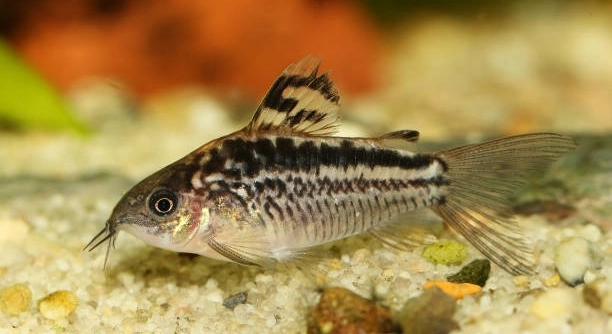
Is your Corydoras catfish spending more time sitting still and less time exploring the tank like it used to?
A sudden change in your Corydoras catfish’s behavior can be linked to stress, illness, poor water quality, or environmental changes. Observing closely and identifying the root cause is essential for restoring its natural activity and well-being.
Several factors may be behind this shift, and understanding them can help you create a healthier space for your fish.
1. Changes in Water Quality
Water quality issues can affect your Corydoras catfish more quickly than you might expect. Even a small spike in ammonia or a drop in oxygen can make them sluggish. Since these fish spend most of their time at the bottom of the tank, they’re especially sensitive to conditions there. Dirty substrate, high nitrate levels, or a lack of water movement can create problems. Make sure to test your water regularly for ammonia, nitrites, nitrates, and pH. A clean, well-aerated environment helps your fish stay active and stress-free. Don’t forget to clean under decorations and in corners where waste builds up.
A dirty filter or infrequent water changes can quietly lead to these shifts in behavior, especially if the tank looks fine at first glance.
Corydoras rely on clean, oxygen-rich water. When conditions drop, their natural curiosity fades. Weekly maintenance and proper filtration keep them healthy and energetic.
2. Stress from Other Fish
Tankmates play a big role in your catfish’s comfort. Aggressive or overly active fish can stress them out, pushing them to hide or stay still.
Corydoras are peaceful and do best with calm, non-aggressive tankmates. If they’re constantly chased or outcompeted for food, they may retreat and reduce their usual movement. Schooling is another factor. They thrive in groups of five or more of their own kind. Keeping only one or two can leave them feeling unsafe or disconnected. Rearranging your tank setup may help as well—adding more hiding spots or adjusting decorations can ease territorial tension. Take a close look at how other fish behave around them, especially during feeding time. If needed, consider rehoming incompatible tankmates or expanding your Corydoras group. Even subtle interactions can influence how safe and active they feel in their environment.
3. Lack of Hiding Spots or Shelter
Corydoras need a sense of safety to stay active. If your tank lacks enough hiding places, they may freeze or stay still for long periods.
Even in peaceful tanks, Corydoras rely on shelter to feel secure. Plants, caves, and driftwood provide shade and comfort, especially during times of stress or when lights are too bright. Without these options, they may avoid open areas and become less adventurous. Rearranging your tank with more cover, particularly near the bottom where they dwell, can encourage exploration. Keep in mind that even small changes like extra plant cover or a shaded corner can make them more confident. The goal is to help them feel protected, not isolated.
You don’t need a heavily planted tank—just a few solid hiding options. Mix live plants, rocks, and decorations to break up sightlines. When they know there’s always a place to retreat, they’re more likely to stay active and visible.
4. Illness or Physical Discomfort
Sickness doesn’t always show right away. A catfish that’s less active might be feeling unwell, even if it looks okay at first. Watch for subtle signs.
Look for pale coloring, clamped fins, labored breathing, or signs of bloating. These can indicate common fish illnesses like internal parasites, bacterial infections, or swim bladder issues. If your Corydoras is eating less or resting more often, it’s worth isolating it for a closer look. Treating the tank without knowing the cause can sometimes do more harm than good. Use a separate container to monitor symptoms and consult fish care resources or a vet if needed. Clean water and a calm setting during this time will support healing. Medication may be necessary if symptoms persist.
It helps to keep a fish care kit with essentials like a quarantine tank, test strips, and basic treatments on hand. Early attention makes all the difference when something feels off.
5. Sudden Changes in Environment
A quick shift in lighting, water temperature, or decor can unsettle Corydoras. Even small changes might be enough to make them pause their usual activity.
Try to keep tank conditions consistent. Gradual changes are easier for them to handle, especially when adjusting lighting schedules or adding new decorations.
6. Inadequate Diet or Feeding Habits
Corydoras need a varied diet to stay active and healthy. If they’re only getting flakes or leftovers from other fish, they may not be getting enough nutrition. Sinking pellets, frozen foods like bloodworms, and occasional vegetables can improve their energy and overall health. Uneaten food also affects water quality, so make sure feeding is controlled and targeted. These bottom-feeders often miss out during surface feeding times, so be sure food reaches the tank floor. Regular, well-balanced meals help them stay active and more eager to explore. A sluggish fish might just need a better feeding routine to bounce back.
7. Aging or Natural Slowing Down
As Corydoras get older, they naturally become less energetic. A slower pace doesn’t always mean something is wrong, especially if they’re still eating and interacting occasionally.
FAQ
Why isn’t my Corydoras catfish swimming around as much?
A Corydoras catfish may become less active due to stress, water quality issues, illness, or a lack of hiding spots. If the tank environment isn’t ideal, such as poor water circulation or high ammonia levels, it can cause your catfish to hide or sit still. Checking water parameters, cleaning the tank, and ensuring a stable environment can help restore their activity.
What can I do if my Corydoras is hiding more than usual?
If your Corydoras is spending more time hiding, it’s likely stressed or uncomfortable. Ensure there are plenty of hiding spots such as plants, caves, and rocks. If the fish is stressed due to tankmates, rearranging the tank or adding more fish of its kind might help. Also, check water conditions, as poor quality water can cause them to seek shelter.
How can I tell if my Corydoras is sick?
Signs of illness in Corydoras include reduced activity, loss of appetite, abnormal swimming behavior, or changes in coloring. Check for physical signs like swollen abdomen, pale gills, or visible lesions. If you notice any of these symptoms, isolate the affected fish and treat accordingly.
Is my Corydoras catfish eating enough?
Corydoras are bottom-feeders, so they may not always compete well with other fish at feeding time. Ensure they have enough access to food by adding sinking pellets or frozen foods that reach the bottom. If uneaten food is left in the tank, it can affect the water quality, so try to adjust feeding amounts.
Can temperature affect my Corydoras activity?
Yes, Corydoras are sensitive to changes in water temperature. If the temperature fluctuates outside their preferred range of 72-78°F (22-26°C), they may become sluggish or stressed. Maintaining a stable temperature will help keep your fish active and comfortable.
How do I prevent my Corydoras from becoming too stressed?
To prevent stress, ensure your Corydoras have a stable and peaceful environment. Keep the water clean, add plenty of hiding spots, and avoid aggressive tankmates. Corydoras prefer calm surroundings, so reducing noise and disturbances around the tank can help them feel safe. Regular water changes and a balanced diet also play a significant role.
Why do Corydoras stay at the bottom of the tank?
Corydoras catfish are natural bottom-dwellers. They feel most comfortable and safe near the bottom, where they can search for food and hide from potential threats. It’s normal for them to spend most of their time on the substrate unless they are exploring the tank for food or during social interactions.
Can water quality affect my Corydoras’ health?
Poor water quality is one of the main causes of illness and inactivity in Corydoras. Regularly test the water for ammonia, nitrites, nitrates, and pH levels. Ensure proper filtration, do routine water changes, and clean the substrate to maintain optimal water conditions. Clean, oxygen-rich water is essential for keeping your Corydoras healthy.
How often should I feed my Corydoras?
Feed your Corydoras once or twice a day, providing just enough food that they can finish in a few minutes. Overfeeding can lead to water quality issues, as leftover food decomposes. Variety in their diet is important, including sinking pellets, live or frozen foods, and occasional plant matter.
Do Corydoras need a group?
Corydoras are social fish and prefer being in groups of at least five or more of their own kind. They feel safer and more comfortable when surrounded by other Corydoras, which encourages natural behaviors like foraging and exploring. If kept alone, they may become stressed or less active.
How can I improve the health of my Corydoras catfish?
To keep your Corydoras healthy, maintain a stable and clean environment. Keep the water parameters in check, provide a varied diet, and ensure there are enough hiding spots. Regular tank maintenance and water changes will reduce the risk of illness and stress. Regularly observe your fish for signs of sickness or discomfort.
Final Thoughts
Corydoras catfish are generally hardy and low-maintenance fish, but they can become less active for several reasons. From changes in their environment to stress, illness, or simply aging, there are various factors that could cause them to lose interest in exploring. Understanding the needs of your Corydoras is essential for maintaining a healthy and thriving aquarium. It’s important to monitor their behavior regularly and address any changes that might indicate a problem.
If your Corydoras is showing signs of reduced activity, start by examining the water quality. Poor water conditions can lead to stress or even illness, so ensuring your tank’s water parameters are stable is crucial. Regular water changes, proper filtration, and maintaining a suitable temperature are all factors that contribute to their well-being. Additionally, providing adequate hiding spots and reducing tank stressors will help them feel more secure, encouraging them to explore more.
Lastly, it’s essential to maintain a balanced diet to keep your Corydoras healthy. As bottom-feeding fish, they need sinking pellets and occasional live or frozen foods to meet their nutritional needs. Overfeeding can cause water quality issues, so it’s best to provide small, frequent meals. If you notice persistent changes in their behavior despite maintaining a healthy environment, it may be necessary to consult an expert or veterinarian for advice. By paying attention to their habits and environment, you can help your Corydoras remain active and content.

Hello,
If you enjoy the content that we create, please consider saying a "Thank You!" by leaving a tip.
Every little bit helps us continue crafting quality advice that supports the health, happiness, and well-being of pets around the world, for pets of all shapes, sizes, and species.
We really appreciate the kindness and support that you show us!