
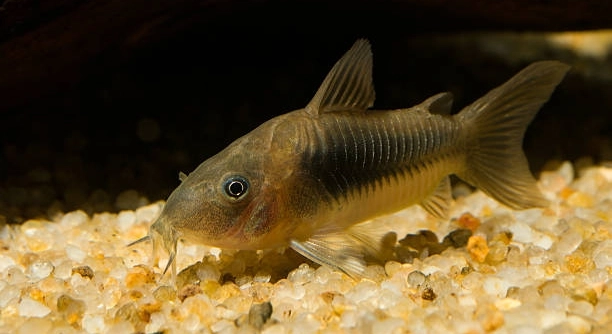
Is your Corydoras catfish spending more time than usual near the heater in its tank? This small behavior change might seem harmless at first, but it could be a sign of something more important going on.
Corydoras catfish may stay close to the heater due to stress, illness, or unsuitable tank conditions. Factors like water temperature, oxygen levels, or unbalanced parameters often lead them to seek warmth or comfort in that area.
Understanding these reasons can help you make better choices for your tank and keep your Corydoras healthy and active every day.
The Tank Might Be Too Cold
When the water temperature drops below the ideal range, Corydoras may gather near the heater to stay warm. These fish prefer temperatures between 72°F and 78°F, and anything cooler can cause discomfort or stress. In tanks that aren’t heated evenly or are located in colder rooms, the temperature can easily drop below what your fish needs. While Corydoras are hardy, they still rely on stable temperatures to stay healthy. When things get too cold, their immune systems can weaken, and their activity levels may decrease. Staying near the heater is a quick way for them to feel some relief. It’s important to check your tank’s temperature regularly using a reliable thermometer. If you notice a big difference between areas of the tank, it may be time to upgrade the heater or adjust its placement. Warmer, even water can encourage your Corydoras to explore the entire tank again.
Some Corydoras will stay close to the heater just to escape cool patches in the water that form in under-filtered or poorly circulated tanks.
To fix this, make sure your heater is strong enough for your tank size and that water circulates properly. Adding a small circulation pump can help even things out.
Oxygen Levels Are Too Low
When oxygen levels drop in your tank, Corydoras often respond by changing their usual behavior. That includes gathering near the heater, where the water might be slightly more comfortable or oxygen-rich due to heat movement. These fish normally get oxygen from the water but will also dart up to the surface for gulps of air when conditions worsen. Low oxygen is often caused by high temperatures, poor surface movement, or overcrowding. If you’re seeing multiple fish near the heater or at the top gasping, it’s a sign something’s off. Consider increasing surface agitation with an air stone or adjusting the filter flow. Clean your tank regularly to prevent waste buildup, which can reduce oxygen. Also, be mindful of overstocking, as more fish mean more oxygen demand. Fixing these issues quickly helps keep your fish relaxed and active throughout the tank, not just hiding out near the heat source.
The Water Flow Might Be Too Strong
Strong water flow can make Corydoras feel uncomfortable, especially if the current is constant and overpowering. These bottom-dwellers prefer calmer areas and may retreat near the heater where the flow is often gentler and more stable.
If your filter is pushing out water too forcefully, it can cause your Corydoras to avoid open spaces. High flow may make it difficult for them to forage or rest properly along the substrate. Check how your filter is positioned, and consider using a sponge filter or adjusting the outflow direction to reduce the current. Adding plants or decorations can also help break up strong water movement and give your Corydoras a place to rest. If they’re constantly swimming against the flow, they’ll use unnecessary energy and may become stressed. Keeping the current mild in part of the tank can help them feel more at ease and behave more naturally.
A strong filter may also stir up debris, creating more movement near the heater where fish often rest. This can lead your Corydoras to stay close to that area for safety and comfort. Monitor how your fish move throughout the tank. If they avoid certain areas and stick to the heater zone, adjusting flow strength is a helpful next step.
They Might Be Feeling Unwell
Sometimes fish linger near the heater because they are trying to warm up when they feel unwell. Illness can cause them to slow down and seek out the most comfortable spot, which is often near a heat source.
A sick Corydoras might move less, stay hidden, or appear pale. If they’re sticking to the heater and avoiding others, it could be a sign something isn’t right. Common illnesses like bacterial infections, parasites, or internal issues can all change behavior. Look for other symptoms—clamped fins, labored breathing, or loss of appetite. Keep water conditions stable and perform partial water changes to help reduce stress. If needed, set up a quarantine tank for treatment. Use a test kit to monitor ammonia, nitrites, and nitrates, as poor water quality can quickly make things worse. Identifying changes early gives you the best chance to support your fish and prevent bigger issues from spreading.
The Lighting Might Be Too Harsh
Bright or direct lighting can make Corydoras feel exposed and stressed. They prefer dimmer areas with shelter. If the rest of the tank is too bright, the heater zone might offer shade, making it a preferred hiding spot.
Try adjusting the intensity or adding floating plants to soften the lighting. Creating shaded areas helps your Corydoras feel more secure and encourages them to explore beyond the heater.
The Heater Placement Affects Behavior
Where you place the heater can change how your Corydoras use the tank. If it’s located in a quiet corner or near cover, they may naturally spend more time there. Heaters can also slightly affect the local temperature, drawing fish in when other parts of the tank feel cooler or more exposed. If fish gather in that one spot often, it’s worth checking if it’s simply the most comfortable area. Try rearranging decorations or placing the heater in a less attractive location to see if their behavior changes. A balanced setup helps them spread out and behave more normally.
They’re Resting or Sleeping
Corydoras sometimes rest near heaters simply because it’s warm and calm. If this behavior happens mostly at night or during quiet periods, it’s likely harmless and part of their usual routine.
FAQ
Is it normal for Corydoras to stay near the heater?
It can be normal in some situations, especially if they’re resting or the tank’s temperature is a little off. But if they’re constantly glued to the heater and not exploring the tank, something may be off. Check water temperature, flow, tankmates, and general tank setup. Corydoras are active fish that usually explore in groups along the bottom. Constant heater-hugging could be a sign of stress, illness, or discomfort. Look at the full picture to understand why it’s happening and whether you need to adjust anything in their environment.
Could the tank be too cold even if the heater is on?
Yes, that can happen. Heaters don’t always keep the whole tank evenly warm. If your room is cold or your tank is big, there may be cooler spots far from the heater. Corydoras will naturally drift toward warmer areas if that’s the case. It’s a good idea to use a thermometer on the opposite end of the tank to compare temperatures. If there’s a big difference, consider adjusting your heater’s position or adding a second one to spread heat more evenly. Consistent warmth helps your fish stay healthy and active.
How can I tell if my Corydoras are stressed?
Stressed Corydoras may act jumpy, breathe fast, hide more, or stay still in one area—often near the heater. Other signs include faded color, clamped fins, or swimming erratically. If you notice this kind of behavior, take a close look at your water quality and tank conditions. Poor water parameters, loud noises, bullying tankmates, or sudden changes in temperature can all create stress. Test your water, check filter flow, and make sure they have quiet, shaded spots to relax. Corydoras do best in peaceful, stable environments with clean water and soft substrate.
Can heater placement cause behavior changes in Corydoras?
Definitely. If your heater is in a quiet, low-traffic spot, your Corydoras might settle there just because it feels safe. Heaters also give off slight warmth, and fish can sense that comfort. Some fish might gravitate to that area more if the rest of the tank feels too bright or busy. It’s worth checking if they’re just seeking shelter or reacting to something uncomfortable elsewhere. Moving the heater or rearranging décor can sometimes help them spread out more evenly.
What water temperature is best for Corydoras?
Most Corydoras species thrive in water between 72°F and 78°F (22°C to 26°C). However, some types prefer it slightly cooler or warmer. Always research your specific species. Sudden drops or spikes can cause stress, so try to keep the temperature steady. Using a reliable heater, double-checking with a thermometer, and keeping your tank away from drafts or direct sunlight helps maintain stability. If your Corydoras are clumping near the heater, check the rest of the tank to make sure it’s not cooler than it should be.
Should I be worried if only one Corydoras is near the heater?
If it’s just one fish and it’s acting strangely, it could be sick or injured. Corydoras are schooling fish and usually stick together. A lone fish near the heater while the others are active may need help. Look for any physical changes like bloating, frayed fins, or spots on the skin. Also, check if it’s eating normally. If you suspect something’s wrong, consider isolating it in a hospital tank for closer monitoring. Quick action can often prevent issues from spreading to the rest of the group.
Can lighting affect where Corydoras spend their time?
Yes, bright lighting can make Corydoras shy away from open areas. They’re naturally drawn to darker spots where they feel protected. If the tank is brightly lit, they may hang out near the heater simply because it offers shade or cover. Using dimmer lights, adding floating plants, or creating shaded zones with décor can help them feel more comfortable moving around. When lighting is balanced, Corydoras tend to be more social and visible during the day.
Do Corydoras like to be near warm surfaces?
They don’t actively seek heat like reptiles, but they do enjoy stable, comfortable temperatures. If the area around your heater is warmer or calmer, it may become a favorite resting spot. However, if they cling to it constantly, make sure they’re not avoiding something else. Always rule out poor water conditions, aggression, or stress triggers in the tank. A heater should never be the only area that feels safe or comfortable for your Corydoras.
Could tankmates cause Corydoras to stay near the heater?
Yes, aggressive or fast-swimming tankmates can push Corydoras into hiding. If your fish are getting chased or crowded during feeding, they might retreat near the heater for safety. Corydoras do better with peaceful species that won’t bother them. If you suspect bullying, observe interactions during feeding and explore changes like adding plants, caves, or even rehoming the troublemaker. A peaceful setup goes a long way in helping your Corydoras feel secure and behave naturally.
Final Thoughts
When Corydoras spend too much time near the heater, it’s usually a sign that something in the tank isn’t quite right. These fish are active bottom dwellers and like to explore in groups. If they’re staying in one place for long periods, especially near a warm surface, it could mean they are uncomfortable or stressed. Temperature differences in the tank, water quality problems, or even stress from other fish can cause this kind of behavior. It’s important to look at the full setup and check everything from equipment to fish interactions. Even small changes in the environment can affect how these fish act.
Water conditions play a big role in keeping Corydoras healthy. They need stable temperatures, clean water, and a calm space. A heater that works well and maintains an even temperature across the tank is essential. So is a reliable filter and regular water testing. If one area of the tank is warmer than the rest, your Corydoras may crowd there for comfort. But long-term, this isn’t ideal. Spread out the heat by placing the heater correctly or using more than one if the tank is large. Make sure your tankmates are peaceful and the lighting isn’t too harsh. These details help your fish feel safe and act naturally.
Overall, try not to panic if you see your Corydoras near the heater now and then. Watch their behavior over time instead of making quick changes. If they’re still active, eating well, and schooling together, they’re probably fine. But if they seem sluggish, alone, or show other unusual signs, take a closer look at the tank. Adjust things slowly and carefully so the changes don’t stress them more. When your tank setup matches their needs, Corydoras are easy to care for and fun to watch. They do best in clean, steady conditions with space to explore and soft places to rest. Keeping things simple and balanced goes a long way in helping them thrive.

Hello,
If you enjoy the content that we create, please consider saying a "Thank You!" by leaving a tip.
Every little bit helps us continue crafting quality advice that supports the health, happiness, and well-being of pets around the world, for pets of all shapes, sizes, and species.
We really appreciate the kindness and support that you show us!