
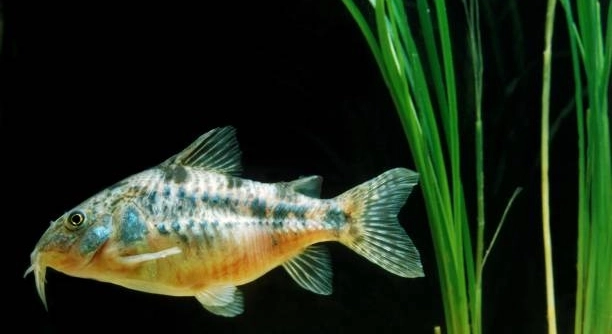
Corydoras catfish are peaceful and social creatures, but when tank mates overwhelm them, it can affect their well-being. Knowing how to spot signs of stress in your catfish is key to creating a harmonious aquarium environment.
The simplest way to determine if your Corydoras is feeling overwhelmed by its tank mates is by observing changes in behavior or physical health. Common symptoms include hiding more often, decreased activity, and visible signs of stress like fin clamping or rapid gill movement.
Understanding the symptoms of an overwhelmed Corydoras will help you create a better environment for your fish. Identifying these signs early on can prevent long-term stress and ensure your fish remain healthy and comfortable.
Signs of Stress in Corydoras Catfish
Corydoras catfish are generally calm and sociable, but when they’re feeling overwhelmed by their tank mates, they can show various signs of stress. This could be due to aggression from other fish, overcrowding, or environmental factors like water quality. When these fish are stressed, they may behave differently than usual. For example, they might hide more frequently, particularly during the daytime. If your Corydoras is spending most of its time in dark corners or buried in the substrate, it’s likely feeling uncomfortable.
It’s important to keep an eye on their physical condition as well. Stress can lead to physical symptoms like faded colors or fin damage, which could worsen over time if left unaddressed.
Always monitor the behavior and health of your catfish, as they tend to be sensitive to their surroundings. Being aware of these early signs can help you make adjustments before the situation gets worse.
Aggressive Tank Mates: How They Affect Your Corydoras
Aggressive fish can make your Corydoras feel unsafe and anxious. These species may chase, nip at, or intimidate your catfish, preventing it from feeding or interacting with others.
The best way to minimize this issue is by researching tank mates before adding them to your aquarium. Some fish, such as larger or more territorial species, are more likely to bully or stress out smaller, peaceful fish like Corydoras. Even if you’ve had your Corydoras for a while, introducing new tank mates can disturb the balance of the tank.
A good solution is to choose tank mates that are also peaceful and don’t compete for the same resources. Corydoras thrive in schools of their own kind, so introducing more of them can help ease stress. Also, keeping the tank clean and ensuring there’s enough space for everyone to move freely can help reduce tension. Be mindful of any signs of aggression and intervene if needed.
Water Quality and Its Impact on Your Corydoras
Poor water quality can cause stress in Corydoras catfish. If the water is too dirty, overly acidic, or has high levels of ammonia, your fish will struggle to thrive. This can lead to lethargy, loss of appetite, and even illness.
Regular water changes and proper filtration can keep the water in your tank clean and safe. Corydoras are sensitive to changes in their environment, so ensuring a stable water pH level and low ammonia or nitrite levels is essential. Make sure to test the water regularly to ensure it’s within the ideal range for your fish.
In addition, if the water temperature fluctuates too much, it can cause added stress. Corydoras prefer a stable temperature between 72°F and 78°F. Invest in a good aquarium heater to maintain the ideal temperature, and be mindful of any sudden changes. Maintaining consistent water quality can help your Corydoras feel more at ease and reduce stress caused by environmental factors.
Overcrowding and Limited Space
When a tank is overcrowded, there’s not enough room for your Corydoras to swim and explore. This can create tension, making your catfish feel cramped and overwhelmed. A crowded tank leads to higher stress levels and can affect their overall health.
It’s important to make sure your tank has enough space for all the fish to swim comfortably. Corydoras are social creatures, but they also need their personal space. As a general rule, allow at least 10 gallons of water for every 5 to 6 fish. This way, everyone will have room to move around without feeling overcrowded.
In addition, overstocking can negatively impact the water quality. More fish means more waste, which can lead to higher ammonia levels. If you notice that your catfish are constantly hiding or not interacting with the tank, it might be time to reconsider the number of fish in your aquarium. Reducing the population will give your Corydoras the space they need to feel safe.
Incompatible Tank Mates
Some fish just don’t get along with Corydoras. Larger, more aggressive fish may bully or outcompete them for food, causing stress. Even peaceful species that aren’t compatible can cause tension and unease.
Avoid keeping Corydoras with fish that may show territorial behaviors, like cichlids or larger bottom-dwelling species. These tank mates can disrupt the calm environment Corydoras need. If aggression becomes a regular issue, it’s best to separate the fish or find other peaceful companions. Watch for behavior changes in your catfish as they try to cope with aggressive tank mates.
Tank Lighting and Stress
Bright, intense lighting can cause Corydoras to hide, as they are naturally more active in low-light conditions. Excessive light can make them feel exposed and anxious.
Corydoras catfish prefer dim lighting that mimics their natural environment. Adjusting the tank’s lighting can help them feel more secure. Using plants, rocks, or other decorations can also provide hiding spots, which allows the catfish to retreat when they feel stressed.
FAQ
How do I know if my Corydoras is stressed?
The signs of stress in Corydoras can be subtle. Some of the most common symptoms include hiding more often, reduced activity, or a noticeable change in their eating habits. If your Corydoras is swimming erratically or staying in one spot for long periods, it may be stressed. You may also notice physical changes, like fading colors or damaged fins. If you see any of these signs, it’s time to check the water quality, tank mates, and environment to see if there’s something causing stress.
Can Corydoras tolerate high temperatures?
Corydoras are sensitive to temperature changes and prefer a stable environment. The ideal water temperature for these fish is between 72°F and 78°F. If the temperature rises above 80°F, your Corydoras could become stressed, and prolonged exposure to high temperatures can weaken their immune system. It’s important to use a reliable aquarium heater and thermometer to ensure the water stays in the optimal range.
Are Corydoras catfish good with other fish?
Corydoras are peaceful and social, often doing well with other peaceful fish. However, they can become stressed if housed with aggressive or territorial species. Good tank mates include small tetras, livebearers, or other peaceful bottom dwellers. Avoid larger or more aggressive fish, like cichlids, that may outcompete them for food or harass them. If your Corydoras is stressed, it might be due to incompatible tank mates.
Why is my Corydoras hiding all the time?
Hiding is a common sign of stress for Corydoras. This can be due to a variety of factors, such as aggressive tank mates, poor water quality, or bright lighting. Corydoras feel more secure in dark, peaceful environments and might hide more if they’re feeling threatened. Check for changes in behavior and make sure their environment is calm. If they continue to hide, it might be time to adjust tank conditions or tank mates.
How often should I feed my Corydoras?
Corydoras are bottom-feeders and prefer to scavenge for food. They should be fed 2-3 times per day, but it’s important not to overfeed. Offer small portions of sinking pellets, which are better suited for bottom-dwelling fish. Make sure all food is eaten within a few minutes to avoid water quality issues. If food is left behind, it can lead to stress and health problems.
Can Corydoras live in a tank with high flow?
Corydoras generally prefer a calm environment with low to moderate water flow. Strong water currents can cause stress, as they are not built for swimming against fast-moving water. If your aquarium filter is too strong, consider adjusting the flow rate or using a sponge filter, which creates gentler water movement. Provide areas where your Corydoras can retreat to avoid strong currents, ensuring they feel more comfortable.
Do Corydoras need a lot of space?
While Corydoras do not require a massive amount of space, they do need enough room to swim freely. A tank of at least 20 gallons is recommended for a small group of Corydoras. The more space they have, the less likely they are to feel overcrowded or stressed. Ensure the tank has plenty of hiding spots, and avoid overstocking to prevent stress caused by competition for space or food.
Can Corydoras catfish live alone?
Corydoras are social creatures and should be kept in groups. Keeping them alone can cause stress, as they feel safer and more comfortable when surrounded by others of their kind. A group of at least 3-5 Corydoras is ideal, but more is even better. A school of Corydoras will swim together, and this behavior can help alleviate stress and promote a healthier, happier environment for your fish.
How do I prevent stress in my Corydoras?
To prevent stress in Corydoras, it’s crucial to create a peaceful, stable environment. Maintain good water quality by doing regular water changes and checking the water parameters. Avoid overstocking the tank and ensure that the fish are compatible with one another. Reduce stress from lighting by providing dim or natural light and using plants or decorations to create hiding spaces. A low-stress environment will encourage your Corydoras to be more active and thrive.
What should I do if my Corydoras is showing signs of illness?
If your Corydoras is showing signs of illness, such as faded colors, unusual swimming patterns, or loss of appetite, you should first check the water quality. Make sure the parameters are within the ideal range for Corydoras. If the water is fine, you may want to isolate the fish in a quarantine tank and consult a veterinarian who specializes in fish. Providing a stress-free environment and a balanced diet can help improve their chances of recovery.
Can Corydoras live in a tank with plants?
Corydoras love planted tanks as they provide hiding spots and natural cover. Plants also help keep the water quality in check by absorbing excess nutrients. Make sure to include plants with soft leaves to avoid damaging your catfish’s sensitive barbels. Live plants are a great way to create a more natural, secure environment for your Corydoras.
Final Thoughts
Corydoras catfish are peaceful and sociable fish that thrive in calm and stable environments. If you notice signs of stress in your Corydoras, it’s important to address the issue quickly. Stress can be caused by many factors, such as aggressive tank mates, poor water quality, overcrowding, or unsuitable lighting. Understanding these factors can help you create a better habitat for your fish, reducing stress and improving their overall health.
Ensuring that your Corydoras has compatible tank mates, good water quality, and a stress-free environment is key to their well-being. Be mindful of the water temperature, the flow of the current, and the lighting in your tank. Providing hiding spots and plenty of space to swim freely will help your fish feel more secure. By regularly checking the conditions in your aquarium and watching for any changes in behavior, you can prevent issues before they become serious.
Lastly, remember that Corydoras are social creatures that feel more comfortable in groups. Keeping them in a school of at least three or more will help them feel safe and reduce stress. When these fish are kept in the right environment with the right care, they can live healthy, happy lives, bringing beauty and activity to your aquarium. Pay attention to their needs, and you’ll see your Corydoras flourish.

Hello,
If you enjoy the content that we create, please consider saying a "Thank You!" by leaving a tip.
Every little bit helps us continue crafting quality advice that supports the health, happiness, and well-being of pets around the world, for pets of all shapes, sizes, and species.
We really appreciate the kindness and support that you show us!