
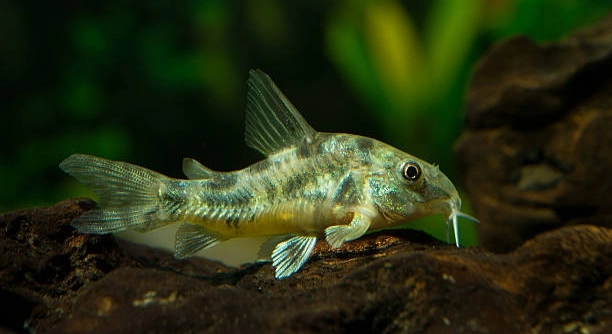
Corydoras catfish are popular in aquariums for their peaceful nature and unique behaviors. Sometimes, they swim in circles, which can be puzzling to aquarium owners. Understanding this behavior is key to ensuring their well-being.
Corydoras catfish swimming in circles can indicate various factors such as stress, environmental changes, or health issues. Observing their behavior closely and addressing potential causes can help restore their comfort and health in your aquarium.
Identifying the exact cause behind this behavior is essential for your catfish’s care. By examining several potential factors, you can improve their environment and prevent any ongoing issues.
Stress and Anxiety
Stress is one of the most common reasons for Corydoras catfish to swim in circles. These fish are sensitive to changes in their environment, such as sudden shifts in water parameters, overcrowded tanks, or new tank mates. If the water is too warm or too cold, or if the pH fluctuates, your catfish might become stressed. Another stress factor could be poor tank conditions, like dirty water or a lack of hiding places. Overcrowding can also lead to stress as the catfish feel crowded, especially if there aren’t enough spaces to retreat. When stressed, Corydoras may exhibit erratic behavior, including swimming in circles.
In such cases, the fish will likely settle down once their environment is adjusted. Paying attention to their surroundings and the tank’s overall health is essential. Consider using water conditioners to stabilize pH and temperature.
A more relaxed environment allows Corydoras to return to their usual peaceful behavior. This includes offering them more hiding spots, such as plants, caves, or driftwood. Adding water changes and monitoring temperature and pH can also help reduce stress.
Poor Water Quality
Dirty water is another key factor behind your catfish’s behavior. If water quality isn’t up to standard, your Corydoras catfish might swim in circles as they try to find better oxygenated water. High levels of ammonia, nitrites, or nitrates in the tank can irritate the fish, causing them to swim aimlessly. Low oxygen levels can also make them more active in search of a better oxygen supply. Make sure your filtration system is working correctly and that you’re doing regular water changes.
Maintaining clean water is crucial to their health. Regular water testing is an easy way to monitor parameters and avoid issues.
A good filtration system is key to keeping water conditions optimal. Consider using a high-quality filter and doing regular water changes to keep toxins at bay. Also, make sure you’re feeding your fish properly and removing any uneaten food, as it can contribute to poor water quality.
Illness or Injury
If your Corydoras catfish is swimming in circles, it could be a sign of illness or injury. Diseases such as swim bladder disorder or internal parasites can cause abnormal swimming patterns. Injuries, like damage to fins or body, might also lead to disorientation and erratic movement.
Pay attention to other symptoms like bloating, faded color, or abnormal posture. These signs can indicate that the catfish is not feeling well. Checking for wounds or any visible signs of disease is essential to determining if your fish is ill.
If illness or injury is suspected, isolating the affected fish in a separate quarantine tank is recommended. Provide proper treatment based on the specific issue, such as medication for parasites or a suitable diet for digestion problems. Always monitor their behavior closely and ensure they are comfortable.
Lack of Food or Competition
Corydoras catfish can sometimes swim in circles when they are hungry or struggling to compete for food. These fish are bottom feeders, so they often rely on food that sinks to the bottom of the tank. If other fish are outcompeting them for food, they might swim frantically, searching for scraps.
This behavior can be more noticeable if there are faster, more aggressive tank mates. Feeding them in separate areas or at different times might help reduce this competition. Additionally, you can try providing sinking pellets to ensure that your Corydoras get enough food.
Maintaining a consistent feeding schedule and monitoring how much food is consumed can help. If your Corydoras is having difficulty finding food, adding more hiding spots or adjusting tank mates can also be helpful.
Water Temperature Fluctuations
Changes in water temperature can cause Corydoras catfish to swim in circles. These fish are sensitive to sudden drops or increases in temperature, which can lead to disorientation and stress. Keeping the temperature stable is important for their health and comfort.
Use a reliable aquarium heater to maintain a consistent temperature within the ideal range, usually between 72°F and 78°F. Rapid fluctuations can make your Corydoras uncomfortable, so monitoring and adjusting the heater settings carefully is necessary.
Tank Size and Overcrowding
Overcrowding can also contribute to erratic swimming behavior in Corydoras catfish. When there are too many fish in a small tank, the water quality can degrade quickly, leading to stress. A tank that’s too small limits their space to swim, causing them to feel trapped.
To prevent overcrowding, ensure your aquarium is large enough to accommodate all the fish. A 20-gallon tank is often the minimum for a small group of Corydoras. Providing enough room helps keep them calm and reduces the likelihood of swimming in circles.
Inadequate Hiding Spaces
Corydoras catfish enjoy having hiding spots in their environment. Without adequate shelters like plants, caves, or rocks, they may feel exposed and anxious. This anxiety can cause them to swim in circles as they search for a safe space to retreat to.
FAQ
Why does my Corydoras catfish swim in circles?
Corydoras catfish may swim in circles due to stress, poor water quality, illness, injury, or lack of food. They can also exhibit this behavior if the tank is overcrowded or if there are temperature fluctuations. Stress from environmental changes or aggressive tank mates can cause disorientation. Health problems like swim bladder disorder or parasites can lead to abnormal swimming patterns as well.
How can I reduce stress for my Corydoras catfish?
To reduce stress, ensure the water quality is optimal, with stable temperature, pH, and hardness. Regular water changes and a good filtration system will help. Avoid sudden changes in the environment, and be mindful of tank mates. Providing plenty of hiding spots, such as plants and caves, can also help reduce stress by offering your fish safe spaces.
What is the ideal water temperature for Corydoras catfish?
Corydoras catfish thrive in water temperatures between 72°F and 78°F (22°C to 26°C). Temperature fluctuations can stress them out and cause erratic swimming. Using a reliable aquarium heater will help maintain a consistent temperature within this range, keeping your fish comfortable.
Can overcrowding cause Corydoras catfish to swim in circles?
Yes, overcrowding can lead to poor water quality, which in turn stresses your Corydoras. If there are too many fish in a small tank, the oxygen levels may drop, and waste can accumulate quickly, both of which can make your catfish feel anxious and swim erratically. To avoid overcrowding, make sure your tank is large enough for the number of fish you have.
What should I do if my Corydoras catfish is injured?
If you notice an injury, it’s important to isolate the injured fish in a separate quarantine tank. This will prevent further stress from other tank mates. Monitor the injury for signs of infection and treat it with appropriate medications. Ensure the quarantine tank has clean, stable water to help the healing process.
How can I tell if my Corydoras catfish is sick?
Sick Corydoras may exhibit signs like faded colors, bloating, difficulty swimming, or erratic movements. If they swim in circles or appear to be disoriented, check for other symptoms, such as clamped fins or unusual behavior. Diseases like swim bladder disorder, parasites, or internal infections can cause these signs. It’s best to isolate the fish and treat accordingly.
Can I use aquarium salt to treat Corydoras swimming in circles?
Aquarium salt can sometimes be used to treat stress or minor injuries in freshwater fish, including Corydoras. However, it’s important to use it in the correct dosage and only for specific conditions, such as mild skin injuries or parasitic infections. Avoid overuse, as Corydoras are sensitive to salt. Always check the fish’s behavior after adding salt to ensure they’re reacting well.
Do Corydoras need a lot of swimming space?
Yes, Corydoras catfish enjoy having plenty of room to move around. A cramped tank can make them feel stressed and cause erratic behavior like swimming in circles. While they are bottom-dwellers, having enough space for them to explore is important. A 20-gallon tank is recommended for a small group of Corydoras to ensure they have enough space.
Why is my Corydoras catfish swimming in circles after I added new tank mates?
Adding new tank mates can sometimes cause stress for Corydoras. They may swim in circles as they try to adjust to the presence of unfamiliar fish. Aggressive tank mates can also contribute to this behavior, as Corydoras may feel threatened. Make sure to choose peaceful companions and monitor their interactions closely.
Can Corydoras catfish swim in circles due to lack of food?
Yes, Corydoras may swim in circles if they are struggling to find food, especially if there are faster or more aggressive tank mates competing for food. Ensure they have enough food available, such as sinking pellets, which they can easily access. Also, try feeding your Corydoras in a separate area of the tank to prevent competition.
What is the best diet for Corydoras catfish?
Corydoras are omnivores and prefer a balanced diet of both plant and animal matter. You can feed them high-quality sinking pellets, freeze-dried or frozen foods like bloodworms and brine shrimp, and occasional vegetables such as blanched spinach. Offering a variety of foods ensures they get the nutrients they need to stay healthy.
Is it normal for Corydoras catfish to swim in circles at night?
Corydoras are generally more active during the evening and early morning hours, as they are nocturnal fish. However, excessive swimming in circles at night can indicate stress or discomfort. If the behavior persists, it’s important to check water parameters, tank conditions, and any potential health issues.
Final Thoughts
Corydoras catfish are generally peaceful and easy to care for, but when they start swimming in circles, it can be a sign that something isn’t quite right. It’s important to take a step back and assess the situation carefully. Factors like stress, poor water quality, or even illness can lead to this unusual behavior. By closely observing your fish and checking the water parameters, you can often identify the cause of their erratic swimming. Keeping their environment stable and ensuring they are comfortable can help ease their anxiety and bring them back to their normal, calm state.
Addressing the root cause of the problem is key. Stress can stem from several factors, including overcrowded tanks, aggressive tank mates, or sudden changes in the water conditions. Ensuring that your tank is well-maintained and the water quality is up to standard will go a long way in keeping your Corydoras happy. If the fish are still showing signs of distress despite these adjustments, it could be time to check for illness or injury. Often, isolating the affected fish in a quarantine tank and providing proper treatment will help them recover.
The most important thing is to remain patient and observant. Corydoras are resilient, and with the right care, they will usually bounce back from minor stresses or health issues. Regular maintenance, a balanced diet, and a peaceful tank environment are key to their long-term health. If you follow these simple steps and monitor your fish closely, you’ll be able to keep your Corydoras catfish healthy and happy, preventing any more erratic swimming behavior.

Hello,
If you enjoy the content that we create, please consider saying a "Thank You!" by leaving a tip.
Every little bit helps us continue crafting quality advice that supports the health, happiness, and well-being of pets around the world, for pets of all shapes, sizes, and species.
We really appreciate the kindness and support that you show us!