
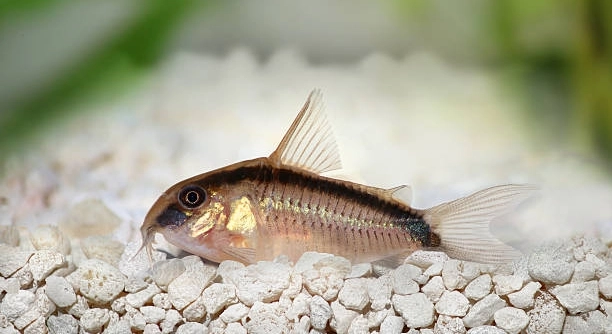
Corydoras catfish are a popular and gentle species in home aquariums. However, water flow in the tank can cause them stress, leading to unhealthy behaviors. It’s important to keep their environment calm and balanced.
Water flow affects Corydoras catfish by causing them discomfort, disrupting their natural behaviors, and increasing stress levels. Proper water flow management, through adjustments in filtration and tank setup, can greatly enhance their well-being.
By making a few simple changes to your aquarium, you can help keep your Corydoras catfish comfortable and happy. Let’s explore how to minimize stress from water flow and create a peaceful environment.
Understand How Water Flow Affects Corydoras Catfish
Water flow can have a significant impact on Corydoras catfish. These little fish are naturally found in slow-moving waters like rivers and streams. When the water flow in your aquarium is too strong, it can cause them stress. Corydoras rely on calm waters to rest, forage for food, and feel safe. If they are constantly swimming against a strong current, it can exhaust them, leading to poor health. In some cases, the constant stress can result in them hiding more than usual or not eating properly. To prevent this, understanding how water flow affects them is essential for creating a stable environment.
Strong currents are not just uncomfortable for these fish, but they can also affect their overall behavior. When Corydoras are stressed, they may become more vulnerable to illnesses or injuries. That’s why managing the water flow in your tank should be a top priority to keep your catfish happy and healthy.
To ensure the well-being of your Corydoras, you need to adjust the water flow in a way that mimics their natural habitat. This might mean lowering the output of your filter or using different filtration systems. You can also create areas with calmer water by using decorations or plants. These small adjustments will give your Corydoras the space and quiet they need to feel at ease. It’s a simple yet effective solution to prevent unnecessary stress.
Check the Position of Your Filter
The position of your filter plays a major role in water flow. Filters are typically located at the back or sides of the tank, but their placement can create areas with strong currents.
Moving your filter to a more strategic spot can help reduce the water flow in the areas where your Corydoras spend most of their time. Try to place it in a corner or position it so the current flows in a direction that avoids areas with your fish’s resting spots. This simple adjustment can make a big difference. By controlling water movement around the tank, you give your Corydoras a place to retreat from the current while still keeping the tank clean and healthy.
Use Sponge Filters
Sponge filters are a great alternative to traditional power filters, especially for tanks with Corydoras. They provide gentle filtration and don’t create strong currents that could stress your fish. This type of filter helps maintain a clean tank without disturbing the calm waters Corydoras prefer.
Sponge filters are perfect for keeping the water movement slow and gentle. They work by drawing water through a sponge, which also acts as biological filtration. Since they are air-driven, they create less water movement than motorized filters. This makes the environment more comfortable for Corydoras. You can place them in a corner or any area that doesn’t interfere with the catfish’s swimming space.
They also help oxygenate the water without causing turbulence. By reducing the current, your Corydoras can continue to explore, eat, and interact without struggling against strong water flow. Plus, they are easy to maintain and provide long-term benefits to your aquarium’s overall health. It’s a simple and effective solution.
Add Plants and Decorations
Adding plants and decorations to your aquarium helps create calm zones. By arranging these objects in a way that disrupts the current, you give your Corydoras more areas to explore at their own pace. Plants not only provide shelter, but they also break up the flow of water, creating a more peaceful environment.
Live plants like java moss, water wisteria, and Anubias are perfect for Corydoras tanks. They act as natural barriers, reducing water flow and providing hiding spots for your fish. Positioning them carefully around the tank will let your Corydoras have some respite from the current. They’ll feel more secure, which can encourage them to forage, swim, and even breed.
Decorations such as driftwood, rocks, or caves can have a similar effect. Placing these objects thoughtfully helps create low-flow zones while still providing plenty of space for the fish. The key is to create a balance between aesthetic appeal and functionality, making sure that the decorations contribute to the well-being of your Corydoras without overcrowding the tank.
Adjust the Water Flow Rate
Reducing the water flow rate is one of the easiest ways to minimize stress for your Corydoras. Many aquarium filters allow you to adjust the flow, which can help you find the right balance for your fish. A gentle, steady current is ideal.
If your filter’s flow rate is too high, it can push your Corydoras around the tank. On the other hand, if the flow is too low, it might not adequately clean the tank. Finding a middle ground ensures your fish are comfortable while maintaining a healthy environment.
Use a Pre-Filter
A pre-filter can be attached to your aquarium filter to reduce water flow even further. It helps to slow down the rate at which water passes through the filter while still maintaining cleanliness.
These filters are simple to install and can be used with various filtration systems. By decreasing water movement near the intake, you protect your Corydoras from sudden strong currents while keeping the water clean. This small addition can make a big difference in how the fish feel in their tank.
Maintain Proper Water Temperature
Keeping your aquarium at the right temperature is vital for Corydoras. They prefer cooler waters around 72–78°F (22–26°C). Extreme temperatures can stress them out and make them more sensitive to changes in water flow. Make sure to use a reliable heater if necessary.
FAQ
How can I tell if my Corydoras are stressed from water flow?
When Corydoras are stressed by water flow, they may display certain behaviors. They might swim erratically, struggle to maintain a steady position in the tank, or spend more time hiding. You may also notice that they avoid areas with stronger currents or seem less active overall. If they’re stressed, their eating habits may change, and they might not forage as much. These signs indicate that your Corydoras are uncomfortable with the water flow in the tank.
Can too much water flow harm Corydoras catfish?
Yes, excessive water flow can harm Corydoras. These fish are not suited for strong currents, as they naturally live in calm waters. If the water flow is too strong, it can exhaust them, leading to poor health or even injury. Over time, stress from high water flow can weaken their immune system and make them more susceptible to disease. It’s essential to adjust the water flow to keep them in a more natural, low-current environment.
What type of filter is best for Corydoras?
A sponge filter is often the best choice for Corydoras. Unlike power filters that create strong currents, sponge filters provide gentle filtration while also promoting oxygen exchange in the tank. They are ideal for keeping the water clean without disturbing the fish. Additionally, sponge filters are easy to maintain and are safe for smaller fish like Corydoras.
Can I use a powerhead to control the water flow?
Yes, you can use a powerhead to control the water flow in your tank, but it’s important to make sure the powerhead is adjustable. By reducing the flow output, you can create a calmer environment for your Corydoras. Just be mindful of the position and direction of the flow to avoid creating too much turbulence in any one area.
What is the ideal water flow for Corydoras?
Corydoras prefer calm, slow-moving water. The ideal flow is minimal, allowing them to move freely without struggling against strong currents. A gentle filtration system with a slow water movement is best for these fish. You can achieve this by adjusting the flow rate on your filter or by using alternative filtration systems like sponge filters.
How do I create low-flow zones in my aquarium?
Creating low-flow zones can be done by placing decorations, rocks, or plants in strategic areas of the tank. These objects act as barriers to slow down the water movement. For example, placing a large rock in front of your filter’s outflow will redirect the current and create a more peaceful area for your Corydoras. Live plants can also be helpful in creating a calm environment.
Is it safe to have a filter in the tank if I have Corydoras?
Yes, having a filter is important for maintaining clean water, but the type and placement of the filter matter. Corydoras do well with sponge filters or power filters with adjustable flow rates. Make sure the filter is positioned in such a way that it doesn’t create strong currents where your Corydoras like to swim.
How often should I check the water flow in my tank?
It’s a good idea to check the water flow regularly, especially if you notice any changes in your Corydoras’ behavior. Water flow can change over time due to adjustments in the filter or buildup of debris. Aim to check the flow every couple of weeks or whenever you do tank maintenance. Regular checks ensure that the water flow remains at a level that’s comfortable for your fish.
Can adding plants help reduce water flow for Corydoras?
Yes, adding plants to your aquarium can significantly reduce water flow. Plants like Anubias, java moss, and water wisteria naturally break up the current, creating calmer areas for your Corydoras to relax. In addition to their calming effect, plants provide shelter, improve water quality, and contribute to a more natural environment.
What other fish are suitable for a tank with low water flow?
Other peaceful fish species that thrive in low-flow environments include bettas, guppies, and neon tetras. These fish prefer calm waters, so they will coexist well with Corydoras. When setting up your tank, consider their needs and avoid species that require strong currents. Maintaining a peaceful, low-flow environment benefits all the fish in the tank.
How do I know if my aquarium filter is too strong for my fish?
If your aquarium filter is too strong, you might notice that your fish, including Corydoras, are constantly fighting the current. They may swim near the bottom of the tank, appear exhausted, or avoid certain areas of the aquarium. If this happens, it’s a sign that the filter’s flow rate is too high, and adjustments need to be made. Reducing the flow or repositioning the filter can help.
What’s the best way to adjust water flow without replacing the filter?
You don’t necessarily have to replace the filter to adjust the water flow. There are several ways to modify it. First, check if the filter has an adjustable flow rate and reduce it. You can also use accessories like pre-filters or diffuser attachments to disperse the water flow. Moving the filter or using decorations to block the direct path of the water can also help create low-flow areas for your Corydoras.
Final Thoughts
Creating the right environment for your Corydoras catfish is essential for their health and well-being. These fish are sensitive to strong water flow, so it’s important to make sure the current in your aquarium is gentle. By adjusting the flow rate, using sponge filters, and placing decorations or plants strategically, you can provide your Corydoras with the calm environment they need to thrive. Small changes like these can have a big impact on their behavior and overall health.
It’s also important to remember that Corydoras are bottom dwellers, which means they spend most of their time near the substrate. Strong currents can prevent them from foraging comfortably or make it harder for them to find food. By reducing the flow, you allow them to feel safe and secure in their space, leading to more natural behaviors like exploring, eating, and even breeding. In fact, a stress-free environment is key to keeping them active and healthy in the long term.
While adjusting the water flow in your tank is one of the most effective ways to reduce stress for Corydoras, it’s just one part of creating the perfect habitat. Regular water changes, maintaining the proper temperature, and providing a balanced diet are all crucial elements to ensure your fish are happy. By paying attention to the small details and making the necessary adjustments, you can enjoy watching your Corydoras flourish in a peaceful and healthy environment.

Hello,
If you enjoy the content that we create, please consider saying a "Thank You!" by leaving a tip.
Every little bit helps us continue crafting quality advice that supports the health, happiness, and well-being of pets around the world, for pets of all shapes, sizes, and species.
We really appreciate the kindness and support that you show us!