
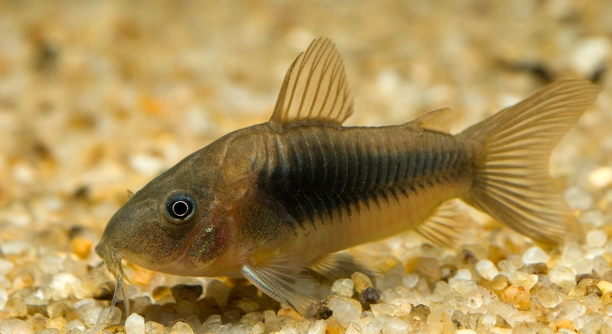
Is your Corydoras catfish zipping around more than usual when food hits the tank? You’re not alone in noticing this burst of activity.
Corydoras catfish become more active during feeding time due to heightened sensory stimulation, natural foraging instincts, and social feeding behaviors. Their increased movement is a typical and healthy response to the presence of food.
Beyond their playful energy lies a mix of biology, environment, and behavior that influences how they respond to meals in your aquarium.
Corydoras Catfish React Strongly to Food Stimuli
Corydoras catfish are bottom-dwellers known for their curious and social nature. During feeding time, their senses become more alert. The smell and movement of food in the water quickly catch their attention. These catfish have sensitive barbels that help them detect even small food particles on the substrate. When food enters the tank, they begin to search quickly and energetically. This reaction is natural and often seen in groups. The activity also serves as a way for them to communicate and interact with one another. Their movements may seem playful, but it is mainly a feeding behavior. They thrive in this kind of environment where they can explore and forage as a group. Their instincts kick in, and this active behavior helps them stay healthy and stimulated. It’s not just about eating—it’s also about how they engage with their surroundings and other fish during mealtime.
The increased movement you notice is tied to both physical instincts and social behavior. It keeps them active and engaged.
Feeding time mimics natural foraging in the wild. In rivers, Corydoras sift through sand and debris for small bits of food. This search behavior translates to aquarium life. In the tank, they stay low to the ground, using their sensitive barbels to detect food. When food is added to the water, especially sinking pellets or bloodworms, they instantly become more alert. The scent signals that it’s time to forage. This sets off a burst of energy. Their fast, darting movements and group activity might seem sudden, but it’s how they would behave in nature. A calm Corydoras can quickly become energetic as it scans the area and moves around with others. The feeding zone becomes the center of activity. Even if only one fish notices the food at first, the rest quickly follow. This behavior helps ensure all group members find enough to eat without fighting.
Natural Foraging Instincts and Group Dynamics
Corydoras are social fish that rely on group signals. When one starts moving quickly, others pick up on it and join in.
These catfish are naturally inclined to move in groups, and feeding time brings this behavior to the surface. Their instincts tell them that more movement might mean more food. If one catfish begins exploring or digging, the others rush to do the same. In the wild, this would help them locate and share food efficiently. The same thing happens in a tank setting. The fast activity is not random—it’s triggered by the presence of food and enhanced by the group’s excitement. Corydoras don’t compete aggressively for food, but they do act quickly to avoid missing out. Their group energy rises and falls together. This shared rhythm makes them feel more secure and allows each fish to eat without stress. Their instinct to search, combined with the group’s movements, explains their sudden bursts of activity when feeding starts.
Feeding Triggers Their Senses
Corydoras have excellent senses that help them find food quickly. Their barbels are very sensitive, allowing them to detect tiny particles in the substrate. The scent and motion of food instantly catch their attention and trigger their natural feeding behaviors.
Once food enters the water, Corydoras begin scanning their surroundings. Their sense of smell is strong, and even a small amount of food sets off a noticeable change in behavior. They start gliding along the bottom more rapidly, nudging the substrate with their snouts. The movement of the water from food dropping or other fish swimming also signals them to act. Their barbels help guide them to the source without needing direct sight. They rely on touch and smell far more than vision when foraging. These combined senses allow them to respond almost immediately, making them appear more alert and energetic during feeding time than at other moments in the day.
Along with touch and smell, vibrations in the water also play a role. Corydoras are sensitive to changes in water pressure and motion. When you drop food into the tank or other fish start moving quickly, Corydoras react. Their instincts tell them something is happening that could mean food. Even if they don’t see the food right away, they will begin foraging based on these sensory cues. It’s a survival trait carried from their wild environment, where being the first to food can mean getting enough to eat. In the tank, it just means they put on a little show of activity, responding to their surroundings with energy and purpose.
Routine and Learned Behavior
Corydoras are smart enough to form habits. When feeding happens at regular times, they start to expect it. Over time, they become more active just before and during those moments.
These fish can recognize patterns. If you feed them at the same time every day, they’ll learn that schedule. You might notice them becoming more active around that time, even before food appears. Their internal clock, combined with environmental cues like your movement near the tank or the sound of the lid opening, tells them food is coming. This learned routine creates excitement. They might swim faster or gather near the feeding area in anticipation. It’s not only a reaction to the food itself but also to everything associated with it. The sound, your presence, and the timing all signal a reward. This behavior is common in aquarium fish and shows how quickly they adapt to their surroundings and routines.
Competition Encourages Movement
Even though Corydoras are peaceful, they still feel the need to act quickly when food appears. The presence of other fish creates a sense of urgency, pushing them to move faster so they don’t miss out.
This isn’t about aggression but rather timing. When food hits the water, Corydoras notice other fish darting toward it. This group activity raises their energy level. They join in fast, not to fight, but to keep up. It’s a natural response when food is limited and shared.
Tank Conditions Can Influence Behavior
A clean tank with stable water conditions supports healthy behavior. Corydoras are more likely to be active if their environment feels safe. If the temperature, pH, or water flow is off, they may act sluggish. But when things are in balance, they show more natural behavior. Feeding time brings out their energy, but the tank’s setup helps determine how much of that activity shows. If hiding spots, substrate, and oxygen levels are all in check, they’ll feel confident exploring and moving freely when it’s time to eat. These small environmental details can shape how they respond to feeding routines.
Different Foods Bring Different Reactions
Live or sinking foods like bloodworms usually trigger more excitement than flakes. Movement and scent make a big difference.
FAQ
Why do Corydoras catfish swim around so much during feeding time?
Corydoras catfish become more active during feeding time due to their natural foraging instincts. When food is added to the tank, their heightened senses—particularly their barbels—help them detect food quickly. They instinctively swim around in search of it, and this behavior is amplified when they are in groups. Their activity is a result of both social behavior and sensory stimulation, making feeding time a busy period where they explore, interact, and compete for food, even in a peaceful way.
Do Corydoras always swim around when food is present?
Corydoras tend to become more active when food enters the tank, but they might not always swim frantically. The level of activity depends on several factors, including the type of food, the tank’s environment, and whether they feel safe or stressed. If the tank is calm and the food is appealing, they will swim around more eagerly. However, if the conditions aren’t ideal, they may remain more passive. Their response can also depend on how accustomed they are to the feeding schedule and routine in the tank.
Can Corydoras catfish be overfed during feeding time?
Yes, overfeeding can happen. Corydoras have small stomachs, and while they are bottom-feeders and will usually keep eating, providing too much food can lead to waste buildup. Overfeeding can affect water quality, causing health problems for your catfish and other tank inhabitants. It’s best to feed small amounts, ensuring they finish eating in a few minutes. Regular, controlled feeding prevents uneaten food from decaying in the tank and helps maintain a healthy environment for all the fish.
How often should I feed my Corydoras catfish?
Corydoras should be fed once or twice a day, depending on their size and the amount of food provided. Younger or more active Corydoras may need slightly more frequent feedings, while adults can often thrive with a once-a-day schedule. Offering a variety of foods—such as sinking pellets, frozen bloodworms, or algae wafers—helps mimic their natural diet. Be sure to monitor how much they consume to avoid overfeeding, and remove any uneaten food after a few minutes to maintain water quality.
Why do Corydoras group together when food is added?
Corydoras are social fish, and their behavior at feeding time reflects their natural instincts. In the wild, they often forage in groups to increase their chances of finding food. In the tank, they tend to follow each other when food appears. This group behavior helps them feel secure and reduces stress. Corydoras often find comfort in their numbers, and during feeding time, they act together, helping one another find food and share in the meal. This social interaction is part of their natural instincts.
Can Corydoras catfish recognize me during feeding time?
Yes, Corydoras can recognize you, especially if you feed them regularly. They are observant fish and can link your presence with feeding time. Over time, they might learn to expect food when they see you approaching the tank. They may become more active as they associate you with mealtime, responding to your actions with more energy and excitement. This recognition is not just a feeding trigger, but also a sign of how well they adapt to the environment and routines you provide.
What should I feed my Corydoras to keep them active and healthy?
Corydoras are omnivores and thrive on a varied diet. Sinking pellets designed for bottom-feeding fish work well as a staple. You can also offer live or frozen foods like bloodworms, brine shrimp, or daphnia. Occasionally, provide algae wafers to help keep their digestive system balanced. Variety is key to keeping your catfish healthy and active. Also, be sure to provide foods that sink to the bottom, as Corydoras prefer to feed near the substrate. Offering a balanced diet helps maintain their energy levels and ensures they stay active during feeding times.
Can Corydoras overeat or get sick from too much food?
Like many fish, Corydoras can overeat if food is abundant. Overfeeding can lead to bloating or digestive issues, and it can cause obesity over time. Additionally, uneaten food can pollute the tank, leading to poor water quality. It’s essential to only provide enough food that they can consume in a few minutes. Any excess food should be removed after feeding to prevent it from decomposing. If you notice any signs of bloating or lethargy, it could be an indication of overfeeding or an issue with the water quality.
How do I know if my Corydoras are getting enough to eat?
A good indicator is if your Corydoras are active and healthy, and their bodies appear well-rounded without signs of malnutrition or obesity. They should swim around and interact with their tank mates, especially during feeding times. If they seem lethargic, underweight, or if food is left uneaten in the tank, it could be a sign they aren’t getting enough. Keep track of their feeding habits and adjust the amount of food accordingly. It’s also helpful to observe their behavior after feeding—active, eager fish are generally a sign they’re well-fed and content.
Why do Corydoras sometimes ignore food at the surface?
Corydoras are bottom-dwellers and are more comfortable foraging on the substrate. They rely on their barbels to detect food particles on the bottom rather than at the surface. While some Corydoras may nibble on floating food, they tend to prefer sinking foods that resemble their natural food sources, like detritus and small invertebrates found on the tank floor. If your catfish ignore floating food, try switching to sinking pellets or other foods that sink to the bottom where they can easily access them. This matches their natural feeding behavior.
Final Thoughts
Corydoras catfish are active and engaging creatures, especially during feeding time. Their increased activity is primarily due to their natural instincts and sensitive sensory systems. These fish rely heavily on their barbels to detect food particles on the substrate, making them highly responsive to feeding. When food enters the tank, their senses are triggered, and they start to explore their environment more energetically. While this behavior might seem like playful excitement, it’s simply how they search for food in the wild, translated to their aquarium life. The combination of their natural foraging instincts and social behaviors makes them more active and engaged when food is introduced.
While their activity level is usually a good sign of health, it’s important to keep an eye on the conditions of the tank. Corydoras are sensitive to their environment, and factors like water quality, temperature, and tank mates can affect how they respond to feeding time. Ensuring the tank is clean and that the fish are not stressed by poor water conditions or overcrowding will help them maintain their energy levels and overall well-being. It’s also crucial to avoid overfeeding, as this can lead to water pollution, obesity, or even health issues for the fish. A balanced diet of sinking pellets, live or frozen foods, and occasional algae wafers will keep them active and healthy during feeding.
Understanding your Corydoras’ behavior can help you create a better environment for them. Observing their feeding habits and routines allows you to adjust their care to their needs. They may become more active at certain times of the day, particularly if you feed them at a consistent schedule. If you notice any unusual behavior, such as excessive lethargy or disinterest in food, it may be a sign of a problem with their environment or diet. By providing a stable and healthy aquarium, you can ensure your Corydoras stay active, happy, and well-fed.

Hello,
If you enjoy the content that we create, please consider saying a "Thank You!" by leaving a tip.
Every little bit helps us continue crafting quality advice that supports the health, happiness, and well-being of pets around the world, for pets of all shapes, sizes, and species.
We really appreciate the kindness and support that you show us!