
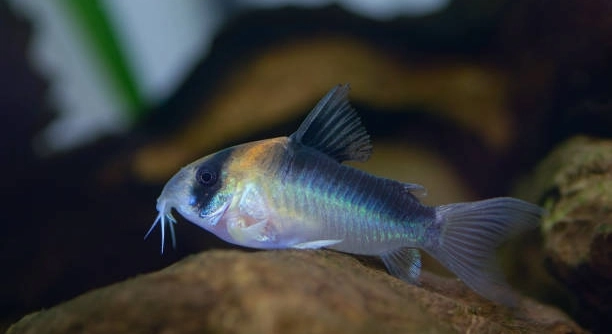
Corydoras catfish are popular aquarium fish that thrive in soft water, but they can become stressed in hard water. Knowing how to recognize discomfort can help improve their well-being and maintain a healthy aquatic environment.
Corydoras catfish exhibit signs of discomfort in hard water, including rapid breathing, lethargy, and abnormal behavior. These fish may also show signs of skin irritation or reduced appetite. Addressing water hardness can improve their overall health.
Addressing hard water issues can help your Corydoras thrive, preventing stress and potential long-term health issues.
Signs of Discomfort in Hard Water
Corydoras catfish thrive in water with lower hardness, which mimics their natural habitat. When exposed to hard water, they may show clear signs of distress. This can include rapid breathing, which is a response to stress or poor water quality. You might also notice them becoming lethargic, spending most of their time near the bottom of the tank or in hiding spots. Additionally, their fins may appear clamped, which is often a sign of discomfort.
It’s also common to see a decrease in appetite. Corydoras that are stressed by hard water may avoid food, leading to poor health if the issue isn’t addressed. If left untreated, this stress can cause longer-term health problems.
The catfish may also begin rubbing against objects in the tank, a behavior known as “flashing.” This can be an attempt to relieve skin irritation caused by the high mineral content in the water. Monitoring water conditions is key to preventing these signs from becoming more severe.
Testing Water Hardness
Testing your aquarium water is the first step to assessing hardness levels. This can be done with a simple test kit, which measures both general hardness (GH) and carbonate hardness (KH). By comparing the readings to recommended levels for Corydoras, you can adjust your water conditions.
Adjusting the water to softer levels can involve using specialized water conditioners or filtering methods. You can also replace part of the aquarium water with distilled or reverse osmosis water to reduce hardness. Monitoring water parameters regularly is essential to maintain the proper environment for these fish.
Effects of Hard Water on Fish Health
Hard water can directly impact Corydoras catfish health. The excess minerals in the water affect their gill function, making it harder for them to breathe properly. This increases stress and can weaken their immune system, leaving them more vulnerable to disease. Their overall growth may also be stunted if the water conditions are not ideal.
If the water remains hard for an extended period, Corydoras may develop fin rot or fungal infections due to the stress. These conditions are often triggered by poor water quality. Stress can also lead to a decline in reproductive health. When under constant strain, these catfish are less likely to breed successfully, further diminishing their population.
Keeping the water clean and soft will not only reduce stress but also support the catfish’s natural behavior and habits. They will become more active, explore their environment more, and even show brighter colors. Overall, it’s crucial to provide them with a water environment that closely mirrors their natural habitat.
Adjusting Water Parameters
Adjusting water parameters requires careful planning. Start by testing both GH and KH levels using a reliable test kit. The ideal range for Corydoras is around 4-8 dGH for general hardness. If your levels are higher, changes will be necessary to prevent discomfort.
One way to reduce water hardness is through water softening. This can be achieved by adding specific water conditioners or using a reverse osmosis (RO) filter. These filters remove excess minerals from the water, making it softer and more suitable for your catfish. Regular partial water changes can also help manage water hardness over time.
Ensure that any adjustments are gradual. Sudden changes in water chemistry can stress your Corydoras further. Make adjustments slowly, and test frequently to ensure the water quality remains stable and comfortable for your fish. A steady, controlled approach is the best way to support your catfish’s long-term health.
Monitoring Fish Behavior
Watching your Corydoras closely is the easiest way to spot discomfort. If they seem sluggish or are hiding more often, this can signal an issue with the water. You might also notice that they are less active or fail to school with other fish, which is unusual behavior.
When the water is too hard, Corydoras may spend more time near the bottom of the tank. They might also appear to be breathing faster than normal as they struggle to get enough oxygen. These are all signs of stress, and it’s crucial to address water quality quickly to avoid further harm.
Providing a Stable Environment
A stable environment is key for Corydoras health. Consistent water quality is essential, so always maintain regular water changes and check the water parameters regularly. Sudden fluctuations in temperature or hardness can cause additional stress, leading to weakened immune systems.
Ensure that your tank has proper filtration to help maintain stable conditions. The filter should be strong enough to keep the water clean but gentle enough not to disturb the fish too much. A reliable filter will remove excess minerals and debris, promoting a healthier environment for your catfish. Regular maintenance is the best way to keep things running smoothly.
Use of Water Softening Products
Water softeners can help reduce the hardness in your tank. These products are widely available and work by neutralizing the minerals in the water. Be sure to follow the manufacturer’s instructions closely, as using too much can lead to an imbalance.
Water softening should be part of an overall strategy to maintain a healthy environment for your Corydoras. While these products can help, they should not replace regular water changes. The best way to manage water hardness is to combine water softeners with consistent maintenance.
FAQ
How do I know if my Corydoras catfish is stressed due to hard water?
If your Corydoras catfish is stressed from hard water, you may notice changes in behavior like increased hiding, reduced activity, or swimming near the bottom of the tank. They may also breathe more rapidly or seem lethargic. Their skin might appear irritated, and they may stop eating. These signs often indicate water quality issues, especially hardness, and should be addressed promptly.
Can Corydoras survive in hard water?
Corydoras can survive in hard water, but they don’t thrive. These fish prefer soft to moderately hard water that mimics their natural environment. In hard water, they are more prone to stress, illness, and stunted growth. Over time, the stress can lead to more serious health problems, so it’s important to adjust the water conditions when necessary.
What is the ideal water hardness for Corydoras catfish?
The ideal water hardness for Corydoras catfish is around 4-8 dGH (degrees of general hardness). This range is best for their well-being. If the hardness exceeds this range, Corydoras can experience stress and health issues. Regular testing and adjustments help maintain the right water conditions.
How often should I test my aquarium water for hardness?
Testing your aquarium water for hardness at least once a week is recommended. This ensures that the water remains within safe parameters. If you’re adjusting the hardness or using treatments, more frequent testing may be necessary until you achieve the desired water quality. Always keep track of the readings and adjust as needed.
What can I do to lower the hardness in my tank?
To lower hardness in your tank, consider using a reverse osmosis (RO) filter, which removes excess minerals. Alternatively, water softening products can help reduce hardness. Regular partial water changes with distilled or RO water can also help in lowering the overall hardness. Avoid making rapid changes, as this can stress the fish.
Can I use water conditioners to soften hard water?
Yes, water conditioners designed for softening hard water can be effective. These conditioners work by neutralizing minerals in the water. Follow the manufacturer’s instructions carefully to avoid altering the water too drastically. It’s also crucial to combine water conditioners with regular water changes to maintain overall water quality.
How long does it take for Corydoras to recover from stress caused by hard water?
Corydoras can recover from stress caused by hard water if the issue is addressed quickly. Once the water conditions improve, you may notice a difference in behavior within a few days. However, it may take a week or more for the fish to fully recover, depending on the severity of the stress. During recovery, monitor their behavior closely and ensure stable water conditions.
Are there any signs that indicate my Corydoras is not adjusting well to soft water?
Signs that your Corydoras isn’t adjusting well to softer water include unusual swimming patterns, such as staying near the surface or showing signs of distress like gasping for air. They may also become more prone to disease or show signs of skin irritation. Always adjust water conditions gradually, as sudden changes can cause stress.
Can I mix Corydoras with other fish in hard water tanks?
Corydoras can be mixed with other peaceful fish, but the water quality is crucial. Many species of fish that are compatible with Corydoras may not tolerate the same high hardness levels. It’s best to research each species’ water requirements before stocking your tank. If your water is too hard, it may limit the types of fish that can live comfortably in the same tank.
How do I know if the water hardness is the cause of my Corydoras’ health problems?
If your Corydoras are exhibiting signs of distress or illness, and the water quality is poor, hardness could be a contributing factor. Test the water for hardness and compare it to the ideal range for Corydoras. If the water is too hard, adjusting the hardness level may help improve their health. Always consider other water parameters like pH, temperature, and ammonia levels as well.
Can adding aquarium salt help with hard water?
Adding aquarium salt is not a recommended method for softening hard water. While salt can help with some health issues in fish, it does not address water hardness. Using reverse osmosis filters or water softening products is a more effective and safe approach for managing water hardness in your aquarium.
How can I prevent my water from becoming too hard in the first place?
To prevent water from becoming too hard, use filtered or distilled water for regular water changes. Invest in a reliable filtration system that removes excess minerals. Also, check the water source regularly to ensure it’s not contributing to higher hardness. Being proactive in water management will save your Corydoras from unnecessary stress.
Should I keep my Corydoras in a separate tank if the water is too hard?
If your tank’s water is consistently too hard and you’re unable to adjust the hardness, it may be better to keep your Corydoras in a separate tank with properly adjusted water. This allows them to live in conditions that suit their needs. However, if possible, try to adjust the hardness of your main tank before resorting to this.
Final Thoughts
Maintaining proper water conditions is essential for the health of your Corydoras catfish. Hard water can cause stress, leading to reduced activity, skin irritation, and even disease. By regularly testing the water, you can monitor its hardness and ensure that it stays within the ideal range for your fish. Small adjustments, such as using water softeners or changing the water source, can go a long way in improving their well-being. It’s crucial to keep an eye on the water quality, as Corydoras are particularly sensitive to changes in their environment.
While Corydoras are hardy fish, they do require specific water conditions to thrive. Over time, if the water remains too hard, their immune system can weaken, making them more susceptible to illness. They may also become less active and stop eating, which are signs that something is wrong. By addressing water hardness issues early, you can prevent long-term health problems and ensure your Corydoras remain active and healthy. If you notice any signs of distress, it’s important to make water changes and adjust the hardness to help them recover.
In summary, keeping your Corydoras in a well-maintained tank with soft to moderately hard water will help them thrive. Water quality directly affects their behavior and overall health. Regularly test the water, use the right tools to manage hardness, and make adjustments as needed. By doing so, you can create a stable, healthy environment that benefits your fish in the long run.

Hello,
If you enjoy the content that we create, please consider saying a "Thank You!" by leaving a tip.
Every little bit helps us continue crafting quality advice that supports the health, happiness, and well-being of pets around the world, for pets of all shapes, sizes, and species.
We really appreciate the kindness and support that you show us!