
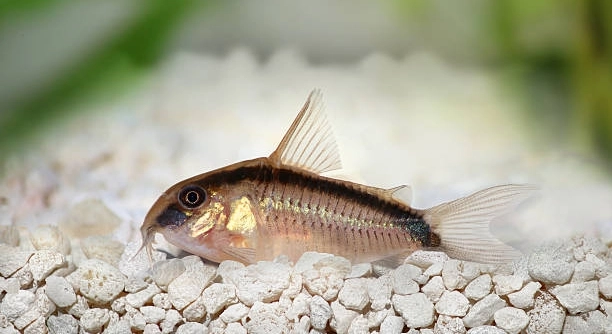
Corydoras catfish are playful creatures that can show a lot of different behaviors. If your Corydoras seems more active or engaging than usual, it could be due to a variety of reasons. Understanding these changes can help ensure they stay happy and healthy.
The increased playfulness of Corydoras catfish is often linked to several factors such as water quality, temperature, diet, and environmental changes. Stress reduction, tank companions, and their natural instincts to forage can also contribute to their heightened activity levels.
A better understanding of these factors will guide you in providing the best care for your Corydoras. Knowing what drives their playful behavior helps ensure they stay healthy and content in your aquarium.
Water Quality and Temperature
Water quality plays a crucial role in the behavior of your Corydoras catfish. These fish thrive in clean, well-maintained water. If your aquarium water is poor in quality, they may show signs of stress, leading to less activity. On the other hand, when the water is clean and well-oxygenated, your catfish will be more playful. Temperature is equally important. Corydoras prefer slightly warmer water, usually between 72°F and 78°F (22°C to 26°C). A temperature that’s too high or low can make them sluggish or cause them to hide.
The quality of the water directly impacts their overall well-being. Poor water conditions can lead to illness or discomfort, and in response, Corydoras might become more lethargic or less interactive. Ensuring a stable, clean environment encourages them to stay active and playful.
Maintaining a consistent water temperature within the right range promotes their health. Installing a reliable aquarium heater and regularly checking the water parameters will keep your Corydoras comfortable. Clean water combined with the right temperature encourages their natural, playful behavior, helping them thrive in their habitat.
Diet and Feeding
A well-balanced diet can bring out the best in your Corydoras catfish. Feeding them properly can boost their energy and increase their playfulness. They are bottom dwellers and love to forage, so providing a variety of foods, including sinking pellets and live or frozen foods, can keep them busy and satisfied.
A varied diet mimics their natural eating habits and provides essential nutrients, which helps them stay active and healthy. If they are well-fed, they will have more energy and will exhibit more playful behavior in the tank.
Corydoras also enjoy scavenging for food in the substrate. If you’re feeding them high-quality foods like bloodworms or brine shrimp, they may spend time exploring every corner of your tank. This adds a fun dynamic to their personality. Overfeeding, however, should be avoided. Excess food can affect water quality and lead to other health issues. Finding the right balance in their diet keeps them lively and engaged, encouraging playful activity.
Tank Environment and Decorations
A well-decorated tank can encourage your Corydoras catfish to be more active. Adding plants, caves, and hiding spots creates a more stimulating environment. Corydoras enjoy exploring and hiding, which promotes natural foraging behavior. Without enough places to explore, they may become less active and more stressed.
In a tank with plenty of decorations, Corydoras can express their natural behaviors. The addition of smooth rocks, driftwood, and plants provides hiding spots and areas to swim around. This kind of environment supports their playful nature, offering both stimulation and safety. A well-designed tank also mimics their natural habitat, making them feel more comfortable.
Adding live plants not only beautifies the aquarium but also offers a place for your catfish to forage and play. Plants like Java fern or Anubias are ideal for bottom dwellers, offering areas for Corydoras to explore. When your tank environment is enriched with these features, your fish will become more active, playful, and less prone to stress.
Companions and Social Interaction
Corydoras catfish are social fish, and having tank mates can make them more playful. They enjoy the company of other peaceful species. If your catfish are alone, they may appear shy or less active. Having other fish around encourages movement and interaction.
Social interaction plays a key role in keeping Corydoras engaged. They often form groups, and when placed with other Corydoras or peaceful species, they become more active. Fish like tetras or guppies make great tank mates for Corydoras. They engage in playful activity and foster a sense of security. When they feel safe and comfortable with others, Corydoras are more likely to show their playful side.
While Corydoras are peaceful and shy, they thrive in groups. Having a small group of Corydoras can provide the right environment for them to interact, forage, and swim together. The presence of other peaceful fish reduces stress, making them more active and playful. However, be cautious of aggressive species. Aggressive tank mates will likely stress your Corydoras, causing them to retreat and become less playful. Ensuring peaceful companionship in your tank is essential for a lively and joyful Corydoras environment.
Stress Levels and Environmental Changes
Corydoras catfish are sensitive to stress. When exposed to sudden changes, such as water temperature fluctuations or new tank mates, their behavior may shift. Stress can cause them to hide or become less playful. Ensuring a stable environment keeps them active.
Sudden environmental changes like moving the tank or altering the water temperature can make Corydoras anxious. Stress can lead to behavioral shifts, including decreased activity or hiding. It’s important to introduce any changes gradually, allowing the fish time to adjust. This will prevent your Corydoras from becoming overly stressed, maintaining their playful nature.
Creating a calm environment helps reduce stress and encourages playfulness. By keeping the tank stable, avoiding rapid changes, and ensuring the water parameters stay consistent, your Corydoras will feel secure and more likely to exhibit lively behaviors. A stress-free environment promotes health and enhances their activity levels.
Tank Size
The size of your tank can affect your Corydoras’ activity. A cramped space limits their movement and can lead to stress. A larger tank offers more room to swim, encouraging natural behavior and playfulness. Make sure your tank is spacious enough to support multiple fish.
A properly sized tank gives your Corydoras the space they need to swim, explore, and forage. A cramped tank can cause frustration, reducing their playful behavior. In a spacious environment, they have room to interact, which can lead to more natural and active behaviors. Be sure to provide at least a 20-gallon tank for a small group of Corydoras to ensure they thrive.
Light Levels
Corydoras catfish are more active under appropriate lighting. Too much light can cause stress, while too little can make them sluggish. The right balance of light promotes their natural behavior, encouraging them to swim around and interact with their surroundings. Make sure lighting is consistent and gentle.
FAQ
Why is my Corydoras catfish swimming at the top of the tank?
Corydoras catfish usually stay near the bottom, but if you notice them swimming at the top, it could indicate an issue with the water quality. Low oxygen levels in the tank or poor water conditions can make them seek air near the surface. Another reason could be stress from sudden changes in the environment. Check the water parameters—ammonia, nitrite, and nitrate levels—and ensure that they are in safe ranges. If the water quality is good and the temperature is stable, the behavior should subside.
Do Corydoras catfish need a filter?
Yes, Corydoras catfish benefit from a well-filtered tank. As bottom dwellers, they stir up waste, making water filtration even more important. A good filter helps maintain clean water by removing debris and toxins, keeping your Corydoras healthy and active. Be sure to choose a filter with a gentle flow, as Corydoras prefer calm water. This reduces stress and ensures they can forage comfortably at the bottom. Clean the filter regularly to maintain its efficiency.
Can Corydoras catfish live with other fish?
Corydoras catfish are peaceful fish and can live with other non-aggressive species. They get along well with tank mates like tetras, guppies, and small rasboras. However, it’s important to avoid keeping them with aggressive or fin-nipping fish, which may cause stress or injury. Make sure the other fish in your tank have similar water temperature and pH needs. A peaceful, well-balanced community tank will help your Corydoras feel safe and encourage more playful behavior.
Why are my Corydoras catfish hiding?
Corydoras catfish can hide for several reasons, most commonly due to stress or illness. Stress can be caused by sudden changes in the water, poor tank mates, or overcrowding. Additionally, Corydoras naturally prefer hiding spots to feel secure. If you’ve recently added new decorations, plants, or tank mates, it may take time for your fish to adjust. If the hiding persists and is accompanied by other signs of distress, such as abnormal swimming or discoloration, it’s important to check the water quality and monitor their health closely.
How often should I feed my Corydoras catfish?
Corydoras catfish should be fed once or twice a day, depending on their age and activity level. Overfeeding can lead to poor water quality, so be mindful of portion sizes. Provide small amounts of sinking pellets, which they can forage for at the bottom. Occasionally supplement their diet with live or frozen foods like bloodworms, brine shrimp, or daphnia. These extra treats can encourage natural foraging behavior. Be sure to remove any uneaten food after 10–15 minutes to prevent it from decomposing and affecting water quality.
Are Corydoras catfish nocturnal?
Corydoras catfish are not strictly nocturnal but are most active during the evening and night. They are naturally adapted to be more active in lower light conditions, as they are bottom dwellers and prefer to search for food at night. This is why they may seem more playful in dim lighting or after the lights go out. However, they will also forage and interact during the day, especially if the tank is well-lit and enriched with plants or decorations. Their behavior can vary based on their environment and how comfortable they feel.
Can Corydoras catfish jump out of the tank?
Corydoras catfish are not known for being jumpers, but they can jump if startled or if the tank conditions are not ideal. To prevent this, always ensure your tank has a secure lid or cover. If your Corydoras seem to be jumping, it may indicate stress or discomfort in the tank. Double-check the water temperature, pH levels, and ammonia levels to ensure they are in a comfortable range. A stable, secure tank environment will help your Corydoras feel safe and reduce any urge to escape.
What water parameters do Corydoras catfish need?
Corydoras catfish thrive in soft to moderately hard water with a pH range of 6.0 to 7.5. The water temperature should be between 72°F and 78°F (22°C to 26°C). Regular water changes, at least 20% weekly, will help maintain stable water conditions. They are sensitive to poor water quality, so testing your water regularly for ammonia, nitrites, and nitrates is essential. Proper filtration and regular cleaning are crucial to keeping your Corydoras healthy and active.
Can Corydoras catfish live with shrimp?
Corydoras catfish are generally peaceful and can live with shrimp. However, it’s important to select shrimp species that are large enough to avoid being considered food. Smaller shrimp, like ghost shrimp or baby shrimps, may be at risk of being eaten by your Corydoras. Choose peaceful shrimp species, such as Amano shrimp or cherry shrimp, which are more likely to coexist well with your catfish. Ensure the tank has plenty of hiding spots for both the shrimp and Corydoras to reduce stress.
Why do my Corydoras catfish chase each other?
Chasing is a common behavior among Corydoras catfish and is usually related to territorial disputes or breeding behavior. During breeding season, males may chase females to initiate courtship. If the fish are not breeding, chasing can be a sign of play or competition. However, if the chasing becomes excessive and leads to injury, it may indicate overcrowding or stress. Ensure there’s enough space in the tank and consider adding more hiding spots or plants to break up any territorial disputes.
Final Thoughts
Understanding your Corydoras catfish and their behavior can make a big difference in creating the best environment for them. If your Corydoras are more playful than usual, it’s often a sign that they are healthy and comfortable. Factors like water quality, temperature, and tank mates all play an important role in their behavior. When these factors are in check, your Corydoras are more likely to display their natural playful and curious behaviors. Providing the right conditions for them to thrive helps ensure they stay active and happy in your aquarium.
It’s important to pay attention to any changes in your Corydoras’ behavior. Playful activity is usually a positive sign, but if their behavior shifts drastically or they seem less active than usual, it might be a sign of stress or health issues. Keeping an eye on water parameters and ensuring the tank is well-maintained are essential steps in preventing problems. In a stable, clean environment with plenty of space and hiding spots, your Corydoras will be more likely to exhibit their natural behaviors and enjoy their time in the tank.
Taking the time to learn about your Corydoras’ needs and preferences ensures they remain healthy and active. Small adjustments like improving the tank environment or changing the diet can have a big impact on their playfulness and overall well-being. Creating a stress-free, stimulating space for them will not only enhance their behavior but also contribute to their long-term health. With a little attention and care, your Corydoras catfish will continue to bring joy with their playful antics and lively presence.

Hello,
If you enjoy the content that we create, please consider saying a "Thank You!" by leaving a tip.
Every little bit helps us continue crafting quality advice that supports the health, happiness, and well-being of pets around the world, for pets of all shapes, sizes, and species.
We really appreciate the kindness and support that you show us!