
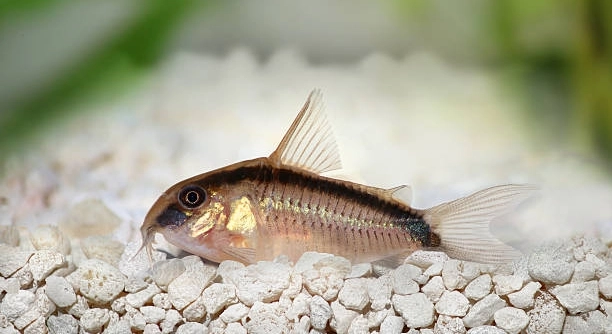
Transporting your Corydoras catfish can be stressful for both you and your fish. Understanding how to reduce stress during transport is essential for keeping them healthy. Here’s a guide on how to make their journey more comfortable.
To prevent your Corydoras catfish from experiencing stress during transport, ensure they are transported in a well-ventilated, stable container with the correct water conditions. Avoid overfilling the transport container, and keep it dark to minimize disturbances.
These simple steps can make a big difference in reducing transport stress for your Corydoras. Learn how to provide the best care during transit for a smoother experience for your fish.
Proper Transport Container Size
Choosing the right size container for your Corydoras is crucial for their comfort. A small container will restrict movement, making them feel cramped and stressed. Too large, and the water may not stay stable. Ideally, the container should be just big enough to give them space to swim, but not so large that the water shifts drastically during transport. A stable environment helps your fish feel secure, reducing stress levels.
It’s important to use a container that allows the fish to move but doesn’t allow too much extra water. The water conditions can change rapidly in a large container, which can be overwhelming for your Corydoras.
When selecting the transport container, keep in mind the species’ size and water requirements. Using a small plastic bag or an appropriate-sized plastic container with a lid will help maintain stability and prevent any sudden movements that could unsettle your fish. If using a bag, make sure there’s enough air and water for them to breathe comfortably.
Stable Water Conditions
Maintaining stable water conditions is essential when transporting Corydoras. Fluctuations in temperature and water parameters can cause distress, making them more vulnerable to illness or injury. Ensure the water temperature in the container matches the current temperature of their home tank, ideally between 72°F and 80°F. Sudden temperature changes can be harmful.
To keep the water stable, consider using a small battery-powered aquarium heater if necessary. Avoid placing the container in areas where temperature changes are extreme, such as near windows or in direct sunlight. Transporting your Corydoras in conditions similar to their normal environment will reduce the chances of stress.
Also, take care to match the water’s pH and hardness levels with what the catfish are used to. Use a water conditioner if you need to adjust these parameters quickly, but avoid overcomplicating the water conditions. Keeping things simple is often best, and consistency is key to reducing stress during transport.
Avoid Overfilling the Container
Overfilling the transport container can cause instability, leading to stress for your Corydoras. If there is too much water, it can slosh around during movement, which may disorient your fish. It’s important to leave enough room for the water to move gently, but not so much that it causes turbulence.
When filling the container, leave around a quarter of the space empty. This ensures the water can move without disturbing the fish too much. A calm environment is vital to avoid making them feel anxious. If you’re using a bag, be mindful to leave room for air to ensure they can breathe properly throughout the process.
You also need to ensure that there’s enough oxygen for your fish. Overcrowding or overfilling a small space can lead to insufficient oxygen, causing further stress. A good balance between water and air space is the key to keeping your Corydoras comfortable. Proper water depth also allows for easy monitoring, so you can check if everything is going well.
Minimize Disturbance
Corydoras are sensitive to sudden movements and noise, which can make them stressed. During transport, it’s important to keep the environment as calm and quiet as possible. Avoid jostling the container or making sudden noises around it. This will help reduce any unnecessary anxiety.
To create a calm atmosphere, transport your fish in a covered container. A simple cloth or lid will shield them from unexpected movements and loud sounds. This allows them to feel less threatened and reduces the likelihood of stress-related behaviors like erratic swimming or hiding.
Additionally, handling the container gently will prevent excessive agitation. Corydoras prefer a stable environment, and sudden changes in position can throw them off balance. Keeping the container in a quiet area, away from distractions, ensures that your fish stay calm and stress-free.
Keep the Container Dark
Keeping the transport container dark is a simple way to reduce stress for your Corydoras. Bright lights can make them feel exposed and vulnerable, so darkness provides a sense of security. It helps them stay calm during the trip.
You can achieve darkness by covering the container with a cloth or placing it in a dark bag. This way, your fish won’t feel as threatened by external stimuli. Darkness is particularly useful during longer trips, as it minimizes the chances of overstimulation. By limiting their exposure, you help them stay relaxed.
Use a Slow, Steady Transport Method
When transporting Corydoras, using a slow, steady method is best for keeping them calm. Rapid movements can make the water shift too quickly, disorienting the fish. A smooth, gentle ride ensures that the water conditions remain stable, avoiding sudden jolts or rough handling.
Avoid jerky movements or bumpy roads if you’re traveling by car. If you’re flying, ensure the container is well-secured in your luggage to minimize shaking. A smooth transport method is key to reducing stress levels for your Corydoras, making them feel more comfortable and secure.
Keep the Temperature Stable
Temperature stability is crucial when transporting Corydoras. Sudden changes in temperature can cause unnecessary stress, making the fish more susceptible to health issues. Keep the container in an area with a consistent temperature range to avoid fluctuations.
FAQ
What should I use to transport Corydoras catfish?
For transporting Corydoras catfish, use a clean, transparent plastic bag or a small, secure container. Ensure the container has enough space for the fish to move comfortably but is not too large to cause the water to shift too much. The container should be sealed properly to prevent water spillage, but it must allow enough air for oxygen. A breathable plastic bag or a container with a secure lid works best for short trips. Avoid using anything that could leak or create too much movement during transportation.
How long can Corydoras catfish survive in transport?
Corydoras catfish can typically survive up to 24 hours in transport, but the less time spent in transit, the better. The key is to maintain stable water conditions, minimize stress, and keep the water oxygenated. Longer transport times could increase the risk of stress, dehydration, or temperature fluctuations. For shorter trips, providing enough water and oxygen should be enough. For trips exceeding a few hours, it’s essential to check on the water conditions periodically, especially the temperature and oxygen levels, to keep the catfish comfortable.
Is it necessary to add an air pump during transport?
An air pump is not always necessary during short trips but can be a helpful addition for longer travels. Adding an air stone or small air pump ensures that your Corydoras receive adequate oxygen, especially if the transport container is sealed tightly. If you’re transporting the fish for an extended period or if there are multiple fish in the container, using an air pump helps prevent oxygen depletion, which could lead to stress or suffocation. However, for shorter durations, the water surface will provide enough oxygen exchange, especially if the container is not overfilled.
Can Corydoras catfish be transported in the same container with other fish?
It is best to avoid transporting Corydoras catfish in the same container with other fish, especially for longer trips. While Corydoras are generally peaceful, other species might cause stress or pose a risk of injury during transport. Fish can move around in close quarters, potentially disturbing each other. If you must transport multiple fish together, ensure the container is large enough to give each fish ample space. Consider using separate bags or containers for different species to reduce the risk of aggression and minimize stress levels.
What temperature should the water be for transporting Corydoras?
The water temperature for transporting Corydoras catfish should ideally match the temperature of their home tank. This typically ranges from 72°F to 80°F (22°C to 27°C). Sudden temperature fluctuations can lead to stress or even shock. If the transport time is going to be more than a few hours, consider using a small portable heater or an insulated bag to help maintain temperature stability. Avoid placing the container in areas that might cause temperature spikes, like direct sunlight or near cold drafts. Keeping the water temperature steady will help your fish stay calm and reduce stress.
How can I prevent the water from becoming dirty during transport?
To prevent the water from becoming dirty during transport, ensure that the container is clean and that you only add the amount of water necessary to cover the fish comfortably. Avoid overfeeding before the transport, as leftover food can pollute the water. You can also add a small amount of aquarium water conditioner to help maintain water quality. If possible, transport the fish without substrate, as this reduces the chance of debris mixing with the water. Keeping the transport container sealed will also help keep contaminants out, ensuring the water stays clean for the duration of the trip.
Should I feed my Corydoras catfish before transport?
It’s best to avoid feeding your Corydoras catfish right before transport. Fish are more likely to produce waste after eating, which could affect water quality. Feeding your fish 24-48 hours before transport gives their digestive system time to empty, minimizing the risk of dirty water. If you must feed them, keep the amount small and avoid overfeeding. This will help maintain water quality during the trip and reduce the chances of stress related to waste buildup. Always plan your transport so the fish are well-fed and healthy before embarking.
What do I do if my Corydoras looks stressed during transport?
If your Corydoras looks stressed during transport, first check the water conditions. Ensure the temperature is stable, and the water is oxygenated. If the fish seems lethargic or is darting around the container, it might be reacting to the stress of the environment. Reduce disturbances around the container by keeping it in a quiet, dark place. If you’re traveling for a long time, consider making brief stops to check on the fish. If the stress continues, try to keep the transport time as short as possible and minimize any environmental changes during the trip.
How can I make the transport process smoother for my Corydoras?
To make the transport process smoother for your Corydoras, try to keep everything as stable and calm as possible. Avoid sudden movements or loud noises, and cover the container to reduce exposure to light. Keep the transport method steady by securing the container so it doesn’t shift during travel. Monitor the water quality, temperature, and oxygen levels, especially during longer trips. The more you can maintain the stability of the environment, the less stressed your Corydoras will be. A slow and careful transport method is key to ensuring their comfort.
How should I prepare for long-distance transport of Corydoras catfish?
For long-distance transport, proper preparation is key. Ensure that the container is appropriately sized, well-ventilated, and equipped with necessary water treatments like a conditioner or a gentle air pump if needed. Plan ahead for temperature stability by considering insulation or portable heaters. Pack extra water and filtration materials to ensure the water stays clean during the trip. Bring along any necessary items to monitor the fish’s condition, such as a thermometer, and check on the water regularly. A bit of extra planning will make long-distance transport much easier on your Corydoras.
Final Thoughts
Transporting Corydoras catfish requires careful attention to ensure they stay healthy and stress-free. By using the right size container, maintaining stable water conditions, and minimizing disturbances, you can reduce the stress your fish experience during transport. These simple steps go a long way in ensuring your catfish are comfortable and safe while traveling. Keeping everything calm and steady helps your Corydoras stay in the best possible condition, avoiding the risk of health issues that can arise from stress.
It’s important to plan ahead and keep the transport time as short as possible. Corydoras are relatively hardy fish, but they are sensitive to changes in their environment. Stress from poor water conditions, fluctuating temperatures, or rough handling can lead to long-term health problems. Always make sure the container is clean, the water is oxygenated, and the temperature remains consistent throughout the trip. The more you prepare, the less likely your fish will experience any discomfort.
Remember, the comfort of your Corydoras depends on how carefully you handle the entire transport process. If you take the time to keep the water stable, use a container that’s just the right size, and protect your fish from external disturbances, they will have a much easier time adjusting to their new environment once they arrive. The effort you put into preventing stress during transport will ensure your fish remain healthy and happy for years to come.

Hello,
If you enjoy the content that we create, please consider saying a "Thank You!" by leaving a tip.
Every little bit helps us continue crafting quality advice that supports the health, happiness, and well-being of pets around the world, for pets of all shapes, sizes, and species.
We really appreciate the kindness and support that you show us!