
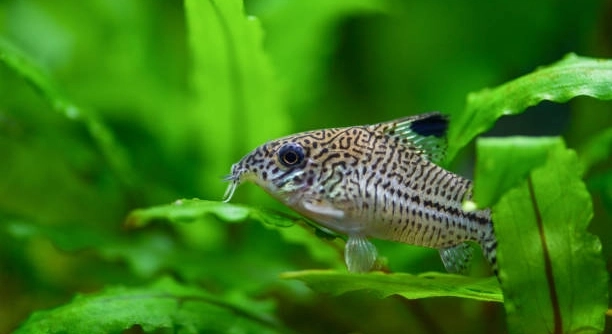
Corydoras catfish are known for their playful behavior in aquariums. If you’ve noticed your fish constantly digging in the sand, you may be wondering what’s behind this activity. Understanding their behavior can improve your tank’s environment.
The digging behavior of Corydoras catfish is natural and often related to foraging or self-cleaning. These fish sift through sand to search for food and remove debris from their gills, keeping themselves healthy and active.
This behavior is normal, but knowing more about it can help ensure your catfish’s well-being. Let’s explore the reasons behind it and how to support your fish in your aquarium.
Searching for Food
Corydoras catfish are bottom dwellers, which means they spend most of their time foraging along the substrate. Their digging behavior is often linked to this natural habit. These fish are opportunistic feeders, sifting through the sand to find leftover food, detritus, or small organisms. They use their barbels to detect food particles, as their eyes aren’t as effective at spotting food on the sand. They instinctively dig in search of nutrients that may have sunk to the substrate. This digging helps them thrive in the aquarium environment by keeping their digestive system healthy.
Their habit of digging helps maintain a balanced ecosystem in the tank, preventing food from settling and decaying. While it might look messy, it’s a sign your Corydoras is actively scavenging for food and keeping the tank clean. Providing a varied diet can help reduce the need for excessive digging, as they’ll be satisfied with the food you offer.
To promote a healthy environment, you can provide sinking pellets, which are easy for Corydoras to find and consume without the need for excessive digging. Regular water changes also help maintain a clean habitat, making it less likely for food to get stuck in the sand.
Cleaning Gills and Skin
Corydoras are known to dig in the sand to clean themselves, particularly to remove excess mucus or debris from their gills. This is a form of self-maintenance, and it’s an essential part of their behavior. Cleaning helps keep them free of parasites and other health issues that could affect their well-being.
As they dig, they may push sand over their bodies, rubbing themselves to dislodge any unwanted particles. This action ensures that their gills and skin remain clear and healthy, allowing for proper breathing and oxygen intake. In nature, this is a natural way to avoid parasites that may attach to their skin.
While it might seem excessive, this is just a part of their regular health routine. To assist them, make sure your tank’s filtration system is strong enough to keep the water clean and that your Corydoras have plenty of sand to dig through. They’ll be much happier and healthier with the right environment to perform this behavior.
Exploring Tank Conditions
Corydoras catfish are sensitive to water conditions. If the water quality in your tank is poor, they might dig more than usual. It’s their way of trying to stay comfortable. When they dig in the sand, they’re searching for a better, cleaner spot to rest or feed.
Low oxygen levels and high ammonia can make Corydoras feel stressed, causing them to dig excessively. This behavior helps them find areas with cleaner water, possibly closer to the substrate’s surface where water movement might be better. If your tank’s filtration system isn’t doing its job, they might dig more in an effort to find a safe space.
Ensuring that your aquarium has proper filtration, regular water changes, and a stable temperature can help reduce this digging. Adding live plants can also improve water quality and provide a more natural environment, which may make the fish feel more at ease. The more stable the tank environment, the less likely they are to dig excessively.
Natural Behavior
Corydoras catfish are instinctual diggers, and this behavior is a part of their nature. In the wild, they dig through the sand to uncover food, clean themselves, and explore their environment. Even in captivity, they tend to follow these same instincts.
This digging is entirely natural and often a sign that the catfish is doing well in its environment. It’s not necessarily a sign of distress but rather an expression of their natural instincts. Corydoras like to stay active, and their digging behavior can keep them mentally and physically stimulated.
As they dig through the sand, they are interacting with their habitat in a way that mimics the conditions of their natural environment. If you provide a substrate that mimics what they would experience in the wild, such as fine sand, your Corydoras will likely engage in this behavior more.
Overcrowded Tank
If your aquarium is too crowded, Corydoras may start digging more than usual. Overcrowding causes stress and lack of space, which makes them try to create a more comfortable area by digging into the substrate. This helps them escape from the chaos.
They may dig to find a quieter space where they can relax or feel safer. Without enough room to roam, Corydoras will dig in search of a more secure spot to rest. Overcrowding also leads to poor water quality, which adds to the stress and increases digging behavior.
To avoid this, ensure your tank is not too crowded and that there is ample space for each fish to move freely. Giving them enough space to swim reduces their stress and decreases the likelihood of excessive digging.
Tankmates
The behavior of other fish in the tank can influence your Corydoras. Aggressive or overly active tankmates might cause them to dig more in search of a peaceful area. Corydoras prefer calm and peaceful environments.
When stressed by tankmates, they dig to create a more comfortable space. If your Corydoras are constantly digging, check if their tankmates are too aggressive or disruptive. Moving more active fish or providing more hiding spots may help reduce this behavior. Make sure to choose peaceful companions for your Corydoras to maintain a relaxed environment.
Uneven Substrate
The type of substrate in your tank can directly impact the digging behavior of your Corydoras. A rough, sharp substrate can irritate their sensitive barbels and skin, leading to more digging. They prefer a fine, soft sand substrate that allows them to dig without discomfort.
If the substrate is uneven, Corydoras may dig more as they try to create a smooth surface. This allows them to move freely and reduces irritation from rough edges. To provide the best environment, choose a substrate that is gentle on their bodies and makes it easy for them to perform their natural behaviors.
FAQ
Why do Corydoras catfish dig in the sand?
Corydoras catfish dig in the sand primarily for foraging, cleaning, and maintaining their health. They sift through the substrate to search for food that may have sunk to the bottom of the tank. Additionally, they dig to remove debris from their gills and skin, ensuring proper respiration and avoiding parasites. Digging is part of their natural behavior, and it helps them stay healthy and active in the aquarium.
Is it normal for Corydoras to dig all the time?
Yes, it is normal for Corydoras to dig frequently, especially if they are actively foraging or cleaning themselves. Digging is an instinctive behavior that they engage in daily. However, if they are digging excessively, it could indicate issues with their environment, such as poor water quality, overcrowding, or stress. In most cases, moderate digging is nothing to worry about and should be seen as a healthy sign of a happy, active fish.
Can digging harm my Corydoras catfish?
Digging itself is not harmful to Corydoras, as it’s a natural behavior that they have evolved to do. However, there are some risks associated with improper tank conditions. For example, sharp or rough substrates can damage their delicate barbels or skin, while overcrowding and poor water quality can stress them out. To keep your fish safe, ensure that the substrate is soft and smooth and that the tank environment is stable and clean.
How can I stop my Corydoras from digging too much?
If your Corydoras is digging excessively, first check the tank conditions. Poor water quality, overcrowding, or tankmate aggression can cause stress, prompting them to dig more. Regular water changes, proper filtration, and reducing tankmates can help. Additionally, make sure the substrate is appropriate (soft sand is best) and that the tank offers plenty of hiding spaces for security. If everything is balanced, your Corydoras should dig less.
What type of substrate is best for Corydoras?
Corydoras catfish prefer soft, fine sand for the substrate. This type of sand allows them to dig without hurting their barbels or skin. Avoid gravel or large, sharp rocks, as they can damage the fish’s sensitive areas. Sand mimics their natural environment and provides them with the ability to forage for food and clean themselves comfortably. A fine sand substrate also prevents debris from getting trapped, making it easier to maintain a clean tank.
Do Corydoras catfish need a lot of space to dig?
While Corydoras don’t require a huge amount of space to dig, they do need enough room to move freely. Overcrowding in a tank can cause stress, which may lead to more digging behavior as they seek out a calmer, safer space. To keep your Corydoras happy and healthy, ensure that there’s enough space for each fish to swim and dig without interference from others. A well-maintained aquarium with proper tankmates and sufficient space will help reduce excessive digging.
How often should I clean my Corydoras’ tank?
Corydoras are generally very clean fish, but they rely on clean tank conditions to stay healthy. Regular tank maintenance is essential to prevent the build-up of waste, which can affect water quality. You should perform weekly water changes of about 25% to 30% to keep the tank clean. Additionally, vacuuming the substrate during water changes helps remove trapped debris. Keeping the water parameters stable (pH, ammonia, nitrites, and nitrates) is crucial for your Corydoras’ well-being.
What can I do to stop my Corydoras from digging up plants?
Corydoras may dig around plants, especially if they are foraging or trying to find food. If your plants are getting uprooted, try anchoring them more securely in the substrate. You can also consider adding hardscape elements like rocks or driftwood to block them from reaching the plants. Alternatively, placing plants in pots with a heavier substrate can prevent them from being disturbed. A well-planted tank with rooted plants should reduce the frequency of this digging behavior.
How can I tell if my Corydoras is stressed?
Stressed Corydoras may exhibit signs like excessive digging, hiding, erratic swimming, or lack of appetite. Stress can be caused by poor water quality, overcrowding, aggressive tankmates, or sudden changes in the tank environment. If you notice these signs, it’s important to assess the conditions in the tank and address any potential issues. A calm, stable environment is key to keeping your Corydoras healthy and happy.
Can I keep Corydoras with other fish?
Corydoras catfish are generally peaceful and can coexist with most non-aggressive fish. They do best in a community tank with similarly calm fish species. However, they may become stressed if housed with aggressive or overly active tankmates. Fish like tetras, guppies, and mollies make good companions for Corydoras. Always consider the size of the fish and the amount of space available when choosing tankmates to ensure a peaceful environment for your Corydoras.
How do I know if my Corydoras is healthy?
A healthy Corydoras catfish will be active, foraging on the substrate, and swimming smoothly. They should have clear, vibrant eyes, no visible lesions or injuries, and clean gills. If your Corydoras is constantly hiding, has pale coloring, or is breathing heavily, these may be signs of illness. Additionally, ensure they are eating well and actively engaging with the tank. Regularly monitor water parameters and observe their behavior to maintain a healthy environment for them.
Final Thoughts
Corydoras catfish are fascinating and active creatures that bring life to any aquarium. Their natural behavior of digging through the substrate is not only common but essential to their well-being. Whether they’re foraging for food, cleaning themselves, or simply exploring, this digging is part of who they are. It’s important to understand that this behavior is a sign of a healthy, active fish, and in most cases, there is no need to worry. However, there are factors that can affect how often they dig, such as water quality, tankmates, and space.
If you notice your Corydoras catfish digging excessively or acting stressed, it’s a good idea to check the tank environment. Poor water quality, overcrowding, or tankmates that are too aggressive can lead to increased stress, causing your fish to dig more in search of a safe space. Ensuring your aquarium has proper filtration, regular water changes, and enough space for each fish can go a long way in reducing this behavior. Additionally, providing a soft, smooth substrate and hiding spots can help keep your fish feeling secure, making them less likely to dig excessively.
In summary, digging is a natural and beneficial behavior for Corydoras catfish, but it’s essential to maintain a balanced aquarium to support their needs. With the right tank setup, including the proper substrate, water quality, and tankmates, you can create an environment that allows your Corydoras to thrive. By understanding their habits and adjusting the tank conditions accordingly, you’ll help ensure that your Corydoras catfish stay happy and healthy, enjoying their playful digging without any issues.

Hello,
If you enjoy the content that we create, please consider saying a "Thank You!" by leaving a tip.
Every little bit helps us continue crafting quality advice that supports the health, happiness, and well-being of pets around the world, for pets of all shapes, sizes, and species.
We really appreciate the kindness and support that you show us!