
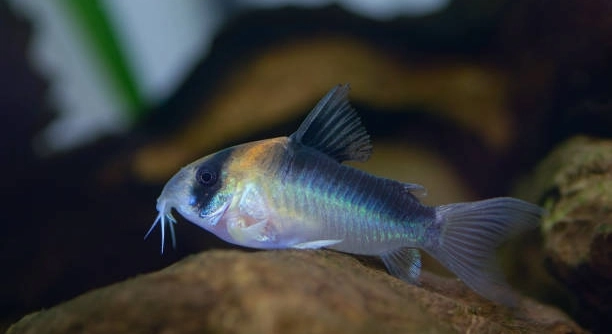
Is your Corydoras catfish acting a little different after adding something new to the tank? You’re not alone—many aquarists have experienced the same concern with their peaceful little bottom dwellers.
Corydoras catfish may react poorly to new tank additions due to stress, changes in water chemistry, or the presence of aggressive tank mates. These changes can cause them to behave unusually and even show physical symptoms of distress.
Learning the common signs of stress can help you respond quickly and keep your Corydoras healthy and comfortable in their environment.
Common Signs Your Corydoras Is Stressed After a Tank Addition
When something changes in your tank, your Corydoras might not adjust right away. Stress can show up in small ways, and catching these signs early makes a difference. One clear sign is unusual hiding—your Corydoras may retreat more often or avoid open spaces. Loss of appetite is another sign that something isn’t right. You may also notice rapid gill movement or erratic swimming, especially after introducing new fish or décor. Faded coloration, sluggishness, or staying still for long periods are also signs to watch. If your Corydoras starts swimming near the surface more than usual, it could be reacting to changes in oxygen levels or water quality. Not all reactions mean something serious, but if you see several signs at once, it’s best to act fast. Sometimes, even peaceful fish or a simple decoration can upset the calm balance your Corydoras depend on.
Sudden changes in behavior often mean your Corydoras is overwhelmed. They prefer stable, quiet environments with few surprises.
Pay attention to both physical changes and behavior. Their peaceful nature makes them sensitive, so even minor stress can throw off their routine. Taking quick action can prevent long-term health issues and keep your tank running smoothly.
What Causes These Reactions?
Tank additions can bring changes your Corydoras aren’t ready for. Whether it’s a new fish, a different decoration, or even a shift in water parameters, each new element can add stress.
When a new fish is added, especially one that is more active or aggressive, Corydoras may feel threatened. They are bottom-dwellers who prefer calm waters and predictable surroundings. Aggression or too much movement from other fish can push them into hiding or cause frantic swimming. Even non-aggressive tank mates can create stress if they compete for space or food. New plants or décor can disturb territories, block hiding spots, or alter water flow. Sudden changes in water quality—like pH, hardness, or temperature—can also cause immediate stress responses. Corydoras have sensitive barbels that react to debris and poor water conditions, so even stirring up the substrate during a tank rearrangement can bother them. When making any change, try to do it slowly and observe your fish afterward. A peaceful environment with good water quality, stable parameters, and predictable routines helps your Corydoras feel secure and stay healthy.
How to Tell If It’s a Reaction or Something Else
Not every change in your Corydoras means it’s reacting to a tank addition. Illness, poor water conditions, or old age can cause similar signs. It’s important to check everything before deciding on the cause.
Start with a water test. If ammonia, nitrites, or nitrates are off, fix that first. Check the temperature and pH—Corydoras do best in stable, clean conditions. Look at their body for signs of disease, like white spots, bloating, or frayed fins. If you notice only one fish is acting oddly, it may be a health issue, not stress. But if several Corydoras show the same signs after a new tank addition, it’s likely a reaction. Always watch how they interact with new fish or changes in their space. Tracking their behavior before and after changes will help you see patterns and decide what’s really going on.
Sometimes, stress and sickness look very similar. But sickness tends to last longer or get worse with time. A stressed Corydoras may bounce back quickly once the problem is removed. If you reverse a change and things improve, it’s a strong clue. Keep changes minimal and give them time to adjust. Avoid sudden moves or large changes, especially if your fish are older or less active.
What to Do If You Notice a Problem
Start by removing or isolating whatever caused the reaction. If it was a new fish, use a tank divider or rehome the newcomer. If it was décor, take it out and see if things improve within a day or two.
Do a small water change and clean the substrate gently without disturbing it too much. Make sure your filter is running well and producing enough flow, but not so much that it stresses your Corydoras. Dim the lights if needed and keep noise or activity near the tank to a minimum. Feeding lightly with easy-to-digest food can also help during recovery. If you think the stress caused injury or sickness, you may need to treat the fish separately. Always monitor water parameters closely after making changes. Keep a journal if needed to track what works. Recovery usually begins within a few days if the stressor is removed in time.
How Long Symptoms Usually Last
Most stress symptoms in Corydoras start to fade within a few days if the tank returns to normal. You might see calmer swimming and better appetite once the cause is removed and conditions are stable again. Keep watching closely during this time.
If symptoms last longer than a week, there may be something else going on. It could be a hidden illness or a problem with the water that hasn’t been corrected yet. Be patient but don’t ignore changes that don’t improve. Sometimes a second adjustment is needed to help them recover fully.
When to Separate or Quarantine
If one Corydoras is showing extreme symptoms—like clamped fins, rapid breathing, or visible damage—it’s safer to move it to a quarantine tank. This helps reduce stress from tank mates and allows you to monitor it closely. Make sure the quarantine tank matches the main tank’s water conditions to avoid shock.
Final Tip for Prevention
Make changes slowly and one at a time. Sudden shifts often cause more harm than good for sensitive fish like Corydoras.
FAQ
How do I know if my Corydoras is stressed from a new fish?
When a new fish is added, Corydoras may show signs like hiding more than usual, darting away from the newcomer, or swimming erratically. If the new fish is aggressive, your Corydoras may become even more stressed and avoid certain areas of the tank. The best way to tell is to observe their behavior closely. If the Corydoras are eating and moving around as they did before, it’s likely not stress. However, if they act unusually for more than a day or two, you may want to reconsider the tank mates.
Can a water change help a stressed Corydoras?
Yes, a water change can help reduce stress. Sometimes, poor water quality is the root cause of stress, even if the tank looks clean. Check the levels of ammonia, nitrites, nitrates, and pH before doing a change. If any of these are out of balance, change 20-30% of the water to improve the environment. Be sure to match the temperature and condition of the new water to avoid shocking your fish. Keep an eye on your Corydoras after the change to see if their behavior improves.
What should I do if my Corydoras stops eating?
If your Corydoras stops eating, it may be a sign of stress, illness, or poor water quality. If they stop eating immediately after a tank addition, stress is the likely cause. However, if the problem persists for a few days, check the water quality and look for other signs of illness, like bloating or unusual swimming patterns. Try offering different types of food, such as sinking pellets or live food, to see if that encourages them to eat. If they continue to refuse food and seem weak, it might be time to move them to a quarantine tank.
Why is my Corydoras swimming at the surface?
Corydoras usually stay near the bottom of the tank. If they’re swimming at the surface, it could be a sign that they’re struggling with oxygen levels or water temperature. Check the oxygen flow in the tank and make sure your filter is working properly. If there is too much debris or the filter is clogged, it may reduce oxygen. Another possibility is that your Corydoras are stressed from new tank additions, and they might move to the surface in response to changes in water conditions. If the problem persists, do a water test to check for high ammonia or other imbalances.
How do I treat a sick Corydoras?
If your Corydoras shows signs of illness, such as lesions, faded colors, or clamped fins, quarantine the fish immediately to prevent spreading it to others. Depending on the symptoms, you may need to treat with an antibacterial or antifungal medication. Make sure the water temperature and pH match the main tank to avoid additional stress. You should also adjust the water conditions to ensure there are no issues causing the illness. If you’re unsure about the exact condition, consulting with an aquarium vet can help you determine the right treatment.
Can Corydoras get along with other fish?
Yes, Corydoras are peaceful and generally do well with most community tank fish. They’re bottom dwellers, so they tend to avoid competition for space or food. However, aggressive species or larger fish that could intimidate them should be avoided. Always consider the size and temperament of any new additions before adding them to your Corydoras tank. Fish that nip at fins or that are too active might stress out your Corydoras. Small, peaceful tank mates like guppies or tetras work well with them.
What are the best tank conditions for Corydoras?
Corydoras thrive in clean, well-maintained tanks with stable water conditions. The temperature should be between 72°F and 78°F (22°C to 26°C), and the pH should range from 6.0 to 7.5. They also prefer soft to medium-hard water. A filter is essential to keep the water clean, but avoid strong currents that may stress them out. The substrate should be soft, like sand, as sharp gravel can hurt their sensitive barbels. Regular water changes and monitoring water parameters will ensure they stay happy and healthy.
How can I tell if my Corydoras has parasites?
Parasites can cause a variety of symptoms in Corydoras, including abnormal swimming, rubbing against objects, clamped fins, or loss of appetite. You may also notice white spots or lesions on their skin or fins. If you suspect parasites, it’s best to quarantine the affected fish and treat with an appropriate medication. Always check the rest of your tank for signs of illness to prevent further spread. Keeping your tank clean and making sure water quality is good can help reduce the chances of parasite infestations.
Is it normal for Corydoras to be inactive after a new addition?
Yes, it’s normal for Corydoras to be more inactive after a new addition to the tank. They are bottom dwellers and can be easily startled by changes in their environment. When stressed, they may hide more and seem lethargic. This should improve once they adjust to the new tank setup. Keep an eye on their behavior and make sure the water conditions are ideal. If they remain inactive for several days and show no improvement, it could be a sign that something else is wrong, such as poor water quality or illness.
How do I know if my Corydoras has been injured?
Corydoras injuries may appear as frayed fins, cuts, or scratches on their bodies. If they’ve been fighting with other fish or have encountered rough decorations, look for signs like bleeding, white patches, or ragged fins. Injuries may cause the fish to swim differently, become more withdrawn, or show less interest in food. Make sure the water conditions are ideal to prevent infection and move the injured fish to a quarantine tank if necessary. Keep the tank peaceful and avoid any further disruptions that could cause additional stress or injury.
Final Thoughts
It’s natural for Corydoras to react when changes are made to their environment, whether it’s a new fish, decoration, or a shift in water conditions. These fish are peaceful, bottom-dwelling creatures that thrive in stable, calm environments. Even though they are hardy in many ways, they can be sensitive to disruptions. Observing their behavior after making changes is the key to spotting signs of stress early. With some patience and attention, you can help your Corydoras adjust and avoid prolonged stress that could lead to health problems.
Taking the time to carefully monitor your Corydoras after a tank addition will help you spot the early signs of stress. If your fish are hiding more often, swimming erratically, or showing a decrease in appetite, it’s important to check their surroundings. Make sure the water conditions, such as temperature and pH, are stable and that there are no changes in the tank that could be disturbing them. Reducing stressors as soon as possible, such as removing an aggressive fish or adjusting the water flow, can help your Corydoras recover faster. Sometimes, the simplest solution, like doing a small water change, is all that’s needed to restore balance.
Remember, stress in Corydoras usually doesn’t last long if the cause is removed. With quick action, you’ll often see them bounce back to their usual calm selves. However, if the signs persist for more than a few days, it’s important to look deeper at the water quality, tank mates, or potential illnesses. Corydoras are sensitive fish, and understanding their needs and behaviors is key to maintaining their health and happiness. By keeping their environment stable and making changes slowly, you can create a space where your Corydoras feel safe and thrive.

Hello,
If you enjoy the content that we create, please consider saying a "Thank You!" by leaving a tip.
Every little bit helps us continue crafting quality advice that supports the health, happiness, and well-being of pets around the world, for pets of all shapes, sizes, and species.
We really appreciate the kindness and support that you show us!