
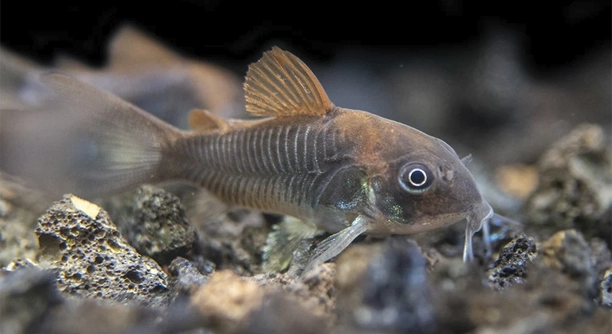
Corydoras catfish are popular aquarium pets known for their playful and gentle nature. However, it’s important to monitor their diet to ensure they are fed properly. Overfeeding can lead to health problems for your catfish.
Overfeeding your Corydoras catfish can cause digestive issues, poor water quality, and other health problems. Signs of overfeeding include bloating, sluggishness, and uneaten food at the bottom of the tank. Keeping track of feeding habits is essential.
Understanding the warning signs of overfeeding can help you provide the best care for your Corydoras. In this article, we’ll explore how to recognize and prevent overfeeding in your catfish, ensuring their health and happiness.
What Happens When Your Corydoras Catfish Is Overfed?
Overfeeding your Corydoras catfish may seem harmless, but it can cause serious issues. When a catfish eats more than it can handle, it can lead to digestive problems. The extra food that the fish cannot consume will sink to the bottom of the tank, affecting water quality. Decomposing food increases ammonia levels, which can harm the fish and other tank inhabitants. Additionally, the excess food can lead to weight gain and bloating in your catfish. This causes discomfort and can eventually result in illness if not addressed.
While it may seem that your fish are just eating a lot because they’re hungry, overfeeding often comes from giving them too much at once. Over time, the fish might struggle to stay active or exhibit unusual behavior. The extra food left in the tank also makes the environment less clean, putting stress on your catfish and other aquarium residents. Monitoring the amount of food you offer is crucial to avoid these problems.
Overfeeding doesn’t just impact your catfish’s health but also affects the balance of the entire aquarium. Poor water quality can lead to algae blooms, and high waste levels could lead to other fish becoming sick. It’s essential to feed only what your Corydoras can eat in a few minutes. If they leave food uneaten, you should reduce the amount you offer next time. Regular water changes and observing their eating habits will help maintain a healthy tank for all your fish.
Signs of Overfeeding in Corydoras Catfish
Recognizing overfeeding in Corydoras is simple once you know what to look for.
The first noticeable signs are bloating and lethargy. Overfed catfish often become sluggish and swim less, spending most of their time at the bottom of the tank. Their bellies might look swollen, especially after meals. This bloating can be a direct result of excess food in their stomachs, causing digestive issues. If left unchecked, this can lead to more serious problems like constipation or swim bladder issues. Corydoras are also more likely to become stressed in dirty water, which occurs from uneaten food.
To avoid these symptoms, it’s best to feed your catfish small amounts of food a few times a day. After offering food, observe how quickly they eat it and remove any leftovers after a few minutes. This will help maintain a clean environment and prevent overfeeding. Keep an eye on their behavior and physical condition to detect problems early on. Regular water changes and proper filtration will support the tank’s health, ensuring your catfish stay happy and active.
Bloating and Swelling in Corydoras Catfish
Bloating is a clear sign that your Corydoras is overfed. Their stomachs will appear larger than usual, especially after eating. This can be caused by excess food sitting in their digestive system, leading to discomfort. It’s important to watch for this symptom to prevent further health issues.
Swelling may become more noticeable in the belly area, making the catfish look unusually round. This could be a sign that they are having difficulty processing the food or their digestive system is overwhelmed. Bloating often affects their swimming behavior as well, with the fish appearing sluggish or resting more than usual. If the bloating persists, it can lead to other problems like constipation or fluid retention, making it essential to adjust their feeding schedule.
Once bloating becomes apparent, it’s important to reduce the amount of food you are offering. Check your fish’s eating habits and only give them as much food as they can consume in a few minutes. A smaller, more frequent feeding routine will help avoid further issues and ensure your Corydoras remains healthy.
Uneaten Food and Poor Water Quality
When food remains uneaten in the tank, it’s a sure sign of overfeeding. Leftover food sits at the bottom and decays, increasing ammonia and nitrate levels in the water. This creates an unhealthy environment for all fish in the tank, not just your Corydoras.
The presence of uneaten food is a warning sign that you may be giving your catfish too much at once. Over time, this can affect the overall water quality. Poor water quality can cause stress, making your Corydoras more vulnerable to disease. The water will need to be cleaned more frequently, and the tank might require stronger filtration to keep up with the waste levels. Excess food also leads to algae growth, which can clog filters and further degrade the tank’s ecosystem.
To avoid this, it’s essential to remove any leftover food after 5 minutes. This keeps the water cleaner and reduces stress on your fish. Regular water changes are also crucial for maintaining good water quality. Keeping the feeding amount in check will make your catfish healthier and happier.
Sluggish Behavior and Lack of Activity
Overfed Corydoras often become sluggish and less active. They may spend more time at the bottom of the tank, swimming slowly or barely moving. This behavior is caused by the discomfort from overeating, which affects their energy levels.
When Corydoras eat too much, they may feel bloated or heavy, which can make swimming difficult. Instead of actively exploring the tank, they prefer to stay in one spot. If you notice this behavior, it’s a sign to reduce their food intake. This will help bring them back to their usual active state and improve their overall well-being.
Swim Bladder Issues and Difficulty Swimming
A common result of overfeeding is swim bladder issues, which affect the catfish’s ability to swim properly. This happens when excess food causes a blockage in their digestive system, leading to an abnormal buoyancy issue. It can cause your catfish to struggle with floating or staying upright in the water.
Swim bladder problems are often linked to poor digestion caused by overeating. A catfish with swim bladder issues may tilt to one side, struggle to maintain proper balance, or even float to the top or sink to the bottom of the tank. This can be very distressing for the fish, especially if left untreated. If you notice these symptoms, adjusting their diet and feeding routine is crucial. Reducing food amounts and giving them time to digest properly will often improve their condition.
Stress and Hiding Behavior
Overfed Corydoras may show signs of stress, which often leads them to hide. They may feel overwhelmed by poor water quality or the discomfort of overeating. This causes them to retreat into hiding spots within the tank more often than usual.
Stress is harmful to fish, and the longer it persists, the more likely they are to become ill. Keep a close eye on your Corydoras’ behavior to ensure they aren’t consistently hiding. If this happens after meals, overfeeding could be the cause. Reducing the food amount and ensuring cleaner water can help relieve their stress.
FAQ
How much should I feed my Corydoras catfish?
You should feed your Corydoras small amounts of food that they can eat in 2 to 3 minutes, once or twice a day. Overfeeding can cause digestive issues and poor water quality, so it’s important to only offer what they can consume quickly. Adjust the portion size if you notice leftover food after feeding.
Can Corydoras catfish overeat?
Yes, Corydoras can overeat if given too much food. Overfeeding leads to bloating, sluggishness, and poor water quality. It can also cause long-term health issues such as swim bladder problems. Always be mindful of how much food you provide to avoid these issues.
How do I know if my Corydoras catfish is bloated?
You can tell if your Corydoras is bloated by observing its belly. A swollen belly, especially after feeding, is a common sign of overfeeding. The fish may also become less active, spending more time at the bottom of the tank, or swimming with difficulty.
What should I do if my Corydoras catfish is bloated?
If your Corydoras is bloated, stop feeding it for a day or two to allow its digestive system to clear. Make sure to remove any uneaten food from the tank. Afterward, feed smaller portions, and observe how much the fish eats. Reducing feeding frequency can help prevent bloating in the future.
How often should I clean my tank if my Corydoras is overfed?
You should clean your tank more often if you overfeed your Corydoras. Excess food decays and increases ammonia levels, so aim for water changes at least once a week. Make sure your filtration system is running properly to help maintain water quality, and remove leftover food promptly after feeding.
Can overfeeding cause swim bladder problems in Corydoras?
Yes, overfeeding can lead to swim bladder issues in Corydoras. Excess food can cause digestive blockages, which affect their buoyancy. A fish with swim bladder problems may struggle to swim, float upside down, or have difficulty staying at the bottom or top of the tank. Reducing food intake and adjusting feeding habits can help prevent this.
How do I prevent overfeeding my Corydoras?
To prevent overfeeding, feed only small amounts of food that the Corydoras can finish in a few minutes. Avoid offering food multiple times a day if they don’t finish it quickly. Monitor their eating habits, and remember to remove uneaten food from the tank. Regularly check their weight and behavior to make sure they’re healthy.
Can I feed Corydoras a variety of food?
Yes, Corydoras benefit from a varied diet, including pellets, flakes, and live or frozen foods such as worms or brine shrimp. However, be careful not to offer too much variety at once. Stick to the recommended portions, and avoid offering excess food to prevent overfeeding.
What is the best food for Corydoras catfish?
The best food for Corydoras includes sinking pellets or wafers designed for bottom feeders. These foods provide essential nutrients. Occasionally, you can offer frozen or live food, such as bloodworms or daphnia, to keep things interesting. Always check the ingredients to ensure you’re feeding them a balanced diet.
How do I know if my Corydoras is stressed?
Signs of stress in Corydoras include hiding more than usual, swimming erratically, or showing a lack of interest in food. Stress can result from poor water quality, overfeeding, or overcrowding in the tank. Keep the water clean and feed smaller amounts of food to reduce stress.
Can overfeeding affect other fish in the tank?
Yes, overfeeding affects all the fish in your tank. Excess food increases the waste level in the tank, leading to poor water quality and higher ammonia levels. This can cause stress or illness in other fish. Regular water changes and careful feeding habits help maintain a healthy tank for all its inhabitants.
Final Thoughts
Overfeeding your Corydoras catfish can lead to a variety of health problems, not just for the fish itself, but for the entire tank environment. It’s important to recognize the signs of overfeeding, such as bloating, sluggish behavior, and uneaten food. By adjusting the amount of food given and maintaining a regular feeding schedule, you can avoid these issues and ensure your Corydoras remain healthy and active. A balanced approach to feeding, combined with regular water changes and tank maintenance, will support a thriving aquarium for your fish.
Monitoring your catfish’s behavior is key to ensuring they are being fed properly. If you notice that they are becoming less active or spending more time hiding, it may be a sign that they are being overfed. Additionally, always remove any uneaten food from the tank after feeding to prevent water quality problems. Keeping the tank clean and avoiding overfeeding not only helps your Corydoras but also benefits all other aquatic creatures in the tank. Consistency in feeding and maintaining clean water conditions will lead to better health and fewer problems in the long run.
In the end, taking the time to properly care for your Corydoras catfish can help them live a long, happy life. Pay attention to the amount of food you offer, and always adjust based on their needs. Don’t be afraid to change your feeding routine if you notice any negative signs. With proper care and attention to their diet, your Corydoras will be a healthy and active addition to your aquarium. The small changes you make today can have a big impact on their well-being tomorrow.

Hello,
If you enjoy the content that we create, please consider saying a "Thank You!" by leaving a tip.
Every little bit helps us continue crafting quality advice that supports the health, happiness, and well-being of pets around the world, for pets of all shapes, sizes, and species.
We really appreciate the kindness and support that you show us!