
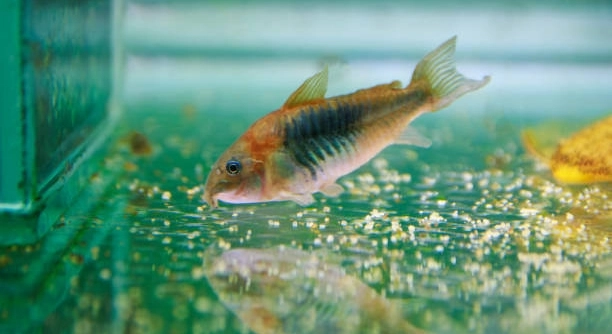
If you own Corydoras catfish, keeping their environment healthy is crucial for their well-being. Poor water filtration can affect their health, causing stress and discomfort. It’s important to spot the signs early to avoid long-term damage.
The most common signs of poor filtration in Corydoras catfish are changes in behavior, lethargy, and abnormal swimming patterns. The fish may also show signs of respiratory distress, such as rapid gill movement, or increased stress levels.
Recognizing these signs and understanding how to improve your tank’s filtration system can make a big difference in your catfish’s health and happiness.
Importance of Proper Filtration for Corydoras Catfish
Proper filtration is essential for maintaining a healthy aquarium environment, especially for delicate fish like Corydoras catfish. These fish are sensitive to poor water quality, and a filtration system plays a significant role in keeping the tank clean. When filtration is inadequate, harmful toxins and debris build up in the water, which can stress your fish. This may lead to a weakened immune system, making them more prone to diseases. Over time, this stress can manifest in physical symptoms such as lethargy and abnormal swimming patterns. A reliable filtration system ensures that the water stays oxygenated, clean, and free from harmful substances, promoting better health and overall well-being for your catfish. It also reduces the frequency of water changes, saving time and effort while maintaining a healthy tank.
A good filtration system will keep the water circulating, removing waste before it harms your catfish. Poor filtration, on the other hand, may create an unhealthy environment that can lead to various problems.
If your Corydoras catfish appears stressed, lethargic, or has trouble swimming, it’s worth checking the filtration system. Without proper filtration, the water can quickly become toxic, which leads to the fish’s declining health. By monitoring and maintaining your filtration system, you’ll be able to create a safe and clean environment that helps your fish thrive. Simple upgrades or routine maintenance can have a significant impact on their quality of life.
Signs Your Corydoras Catfish May Be Struggling
The first sign of poor filtration is often visible behavior changes. Corydoras catfish typically swim actively, exploring every corner of the tank. However, when the water is unclean, they may become less active and spend most of their time near the bottom or in one corner of the tank.
If your fish starts swimming erratically or hiding more often, it’s a clear indication that something is off with the tank’s conditions. This could be caused by water quality issues due to insufficient filtration. Additionally, if they appear to be gasping for air at the surface more than usual, the oxygen levels might be low. When filtration fails to provide proper circulation, oxygen can become scarce, stressing your catfish. If these behaviors are noticed, check your filtration system immediately and ensure the water is clean and oxygenated. Making improvements can restore the balance and prevent further issues.
Lack of Oxygen in the Tank
When your filtration system isn’t working properly, the oxygen levels in the water can drop. This affects your Corydoras catfish, making it harder for them to breathe. They may start gasping at the surface more frequently or swimming near the surface in search of air.
Corydoras are bottom-dwelling fish, so they are used to scavenging for food on the substrate. But when the water lacks oxygen, they may try to swim higher up in search of cleaner, more oxygen-rich areas. This unusual behavior is a clear indicator that the filtration system is not doing its job. Without proper water circulation, oxygen doesn’t get distributed well throughout the tank, leading to stress for your fish.
If you notice your Corydoras catfish swimming erratically or acting out of character, it’s a good idea to check the filtration system. Consider adding additional aeration or upgrading your filter to restore healthy oxygen levels. Improving circulation will help maintain a comfortable environment for your fish.
The Build-up of Ammonia and Nitrates
One of the most significant impacts of poor filtration is the build-up of ammonia and nitrates in the water. These substances are toxic to your Corydoras catfish and can cause severe health problems if they reach high levels. Normally, a filtration system helps break down these toxins, but if it’s not functioning well, they can accumulate quickly.
Ammonia levels, in particular, spike in poorly filtered tanks, leading to symptoms like red or swollen gills, skin lesions, or unusual swimming patterns in your fish. In the long term, elevated nitrate levels can also harm your fish, affecting their respiratory systems and causing chronic stress. Both of these conditions are dangerous, and if left untreated, can lead to death. Regularly checking water parameters and ensuring your filtration system is running efficiently can help prevent this.
Investing in a good filtration system is essential for your fish’s health. Cleaning and maintaining your filter regularly will help reduce the build-up of harmful substances. If necessary, consider upgrading to a more powerful filter to handle the tank’s specific needs.
Cloudy or Murky Water
Cloudy water is often a sign that your filtration system isn’t doing its job. When the filter is inadequate, waste and debris build up in the tank, leading to murky water. This can create an unhealthy environment for your Corydoras catfish.
The cloudiness is usually caused by an excess of organic matter, such as uneaten food, fish waste, or dead plant matter, that isn’t being removed from the water. If you notice this, it’s time to check the filter for blockages or inadequate performance. Regular maintenance, such as cleaning the filter and changing the filter media, can help restore water clarity.
Investing in a more powerful filter may be necessary for large tanks or tanks with many fish. By keeping the water clear and free from debris, your Corydoras will have a healthier, more stable environment to thrive in.
Uneven Tank Temperature
If your filtration system isn’t working properly, it can cause uneven water temperature in the tank. This happens when the water isn’t circulating efficiently, and certain areas of the tank become warmer or cooler than others. Corydoras catfish prefer stable temperatures, and fluctuations can cause stress.
Fish that experience temperature changes regularly may become more susceptible to illness, and their immune systems may weaken. To help prevent this, monitor the temperature in different areas of the tank. If you notice significant temperature differences, it’s time to upgrade the filtration system or add a heater to help maintain a stable temperature.
Increased Algae Growth
Poor filtration often leads to excess nutrients in the water, which encourages algae growth. These nutrients come from uneaten food, fish waste, and decaying plants. Algae thrives in these conditions, making the water green and murky.
If left unchecked, algae can cover surfaces in the tank, blocking light and oxygen, which further stresses your Corydoras catfish. To combat this, improving filtration is key. Make sure your filter is properly sized for the tank, and clean it regularly to remove waste that may contribute to algae growth.
FAQ
How often should I clean my filter?
Cleaning your filter regularly is crucial for maintaining healthy water conditions. Typically, you should clean your filter every 4 to 6 weeks, depending on your tank’s size and the number of fish. If you notice your water becoming cloudy or debris accumulating, it may be time to clean your filter sooner. Always rinse the filter media in tank water, not tap water, to avoid killing beneficial bacteria. However, don’t clean the filter too often, as it could disrupt the biological filtration process and harm your fish.
What happens if I don’t clean my filter?
If you neglect cleaning your filter, waste, debris, and uneaten food can accumulate in the tank, leading to poor water quality. This can cause an increase in harmful toxins, such as ammonia and nitrates, which are dangerous for your Corydoras catfish. Without regular maintenance, your filtration system will struggle to keep the water clean, and your fish will be at risk of stress, illness, or even death. Over time, an overworked filter can break down or lose its efficiency, leaving your tank in poor condition.
Can I add more fish if my filtration system is not working well?
Adding more fish to a tank with poor filtration can quickly lead to a toxic environment. As the fish produce waste, the water quality will decline, and the filter won’t be able to keep up. This can put your existing fish, including Corydoras catfish, under additional stress. It’s best to ensure your filtration system is working properly before adding any new fish. If you want to expand your tank, consider upgrading your filter to accommodate the increased load.
What should I do if my Corydoras catfish is gasping for air?
If your Corydoras catfish is gasping for air, it may be a sign that the oxygen levels in the tank are too low, likely due to inadequate filtration. Start by checking the filter to ensure it’s working correctly and that the water is circulating properly. You can add an air pump or improve aeration to help increase oxygen levels. Also, check the water parameters, including temperature and ammonia levels, to rule out other factors that might be affecting the fish’s breathing.
How do I know if my filter is working properly?
To check if your filter is working properly, observe the water quality. If the water is clear and free from visible debris, your filter is likely functioning well. If the water becomes cloudy, murky, or you notice an increase in algae growth, the filter might not be doing its job. You should also listen to your filter. If it’s unusually quiet or making strange noises, it might not be working efficiently. Perform routine maintenance, such as cleaning and checking the filter’s output, to ensure it is running smoothly.
How do I fix a slow filter?
If your filter is running slowly, it’s usually due to a clog or build-up of debris. Start by turning off the filter and inspecting it for any blockages. Clean the filter media with tank water to remove waste and debris. Check the impeller and pump for any obstructions or damage. If the filter continues to run slowly after cleaning, it may need a replacement part or an upgrade. Over time, filters can lose efficiency, and a more powerful filter might be necessary to handle your tank’s needs.
Can poor filtration lead to diseases in Corydoras catfish?
Yes, poor filtration can lead to various diseases in Corydoras catfish. When the water quality deteriorates, it weakens the fish’s immune system, making them more susceptible to bacterial and fungal infections. Conditions like fin rot, skin lesions, and swim bladder issues can arise due to prolonged exposure to harmful toxins. A lack of filtration also contributes to stress, which further compromises your fish’s ability to fight off illnesses. Maintaining proper filtration and water quality is key to preventing diseases and keeping your fish healthy.
Is it okay to use a smaller filter for my tank?
Using a smaller filter for your tank can be risky, especially if your tank has a high fish load. A filter that is too small won’t be able to keep up with the amount of waste produced, leading to poor water quality. It’s essential to choose a filter that is rated for the size of your tank or slightly overpowered to ensure proper filtration. If you use a smaller filter, you may need to clean it more frequently to keep up with the waste load, but it’s generally better to choose a filter that can efficiently handle the tank’s needs.
How do I know if the water in my tank has poor oxygen levels?
If your Corydoras catfish or other fish are gasping at the surface or swimming near the surface of the water, it may indicate low oxygen levels. Additionally, if the water temperature is high, it can further reduce oxygen saturation. You can test the oxygen levels using an aquarium test kit, but visual signs and erratic fish behavior are usually the first indicators. Improving filtration, adding an air pump, or increasing surface agitation can help increase oxygen levels in the tank.
Can I use a sponge filter for Corydoras catfish?
Sponge filters can work well for Corydoras catfish, especially in smaller tanks. They provide gentle filtration and aeration, which is ideal for bottom-dwelling fish like Corydoras. Sponge filters are also less likely to disturb the substrate, which is important for these catfish that like to scavenge on the tank floor. However, for larger tanks or heavily stocked aquariums, you may need a more powerful filter to handle the waste load. In such cases, consider supplementing the sponge filter with a stronger filter or upgrading to a more efficient system.
Maintaining proper filtration in your aquarium is essential for the health of your Corydoras catfish. These small, sensitive fish thrive in clean, oxygenated water. Poor filtration can lead to harmful conditions such as high toxin levels, low oxygen, and the build-up of waste, all of which can stress your fish and cause health problems. If you notice signs of distress in your Corydoras, such as lethargy, abnormal swimming patterns, or gasping at the surface, it’s a good idea to check the filtration system. A clean and properly functioning filter plays a significant role in keeping your tank’s water clear and healthy, which in turn helps keep your fish happy.
To keep your filter working efficiently, regular maintenance is important. Clean the filter every few weeks, check for blockages, and replace any worn-out parts. If the water is still murky or your fish show signs of stress, it might be time to upgrade the filter to one that can handle the tank’s specific needs. A good filter can make a huge difference in preventing problems before they start. Along with proper filtration, remember to test the water regularly for ammonia, nitrate, and oxygen levels. Monitoring these factors ensures a healthy environment for your Corydoras and all other tank inhabitants.
In summary, proper filtration is the key to a healthy aquarium. By keeping the water clean, oxygenated, and free of toxins, you are giving your Corydoras catfish the best chance to thrive. If you’re noticing signs of poor filtration, such as cloudiness, gasping, or erratic swimming, take action by checking and cleaning your filter. Investing in a good filter and maintaining it regularly will save you time and effort in the long run and ensure that your Corydoras catfish remain healthy and stress-free.

Hello,
If you enjoy the content that we create, please consider saying a "Thank You!" by leaving a tip.
Every little bit helps us continue crafting quality advice that supports the health, happiness, and well-being of pets around the world, for pets of all shapes, sizes, and species.
We really appreciate the kindness and support that you show us!