
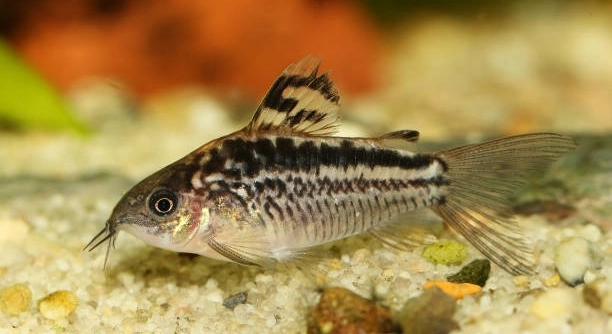
Corydoras catfish are beloved for their peaceful nature and unique charm in aquariums. However, when these little fish stop eating, it can cause concern for their owners. Understanding why this happens is key to resolving the issue.
Your Corydoras catfish may stop eating due to various reasons, including stress, illness, water quality issues, or improper diet. Identifying the underlying cause is crucial to restoring their appetite and ensuring their overall health and well-being.
Addressing these concerns will help you identify and solve the issue, allowing your catfish to thrive again in its environment.
Stress in Your Corydoras Catfish
Stress is one of the most common reasons why Corydoras catfish stop eating. This can occur due to sudden changes in the environment, overcrowded tanks, aggressive tankmates, or frequent handling. Fish are sensitive to their surroundings, and any disturbance can make them anxious. When stressed, they tend to retreat to the bottom of the tank and lose their appetite. Stress can weaken their immune system, making them more vulnerable to diseases, which could further affect their eating habits.
Stress can often be avoided by providing a stable environment for your catfish. Ensuring the tank has plenty of hiding spots will allow them to feel secure. Also, avoiding fast or sudden movements near the tank helps minimize stress. Regular maintenance, such as keeping the water clean and at a suitable temperature, will prevent environmental stress. Be mindful of their tankmates too—peaceful companions are always best for Corydoras catfish.
Addressing stress as soon as possible can help your catfish return to normal. A calm and stable environment is key to maintaining their health and appetite.
Water Quality Issues
The water quality in your tank plays a vital role in your Corydoras’ health and eating habits. Poor water conditions, such as high ammonia or nitrite levels, low oxygen, or incorrect pH, can make your fish uncomfortable and cause them to stop eating.
Regular water changes are necessary to ensure your fish thrive. Corydoras catfish are particularly sensitive to toxins in the water. Maintaining the right balance in the tank can help prevent digestive problems and stress, both of which can lead to a loss of appetite. Keeping a good filtration system and testing the water regularly will keep your fish in a healthy environment, encouraging them to eat. If you’re noticing signs of poor water quality, act quickly to make improvements.
Pay close attention to the water parameters and adjust them as needed. A small change can make a big difference for your Corydoras catfish.
Illness or Disease
If your Corydoras catfish is sick, it may stop eating. Common illnesses like parasites, bacterial infections, or fungal diseases can cause a lack of appetite. If your catfish shows other signs such as lethargy, unusual swimming behavior, or visible spots, it’s important to treat them promptly.
Make sure to quarantine sick fish if you have other tankmates to prevent the spread of infection. A trip to an aquarium specialist or vet can help diagnose the issue. Some illnesses are contagious, so separating the affected fish while you treat them is essential. Additionally, medication may be necessary to treat the specific condition affecting your fish.
Always monitor the water parameters closely, as poor water quality can worsen their condition. Follow proper care instructions and give the right medications to help your catfish recover. Proper treatment can restore your fish’s health and bring back its appetite.
Poor Diet or Inadequate Nutrition
Corydoras catfish require a balanced diet to stay healthy. If they’re not eating, it could be because their food is unsuitable or they aren’t receiving the right nutrients. A lack of variety in their diet may cause them to lose interest in eating.
A high-quality pellet or flake food designed for bottom-dwelling fish should be part of their regular diet. You can also offer them frozen or live foods, like bloodworms or brine shrimp, to encourage eating. Variety is key to keeping them interested and healthy. Offering small portions throughout the day can prevent overeating and promote a healthy feeding schedule.
Sometimes, your catfish may not like a certain type of food, so it’s important to test different options. This trial and error approach will help you find what they prefer, allowing them to enjoy their meals again. Keep their diet varied and nutrient-dense to prevent malnutrition.
Overcrowding in the Tank
Overcrowding can be stressful for Corydoras catfish, leading to a lack of appetite. Too many fish in the tank can create territorial issues, increase waste, and reduce water quality, all of which impact your catfish’s willingness to eat.
Ensure your tank has enough space for all inhabitants, allowing each fish to have its own area. If you notice your catfish hiding more often or becoming aggressive, it may be a sign that the tank is too crowded. Consider rehoming some fish or upgrading to a larger tank to give everyone room to thrive.
Providing adequate space will reduce stress and encourage better eating habits.
Temperature Fluctuations
Corydoras catfish are sensitive to sudden temperature changes. If the water is too cold or fluctuates rapidly, your catfish may stop eating. Keeping the water temperature stable is crucial for their health.
Check the tank’s temperature regularly and use a reliable heater if needed. Ideally, Corydoras catfish thrive in water temperatures between 72°F and 78°F. Avoid placing the tank in drafty areas or near windows, as this can cause temperature swings. A stable environment will help your fish feel secure, keeping their appetite in check.
Incorrect Tankmates
Aggressive or overly active tankmates can stress your Corydoras catfish and cause them to stop eating. If other fish are constantly chasing or bullying them, they may become too anxious to feed.
Choosing peaceful tankmates, such as other bottom dwellers or non-aggressive fish, will allow your Corydoras catfish to feel safe and comfortable. Make sure the tankmates are not too large or dominant, as this can intimidate your catfish and lead to stress. Monitoring your fish interactions will help maintain a harmonious environment and improve eating habits.
FAQ
Why isn’t my Corydoras catfish eating after water changes?
Corydoras catfish can become stressed after water changes, especially if the water quality or temperature fluctuates. This sudden change can make them uneasy and lead to a temporary loss of appetite. Ensure that you are matching the new water parameters to the original tank conditions to avoid any stress.
After performing a water change, it’s important to let the water settle and monitor the temperature. If the temperature or pH changes too much, your fish may avoid eating until they feel more comfortable again. Giving your catfish time to adjust to the new water conditions can help them resume feeding normally.
How long can Corydoras catfish go without eating?
Corydoras catfish can survive for a few days without food, but prolonged periods without eating can weaken their immune system and cause health problems. If your catfish is refusing food for more than a few days, it’s important to investigate potential causes such as water quality, stress, or illness.
If your Corydoras continues to refuse food for several days, it’s a sign that something is wrong in the tank. Start by checking the water parameters, looking for any signs of illness, and making sure that the diet provided is suitable for them. Extended periods without food should be addressed as soon as possible to prevent any lasting damage to your fish.
Can Corydoras catfish eat only pellets or flakes?
While pellets and flakes are a convenient option for feeding Corydoras catfish, they should not be the only food offered. A varied diet is important for keeping your fish healthy and interested in eating. Offering frozen or live foods like brine shrimp, bloodworms, or daphnia can provide essential nutrients.
Pellets and flakes should form the base of their diet, but providing variety will help your catfish thrive. You can alternate between different food types, offering them small portions throughout the day. This will keep your fish satisfied and encourage them to eat regularly.
Is it normal for Corydoras catfish to only eat at night?
Corydoras catfish are nocturnal creatures, which means they are more active and prefer eating during the night. It’s completely normal for them to show little interest in food during the day. If your catfish is not eating during the daytime but feeds at night, there’s no need to worry.
As long as your Corydoras catfish is eating at night and appears healthy, it’s simply following its natural feeding habits. Ensure that you are providing food that is available for them at night, and check the water conditions to ensure they are comfortable. As nocturnal feeders, they are more likely to seek out food once the tank lights are off.
Should I be concerned if my Corydoras catfish stops eating for a few hours?
It’s common for Corydoras catfish to skip a meal every now and then, especially if they are feeling stressed or there’s a change in the tank environment. However, if they refuse food for an extended period or show signs of illness, you should investigate the underlying cause.
A temporary loss of appetite may not be a cause for concern, but if the problem persists, it’s time to examine factors like water quality, temperature, and tankmates. Always monitor your fish closely, and if necessary, adjust the tank conditions to help them feel more at ease. If symptoms worsen, seek professional advice from a vet or aquarist.
What’s the best way to encourage my Corydoras catfish to eat again?
To encourage your Corydoras catfish to start eating again, ensure that the water quality is optimal and there are no sources of stress. Try offering a variety of foods, such as sinking pellets, frozen or live foods, and even vegetables like blanched zucchini or peas.
Providing a peaceful environment and minimizing stressors like aggressive tankmates can help your fish feel safe and comfortable. If they continue to avoid food, consider reducing feeding times to avoid overwhelming them. Regular maintenance of the tank, such as keeping it clean and ensuring proper filtration, will help your catfish stay healthy and resume eating.
Could my Corydoras catfish be too shy to eat in front of others?
Yes, Corydoras catfish can be shy, especially when first introduced to a new tank or when there are more dominant or aggressive fish around. They are bottom dwellers and may feel insecure about eating if they are constantly outcompeted for food.
If your Corydoras is not eating in front of other fish, you can try feeding them in a separate area of the tank, or provide food at different times. You can also consider adding more hiding places in the tank to give them a sense of security. Over time, as they become more comfortable, they may feel more confident feeding in front of others.
What can I do if my Corydoras catfish is not eating due to illness?
If your Corydoras catfish is sick, it’s crucial to identify the illness early and treat it properly. Common signs of illness include lethargy, discoloration, or visible lesions. Depending on the illness, you may need to use medicated food or water treatments.
Start by isolating the sick fish to prevent the spread of disease. Consult a vet or aquarium specialist to diagnose the issue and provide the appropriate medication. It’s also essential to maintain proper water conditions during this time to support your fish’s recovery. A clean, stress-free environment will help your catfish regain its appetite and strength.
How do I prevent my Corydoras catfish from becoming stressed?
To prevent stress in your Corydoras catfish, provide them with a stable and clean tank environment. Regular water changes, maintaining the proper temperature, and avoiding overcrowding are essential. It’s also important to choose peaceful tankmates and reduce loud noises or disturbances around the tank.
Ensure that your Corydoras have plenty of hiding spots, as these fish feel more secure when they can retreat to a safe area. By maintaining an optimal environment and minimizing stressors, you can keep your catfish calm and encourage healthy eating habits.
Final Thoughts
When your Corydoras catfish isn’t eating, it can be concerning, but there are many possible reasons for this behavior. Stress, illness, poor water quality, and even diet issues can all contribute to a loss of appetite. Identifying the root cause is important to solving the problem and helping your catfish return to its normal eating habits. In many cases, small changes in their environment or care routine can make a big difference.
If you notice your Corydoras avoiding food, first check the water quality, as poor water conditions are a common cause of stress. Make sure the water temperature, pH, and ammonia levels are suitable for your fish. A stable environment will help your catfish feel more secure, which can encourage eating. In addition to water quality, make sure the food you’re offering is varied and appropriate for your fish. If they aren’t interested in one type of food, try another to find what they like best. Offering different food options can help stimulate their appetite and keep them healthy.
Finally, if your catfish continues to refuse food, consider whether there may be an underlying health issue. Illnesses or diseases can often cause a loss of appetite, so look for signs of illness such as lethargy, unusual behavior, or visible spots. In these cases, it’s important to treat your fish as soon as possible to prevent further health problems. By closely monitoring your fish’s behavior and environment, you can help ensure they get back to eating and stay healthy in the long run.

Hello,
If you enjoy the content that we create, please consider saying a "Thank You!" by leaving a tip.
Every little bit helps us continue crafting quality advice that supports the health, happiness, and well-being of pets around the world, for pets of all shapes, sizes, and species.
We really appreciate the kindness and support that you show us!