
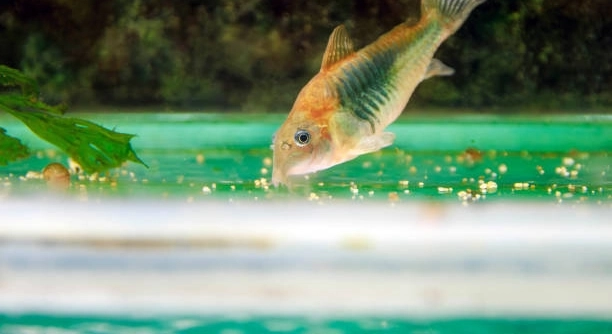
Is your Corydoras catfish spending more time resting at the bottom of the tank than swimming around like it used to? This change in behavior can sometimes cause concern for aquarium keepers who notice subtle shifts in activity.
The most common reason your Corydoras catfish is resting more often is stress or discomfort in its environment. Changes in water quality, tank mates, or temperature can all contribute to reduced activity levels and increased resting.
From subtle signs of illness to normal aging, several factors may be influencing your catfish’s behavior. Understanding these can help you provide better care and a more stable habitat.
1. Changes in Water Quality
Corydoras catfish are sensitive to their environment, and any fluctuation in water parameters can impact their behavior. Ammonia spikes, nitrite levels, or sudden shifts in pH can cause stress, leading them to rest more frequently. Even minor changes can affect their health, making them less active and more withdrawn. Make sure to test your tank water regularly and keep it within the safe range for Corydoras—stable temperature, clean water, and consistent pH. Poor water quality can cause oxygen depletion, leaving your catfish sluggish. A lack of hiding spots or sudden light changes may also contribute. Keep the tank well-aerated and avoid overcrowding. Maintaining good filtration and performing regular water changes helps reduce buildup of waste that can harm your fish. Corydoras thrive in clean, calm conditions, and even a short-term imbalance can make them behave differently. Watch for other signs like gasping at the surface or reddened gills.
Check the ammonia, nitrite, and nitrate levels first. These are often the reason behind a catfish’s sudden change in behavior or energy.
Restoring proper water conditions usually improves your fish’s activity. If you notice lasting behavior changes despite stable water parameters, consider evaluating other possible causes.
2. Natural Resting Behavior
Sometimes, Corydoras catfish are just taking a break. They naturally rest on the substrate, especially when they feel secure and comfortable. This is often normal behavior and not a cause for concern.
Corydoras are known to alternate between bursts of activity and short resting periods throughout the day. These patterns become more noticeable in calm tanks with low stress. If your catfish is still eating, interacting with others, and responding to movement, its behavior is likely normal. It helps to observe the pattern over several days before assuming something is wrong. A well-balanced diet, a peaceful environment, and consistent care support natural resting without causing alarm. Keep an eye on tank dynamics, especially if new fish were recently introduced or changes were made to the tank layout. Corydoras appreciate having shaded areas and soft substrate to rest on. A calm fish resting now and then can be a sign it feels safe.
3. Stress From Tank Mates
Aggressive or overly active tank mates can make Corydoras feel threatened. This often causes them to hide more or rest longer than usual. Peaceful community tanks are important for keeping their behavior consistent and relaxed.
Fish that chase or nip can easily stress out Corydoras. Even if there’s no visible injury, the constant movement around them may create discomfort. These catfish prefer calm surroundings and do best with other bottom-dwelling or peaceful species. Watch for signs like hiding in corners, reduced feeding, or hesitating to explore open spaces. Separating aggressive fish or rearranging the tank to add more cover may help. Use plants, driftwood, or small caves to create calm spaces. Ensuring a proper ratio of species can make the tank feel more balanced. If aggression continues, consider rehoming incompatible fish. Giving Corydoras a peaceful environment helps maintain their normal resting and swimming patterns without unnecessary stress.
Some Corydoras may stop exploring when they feel intimidated. Even subtle signs like sudden retreats or clumped resting could mean they’re feeling uneasy. Space, visual barriers, and compatible fish are key. Watch closely after introducing new tank mates, and be ready to adjust if your Corydoras show a change in their daily behavior. A peaceful setting encourages healthy activity.
4. Temperature Fluctuations
Temperature changes can directly affect your catfish’s energy. If it’s too warm or too cool, your Corydoras may become sluggish, staying still for longer periods or hiding in shaded spots more often than usual.
Corydoras thrive in stable water temperatures between 72°F and 78°F. Rapid drops or spikes outside this range can make them less active. Heaters that malfunction or drafty room conditions can cause fluctuations, especially during seasonal transitions. It’s important to check your thermometer regularly and monitor how consistent the tank remains throughout the day. Poor circulation or uneven heating may also lead to hot or cold spots. Your catfish might rest more if they’re trying to adjust their body to these changes. Stress from temperature swings can weaken their immune system, increasing their vulnerability to illness. Keeping water within the ideal range helps them stay active and alert without showing signs of distress or fatigue.
5. Aging and Slower Activity
As Corydoras get older, their energy levels naturally decrease. Older fish often rest more and swim less. You might also notice a slower response to food or tank movement as part of their aging process.
This gradual change in behavior is common and usually not a sign of illness. Keeping their environment stable helps support them as they slow down. Avoid overcrowding and reduce stress to make their space more comfortable during this stage.
6. Recovery From Illness
If your Corydoras recently had a health issue, increased resting could mean it’s still recovering. Rest helps them regain energy and heal fully. Watch for steady improvement, like a return to normal eating and movement over time.
7. Low Oxygen Levels
Poor oxygen levels make fish breathe harder and move less. If your Corydoras is staying still or gasping at the surface, your tank may need more aeration or improved water flow.
FAQ
Why is my Corydoras catfish staying in one spot for so long?
Corydoras may rest in one spot for extended periods due to several factors like stress, poor water quality, or illness. If your catfish is otherwise healthy, it could just be taking a break. However, if it’s resting more than usual or appears lethargic, it’s important to check the tank’s water quality, temperature, and tank mates. Stress from aggressive fish or sudden changes in the environment can cause them to stay in one place.
How can I tell if my Corydoras catfish is stressed?
Stressed Corydoras may exhibit behaviors like hiding in corners, reduced activity, or sitting at the bottom of the tank more often. You may also notice loss of appetite, abnormal swimming patterns, or frantic movements. Stress often results from poor water conditions, incompatible tank mates, or overcrowding. It’s important to address any stressors quickly to ensure your catfish remains healthy.
What are the signs of illness in Corydoras catfish?
Illness in Corydoras may be marked by changes in behavior, such as excessive resting, lethargy, or unusual swimming patterns. Physical symptoms like white spots, torn fins, or changes in color could indicate a bacterial or parasitic infection. If your Corydoras is not eating or appears to have trouble swimming, it’s a sign to check the water quality and look for any other symptoms that might suggest illness.
Can temperature affect my Corydoras catfish’s behavior?
Yes, temperature fluctuations can significantly affect Corydoras catfish behavior. These fish prefer stable temperatures between 72°F and 78°F. If the water is too hot or cold, they may become sluggish, rest more, or even hide. Using a reliable heater and thermometer to maintain a consistent water temperature can prevent this issue and keep your fish active and healthy.
Is my Corydoras catfish just resting or is it sick?
If your Corydoras catfish is resting more than usual but still eating and swimming occasionally, it could just be taking a break. However, if your fish is lethargic, refuses food, or has physical signs of illness, it’s important to investigate further. Always monitor their behavior closely and check water parameters to rule out stress or illness.
How often should I feed my Corydoras catfish?
Corydoras are bottom feeders and enjoy scavenging for food. They don’t need feeding every day, but it’s good to offer food 2-3 times a week. They typically enjoy sinking pellets, live or frozen foods like bloodworms or brine shrimp, and vegetable matter. Overfeeding can lead to water quality issues, so it’s important to remove any uneaten food after a few hours.
What can I do if my Corydoras catfish is not eating?
If your Corydoras is not eating, first check water quality. Poor water conditions can lead to a lack of appetite. Also, consider whether the food is appropriate for your catfish. Corydoras are bottom dwellers, so they prefer sinking pellets or small, soft foods. Ensure your tank is calm, as stressed fish may not eat.
How do I create a comfortable environment for my Corydoras catfish?
Corydoras prefer peaceful tanks with plenty of hiding spots. Use smooth, soft substrate like sand to avoid injury to their sensitive barbels. Adding plants, driftwood, and caves gives them areas to rest and feel secure. Keep the water clean with regular changes and ensure proper filtration. A peaceful tank with compatible tank mates also helps your Corydoras feel comfortable.
Why is my Corydoras catfish always at the surface?
If your Corydoras catfish is spending too much time near the surface, it could be due to low oxygen levels in the tank. Fish may seek oxygen from the surface if water circulation is poor. Adding an air stone, improving the filter, or increasing water flow can help increase oxygen levels and encourage your catfish to return to the bottom.
Can Corydoras catfish live with other species?
Yes, Corydoras catfish are generally peaceful and can live with many other species, especially those that are not overly aggressive. They do well in community tanks with species that swim in the middle or top levels, leaving the bottom for Corydoras. Avoid keeping them with fin-nipping or overly active fish that might stress them out.
How can I improve the water quality in my Corydoras tank?
To improve water quality, ensure you have a good filtration system and perform regular water changes. Test the water regularly for ammonia, nitrite, nitrate, and pH levels to make sure they’re within safe ranges. Avoid overcrowding, remove uneaten food promptly, and keep the tank clean. A well-maintained tank helps keep your Corydoras healthy and active.
Can Corydoras catfish live with shrimp?
Corydoras catfish and shrimp generally get along well. Both are peaceful bottom-dwelling creatures. However, it’s important to monitor tank dynamics, especially with smaller shrimp species, as Corydoras may accidentally disturb or eat baby shrimp. Large, peaceful shrimp species such as Amano shrimp should be safe in a tank with Corydoras.
Why is my Corydoras catfish not moving much?
If your Corydoras catfish is not moving much, it could be due to low water quality, illness, stress, or old age. Begin by checking the water conditions, temperature, and the tank’s environment for any changes. If the behavior persists, consider checking for signs of illness or stress and adjust the tank as needed.
Final Thoughts
Corydoras catfish are typically hardy and low-maintenance fish that can thrive in many tank setups. However, like all pets, they can sometimes show changes in behavior. Resting more than usual might be a normal part of their behavior, especially if they are older or simply taking a break. It’s essential to keep a close eye on your fish and make sure its environment is stable. Regular water changes, proper filtration, and ensuring the tank is peaceful will go a long way in maintaining your catfish’s health and happiness.
If you notice your Corydoras is resting more frequently, it’s also a good idea to assess the tank’s water quality and temperature. Poor water conditions can lead to stress and health issues. Check for ammonia, nitrite, and nitrate levels, and make sure the water is clean and well-oxygenated. Tankmates also play a role in your fish’s behavior. Corydoras prefer peaceful environments, so it’s important to avoid aggressive fish that might cause stress. With proper care and attention, most of the causes of excessive resting can be addressed.
Ultimately, understanding your Corydoras’ behavior will help you respond to any changes in its activity levels. While it’s normal for them to rest more as they age, other factors like illness, water quality, and stress should always be considered. By providing a stable environment and being aware of potential issues, you can ensure your Corydoras catfish remain healthy and active. Keeping their habitat in check will help prevent unnecessary resting and ensure your fish live a long, happy life.

Hello,
If you enjoy the content that we create, please consider saying a "Thank You!" by leaving a tip.
Every little bit helps us continue crafting quality advice that supports the health, happiness, and well-being of pets around the world, for pets of all shapes, sizes, and species.
We really appreciate the kindness and support that you show us!