
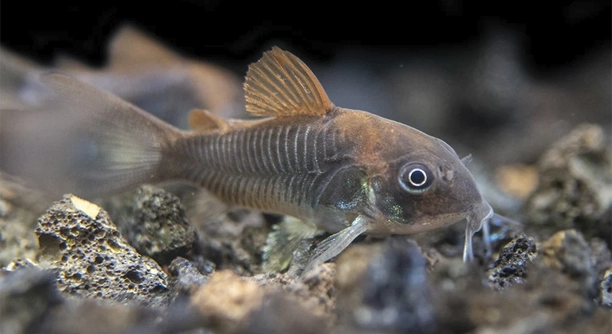
Corydoras catfish are popular in home aquariums, admired for their gentle nature and unique behavior. However, ensuring they maintain a healthy weight can sometimes be challenging for new fish owners. Recognizing the signs of an underweight catfish is essential.
The primary indicators of an underweight Corydoras catfish include a sunken belly, visible ribcage, and lethargic behavior. These signs are often caused by poor diet, illness, or water quality issues, which require immediate attention to prevent further health complications.
Understanding these signs can help you care for your Corydoras catfish, ensuring they stay healthy and happy in your aquarium environment.
Common Causes of Underweight Corydoras Catfish
Corydoras catfish are generally hardy, but several factors can lead to them becoming underweight. Poor diet is one of the most significant contributors. If your catfish is not receiving a balanced, high-quality diet, it may not be able to gain or maintain proper weight. Corydoras require a variety of food types, including high-protein pellets, frozen or live foods like worms and brine shrimp, and occasional plant-based foods.
Another factor to consider is water quality. Poor water conditions, such as incorrect temperature, high ammonia, or low oxygen levels, can stress your fish, causing them to eat less or become lethargic. It’s essential to regularly test the water parameters in your tank to ensure they are within the optimal range for Corydoras catfish.
If your Corydoras is underweight, it’s important to address these factors promptly. Poor diet, inadequate water conditions, or other underlying health issues should be corrected to prevent further harm.
Signs of Malnutrition in Corydoras Catfish
Malnutrition often manifests in visible ways. A sunken belly is one of the most obvious signs of an underweight Corydoras. You may also notice that the catfish appears weaker or less active than usual. If these signs are evident, it’s crucial to check their food intake and water quality immediately.
Ensuring your fish receives a balanced diet and proper care will promote their health and growth, reducing the likelihood of malnutrition. Regularly observe your catfish for any changes in behavior, appearance, or activity.
Importance of Proper Diet for Corydoras Catfish
A proper diet is essential for your Corydoras catfish’s health and weight management. These fish thrive on a varied diet that includes both protein-rich and plant-based foods. Regular feeding with high-quality pellets, along with live or frozen foods like brine shrimp or bloodworms, ensures they receive all the nutrients they need.
The variety in their diet helps maintain their energy levels and supports their natural behaviors. If you only offer one type of food, your fish may not be getting all the nutrients they require, leading to potential weight loss. Offering a mix of foods will keep them healthy and prevent malnutrition.
Adding occasional vegetables like spinach or zucchini will also support their digestive health. Without proper diet variety, Corydoras may struggle to maintain a healthy weight. Aim for balance and consistency in their feeding routine to ensure they get the most out of their meals.
Water Quality and Its Impact on Corydoras Catfish
Water quality directly affects your Corydoras catfish’s overall health. They prefer stable, clean environments with well-maintained parameters. Ensure the tank’s water is free from ammonia, nitrites, and nitrates, as these can cause stress and affect feeding behavior.
Regularly changing the water and monitoring the temperature will help create a healthy environment. Corydoras do best in water with a temperature range of 72-78°F (22-26°C). It’s also important to use a good filtration system to keep the water clean. Poor water conditions can cause stress, leading to a lack of appetite and poor weight gain.
Low oxygen levels can be another issue, as Corydoras are bottom-dwellers and often require better oxygenation. Make sure your aquarium has proper aeration, as this can significantly impact their health and eating habits.
Illness and Health Concerns in Corydoras Catfish
Corydoras catfish can become underweight due to underlying health issues like parasites or infections. If your catfish isn’t eating or is behaving abnormally, this may be a sign of an illness. Quick intervention is essential.
Observe for symptoms such as bloating, skin lesions, or abnormal swimming patterns. If any of these signs appear, it’s crucial to isolate the fish and treat the tank with appropriate medications. Illness can cause your catfish to lose appetite and become underweight if not addressed quickly.
Overcrowding and Stress
Overcrowding in an aquarium can lead to high levels of stress for your Corydoras catfish. Too many fish in a small space can cause aggression, competition for food, and poor water quality. This stress can cause your catfish to lose weight.
Consider reducing the number of fish or upgrading the size of your aquarium. Ensuring enough space for each fish will reduce stress and allow your Corydoras to eat properly and thrive. Keeping the environment calm will encourage healthy weight maintenance.
Proper Tank Maintenance for Healthy Corydoras
Regular tank maintenance is key to keeping your Corydoras catfish healthy. Clean the substrate, check the filtration system, and replace any worn-out equipment to ensure the best water quality. A clean tank helps prevent illnesses that could lead to weight loss.
FAQ
How can I tell if my Corydoras catfish is underweight?
The most obvious signs of an underweight Corydoras are a sunken belly, visible ribcage, and lethargic behavior. These fish may also swim less actively or show signs of reduced appetite. If you notice these signs, it’s important to check the water quality and adjust their diet immediately. Make sure to monitor their food intake closely and observe their behavior for any further changes.
What is the best diet for Corydoras catfish?
Corydoras catfish require a balanced diet that includes high-quality pellets, frozen or live foods like brine shrimp, bloodworms, and small pieces of vegetables. A varied diet is crucial to ensure they receive all the necessary nutrients. Offering a mix of food types promotes their overall health and supports weight gain. Avoid feeding them only one kind of food, as this can lead to nutritional deficiencies.
Can poor water quality cause my Corydoras to lose weight?
Yes, poor water quality can significantly affect your Corydoras’ health and cause weight loss. High levels of ammonia, nitrites, or nitrates can lead to stress, loss of appetite, and weakened immune systems. It’s essential to maintain clean, stable water conditions. Regularly test water parameters and perform water changes to keep your fish healthy.
How often should I feed my Corydoras catfish?
You should feed your Corydoras catfish 2-3 times a day in small amounts. They are bottom-feeders and may take longer to eat, so it’s important to avoid overfeeding. If food remains in the tank after feeding, reduce the portion size. Feeding them multiple times a day helps ensure they get enough nutrition.
Can Corydoras eat vegetables?
Yes, Corydoras catfish can eat vegetables. Offering them vegetables like spinach, zucchini, or peas provides additional fiber and nutrients. Make sure to blanch the vegetables before offering them to soften them. This helps your catfish digest them more easily. Vegetables can be a great supplement to their regular diet of protein-rich foods.
Is it normal for Corydoras to be shy or inactive?
Corydoras are generally peaceful, bottom-dwelling fish. While they may not be as active as some other species, if they seem overly shy or inactive, it could be a sign of stress, poor water quality, or illness. Monitor their behavior carefully and address any potential issues.
How can I improve water conditions for my Corydoras?
To improve water conditions for your Corydoras, ensure the tank has a good filtration system to remove toxins and debris. Perform regular water changes, typically 20-30% every week, to keep the water clean. Also, check the water temperature, as Corydoras prefer a stable range of 72-78°F (22-26°C). Aeration is also important, as these fish thrive in oxygen-rich water.
Can Corydoras eat dried food?
Yes, Corydoras can eat dried food, but it’s important to ensure that the dried food is high-quality and designed for bottom-dwelling fish. Avoid feeding them only dried food, as it may not provide all the necessary nutrients. It’s best to offer a variety of food types to meet their nutritional needs.
What diseases can cause Corydoras to lose weight?
Corydoras catfish can suffer from several diseases that cause weight loss, including parasitic infections like Ich, bacterial infections, or internal parasites. Symptoms such as bloating, a loss of appetite, or abnormal swimming patterns could indicate illness. If you notice any of these symptoms, isolate the fish and treat the tank accordingly.
How can I prevent my Corydoras from getting sick?
To prevent illness, maintain good water quality, provide a balanced diet, and avoid overcrowding in the tank. Regularly check the water parameters and change the water frequently to reduce the risk of harmful bacteria and parasites. Healthy, stress-free fish are less likely to fall ill.
Why is my Corydoras catfish not eating?
If your Corydoras is not eating, it could be due to poor water quality, illness, stress, or an inadequate diet. First, check the water conditions and ensure they’re within the appropriate range. If the water quality is fine, observe for any signs of illness and adjust their diet to include a variety of foods. If the fish continues to refuse food, consider consulting an aquarium professional.
Can Corydoras catfish get overweight?
Corydoras catfish can technically become overweight if they are overfed, but it is rare. Unlike other species, Corydoras are bottom-dwellers that don’t tend to overeat. However, overfeeding can lead to poor water quality, which could cause stress and weight loss. It’s crucial to feed your Corydoras appropriately to maintain both their health and the water quality of the tank.
Do Corydoras need special care compared to other fish?
While Corydoras are relatively easy to care for, they do require attention to water quality and diet. They are bottom feeders and need a tank with a soft substrate to protect their sensitive barbels. It’s also important to avoid using sharp decorations that could harm their barbels. Overall, with proper care, Corydoras can thrive in a well-maintained aquarium.
How can I tell if my Corydoras is stressed?
Signs of stress in Corydoras include hiding more than usual, swimming erratically, or staying near the surface of the water. Stress can result from poor water conditions, overcrowding, or aggressive tankmates. If your fish shows these signs, assess the environment and make necessary adjustments, such as reducing the number of fish or improving water quality.
How do I treat a sick Corydoras?
To treat a sick Corydoras, first, isolate the fish in a quarantine tank. This helps prevent the spread of illness to other fish. Use appropriate medications for the symptoms you observe, such as anti-parasitic treatments for parasites or antibiotics for bacterial infections. Maintaining clean water and a stress-free environment is essential for recovery.
Can Corydoras live with other fish?
Corydoras are peaceful and can live with a variety of other fish species. They do best in community tanks with other non-aggressive fish. However, avoid placing them with large or aggressive species that may outcompete them for food or cause stress. Corydoras are best kept with similar-sized fish in a calm, well-maintained tank.
Final Thoughts
Corydoras catfish are resilient and relatively low-maintenance fish, but their health can suffer if their weight drops too much. Recognizing the signs of an underweight Corydoras early is important to prevent long-term health issues. If your fish appears thin or lethargic, it’s essential to check for underlying causes such as poor water quality, inadequate diet, or illness. Addressing these issues quickly can help ensure your Corydoras stays healthy and active.
Proper care and attention to their environment can go a long way in maintaining your Corydoras’ weight. Make sure they are provided with a balanced diet that includes both protein-rich foods and vegetables. Keeping the water clean, well-oxygenated, and at a stable temperature is just as important. Stress is another factor that can contribute to weight loss in Corydoras, so keeping the tank environment peaceful and avoiding overcrowding will help your catfish thrive.
In summary, understanding your Corydoras catfish’s needs and behaviors is key to preventing weight loss and promoting their overall well-being. Regular monitoring of their diet, water quality, and tank conditions can make a significant difference in their health. By addressing problems as soon as they arise, you’ll help your Corydoras maintain a healthy weight and continue to live a happy, active life in your aquarium.

Hello,
If you enjoy the content that we create, please consider saying a "Thank You!" by leaving a tip.
Every little bit helps us continue crafting quality advice that supports the health, happiness, and well-being of pets around the world, for pets of all shapes, sizes, and species.
We really appreciate the kindness and support that you show us!