
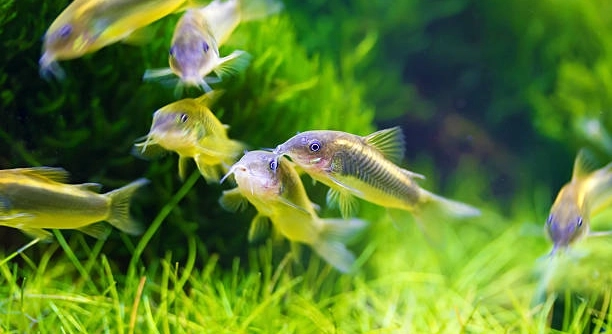
Corydoras catfish are popular freshwater aquarium fish known for their playful nature and peaceful demeanor. They require specific care to stay healthy long-term, including the right diet, water conditions, and environment.
Ensuring your Corydoras catfish stays healthy involves providing a stable, clean environment with proper water temperature, pH levels, and filtration. Regular feeding with high-quality food and occasional tank maintenance are key to maintaining their overall health and well-being.
By following these steps, you can help your Corydoras catfish thrive for many years. These small efforts go a long way in keeping them happy and healthy in your aquarium.
1. Maintain Clean and Stable Water Conditions
Water quality is crucial for the health of your Corydoras catfish. These fish thrive in clean, well-filtered water. Regular water changes should be part of your routine, ideally 25% every two weeks. Consistent water parameters, such as temperature, pH, and hardness, are essential. Aim for a temperature range of 72-78°F (22-26°C) and a pH between 6.5 and 7.5. Any drastic shifts in water conditions can cause stress and compromise their immune systems.
When adjusting your tank’s water, take small, gradual steps. Corydoras are sensitive to sudden changes, so keep monitoring their behavior. If you notice any unusual signs, such as lethargy or erratic swimming, this could indicate water quality issues. Use a water testing kit to track parameters and ensure a healthy habitat for your fish.
Ensuring a consistent water environment will keep your Corydoras catfish comfortable and reduce the risk of disease. Regular maintenance and attention to detail help in promoting long-term health.
2. Provide a Proper Diet
A proper diet is vital for Corydoras catfish to remain healthy. They are omnivores, meaning they require both plant and animal-based food. Offer a variety of high-quality foods such as sinking pellets, frozen or live foods like bloodworms, and vegetable matter like blanched zucchini or spinach. The right combination will provide essential nutrients for growth and immune support.
Avoid overfeeding, as uneaten food can pollute the water and lead to health problems. It’s best to feed small portions once or twice a day, and remove any leftover food within a few hours. Corydoras catfish are bottom dwellers, so ensure the food sinks to the bottom for them to access.
3. Ensure a Suitable Tank Environment
Corydoras catfish are peaceful creatures that prefer a calm environment. Ensure your tank has plenty of hiding spots and smooth substrate, as rough gravel can harm their delicate barbels. Soft sand or rounded pebbles are ideal for these bottom dwellers.
A well-planted tank will also provide them with places to explore and hide. They feel more secure when they can retreat from other fish or avoid bright lighting. Consider adding plants like Anubias or Java fern that don’t require much care but offer great hiding spaces for your Corydoras.
Avoid overcrowding the tank to ensure your Corydoras have enough space to swim freely. They do well in groups of at least five or more, so they feel comfortable and secure. It’s best to house them with other peaceful fish, as aggression can stress them out.
4. Monitor for Common Health Issues
Corydoras catfish are generally hardy but can still suffer from health issues like any other fish. Regularly check for signs of illness, such as unusual swimming patterns, lack of appetite, or visible lesions on their body.
One common problem is fungal or bacterial infections, which can occur if the water quality is poor or if the fish are stressed. Keep an eye on their gills for signs of discoloration or swelling. If you notice any symptoms of illness, isolate the affected fish and treat them promptly to prevent spreading.
Be sure to consult a vet or fish expert if the condition doesn’t improve. Properly treating infections can prevent more serious complications down the line. Regular observation is key to maintaining the health of your Corydoras.
5. Provide Regular Tank Maintenance
Regular tank maintenance is essential for keeping your Corydoras catfish healthy. This includes cleaning the substrate, checking the filter, and replacing worn-out filter media. Aim for a water change every 1-2 weeks to maintain water quality.
In addition to routine water changes, siphon the gravel to remove debris. Keep the tank environment free from organic waste, as it can lead to poor water conditions and stress the fish. Regularly scrub algae from tank walls and decorations to ensure a clean and healthy environment.
6. Avoid Aggressive Tankmates
Corydoras catfish are peaceful fish that should be housed with non-aggressive tankmates. They thrive in community tanks where the other fish are calm and not territorial. Avoid keeping them with large, aggressive fish that may stress or harm them.
Incompatible tankmates can cause Corydoras to hide, affecting their overall health. Ensure the fish you choose to pair them with are also bottom dwellers or mid-water swimmers, avoiding species known to chase or bully.
7. Keep a Consistent Lighting Schedule
Corydoras catfish prefer dim lighting and a consistent day-night cycle. This helps them feel secure and encourages natural behaviors like foraging and resting. Avoid placing the tank in areas with fluctuating light or direct sunlight.
Too much light can stress them out, disrupting their natural rhythms and leading to health problems. Use an aquarium light on a timer to maintain a consistent 10-12 hour day cycle. This simple adjustment promotes healthier and more active Corydoras.
FAQ
How often should I feed my Corydoras catfish?
Corydoras catfish should be fed once or twice a day. Offer small portions of high-quality sinking pellets or live/frozen foods like bloodworms. It’s important to avoid overfeeding, as leftover food can cause water quality issues. Remove any uneaten food after a few hours to prevent pollution in the tank.
What temperature is best for Corydoras catfish?
Corydoras catfish thrive in a temperature range of 72-78°F (22-26°C). Keep the temperature stable, as sudden fluctuations can stress the fish and weaken their immune system. A reliable aquarium heater is essential to maintain the ideal temperature in your tank.
Can Corydoras catfish live with other fish?
Yes, Corydoras catfish are peaceful and do well in community tanks. They can live with small, non-aggressive fish like tetras, rasboras, and peaceful gouramis. Avoid keeping them with larger or more aggressive fish that might intimidate or harm them.
Do Corydoras catfish need a filter?
Yes, a filter is necessary to keep the water clean and maintain proper water flow. Corydoras prefer water that is gently circulated, so avoid strong currents that can stress them. Ensure the filter is suitable for the size of your tank and capable of maintaining high water quality.
How long do Corydoras catfish live?
Corydoras catfish typically live for 5-10 years with proper care. Their lifespan depends on factors like water quality, diet, and general tank conditions. Keeping a stable and clean environment with proper nutrition helps them live longer, healthier lives.
Why is my Corydoras catfish staying at the bottom of the tank?
Corydoras are bottom dwellers by nature, so it’s normal for them to spend much of their time at the tank’s bottom. However, if they are staying there more than usual or showing signs of distress, check water quality, temperature, and food availability. It could indicate stress or illness.
Can Corydoras catfish be kept in a tank without a lid?
Corydoras catfish are not known for jumping, but they may occasionally swim near the surface or explore the tank’s top. It’s safer to keep a lid on the tank to prevent other fish from escaping or accidental falls. The lid also helps maintain a stable environment.
Do Corydoras catfish need to be kept in groups?
Corydoras catfish are social animals and should be kept in groups of at least five. This helps them feel secure and reduces stress. A larger group will allow them to exhibit natural behaviors like schooling, which is important for their well-being.
What should I do if my Corydoras catfish has a damaged barbels?
Damaged barbels are often caused by rough tank substrate or aggressive tankmates. If your Corydoras has injured barbels, make sure the substrate is smooth and consider switching to sand or rounded pebbles. While their barbels may take time to heal, the fish can usually recover with proper care.
Can Corydoras catfish live without a heater?
It’s not recommended to keep Corydoras catfish without a heater, especially if you live in a colder climate. These fish prefer stable, warm water temperatures. A heater helps maintain the ideal range of 72-78°F, promoting their health and preventing temperature fluctuations that can cause stress.
Why is my Corydoras catfish turning pale?
Paleness in Corydoras catfish can be a sign of stress or illness. It could indicate poor water quality, an inappropriate temperature, or an internal health issue. Check the water parameters and ensure the tank conditions are ideal. If the problem persists, consult an aquarium expert or vet.
Do Corydoras catfish require special lighting?
Corydoras catfish do not require special lighting. They prefer a dimly lit environment, so avoid harsh, bright lights. Use a low-level aquarium light that simulates a natural day-night cycle. Too much light can stress them and disturb their normal behavior.
How do I know if my Corydoras catfish is healthy?
A healthy Corydoras catfish will swim actively, explore the tank, and eat regularly. Its body should be free from lesions or abnormalities. Check for bright, clear eyes and smooth, undamaged fins and barbels. If your fish shows signs of lethargy, loss of appetite, or discoloration, investigate the tank conditions.
Can I breed Corydoras catfish in my tank?
Yes, Corydoras catfish can breed in a home aquarium. To encourage breeding, provide them with a clean environment and suitable water conditions (temperature around 74°F and a pH between 6.5 and 7.5). Breeding usually happens when the water is changed to mimic rainy conditions. The female will lay eggs on flat surfaces, which should be removed to avoid being eaten by other fish.
What kind of substrate is best for Corydoras catfish?
Corydoras catfish prefer fine, smooth substrate like sand. This is because it prevents damage to their delicate barbels while they forage for food. Avoid sharp gravel or jagged rocks that can harm them. A fine-gravel or sand substrate also allows for easier waste removal, keeping the tank clean.
Is it normal for Corydoras catfish to hide?
Yes, hiding is normal for Corydoras catfish, especially if they feel stressed or threatened. They often seek shelter in plants, caves, or decorations. If your Corydoras are hiding more than usual, check their environment for stressors, like aggressive tankmates or poor water quality.
How can I improve the water quality for my Corydoras catfish?
To improve water quality, perform regular water changes, maintain a good filtration system, and avoid overfeeding. Use a water testing kit to monitor key parameters like pH, ammonia, and nitrate levels. A balanced, clean environment helps reduce stress and supports your Corydoras’ overall health.
Final Thoughts
Caring for Corydoras catfish requires attention to detail, but it’s not overly complicated. By maintaining a clean tank, offering a balanced diet, and monitoring water quality, you can ensure your fish thrive for many years. These catfish are peaceful creatures, making them ideal for community tanks, but it’s important to choose compatible tankmates and provide the right environment for them to feel safe and secure.
The health and well-being of your Corydoras depend largely on consistent care. Regular water changes, proper filtration, and careful monitoring of water parameters are key to keeping the environment stable. The right temperature, gentle lighting, and smooth substrate will all help your fish feel comfortable and exhibit natural behaviors. If you pay attention to these factors, your Corydoras catfish should remain healthy and active.
In addition, watching your Corydoras flourish can be a rewarding experience. They are social fish, and their interactions with each other are fascinating to observe. By ensuring they are in good health and surrounded by a suitable environment, you’ll get to enjoy their calm nature and playful antics. With the right care, your Corydoras catfish can live a long, happy life in your aquarium.

Hello,
If you enjoy the content that we create, please consider saying a "Thank You!" by leaving a tip.
Every little bit helps us continue crafting quality advice that supports the health, happiness, and well-being of pets around the world, for pets of all shapes, sizes, and species.
We really appreciate the kindness and support that you show us!