
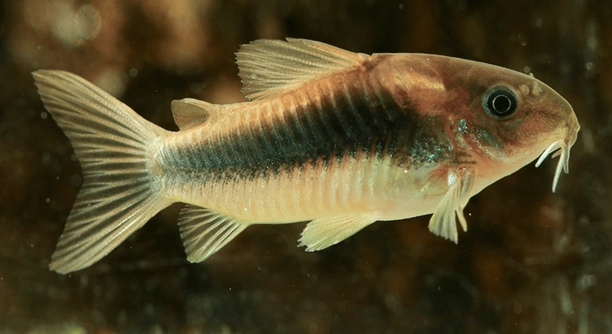
Corydoras catfish are popular aquarium pets, loved for their peaceful nature and bottom-dwelling habits. However, they might struggle to thrive in a new setup. Understanding the reasons behind their struggles can help you keep them healthy.
Several factors can affect the well-being of your Corydoras catfish in a new tank. Water quality, temperature, tank mates, and diet play critical roles in their adjustment process. Improper conditions can lead to stress and health issues.
With a bit of attention, you can create a thriving environment for your fish. This article will highlight key factors that may be affecting their health and how to remedy them effectively.
Water Quality Matters
One of the main reasons your Corydoras catfish might not be thriving in a new setup is poor water quality. They are sensitive to ammonia, nitrites, and nitrates, all of which can build up if the tank isn’t properly cycled. A good filtration system is essential for keeping the water clean. Regular water changes and testing the water parameters will also help maintain a stable environment. Corydoras need clean, well-maintained water to stay healthy and active.
To keep the water in check, it’s best to monitor the pH, hardness, and temperature regularly. Corydoras prefer soft, slightly acidic water, so adjusting these parameters to suit their needs can significantly improve their health.
If your catfish are not thriving, it’s worth checking the levels of ammonia, nitrites, and nitrates. These toxins can build up quickly if your aquarium is not properly maintained, leading to stress and even illness. Proper filtration and consistent water changes are key to maintaining healthy water conditions.
Temperature and Tank Conditions
Another factor that affects Corydoras is the water temperature. These fish prefer temperatures between 72-78°F (22-26°C). If the water is too cold or too warm, they may become stressed or lethargic. It’s essential to have a reliable aquarium heater to maintain the right temperature. Even slight fluctuations in temperature can cause them discomfort, especially when they’re adjusting to a new environment.
In addition to temperature, ensure that your tank is properly aerated. A well-oxygenated tank helps Corydoras stay healthy and active. Avoid placing your tank in direct sunlight, as it can cause the water to warm up too much, leading to temperature spikes.
You may also want to ensure that the tank is set up in a quiet area with minimal disturbances. Corydoras prefer calm environments and can become stressed if exposed to loud noises or rapid movements. Taking the time to create a stable, quiet setting will improve their overall well-being.
Tank Mates Matter
Corydoras catfish are peaceful bottom dwellers, but they can still be affected by aggressive tank mates. If your catfish are kept with overly active or territorial fish, they may become stressed or even injured. It’s important to choose companions that won’t harass them.
Avoid large, aggressive species that might compete for food or chase your Corydoras. Instead, opt for peaceful fish like tetras, guppies, or other community species. This way, your catfish will feel safe and secure in their environment. If your setup has large or aggressive fish, consider moving them to a separate tank to prevent further stress on your catfish.
Overcrowding can also lead to stress. If your tank is too small or too full of fish, it can create an environment where your Corydoras feel trapped. Make sure you provide enough space for everyone in the tank to move around freely. A well-balanced community tank is essential for keeping Corydoras healthy.
Diet and Feeding
Feeding your Corydoras the right foods is another important factor. While these catfish are omnivores, they prefer sinking foods that mimic their natural diet of small invertebrates. If they are not getting enough variety or proper nutrition, they may struggle to thrive.
Feed them a mix of high-quality sinking pellets, frozen or live foods like bloodworms or brine shrimp, and occasionally some vegetables like blanched zucchini or peas. Avoid overfeeding, as uneaten food can pollute the tank and affect water quality. Regular, balanced meals will support their growth and well-being.
It’s also important to feed them in a way that allows them to access the food. Corydoras feed at the bottom of the tank, so make sure the food sinks to the substrate. In a tank with other fish, you may want to feed your Corydoras separately to ensure they get their fair share.
Substrate Choice
Corydoras catfish are sensitive to the type of substrate in their tank. Sharp or rough gravel can injure their delicate barbels, causing irritation or infection. It’s best to use smooth sand or fine gravel for their bottom-dwelling habits. This makes it easier for them to sift through the substrate.
If you already have rough gravel, you can try adding a layer of fine sand on top. This will provide a safer environment for your Corydoras. When cleaning the tank, avoid disturbing the substrate too much, as this can create poor water quality and stress your fish.
A gentle substrate like sand also makes it easier for Corydoras to forage and find food. They enjoy sifting through the substrate to search for tiny particles, which is a natural behavior. A softer bottom will allow them to do this safely.
Lighting Conditions
Corydoras catfish thrive in low to moderate lighting conditions. Bright lights can stress them out, especially in a newly set-up tank. A dimmer light makes them feel more comfortable and secure in their new environment.
Excessive light can also encourage algae growth, which might negatively affect water quality. If your tank is too bright, you can try using floating plants to provide natural shade. Plants like Amazon swords or water lettuce can help reduce light intensity while adding to the tank’s aesthetic.
Stress and Overhandling
Handling your Corydoras too much during their adjustment period can lead to stress. Fish are sensitive creatures, and constant disturbances can make them anxious. It’s best to avoid moving them around unnecessarily. Let them settle into their environment.
If you need to clean the tank or move decorations, do so gently and at the right time. Creating a stable environment without frequent interruptions will help your Corydoras feel safe and comfortable.
FAQ
How do I know if my Corydoras catfish are stressed?
Stressed Corydoras may display certain behaviors like staying hidden for extended periods, darting around the tank, or rubbing their bodies against objects. They may also stop eating, or swim erratically. Stress can stem from factors like poor water quality, aggressive tank mates, or unsuitable tank conditions. If you notice these signs, it’s essential to address the root cause quickly to avoid health problems.
Can Corydoras live with other fish?
Yes, Corydoras are peaceful and do well in community tanks with other non-aggressive species. Avoid pairing them with large or territorial fish that may bully them. Small tetras, guppies, and peaceful livebearers make good tank mates. Be mindful of tank size as overcrowding can also lead to stress.
What is the best water temperature for Corydoras catfish?
Corydoras prefer temperatures between 72-78°F (22-26°C). Temperatures outside this range can cause stress and affect their immune system. It’s important to maintain a stable water temperature using a reliable aquarium heater. Sudden changes in temperature should be avoided as they can negatively impact your fish’s health.
How often should I feed my Corydoras?
Feed your Corydoras once or twice a day, providing only what they can eat in a few minutes. Overfeeding can lead to water quality issues and health problems. Offer a mix of sinking pellets, frozen or live foods, and occasionally some blanched vegetables. Adjust the amount based on the size and activity level of your fish.
Why is my Corydoras not eating?
If your Corydoras isn’t eating, it may be stressed, sick, or experiencing poor water conditions. Check the water parameters first to ensure the environment is stable. If the water is fine, look for signs of illness or check if there are any aggressive tank mates. Corydoras are usually not picky eaters, so sudden refusal to eat is often a sign of an underlying issue.
What kind of substrate is best for Corydoras catfish?
Corydoras prefer soft, fine substrates like sand or smooth gravel. Sharp or rough gravel can damage their sensitive barbels, which are used for foraging. Sand allows them to sift through it naturally and is gentler on their bodies. It also creates a more natural environment for them, encouraging healthy behaviors.
Can Corydoras catfish be kept in a new tank?
Corydoras can be kept in a new tank, but the tank must be properly cycled before introducing them. A newly set-up tank may contain harmful levels of ammonia and nitrites, which can be dangerous for your fish. It’s important to allow the tank to go through the nitrogen cycle before adding any fish, including Corydoras.
How do I maintain water quality for Corydoras catfish?
Maintaining good water quality requires regular water changes, proper filtration, and monitoring of water parameters. Test for ammonia, nitrites, and nitrates regularly to ensure the levels are safe. Perform partial water changes (about 20-30% of the tank’s water) weekly to keep things balanced. A good filter helps keep debris and toxins under control.
Do Corydoras need a heater in their tank?
Yes, Corydoras do best in water that’s kept at a stable temperature of 72-78°F (22-26°C). If the room temperature fluctuates, a heater is necessary to maintain consistency. Rapid changes in temperature can stress Corydoras, so make sure the heater is reliable and the temperature is regularly monitored.
How many Corydoras catfish should I keep together?
Corydoras are social fish and should be kept in groups of at least 3 to 5. Keeping them in a group allows them to feel safe and secure, reducing stress. They tend to be more active and comfortable in groups, where they can interact and exhibit their natural behaviors like foraging and schooling.
Why is my Corydoras swimming at the surface?
If your Corydoras is spending a lot of time at the surface, it may be trying to access more oxygen. This could be due to low oxygen levels in the tank, high water temperatures, or poor water circulation. Make sure your aquarium is well-aerated, and check if your filter is functioning correctly.
Can I keep Corydoras with shrimp?
Yes, Corydoras can typically live peacefully with shrimp. Shrimp are small and unlikely to pose a threat to Corydoras. However, make sure the shrimp you choose are not too small, as Corydoras might occasionally nibble on them, especially if they are stressed or hungry. Ensure there are enough hiding places for the shrimp to retreat to.
How can I improve the health of my Corydoras catfish?
The best way to ensure your Corydoras’ health is by maintaining stable water conditions, feeding a varied diet, and avoiding overcrowding. Regular water changes, proper filtration, and appropriate tank mates also play a key role. Keeping the tank environment as close to their natural habitat as possible will keep your Corydoras happy and healthy.
Final Thoughts
Taking care of Corydoras catfish can be a rewarding experience, but it does require some attention to detail. These fish thrive in a stable, clean environment with proper water quality, temperature, and suitable tank mates. By understanding their specific needs, you can help them adjust to their new setup and keep them healthy for years to come. Regular water changes, proper filtration, and monitoring of water parameters like pH, ammonia, and nitrates are essential to keeping the tank in good shape. Additionally, creating a calm and peaceful environment will make your Corydoras feel safe and secure, reducing stress.
Choosing the right tank mates is also crucial. Corydoras are peaceful fish, so it’s best to avoid aggressive or territorial species that might stress them out. Fish that swim near the bottom can sometimes compete for space, so it’s important to create a balanced community tank where everyone can coexist peacefully. With proper planning, Corydoras can live harmoniously with a variety of other community fish. However, always be mindful of the specific needs of each species and ensure that the tank is large enough to avoid overcrowding.
Lastly, a suitable substrate, proper feeding, and a stable temperature are all key factors in ensuring your Corydoras thrive in their new tank. A soft, smooth substrate like sand is ideal for them to forage through without injuring their delicate barbels. Feeding them a balanced diet of sinking pellets, occasional live or frozen foods, and vegetables will keep them nourished and active. By following these simple guidelines and staying attentive to their needs, your Corydoras will have the best chance at thriving and remaining a happy part of your aquarium.

Hello,
If you enjoy the content that we create, please consider saying a "Thank You!" by leaving a tip.
Every little bit helps us continue crafting quality advice that supports the health, happiness, and well-being of pets around the world, for pets of all shapes, sizes, and species.
We really appreciate the kindness and support that you show us!