
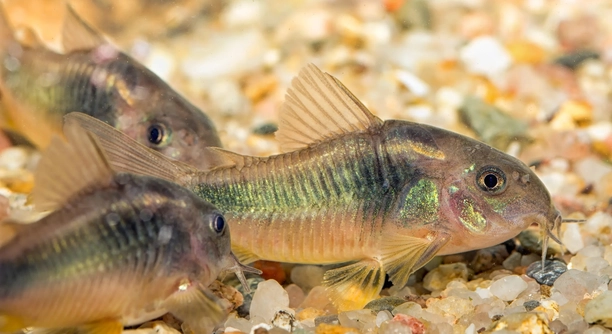
Corydoras catfish are known for their playful and curious nature, but their activity often peaks during the night. If you’ve noticed this behavior, you might be wondering why your fish are more active after dark.
Corydoras catfish are nocturnal by nature, and they often become more active during the night due to their evolutionary habits. In the wild, they forage for food and avoid predators in the darkness, making nighttime their prime activity period.
Understanding the reasons behind this behavior can help you provide a better environment for your corydoras catfish. This knowledge will help you ensure their health and happiness in your aquarium.
Why Are Corydoras Catfish Nocturnal?
Corydoras catfish are naturally nocturnal, a trait inherited from their wild ancestors. In their native habitats, such as rivers and streams in South America, it’s safer for them to forage for food at night when predators are less active. This behavior also helps them avoid the intense daytime heat. As aquarium owners, you might notice that these fish are much more active in the evening or during the night. While you sleep, your corydoras are swimming around, searching for food and exploring their environment. Their nocturnal nature is a reflection of their instincts, and understanding this can help you create a comfortable habitat for them.
In an aquarium setting, you may observe this behavior when the tank lights are off. Without bright lights, your corydoras feel more secure to explore and exhibit their natural activity. It’s important to respect this cycle and avoid disturbing them during their active hours.
The light cycle in your aquarium plays a key role in mimicking their natural environment. Providing consistent lighting that mimics day and night can help your fish maintain their biological rhythm. By keeping the lights on for 8-10 hours a day and ensuring a dark period at night, you’ll help your fish stay comfortable and active at the appropriate times.
Feeding Habits at Night
Corydoras catfish are bottom feeders, meaning they search for food on the substrate.
They’re equipped with specialized barbels on their faces, helping them to detect food in the dark. Since they are often more active at night, they’ll hunt for food when it’s quiet. In nature, they feed on detritus, small invertebrates, and plant matter that have settled on the riverbed. To mimic this in your tank, offer sinking pellets or frozen food that sinks to the bottom. This helps ensure your corydoras get the nutrients they need while staying active during their preferred feeding hours. Their small size and gentle nature also make them well-suited for a peaceful, bottom-dwelling feeding routine.
You’ll notice your corydoras searching for food, particularly after the lights go out. Providing food during these hours allows them to follow their natural instincts, resulting in a happier and healthier fish.
Temperature and Water Conditions
Corydoras catfish are sensitive to temperature changes, and their activity level can be influenced by water conditions. They thrive in a stable environment where the water temperature is between 72°F and 78°F. When the water is too warm, they might become sluggish and prefer staying in cooler areas of the tank. Conversely, colder temperatures can lead to less activity overall. Keeping the water temperature consistent with their needs encourages natural behavior, such as increased activity during the night.
The water parameters also matter. Corydoras are sensitive to water quality, and poor conditions can stress them, reducing their natural nighttime activity. Regular water changes, along with a filtration system that maintains cleanliness, ensure they stay healthy. A good balance of pH and hardness in the water is equally important, so checking these regularly can help support your corydoras’ active habits. When everything is in balance, these fish can exhibit their natural behaviors without unnecessary stress.
Temperature fluctuations or poor water quality could cause your corydoras to behave differently than expected. If the tank water is too warm or if the pH level is off, your catfish may retreat to the substrate, becoming less active overall. This is especially noticeable at night when they would typically be foraging or exploring. Ensure the tank’s environment is as close to their natural habitat as possible, and you’ll see them at their most lively.
Natural Behavior and Stress Levels
Corydoras are sensitive fish, and stress can impact their activity, particularly during the day.
When stressed, these fish tend to hide more often and avoid exploration. Factors like aggressive tankmates, loud noises, or excessive light can cause stress, leaving your corydoras more inactive. Corydoras are peaceful fish by nature and don’t handle aggression well. When placed in a calm, peaceful tank, they’re more likely to be active during the night. To create a stress-free environment, ensure there are plenty of hiding spots and that other fish are non-aggressive.
Handling stress appropriately allows corydoras to feel secure and be more active. Keeping a watchful eye on the tank environment will help you spot signs of stress early. If your fish are constantly hiding or not showing their usual active behavior, adjusting water conditions or adding more hiding places can help. By doing so, your corydoras will feel more at ease and maintain their natural nocturnal habits.
Tank Lighting
The lighting in your tank has a big impact on the behavior of your corydoras catfish. Since they are nocturnal, they tend to be more active when the tank lights are off. A consistent day-night light cycle helps them feel secure. Excessive lighting during the day can disturb their natural rhythm, causing them to be less active.
To mimic their natural habitat, use a timer to turn the lights off at night. Corydoras will be more active when the lights are off, as they can forage and swim around freely. The dark environment allows them to behave as they would in the wild, searching for food. Keeping the tank dark for at least 8-10 hours each day will help keep them in their most natural state.
Creating a comfortable lighting routine benefits your corydoras by allowing them to follow their biological rhythms. Avoid bright or fluctuating lights, which can stress them out. A well-structured light schedule will promote healthier and more active behavior during the night, helping them thrive in your tank.
Activity Level and Health
Corydoras are active, healthy fish when they’re living in a comfortable environment.
If your corydoras are extra active at night, it’s often a sign that they’re feeling good and their environment suits them. Proper care, such as maintaining water quality, temperature, and lighting, supports their natural instincts, keeping them healthy.
By observing their nocturnal activity levels, you can easily spot signs of stress or illness. If they seem lethargic or avoid moving, it could indicate that something is wrong with their habitat. Always make sure to check your fish for any changes in behavior that might signal a health issue.
Tankmates
The type of fish living with your corydoras can influence their activity levels.
If you have peaceful tankmates, your corydoras will likely feel safer to roam and explore, especially at night. However, if there are aggressive or territorial fish, your corydoras might stay hidden, becoming less active. It’s crucial to choose tankmates that don’t stress or intimidate your corydoras, allowing them to feel comfortable enough to engage in their natural behavior.
FAQ
Why are my corydoras more active at night?
Corydoras catfish are naturally nocturnal, meaning they are more active during the night. In the wild, they forage and move around when predators are less active, making nighttime the ideal time for them to explore and feed. When kept in an aquarium, they retain this natural behavior and are typically more active when the lights are off. Their barbels help them find food on the substrate, making night the perfect time for them to search for any food you may have provided.
Can I make my corydoras more active during the day?
While you cannot change their nocturnal nature entirely, you can try adjusting the light cycle in your tank. By providing a longer period of darkness, your corydoras may feel more comfortable and natural in their environment. However, forcing them to be active during the day may lead to stress, as they prefer the cover of darkness. It’s best to respect their biological rhythm and allow them to be most active during the night.
Do corydoras need a dark tank at night?
Yes, Corydoras catfish feel more comfortable in the dark. They are sensitive to bright lights and will naturally be more active when the lights are off. A dark tank at night helps them mimic their natural habitat, where they would spend most of their time foraging and swimming under cover. Using a timer to ensure the tank is dark for 8-10 hours will help keep them happy and active during their preferred hours.
Are corydoras active when the tank light is on?
Corydoras are less active when the tank light is on, as they tend to rest or hide during the day. These fish are crepuscular and nocturnal, so they naturally prefer to be more active in the absence of light. While they may move around during the day, they’re likely to be more sluggish and less curious. The best time to observe them is when the lights are off or dimmed.
Do corydoras sleep?
Yes, corydoras do sleep, but they don’t sleep in the same way humans do. They rest at the bottom of the tank, often hiding in plants or rocks, and remain relatively still during the night. They are still aware of their surroundings and can quickly react to danger or disturbances. The periods of rest help them conserve energy for their nocturnal activities.
What can I do to encourage my corydoras to be more active?
To encourage more activity, make sure your tank has plenty of hiding spots and enough space for your corydoras to explore. This could include rocks, plants, or caves where they can feel secure. Also, ensure the water quality is ideal, with stable temperature and good filtration, as unhealthy water can lead to lethargy. Providing food that sinks to the bottom during the evening or night will also encourage them to forage and be more active.
Why are my corydoras hiding all the time?
Corydoras may hide if they feel stressed or uncomfortable. This could be due to poor water conditions, aggressive tankmates, or an overly bright environment. They are peaceful fish and prefer calm surroundings. If they are constantly hiding, check for changes in the tank’s temperature, pH, and cleanliness. Adding more hiding spaces and making sure their tankmates are non-aggressive can also help them feel safer.
Can corydoras live with other fish?
Yes, Corydoras are peaceful bottom-dwellers and can coexist with other calm fish. They tend to get along well with other non-aggressive species that don’t compete for food. However, avoid placing them with aggressive or larger fish that may stress them out or compete for food. Proper tankmates help corydoras feel secure and active, especially at night.
How often should I feed my corydoras?
Corydoras are bottom feeders and should be fed once or twice a day, depending on the size of the fish and their activity level. Offer sinking pellets, frozen foods, or small pieces of fresh vegetables. Make sure not to overfeed, as leftover food can pollute the water. Feed them in the evening when they are most active to mimic their natural foraging behavior.
Are corydoras good at cleaning the tank?
Corydoras help keep the tank clean by scavenging leftover food and debris from the bottom. However, they should not be relied on as the sole source of cleaning. Regular water changes and good filtration are still necessary to maintain tank hygiene. Corydoras do play a role in keeping the substrate clean, but they cannot handle the full responsibility of tank maintenance.
How long do corydoras live?
Corydoras catfish can live for 5 to 10 years in a well-maintained aquarium. Their lifespan depends on factors such as water quality, diet, and general care. Regular water changes and keeping the tank environment stable help them live a long, healthy life. By ensuring they’re kept in the right conditions, you can enjoy their peaceful company for many years.
What size tank do corydoras need?
Corydoras are small fish, but they still need enough space to feel comfortable. A tank of at least 20 gallons is ideal for a small group of corydoras. The tank should have plenty of hiding places and a soft substrate, like sand, to protect their sensitive barbels. Larger tanks allow them more room to explore and engage in natural behavior.
Do corydoras need a filter?
Yes, Corydoras benefit from a filtration system that keeps the water clean and oxygenated. While they are hardy fish, they require stable water conditions to stay healthy. A good filter ensures proper water flow and helps remove waste from the tank. Make sure the filter isn’t too strong, as corydoras prefer calm waters.
Why are my corydoras swimming upside down?
If your corydoras are swimming upside down or having difficulty swimming, this could be a sign of a health issue, such as a swim bladder disorder. This condition affects their ability to control buoyancy. It’s important to monitor their behavior closely and consult a veterinarian or aquarist for advice. Keeping your tank water clean and providing a balanced diet can help prevent such issues.
How can I tell if my corydoras is happy?
A happy corydoras is an active one. They will be swimming around, foraging for food, and engaging with their environment. Their natural curiosity should be evident as they explore the bottom of the tank. If they are hiding less and swimming more, it’s a good sign they are content. Healthy corydoras will also have clear, undamaged fins and a vibrant appearance.
Final Thoughts
Corydoras catfish are fascinating creatures, and understanding their nocturnal behavior is key to providing them with a healthy and comfortable environment. These fish naturally prefer to be active at night, as it helps them feel safer and more secure, away from predators. If you notice your corydoras are more lively after dark, it’s simply a reflection of their instincts. Respecting their natural rhythm, such as providing darkness at night and ensuring good water quality, will help them stay happy and healthy in your aquarium. Their nocturnal behavior is normal, and you can expect them to be most active when the tank lights are off.
To keep your corydoras catfish at their best, focus on maintaining their tank environment. This includes proper water temperature, lighting, and keeping the water quality in check. Corydoras are sensitive to changes in their environment, so it’s important to monitor these factors regularly. Make sure the tank isn’t too warm or cold, as extreme temperatures can affect their activity. A well-maintained tank with plenty of hiding spaces and appropriate tankmates will help your corydoras feel safe and secure, allowing them to be as active as they need to be during the night.
By understanding why your corydoras are more active at night, you can create an aquarium setup that suits their needs. These fish are peaceful and low-maintenance, but they do require a stable environment to thrive. Once you’ve set up their space to mimic their natural conditions, you’ll see them engaging in their usual bottom-dwelling behaviors. It’s rewarding to see your corydoras exploring, foraging, and interacting with their surroundings at night. With a little care and attention to their needs, your corydoras will remain healthy, active, and a joyful addition to your aquarium for years to come.

Hello,
If you enjoy the content that we create, please consider saying a "Thank You!" by leaving a tip.
Every little bit helps us continue crafting quality advice that supports the health, happiness, and well-being of pets around the world, for pets of all shapes, sizes, and species.
We really appreciate the kindness and support that you show us!