
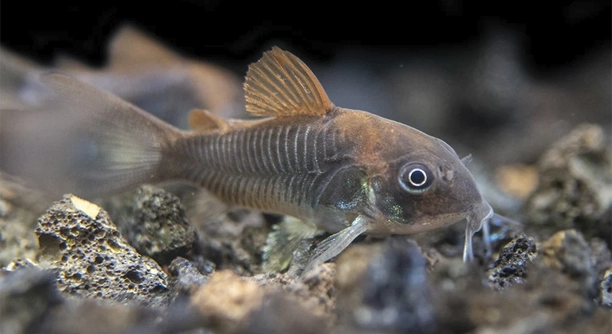
Corydoras catfish are popular aquarium fish known for their peaceful nature. However, sudden changes in water temperature can cause stress or even harm to these sensitive creatures. Understanding temperature shock in corydoras is essential for their well-being.
Corydoras catfish experience temperature shock when exposed to rapid or extreme changes in water temperature. This stress can lead to several health issues, including weakened immune systems, difficulty swimming, and potential death if not addressed promptly.
Temperature shock can affect your fish in multiple ways. Learning to identify early signs can help protect their health and ensure a safe environment for your corydoras catfish.
Recognizing Temperature Shock in Corydoras Catfish
Corydoras catfish are sensitive to temperature changes, and they may not always show obvious signs when they are under stress. When they experience temperature shock, their behavior changes, and their physical appearance may be affected. They can become sluggish or have trouble swimming. Rapid changes in water temperature, especially when they go from warm to cold or vice versa, can overwhelm your fish. It’s important to keep the water temperature stable to prevent this. Sudden changes, even a few degrees, can cause them stress and lead to health problems. By monitoring the water temperature and maintaining consistency, you can reduce the risk of temperature shock and protect your catfish from harm.
The first step in addressing temperature shock is ensuring that your aquarium maintains a steady temperature. If there is a sudden fluctuation, quickly check the water temperature to see if it is within the safe range for corydoras.
Even small temperature changes can impact your catfish’s health. If they are stressed, their immune system weakens, making them more susceptible to diseases. This is why having a reliable aquarium heater and thermometer is essential. Regularly check the temperature and adjust it gradually if needed. If you notice your fish acting unusually, such as swimming erratically or staying at the surface, a sudden temperature shift might be the reason. Keeping a close eye on your fish will help you catch any signs of temperature shock early and allow for a quick response to keep them healthy.
7 Symptoms of Temperature Shock in Corydoras Catfish
Symptoms of temperature shock can be difficult to detect right away, but there are a few key signs to watch for. Changes in behavior and physical appearance are common indicators.
One of the first signs is when your corydoras catfish starts to swim less actively or become more sluggish. They may stay near the surface of the tank or near the filter. Another noticeable symptom is labored breathing, where they seem to struggle to get enough oxygen. You may also see them darting rapidly or erratically, as they try to escape discomfort. Their gills may appear more open than usual, and they might hide in corners or near decorations. These signs are important to monitor, as they help you understand how the temperature is affecting your fish. Keep in mind that temperature shock can weaken their immune system, making them more vulnerable to infections and illnesses.
When temperature shock occurs, corydoras catfish may stop eating altogether. This is a clear sign that they are under stress. They may refuse food, or only nibble on it, indicating that their body is focused on surviving rather than eating. If this happens, it’s essential to correct the water temperature and give them time to recover. Check the water parameters regularly to make sure everything is balanced. Over time, they will return to normal behavior once the water temperature is stable and comfortable again.
Preventing Temperature Shock in Corydoras Catfish
Maintaining a stable water temperature is the best way to prevent temperature shock. You can achieve this by regularly checking the temperature with a thermometer and using a reliable heater if needed.
Avoid making drastic changes to the water temperature. If you need to adjust it, do so gradually, over a period of hours or even days. A good rule of thumb is to keep the temperature fluctuation within a range of no more than 2-3 degrees Fahrenheit per hour. Consistent water changes are another way to help, but always ensure the new water matches the aquarium’s current temperature before adding it in. Small fluctuations are natural, but large changes can be harmful to your fish’s health.
Use a high-quality aquarium heater that can maintain the water temperature at a steady level. It’s also a good idea to place your tank away from areas with fluctuating temperatures, such as windows or air conditioning units. Keeping the room temperature stable helps to avoid sharp temperature drops or spikes that can stress your corydoras. Using an aquarium cover or lid can also help trap heat and keep the environment more stable.
What to Do If Your Corydoras Experiences Temperature Shock
If you notice your corydoras catfish showing signs of temperature shock, the first step is to stabilize the water temperature. Gradually adjust it back to the appropriate level, keeping in mind not to make abrupt changes.
Remove any source of stress, like strong currents or other tankmates, which may further harm your fish. If they seem to be struggling with oxygen intake, increase aeration by adjusting the filter or adding an air stone. In the meantime, avoid feeding them, as they are less likely to eat under stress. Allow them to rest while their body adjusts to the new temperature.
During recovery, closely monitor the catfish to ensure it regains its normal behavior and swimming patterns. Once the temperature is stable and your fish seems more active, gradually resume feeding. Keep the water parameters under control and continue to observe their health, watching for any other symptoms of stress or illness. If the catfish doesn’t improve or shows further signs of distress, consider consulting with an aquarium expert or veterinarian for further help.
Importance of Monitoring Water Temperature
It’s essential to keep a close eye on your aquarium’s water temperature. Fluctuations, even small ones, can cause stress to your corydoras catfish. Using a thermometer helps you stay on top of these changes.
A thermometer with a digital readout or a glass thermometer can give you accurate, real-time information. This allows you to make adjustments before temperature shock occurs. Regularly checking the temperature is an easy and preventive step that can save your fish from unnecessary stress and health problems. It’s a small effort that ensures a safer environment for your fish.
Using a Reliable Aquarium Heater
A reliable aquarium heater is crucial in maintaining the right temperature for your fish. Make sure the heater is rated for the size of your tank to avoid overheating or underheating the water.
Some heaters come with built-in thermostats, which help regulate temperature automatically. If you’re unsure about the type of heater to use, consult an aquarium professional or check online reviews. Regularly inspect the heater to ensure it’s working correctly, and if it shows signs of malfunction, replace it promptly to avoid stressing your corydoras catfish. Consistent, steady heat is key to keeping your fish comfortable.
Managing Temperature Fluctuations
When temperature fluctuations happen, it’s important to minimize their effects on your fish. Try to keep the aquarium in a stable location away from drafts or sunlight. This will prevent the water from heating or cooling too quickly.
FAQ
What temperature is ideal for Corydoras catfish?
The ideal temperature for corydoras catfish is between 72°F and 78°F (22°C to 26°C). Keeping the water temperature in this range will help maintain the health and activity of your fish. Anything outside of this range can stress your corydoras, making them more susceptible to illness. While they are fairly hardy, consistent temperatures are crucial for their well-being.
How do I know if the temperature shock is too severe for my corydoras?
If you notice your corydoras catfish showing symptoms like erratic swimming, labored breathing, or hiding more than usual, it could be a sign of severe temperature shock. If these symptoms persist after the water temperature is adjusted, it’s important to act quickly. If your fish seems weak, lethargic, or unresponsive, the shock may be too severe, and you should consult an aquarium expert or veterinarian immediately.
Can sudden temperature changes cause death in corydoras catfish?
Yes, sudden temperature changes can be fatal for corydoras catfish. If the water fluctuates too rapidly or goes beyond the safe range, it can cause shock, leading to weakened immune systems or organ failure. In extreme cases, if the fish doesn’t recover from the stress, it may result in death. This is why it’s vital to adjust the water temperature slowly and consistently.
How can I prevent sudden temperature changes in my aquarium?
Prevent sudden temperature changes by maintaining a stable environment. Ensure your aquarium is not near windows, air conditioners, or heaters, where the temperature fluctuates throughout the day. Using a high-quality aquarium heater with a reliable thermostat helps maintain a constant temperature. Additionally, adding a thermometer will allow you to monitor temperature changes, so you can catch any issues early.
Can corydoras survive cold water for short periods?
Corydoras can survive brief exposure to colder water, but prolonged exposure is dangerous. If the water temperature drops below 68°F (20°C), your corydoras can experience stress and become more vulnerable to diseases. While short-term exposure may not immediately harm them, you should aim to restore the water temperature to a safe range as quickly as possible to avoid further complications.
What should I do if my aquarium heater fails during the night?
If your aquarium heater fails overnight, the first step is to check the water temperature as soon as possible. If the temperature has dropped or risen beyond the safe range, adjust it gradually, either with a replacement heater or by using warm or cool water to bring it back to the correct level. If the water has dropped significantly in temperature, you can place the aquarium near a heat source or wrap it with towels to prevent it from cooling further until a new heater is installed.
Is it safe to use a fan to cool down an aquarium if it gets too warm?
Using a fan to cool down your aquarium can be effective, but it should be used with caution. The fan will help cool the surface of the water, which can lower the overall temperature, but it also increases evaporation. Be sure to monitor the water level and top up with dechlorinated water if needed. You should avoid using fans as a long-term solution and instead rely on a well-regulated aquarium heater to maintain steady temperatures.
How can I increase oxygen levels during a temperature shock?
During temperature shock, oxygen levels can drop, especially if the fish are struggling to breathe. You can increase oxygen levels by adjusting the filtration system to improve water flow or adding an air stone to help with aeration. This is especially helpful if your corydoras are showing signs of respiratory distress, such as staying near the surface or breathing rapidly.
How often should I check the temperature in my aquarium?
It’s a good idea to check the water temperature in your aquarium daily, especially if you notice any changes in your fish’s behavior. However, if the temperature remains steady, you can check it a few times a week. A thermometer with an easy-to-read display can help you monitor fluctuations more easily, making it simple to adjust if necessary.
Are there any other signs of temperature shock I should be aware of?
Other signs of temperature shock in corydoras catfish may include a decrease in activity, where your fish may hide in corners or stay still for longer periods. You may also notice a change in color, as some corydoras catfish become paler or darker when stressed. If you observe any unusual behavior, it’s important to act quickly and check the water temperature to make sure it’s within the safe range.
Can temperature shock affect the growth of my corydoras catfish?
Yes, temperature shock can slow down the growth of your corydoras catfish. When exposed to temperature stress, their metabolism can be affected, and they may become less active. This can interfere with their ability to eat properly, which impacts growth. Maintaining a stable temperature helps ensure that your fish are growing at a healthy rate.
Final Thoughts
Keeping your corydoras catfish healthy and happy requires attention to the details of their environment, especially when it comes to water temperature. Corydoras are peaceful and resilient fish, but they are sensitive to sudden temperature changes, which can cause stress and lead to serious health problems. By understanding how temperature shock affects your fish, you can take steps to prevent it and provide them with a stable, comfortable home. Monitoring the water temperature regularly and making sure it stays within the ideal range is a simple yet essential practice for every aquarist. A thermometer and a reliable heater are key tools in ensuring your fish stay healthy and stress-free.
While temperature shock can be a serious concern, it’s also preventable. Small changes, like placing your aquarium away from drafts, direct sunlight, and other temperature fluctuations, can make a big difference. If your fish show signs of stress or discomfort, it’s important to act quickly by adjusting the temperature slowly. Corydoras are more likely to recover if they’re given time to adjust. The key is not to make sudden changes in the water temperature, which can lead to more harm than good. Keeping a watchful eye on your fish will help you catch issues early and address them before they become bigger problems.
Finally, knowing the symptoms of temperature shock can make all the difference when it comes to your corydoras’ health. If your fish are swimming erratically, hiding more than usual, or showing signs of labored breathing, it’s time to check the water temperature. By learning to recognize these signs, you’ll be able to take action sooner, ensuring your fish’s well-being. Corydoras catfish are a wonderful addition to any tank, and with the right care, they can live long, healthy lives. Maintaining a stable environment and responding quickly to any signs of temperature shock will help you keep your corydoras thriving.

Hello,
If you enjoy the content that we create, please consider saying a "Thank You!" by leaving a tip.
Every little bit helps us continue crafting quality advice that supports the health, happiness, and well-being of pets around the world, for pets of all shapes, sizes, and species.
We really appreciate the kindness and support that you show us!