
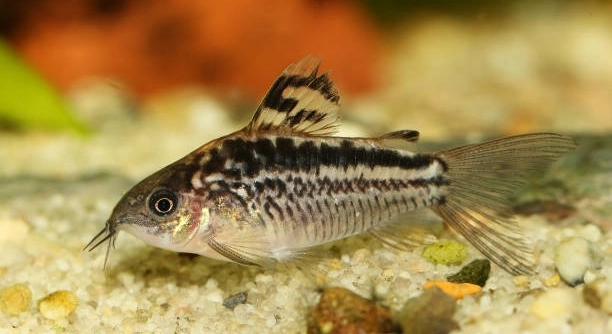
Corydoras catfish are known for their peaceful and active nature, but sometimes, they may be found resting on decorations in your aquarium. If you’ve noticed this behavior, it’s essential to understand what could be causing it.
The most common reason your Corydoras catfish rests on decorations is to seek a safe resting place. Corydoras are bottom dwellers, and resting on objects like decorations provides them with comfort, security, and protection from the current.
There are several factors to consider that may influence this behavior. By understanding these reasons, you’ll be able to support your fish’s well-being and ensure they thrive in their environment.
Your Corydoras Catfish May Be Feeling Stressed
If your Corydoras catfish keeps resting on decorations, stress could be the reason behind the behavior. Stress in fish can stem from a variety of factors, including poor water quality, tank mates, or an environment that lacks hiding spots. Corydoras are sensitive creatures and can become easily overwhelmed by changes or disturbances in their surroundings. When they feel stressed, they seek safe places, such as resting on decorations, to calm down.
Improper water conditions, like high ammonia or nitrate levels, can create an unhealthy environment for your catfish, causing them to retreat to a safe space. It’s important to test the water regularly and make sure it’s within the proper range for your fish’s needs.
A stressed Corydoras may also try to hide if the tank is too bright or noisy. Overly active tank mates or frequent movements near the aquarium can further add to their stress. To reduce stress, ensure your aquarium is peaceful, with proper lighting, tank mates, and hiding spaces.
Water Quality Might Be Off
Poor water quality is a major stressor for your Corydoras. Keeping the water parameters stable is essential for their health. Regular water changes and testing the water for ammonia, nitrates, and pH will help avoid any sudden shifts that might distress your catfish.
Maintaining a proper filtration system ensures the water stays clean and safe, reducing the chances of your fish retreating to the decorations. Always ensure that your filter is functioning well, and that the tank has a proper setup to maintain good water circulation. Regular testing and monitoring will help prevent issues related to water quality and allow your Corydoras to feel secure.
Tank Decorations Offer Comfort
Corydoras catfish are bottom dwellers and naturally prefer to stay close to the substrate. Decorations in the tank offer them a safe place to rest, hiding away from any disturbances. These structures can mimic the catfish’s natural environment, making them feel more secure.
When Corydoras feel safe, they’ll often rest on or near decorations such as rocks, caves, or plants. These objects provide shelter from tank mates and the flow of water, which may otherwise make them feel exposed. In an aquarium, decorations replicate the hiding spots found in their wild habitat. So, it’s not unusual for them to seek these spots for rest.
Over time, your Corydoras may form a habit of resting near their favorite decoration. This isn’t a sign of illness, but rather an indication that they are using their environment for comfort and security. The more hiding spaces available, the more relaxed they are likely to feel, especially if they’re living with more active or aggressive fish.
Tank Mates and Compatibility
In a community tank, Corydoras can sometimes feel overwhelmed by more aggressive fish. If your catfish is constantly resting on decorations, it might be trying to escape or avoid certain tank mates. Peaceful species, like other Corydoras or similarly calm fish, are usually more compatible.
Aggressive or territorial fish might chase or harass your Corydoras, leading them to seek safety on decorations. Providing hiding spots or rearranging the tank can give your catfish the space it needs to feel secure. Additionally, it’s important to ensure your tank mates are a good match in terms of temperament and size.
Corydoras are social fish and often enjoy being in groups of their own kind. However, even with companions, they may prefer to rest in isolated areas, especially if there are signs of bullying or stress. Watching their behavior closely can help you determine if any of the tank mates are causing distress.
Water Temperature Fluctuations
Corydoras are sensitive to temperature changes. If the water temperature fluctuates too much, your catfish may retreat to decorations to seek stability. Sudden drops or increases in temperature can cause stress, prompting your fish to rest in a more sheltered area.
Maintaining a consistent water temperature is crucial for their well-being. Investing in a reliable heater and thermometer ensures that the environment stays within their preferred range. A stable temperature not only helps your catfish feel safe but also promotes their overall health. Avoid placing the tank near windows or heat sources to prevent temperature swings.
Water Flow
Corydoras prefer calm waters. If the water flow in your tank is too strong, your fish may try to rest on decorations to avoid the current. Excessive water movement can cause stress and make it harder for them to navigate the tank.
Consider adjusting the filter or adding decorations to block the flow if you notice your catfish resting more often than usual. This will provide them with calm spots where they can relax and feel safe. A gentle water flow is essential for keeping Corydoras happy and active.
Overfeeding and Bloating
Overfeeding your Corydoras may cause them to become bloated or sluggish. This could lead them to rest more frequently, even on decorations. It’s important to monitor how much food you’re providing and ensure they aren’t being overfed.
Overfed fish may also experience digestive issues, which can further contribute to their desire to rest. Make sure to feed them only what they can consume within a few minutes and remove any uneaten food after each meal to prevent water quality issues.
FAQ
Why is my Corydoras catfish resting all the time?
Your Corydoras catfish may be resting often due to stress, poor water quality, or improper tank conditions. They are bottom-dwelling fish, so they tend to seek shelter in decorations or other hiding spots. If the water quality is low or fluctuating, or if they are living with aggressive tank mates, they may retreat to feel safer. Additionally, Corydoras are nocturnal, so they might rest more during the day and become more active at night.
How do I know if my Corydoras is stressed?
Stress in Corydoras can be observed through behaviors like frequent hiding, decreased activity, or excessive resting. You might also see signs like rapid gill movement or scratching against objects in the tank, which can indicate skin irritation. Monitoring water quality and checking the behavior of other tank mates can help identify the stressors. Stressful conditions like high ammonia levels, overcrowding, or unsuitable tank mates are common causes.
Can I keep Corydoras with other fish?
Yes, Corydoras are peaceful fish and can generally live with other non-aggressive species. They do well in community tanks, especially with other calm, bottom-dwelling species. Avoid pairing them with territorial or aggressive fish that might chase or stress them. When choosing tank mates, it’s best to look for peaceful species like tetras or guppies.
How do I improve the water quality for my Corydoras?
Maintaining good water quality is vital for the health of your Corydoras. Regular water changes of about 25% every week or two help remove waste and maintain clean water. Use a reliable filtration system to keep the water clear and oxygenated. Test the water regularly for ammonia, nitrite, and nitrate levels, and keep the pH and temperature stable. Adding live plants can also help improve water quality by absorbing excess nutrients.
Should I adjust the water temperature for my Corydoras?
Corydoras thrive in water temperatures between 72-78°F (22-26°C). If the temperature is too low or high, it can stress the fish and cause them to rest more often. Use an aquarium heater to maintain a consistent temperature, avoiding sudden temperature changes. You should also avoid placing the tank near heat sources or windows, where temperatures can fluctuate due to sunlight or drafts.
Why is my Corydoras resting on the decorations more often than usual?
If your Corydoras is resting on decorations more than usual, it could be due to several factors like poor water conditions, stress, or simply seeking a comfortable spot. Decorations provide shelter and security, which may be why your catfish seeks them. Check the water quality, tank temperature, and whether there are any aggressive tank mates causing stress. If everything else seems fine, it could be that your fish is just feeling a bit more laid-back at the moment.
Can overfeeding cause Corydoras to rest more?
Yes, overfeeding can lead to bloating and sluggishness, making your Corydoras rest more often. Overfed fish may become less active as they try to digest the excess food. It’s important to feed them small amounts of food that they can consume within a few minutes, and remove any uneaten food after feeding. This helps prevent digestive problems and keeps the water clean.
What should I do if my Corydoras isn’t eating?
If your Corydoras isn’t eating, it could be due to stress, illness, or poor water conditions. Check the water parameters, including temperature, pH, ammonia, and nitrate levels. If the water quality is fine, try offering different types of food, such as sinking pellets, frozen or live foods like bloodworms, or algae wafers. If the issue persists, your catfish may be unwell, and you might need to consult with a vet or aquarium specialist.
Can Corydoras live in a tank with a strong current?
Corydoras prefer calm waters and may struggle in tanks with strong currents. If the water flow is too fast, your fish might become stressed and seek shelter in decorations. To help your Corydoras feel more comfortable, adjust the filter or add decorations to break up the flow. You can also use sponge filters or position the filter outlet at an angle to reduce the current. A gentle water flow helps mimic their natural habitat and allows them to swim and rest comfortably.
Is it okay to have just one Corydoras in the tank?
Corydoras are social fish and thrive in groups. It’s generally best to have at least 3-5 Corydoras in the tank. Keeping them in groups allows them to feel more secure and reduces stress. If you only have one Corydoras, it may feel isolated and stressed, which can lead to increased resting behavior. Try to add a few more of the same species if possible.
Why does my Corydoras catfish swim sideways or upside down?
If your Corydoras is swimming sideways or upside down, it could be a sign of an internal issue, such as swim bladder disease or other health problems. Swim bladder issues can cause the fish to have difficulty controlling its buoyancy. It’s important to observe the fish closely for other symptoms like bloating or lethargy. If the issue persists, consider consulting a fish vet for a proper diagnosis and treatment.
How often should I clean the decorations in my Corydoras tank?
Tank decorations can accumulate waste and algae over time, which can affect water quality. It’s a good idea to clean decorations during regular water changes. Use an algae scraper or a soft brush to gently clean the decorations without disturbing the tank too much. Avoid using harsh chemicals or soaps to clean decorations, as these can harm your fish. Regular cleaning helps maintain a healthy environment and keeps your Corydoras comfortable.
Final Thoughts
Corydoras catfish are peaceful, social fish that enjoy spending time on the bottom of the tank. If you’ve noticed your Corydoras resting on decorations more than usual, it’s usually not a cause for alarm. Fish, like all animals, have their own ways of dealing with stress and seeking comfort. Decorations in the tank can serve as safe spots for them to rest, and sometimes, this is just a part of their natural behavior. It’s important to monitor their environment to make sure they’re not experiencing any underlying issues like poor water quality or incompatible tank mates.
Maintaining the right water quality, temperature, and ensuring that your tank is peaceful can go a long way in reducing stress for your Corydoras. Consistent water changes, proper filtration, and testing water parameters should be regular parts of your aquarium care routine. This helps create a stable environment where your fish can thrive. Also, make sure your tank has enough hiding places. Corydoras feel more secure when they have spaces to retreat to, especially if there are other more active or aggressive fish in the tank. By providing a comfortable and stable habitat, you can encourage your Corydoras to stay healthy and active.
If your Corydoras’ behavior changes dramatically or you notice signs of illness, it’s crucial to act quickly. Sometimes, a lack of appetite, unusual swimming patterns, or excessive hiding could indicate a health issue that needs attention. While resting on decorations isn’t inherently bad, if the behavior is accompanied by other symptoms, it may be time to investigate further. In the end, keeping a close eye on your fish’s behavior and environment is key to ensuring their well-being. With a little care and attention, your Corydoras catfish can continue to live happily in your aquarium.

Hello,
If you enjoy the content that we create, please consider saying a "Thank You!" by leaving a tip.
Every little bit helps us continue crafting quality advice that supports the health, happiness, and well-being of pets around the world, for pets of all shapes, sizes, and species.
We really appreciate the kindness and support that you show us!