
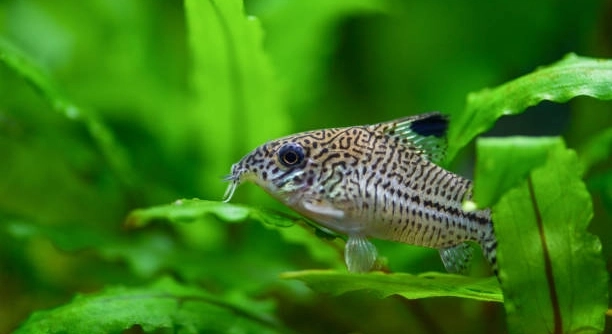
Corydoras catfish are popular aquarium pets, but it’s important to ensure they have the right tank size for optimal health. A proper environment is essential for their well-being, as it impacts their comfort and behavior.
The ideal tank size for Corydoras catfish should accommodate their active nature, providing enough space for movement and water quality. A tank that is too small may cause stress, poor health, and even aggression toward tank mates.
Understanding the signs of an unsuitable tank will help you create a better habitat. These indicators can prevent long-term issues and ensure your catfish thrives in a comfortable environment.
Tank Size Is Too Small
A tank that is too small for your Corydoras catfish will restrict their movement and create stress. Corydoras are active bottom dwellers that enjoy swimming and foraging. When they are cramped in a small tank, they will often exhibit signs of discomfort. A smaller tank also leads to poor water quality, which can quickly cause health issues for your fish. Without enough space, your catfish may experience stunted growth, reduced activity, and may even show signs of aggression towards other tank mates. To ensure they stay healthy, providing enough space is crucial.
A 20-gallon tank is often considered the minimum for a small group of Corydoras. If you have multiple fish, consider a larger tank, as overcrowding can exacerbate stress and water quality issues.
Ensure your tank has enough space for your catfish to move freely. Keep in mind that water quality and size are equally important to their well-being. Make sure to test water parameters regularly to maintain a healthy environment.
Poor Water Quality
When the water quality drops, it can significantly affect your Corydoras catfish. Fish are highly sensitive to their surroundings, and poor water can lead to stress, illness, and even death. Corydoras thrive in clean, well-maintained water. If the tank is too small, waste from the fish accumulates faster, causing a spike in toxins. This can lead to ammonia or nitrite poisoning.
It’s essential to change the water regularly and monitor the levels of ammonia, nitrites, and nitrates. Invest in a reliable filtration system to help keep the tank clean. Regular water changes help maintain a healthy balance and prevent the buildup of harmful substances.
The combination of a small tank and poor water quality can make it challenging to keep your Corydoras healthy. Ensure the tank has proper filtration and sufficient space for the fish to thrive. This helps create a more stable, less stressful environment for them.
Overcrowding in the Tank
Overcrowding can quickly cause stress for your Corydoras catfish. Too many fish in the tank means less room for everyone to move freely, leading to increased aggression and competition for food. In addition, overcrowding results in a quicker buildup of waste, which harms water quality. It’s important to maintain the right fish-to-tank ratio to ensure your catfish stay healthy.
When your tank becomes overcrowded, fish begin to exhibit more aggressive behaviors. Corydoras that are stressed from cramped conditions might start nipping at other fish or hiding more frequently. In turn, this disrupts their feeding habits and lowers their immune system. You’ll notice your catfish becoming less active and even showing signs of illness due to the high stress levels.
Proper space allows Corydoras to establish territories and reduces the tension between them and other tank mates. It’s essential to adjust your stocking level, especially if you notice behavioral changes in your catfish. Keeping the tank clean and well-maintained while adhering to stocking guidelines will help prevent overcrowding issues.
Lack of Hiding Places
Corydoras are shy and peaceful fish, needing places to hide when they feel threatened. Without proper hiding spots, they become stressed and may even stop eating. A lack of hiding spots leaves them exposed to aggressive tank mates, which can create constant anxiety. This impacts their overall well-being.
Adding plants, rocks, or decorations to the tank provides your Corydoras with ample hiding places. Use caves or other structures to help them feel more secure. Corydoras thrive when they have a place to retreat, especially during feeding times or when they need rest. Without these spaces, they can experience unnecessary stress, leading to a weakened immune system and potential health problems.
These hiding spots also encourage natural behavior. Corydoras are bottom-dwellers that like to scavenge for food, and providing them with more opportunities to explore makes their environment feel safer and more stimulating. In turn, their health will improve, and they will become more active and vibrant.
Inadequate Filtration
Filtration is vital for maintaining clean water, but an inadequate filter will struggle to remove waste and toxins effectively. Corydoras are particularly sensitive to water quality, so a weak filter increases the risk of ammonia and nitrite buildup. It’s essential to invest in a strong filter suited for the tank size.
A filter that doesn’t match the tank’s needs won’t properly clean the water. Without proper filtration, harmful substances like uneaten food and fish waste can accumulate quickly. This leads to poor water quality, which stresses the fish and weakens their immune system. A strong, reliable filter helps ensure your Corydoras stay healthy.
Temperature Fluctuations
Temperature fluctuations can have serious consequences for your Corydoras catfish. These fish prefer stable, slightly warmer temperatures, typically between 72°F and 78°F. Drastic changes in water temperature can lead to stress and even illness. Consistent, stable temperatures are necessary for their comfort and well-being.
The temperature should be monitored regularly with an aquarium thermometer. Sudden drops or spikes in water temperature can be harmful to Corydoras, potentially leading to diseases like ich or stress-induced behavioral changes. Avoid placing the tank near windows or heaters, as these can cause temperature fluctuations that affect your fish’s health.
Aggressive Tank Mates
Corydoras are peaceful and prefer calm environments. Aggressive tank mates can stress them out and cause injury. While Corydoras can coexist with other peaceful species, they might struggle with more aggressive fish. This can lead to constant hiding, reduced feeding, and poor overall health.
FAQ
How do I know if my Corydoras catfish is stressed?
Stress in Corydoras can show through various behaviors. If your catfish are hiding more than usual or not eating, it may be a sign of stress. Additionally, if they appear lethargic, swim erratically, or seem to be rubbing against surfaces, it’s a clear indicator of discomfort. Stress often arises from poor water quality, overcrowding, or aggressive tank mates. By observing your catfish regularly, you can spot these signs early and make adjustments to improve their environment.
Can Corydoras live with other fish?
Yes, Corydoras are peaceful bottom dwellers and can live with many other fish species. They tend to get along well with other calm and non-aggressive species, such as tetras, guppies, and rasboras. However, they should be kept with fish that won’t nip at their fins or compete aggressively for food. Avoid keeping them with aggressive or overly active fish that might stress them out.
What size tank is best for Corydoras catfish?
A 20-gallon tank is usually the minimum recommended for a small group of Corydoras catfish. However, if you plan to keep more than a few, a larger tank is necessary. A bigger tank provides more space for swimming, reduces the chances of overcrowding, and helps maintain better water quality. Ensure the tank is long rather than tall, as Corydoras spend most of their time on the bottom.
How often should I change the water for my Corydoras tank?
It’s recommended to change 20-30% of the water every week to maintain a healthy environment. Frequent water changes are essential, especially in smaller tanks or tanks with more fish. Regular water changes prevent the buildup of harmful toxins and help maintain stable water parameters, which are crucial for your Corydoras’ health.
Can Corydoras survive without a filter?
While it is technically possible for Corydoras to survive without a filter, it’s not advisable. Filters help maintain clean water by removing debris and harmful chemicals. Without a filter, waste and toxins accumulate much faster, causing poor water quality. Without proper filtration, you will need to perform more frequent water changes to prevent health problems for your fish.
What temperature should I keep my Corydoras tank?
Corydoras catfish thrive in temperatures between 72°F and 78°F (22°C to 25°C). Consistency is key, as sudden temperature changes can cause stress. It’s important to use an aquarium heater if necessary, especially if you live in an area with fluctuating room temperatures. Ensure that the water temperature stays within the recommended range for your fish’s well-being.
How can I tell if my Corydoras are breeding?
Corydoras catfish usually show signs of breeding when they start to display specific behaviors. These include cleaning an area of the tank, chasing each other, or engaging in a breeding dance. The female will lay eggs on surfaces such as plants, glass, or decorations. The male will fertilize the eggs after they are laid. You may notice a slight increase in activity during breeding season.
What do Corydoras catfish eat?
Corydoras are omnivores and will eat a variety of foods. Their diet can include high-quality pellets, flakes, frozen or live foods like bloodworms or brine shrimp, and vegetables such as blanched zucchini or peas. It’s important to feed them a balanced diet to ensure they get the necessary nutrients for optimal health. Be sure to avoid overfeeding, as leftover food can quickly pollute the water.
Why is my Corydoras not eating?
If your Corydoras is not eating, it could be due to several factors. Stress, water quality issues, or temperature fluctuations may cause your fish to lose interest in food. It’s also possible that your Corydoras is simply not adjusting to new food or tank mates. Try offering a variety of foods, and make sure the tank conditions are ideal. If the issue persists, consider checking the water parameters or consulting with an aquarium professional.
What is the lifespan of a Corydoras catfish?
Corydoras catfish generally live between 5 and 10 years when kept in optimal conditions. Their lifespan depends on factors like water quality, tank size, diet, and the presence of stressors. By providing a proper tank environment and maintaining good care practices, you can help your Corydoras live a long and healthy life.
Can Corydoras live in cold water?
Corydoras are tropical fish, meaning they need warm water to thrive. While they may tolerate slightly cooler temperatures for short periods, prolonged exposure to cold water can cause stress and illness. Ensure your tank remains within the recommended temperature range of 72°F to 78°F to keep your Corydoras comfortable.
How can I help my Corydoras adjust to a new tank?
When introducing your Corydoras to a new tank, it’s important to acclimate them slowly to prevent shock. Use a drip acclimation method or float the bag in the tank for 15-20 minutes, allowing the water temperature to stabilize. Once they are released, keep the lights dim to help reduce stress and allow your Corydoras to explore their new environment gradually.
Do Corydoras need a lid on their tank?
While Corydoras are bottom-dwelling fish and do not typically jump, it’s still a good idea to use a lid on your tank. This will prevent any debris from falling into the tank and help maintain water quality. Additionally, it can prevent other species from escaping or getting into the tank and causing disturbances.
Final Thoughts
Choosing the right tank size for your Corydoras catfish is essential for their health and well-being. These fish are relatively small, but they still need ample space to swim and explore. A tank that is too small can lead to stress, poor water quality, and a weakened immune system. It’s important to ensure that your Corydoras have enough room to move around freely and that the tank is equipped with proper filtration to keep the water clean. Keeping an eye on tank conditions will help you maintain a healthy environment for your fish.
Besides providing an appropriate tank size, it’s crucial to consider other factors like water temperature, filtration, and tank mates. Corydoras prefer stable water conditions and peaceful surroundings. Aggressive or incompatible fish can cause stress, making your catfish more susceptible to illness. Temperature fluctuations also need to be avoided, as Corydoras thrive in warm, consistent water. Regular water changes, proper feeding, and monitoring water parameters will go a long way in keeping your Corydoras happy and healthy.
In conclusion, taking the time to properly set up and maintain your Corydoras’ tank will help ensure they live a long, healthy life. It’s not just about the size of the tank but also the overall environment, which includes water quality, temperature, and suitable tank mates. By paying attention to these factors, you can create a comfortable and stress-free space for your Corydoras to thrive. Proper care and attention to detail will allow your fish to flourish and enjoy their time in your aquarium.

Hello,
If you enjoy the content that we create, please consider saying a "Thank You!" by leaving a tip.
Every little bit helps us continue crafting quality advice that supports the health, happiness, and well-being of pets around the world, for pets of all shapes, sizes, and species.
We really appreciate the kindness and support that you show us!