
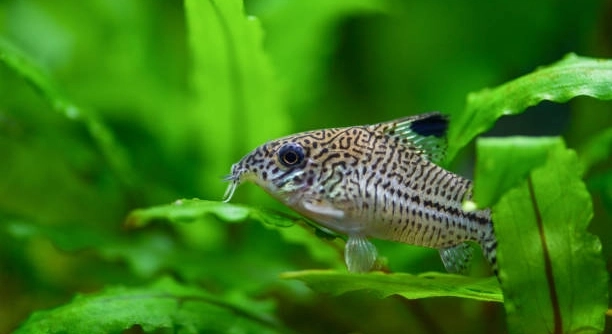
Corydoras catfish are fascinating creatures, often seen rummaging through the substrate in their tanks. This behavior can raise curiosity for aquarium enthusiasts. Understanding why they do this is essential to ensure their well-being and maintain a healthy aquarium environment.
Corydoras catfish dig in the substrate primarily due to their natural instincts. They forage for food, create hiding spots, or engage in mating rituals. This behavior is a sign of their natural need for exploration, security, and feeding.
Understanding why your Corydoras dig so often will help you create a more supportive and enjoyable habitat for them.
Natural Instincts: Searching for Food and Shelter
Corydoras catfish are known for their instinctive digging behavior. In the wild, they sift through the substrate to find food, such as small invertebrates and plant matter. This natural instinct translates well into their behavior in an aquarium, where they continue to forage through the gravel or sand for tiny food particles. Their sensitive barbels, which are located on either side of their mouth, help them detect food within the substrate. It’s essential to provide an environment that mimics these natural conditions, with a suitable substrate and enough hiding spots for them to feel secure.
Their digging helps maintain their well-being and happiness. Without it, they may not exhibit their full range of natural behaviors, which could lead to stress. Ensuring that your aquarium provides adequate space for this activity can go a long way in making your catfish feel comfortable.
In some cases, when the substrate is not ideal, or the environment lacks enrichment, Corydoras may exhibit repetitive digging as a way to cope with their surroundings. This behavior is normal but should be closely observed to avoid any potential stressors.
Mating Behavior and Nesting
Another reason Corydoras catfish dig is related to their mating rituals. When these fish are ready to breed, they begin to dig into the substrate. They create small burrows where they can lay their eggs in a safe environment. In the wild, this ensures that their eggs are protected from predators. In your aquarium, you might notice the catfish digging more frequently during breeding season.
Providing them with a fine-gravel or sand substrate helps mimic their natural environment. It also encourages natural behaviors, including the nesting process. Ensuring there are hiding places and adequate space for their burrows can promote healthy breeding. The act of digging is tied to their reproductive cycle and can be seen as a positive sign if you’re trying to breed them.
If you notice this behavior outside of breeding seasons, it may also be an indication that they are seeking a more comfortable environment to rest or sleep. By offering the right setup, you can help your Corydoras feel more at ease.
Substrate Texture: Comfort and Safety
The texture of the substrate plays a significant role in Corydoras catfish behavior. They prefer fine sand or small gravel that allows them to dig without harming their sensitive barbels. Larger or sharper substrates can cause injury, making them feel unsafe.
Soft, smooth sand is ideal for Corydoras, as it mimics their natural environment and provides them with the security to engage in digging behavior. This type of substrate is gentle on their barbels, allowing them to explore freely. Without the right texture, they may dig excessively to seek comfort or safety.
Choosing the right substrate is key. Fine sand or smooth gravel also helps maintain the health of your tank by allowing waste to settle more easily. The right texture also encourages more natural digging and foraging behavior, contributing to the overall well-being of your Corydoras catfish. A proper substrate creates a space where they can feel at ease and engage in their natural instincts.
Water Quality: Maintaining a Healthy Environment
Water quality is directly linked to the behavior of Corydoras catfish. If the water is polluted or contains toxins, they may become stressed, leading to excessive digging. Regular water changes and proper filtration ensure they remain healthy and active.
Maintaining stable water conditions, including temperature, pH, and hardness, is important for Corydoras. Poor water quality can affect their ability to breathe and forage. Stressed fish may dig more frequently in search of a more comfortable space, though it’s a sign that their environment needs attention.
In addition, poor water quality can lead to health problems such as skin irritation or fin rot. Monitoring and adjusting the water parameters regularly will prevent these issues. Healthy water conditions foster a peaceful environment for your Corydoras catfish, allowing them to exhibit natural behaviors without the added stress.
Overcrowding: Impact on Behavior
Overcrowding can lead to stress for Corydoras catfish. When there are too many fish in the tank, they may start digging more frequently to find space or create a retreat. It’s essential to ensure that your tank is appropriately stocked for their size.
Having too many fish can also result in competition for food, causing Corydoras to dig more to find hidden morsels. In such situations, they may dig to establish territory or seek areas where they feel less pressured. The lack of space can affect their overall health, making it harder for them to thrive.
It’s important to ensure that your aquarium has enough space for all the fish to coexist peacefully. Providing a spacious tank will reduce stress, prevent excessive digging, and encourage natural behaviors like foraging and swimming.
Feeding Habits: Encouraging Natural Foraging
Corydoras catfish are bottom feeders, and their digging behavior is often related to finding food. If they’re not receiving enough nourishment or the food isn’t reaching the substrate, they may dig more frequently in search of hidden food particles.
To avoid this, try feeding them sinking pellets or freeze-dried foods designed for bottom-dwelling fish. This way, they can find their food more easily without having to dig excessively. Offering a varied diet helps keep them engaged and prevents them from resorting to digging as a way of finding food.
By providing more accessible food, you can reduce unnecessary digging and promote healthier, more natural behaviors. The right feeding routine helps maintain their well-being and encourages a more balanced, active lifestyle in the aquarium.
Tank Mates: Interaction and Stress
The presence of other tank mates can also affect Corydoras catfish behavior. Aggressive or overly active fish may stress them out, causing them to dig in search of refuge. In some cases, this behavior may indicate the need for more hiding spaces or retreats.
It’s essential to choose peaceful companions that won’t harass your Corydoras catfish. Incompatible tank mates can cause your catfish to feel threatened, leading to anxiety and overdigging. Creating a peaceful environment helps reduce the need for Corydoras to dig excessively for shelter.
To ensure your Corydoras remain stress-free, consider adding tank mates that share similar temperaments. This will help keep your catfish calm and prevent unwanted digging.
FAQ
Why is my Corydoras catfish constantly digging in the substrate?
Corydoras catfish dig as part of their natural behavior, often searching for food or creating hiding spots. This is common in the wild, where they sift through the substrate for small invertebrates and plant matter. If your catfish is consistently digging, it could be a sign they are hungry, stressed, or looking for a comfortable place to rest. Ensuring they have enough food and a proper substrate will help reduce excessive digging.
Can excessive digging be a sign of stress in Corydoras?
Yes, excessive digging can be a sign of stress. Corydoras may dig more frequently if they are feeling threatened by tank mates, poor water quality, or overcrowding. Stress can cause them to engage in behaviors like digging to create a sense of security. Ensuring a peaceful tank environment and stable water conditions will help minimize stress and reduce unnecessary digging.
Should I worry if my Corydoras catfish digs up my plants?
It’s normal for Corydoras to dig in the substrate, which can sometimes result in uprooting plants. While it’s not a major concern, it may become problematic if your plants are frequently disturbed or damaged. You can solve this by choosing plants with deeper roots or using plant weights to secure them. Alternatively, you could offer more hiding places or caves for your Corydoras to explore.
What substrate is best for Corydoras catfish?
Corydoras catfish prefer soft, fine sand or smooth gravel. Sharp or large gravel can hurt their sensitive barbels as they sift through the substrate. Sand is the most ideal substrate, as it allows them to dig freely without causing injury. Additionally, fine sand promotes healthier water conditions by allowing waste to settle more effectively.
How often should I feed my Corydoras catfish to prevent excessive digging?
You should feed your Corydoras once or twice a day, ensuring they receive enough food to forage without the need for excessive digging. Overfeeding can lead to poor water quality, while underfeeding may cause them to dig more in search of food. Offering sinking pellets or freeze-dried foods designed for bottom feeders ensures they get the nutrition they need.
Do Corydoras catfish need other fish to feel secure when digging?
While Corydoras are social fish and enjoy the company of other peaceful species, they can also dig independently without the presence of other fish. However, having other Corydoras in the tank can help them feel more secure. If you’re keeping just one Corydoras, ensure the tank is set up with hiding spots and plants where they can retreat to when feeling anxious.
Why does my Corydoras catfish dig in the same spot?
If your Corydoras catfish digs in the same area repeatedly, it could be because they’ve found a suitable spot to rest or forage. This is common behavior, especially when they feel comfortable and secure in a specific location. If they continue to dig in the same spot for long periods, it may be helpful to provide more hiding spaces or add some variation to the substrate.
Can Corydoras catfish breed while digging in the substrate?
Yes, Corydoras catfish may dig to create nests for breeding. They will often burrow into the substrate to lay their eggs in a safe and protected environment. During the breeding process, they may also dig to create a more secure area for the eggs, which helps protect them from predators.
How can I reduce the amount of digging my Corydoras catfish does?
To reduce excessive digging, focus on creating a tank environment that promotes comfort and security. Provide them with the appropriate substrate, such as fine sand, and ensure there are plenty of hiding spots. Monitor the water quality, feed them properly, and maintain an appropriate stocking level to avoid overcrowding. These steps will encourage natural behavior and reduce the need for excessive digging.
Can Corydoras catfish survive without digging?
Corydoras are naturally inclined to dig, and it’s a vital part of their behavior. While they can survive in a tank without constant digging, limiting their ability to engage in this natural behavior can cause stress. Without sufficient substrate for digging or hiding, they may become anxious, leading to changes in their overall health.
Final Thoughts
Corydoras catfish are unique creatures with specific behaviors that reflect their natural instincts. Digging in the substrate is part of their routine, as they search for food and create comfortable spaces. This behavior is common and typically harmless unless it becomes excessive or is a sign of stress. Understanding the causes behind this digging can help you create a better environment for them. It’s essential to observe their behavior closely and make adjustments to their living conditions, including tank size, water quality, and food availability.
Providing the right type of substrate, such as fine sand or smooth gravel, plays a crucial role in reducing any discomfort your Corydoras may feel. The proper substrate allows them to dig without injuring themselves, which is important for their overall health. Additionally, ensuring that the water quality remains optimal is another key factor. Regular water changes, monitoring temperature, pH levels, and making sure the tank is properly filtered are simple yet effective ways to improve their well-being. Without these basic needs being met, your Corydoras may dig excessively due to stress.
Lastly, it’s important to maintain a peaceful tank environment with appropriate tank mates. Overcrowding, aggressive fish, or competition for food can increase stress and cause Corydoras to dig more. By keeping the tank well-maintained, providing a safe substrate, and ensuring a stress-free environment, you can help your Corydoras live comfortably and reduce unnecessary digging. Remember that digging is a natural behavior, but understanding its causes can make a big difference in creating a better life for your catfish.

Hello,
If you enjoy the content that we create, please consider saying a "Thank You!" by leaving a tip.
Every little bit helps us continue crafting quality advice that supports the health, happiness, and well-being of pets around the world, for pets of all shapes, sizes, and species.
We really appreciate the kindness and support that you show us!