
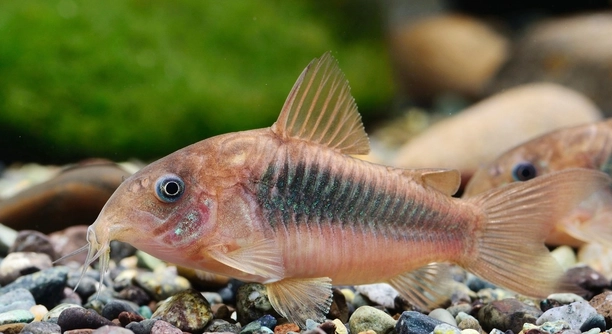
Corydoras catfish are popular aquarium fish, but sometimes they may avoid certain tank mates. This behavior can be caused by several factors that influence their interactions with other species in the tank. Understanding these reasons is important.
Corydoras catfish may avoid certain tank mates due to factors like size discrepancies, aggression, incompatible tank conditions, or stress from territorial fish. Environmental factors such as water quality, lighting, and overcrowding also play a significant role in their behavior.
By understanding these reasons, you’ll be better equipped to create a harmonious aquarium environment for your Corydoras and their tank mates.
Tank Mate Size Discrepancies
Corydoras catfish are small fish that prefer to be around others of similar size. When placed with larger or more aggressive fish, they might feel intimidated or threatened. This can cause them to avoid certain tank mates, as they instinctively try to avoid potential harm. In their natural habitat, Corydoras often hide or stay close to the bottom, where they feel safe. If a tank mate is too large, the catfish might avoid interaction altogether.
Fish that are much larger may inadvertently hurt or stress out your Corydoras, even if they aren’t being aggressive. It’s important to choose compatible tank mates to maintain a peaceful environment for everyone. Larger fish may unintentionally outcompete your Corydoras for food, leading to stress. This can also result in your catfish avoiding certain tank mates, as they may not feel comfortable swimming near them. It’s essential to monitor behavior and ensure that everyone in the tank feels secure.
If you’re unsure about tank mate compatibility, look for species that are peaceful and have similar needs. By keeping size in mind, you can create a more stress-free environment for your Corydoras.
Aggressive Tank Mates
Aggressive fish can make life difficult for your Corydoras catfish. Larger, territorial species might see the catfish as a threat or competition, even though Corydoras prefer peaceful environments.
Certain fish, like cichlids or barbs, are known to be aggressive and can bully smaller fish. Corydoras may avoid these species to prevent conflicts, especially in small tanks where space is limited. Keeping peace in the tank requires careful consideration of each species’ temperament.
Incompatible Tank Conditions
Corydoras catfish thrive in specific water conditions. If the tank’s water temperature, pH, or hardness doesn’t match their needs, they may avoid certain tank mates. Water quality plays a major role in fish behavior, so any change in conditions can stress your Corydoras, making them avoid other fish. This is often overlooked by aquarium owners.
Corydoras prefer slightly acidic to neutral water, with a temperature range of 72-78°F. If these conditions aren’t met, your catfish may seek out areas where they feel safer, like hiding in caves or against decorations. This can make it harder for them to interact with their tank mates. Poor water quality or inconsistent conditions will likely cause stress, causing them to retreat and avoid any potential conflicts with other fish.
Before introducing new fish, ensure that the tank’s conditions are optimal for all species. Regular water testing and maintenance are key to providing a healthy environment for your Corydoras and their companions. By keeping the water stable, you reduce the chances of unwanted behavior.
Stress from Overcrowding
Overcrowding in a tank can cause stress for Corydoras catfish. When there are too many fish in the tank, it can lead to competition for food, space, and hiding spots. This added stress will often cause the Corydoras to avoid certain tank mates, especially if they feel crowded or threatened. They might retreat to areas with fewer fish to escape the chaos.
In a well-balanced tank, each fish has its own space to swim and thrive. Overcrowding disrupts this balance and can trigger territorial behavior among tank mates, pushing Corydoras to isolate themselves. It’s important to avoid overstocking, as too many fish can also cause issues with water quality, further contributing to stress. Overcrowded tanks lead to constant competition for resources, making the Corydoras catfish more likely to avoid tank mates.
To prevent overcrowding, regularly monitor the number of fish in the tank and ensure there’s enough room for everyone. Proper space for each fish is essential for maintaining harmony and preventing stress-related behavior.
Poor Diet and Feeding Habits
Corydoras catfish can become stressed if their diet isn’t balanced or if food is scarce. If they feel they’re not getting enough to eat, they may avoid sharing space with more dominant fish. This stress can cause them to isolate themselves.
Feeding habits also play a part. If there are dominant fish that eat first, Corydoras may feel intimidated and avoid competing for food. They’re bottom dwellers and prefer to forage for food in peace. Disruption during feeding time can lead them to shy away from certain tank mates altogether.
Tank Layout and Hiding Spots
The layout of your tank impacts Corydoras catfish behavior. Without enough hiding spots or structured areas, they may avoid certain fish out of fear. Having safe spaces is essential for their well-being.
Providing caves, plants, and decorations will allow Corydoras to feel secure and prevent them from being stressed by other tank mates. Fish that don’t respect these hiding spaces may create tension, causing Corydoras to avoid interaction. A well-decorated tank offers the peace they need to feel comfortable around others.
FAQ
Why are my Corydoras catfish hiding all the time?
Corydoras are naturally shy and tend to hide when they feel stressed, scared, or unwell. They prefer to stay close to the bottom and seek shelter among plants or decorations. If your catfish are constantly hiding, it could be due to tank conditions, overcrowding, or aggressive tank mates. Check the water parameters and ensure the tank is not too crowded, as these factors can make Corydoras feel unsafe.
Can Corydoras catfish get along with all types of fish?
Corydoras are peaceful fish, but their compatibility with other species depends on the temperament of the tank mates. They tend to avoid aggressive or territorial fish. Species like cichlids, barbs, or large predatory fish may cause stress to Corydoras. It’s best to keep them with calm, peaceful species that won’t threaten their space.
Do Corydoras need to be in groups?
Yes, Corydoras thrive in groups. These fish are social and feel more secure when kept in schools of at least six or more. Without companions, Corydoras may become stressed and avoid other fish or remain in hiding. A school helps reduce anxiety and allows them to exhibit natural behaviors.
What are signs that my Corydoras catfish is stressed?
Stressed Corydoras may display behaviors like hiding more often, swimming erratically, or staying motionless for extended periods. They may also lose their appetite or become skittish when other fish approach. Stress can be caused by poor water quality, tank overcrowding, or the presence of aggressive tank mates.
Can Corydoras catfish be kept with shrimp?
Corydoras and shrimp can often coexist peacefully, as long as the shrimp are not too small to be seen as food. Smaller shrimp species may become targets for Corydoras, who tend to scavenge from the bottom. It’s best to pair them with larger, hardy shrimp that can avoid being eaten.
What is the ideal water temperature for Corydoras catfish?
Corydoras thrive in water temperatures between 72°F and 78°F (22°C to 26°C). They prefer slightly cooler water compared to tropical fish, which makes them a good fit for many community tanks. Keep the water stable to avoid stressing them with temperature fluctuations.
How do I know if my Corydoras catfish is sick?
Sick Corydoras may exhibit symptoms like lethargy, loss of appetite, abnormal swimming patterns, or changes in their appearance, such as discolored spots or frayed fins. If you notice these signs, check the water parameters first, as poor water quality can cause illness. Seek veterinary advice if needed.
Can Corydoras eat algae in the tank?
Corydoras can help clean up algae in the tank, but they shouldn’t be relied upon as the sole algae control. They mostly eat detritus, leftover food, and small invertebrates. Algae can make up a small part of their diet, but you should also provide them with a varied, balanced diet to keep them healthy.
What is the best food for Corydoras catfish?
Corydoras are omnivores and enjoy a diet of high-quality sinking pellets, frozen or live foods like bloodworms, and occasional vegetables like blanched spinach. They are bottom feeders, so their food should sink to the substrate. A balanced diet will keep them healthy and active.
Do Corydoras catfish need a filter in their tank?
Yes, Corydoras benefit from a filter in their tank. While they are hardy fish, they still need clean water to thrive. A filter helps maintain water quality by removing debris, preventing harmful toxins from building up, and ensuring the tank environment is safe for your fish.
Why are my Corydoras not breeding?
If your Corydoras are not breeding, it could be due to unsuitable water conditions, lack of proper tank mates, or even the absence of a breeding trigger. Corydoras usually breed when water conditions mimic the rainy season in their native habitats, so you may need to adjust the water temperature or perform a water change with cooler, slightly acidic water.
How can I encourage my Corydoras catfish to come out of hiding?
To encourage Corydoras to come out of hiding, ensure that the tank environment is stable, with proper water conditions and a peaceful atmosphere. Avoid overcrowding and ensure there are plenty of hiding spots where they feel safe. Reducing stressors, such as loud noises or aggressive tank mates, will help them feel secure enough to explore the tank more freely.
Are Corydoras catfish good for beginners?
Corydoras are generally considered beginner-friendly fish because they are hardy and adaptable to various tank conditions. However, it’s essential to provide them with appropriate tank conditions, a balanced diet, and peaceful tank mates. With proper care, Corydoras can thrive in most community tanks, making them an excellent choice for new aquarists.
Final Thoughts
Corydoras catfish are peaceful, hardy fish that make great additions to many community tanks. However, they are sensitive to their environment, and several factors can influence their behavior, such as tank conditions, overcrowding, and the presence of aggressive tank mates. When these fish avoid certain tank mates, it’s usually a sign that something in the tank is off, whether it’s water quality, stress, or incompatible companions. Understanding the reasons behind this behavior can help aquarium owners make adjustments and create a more harmonious environment for their Corydoras.
Maintaining the right water conditions is crucial for Corydoras. They thrive in slightly acidic to neutral water with temperatures between 72°F and 78°F. When these parameters are not met, Corydoras can become stressed, leading them to hide or avoid interaction with other fish. Water quality should always be checked regularly to avoid any sudden shifts that could impact the health of your catfish. Along with this, ensuring that your tank is not overcrowded and has enough hiding spots can reduce stress and encourage social behavior from your Corydoras. When they feel secure, they are more likely to interact with their tank mates.
In the end, keeping Corydoras happy and healthy involves providing a peaceful environment, proper diet, and suitable tank mates. If you notice your Corydoras avoiding certain fish, it’s important to assess the tank’s overall conditions and make necessary changes. By understanding their needs and behavior, you can help your Corydoras feel safe and thrive in your aquarium. This not only benefits the catfish but ensures all the fish in the tank can live together in harmony. Proper care and attention to these details will lead to a more balanced, peaceful tank, where all inhabitants can live and interact comfortably.

Hello,
If you enjoy the content that we create, please consider saying a "Thank You!" by leaving a tip.
Every little bit helps us continue crafting quality advice that supports the health, happiness, and well-being of pets around the world, for pets of all shapes, sizes, and species.
We really appreciate the kindness and support that you show us!