
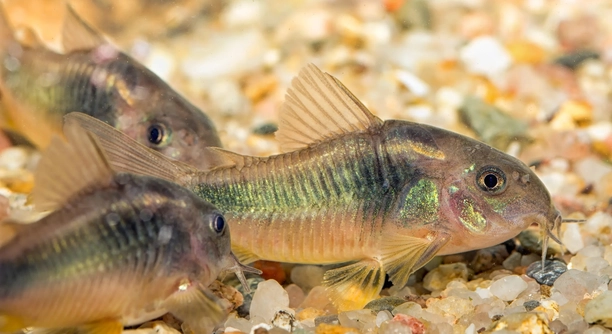
Maintaining clean water is essential for the health and well-being of Corydoras catfish. These small, peaceful fish are sensitive to water quality changes, which can lead to stress or disease. Proper water care is key.
To improve the water quality for your Corydoras catfish, regularly perform water changes, monitor water parameters like pH and ammonia levels, and ensure the filtration system is efficient. Avoid overfeeding and maintain proper tank maintenance to prevent harmful buildups.
Taking steps to enhance your catfish’s environment will help you provide a healthier space for them to thrive.
Regular Water Changes
One of the easiest and most effective ways to maintain high water quality for your Corydoras catfish is by performing regular water changes. You should aim for about 25% water change every week to keep harmful toxins from building up. This will also help maintain a stable pH and reduce excess nutrients. When doing water changes, always use a siphon to remove debris from the substrate. Be sure to dechlorinate the new water to avoid stressing your fish.
It’s important to test the water regularly to ensure it’s safe for your fish. Keeping a consistent water change schedule will keep your Corydoras catfish happy and healthy.
Maintaining clean water also reduces the likelihood of diseases and parasites that thrive in unclean environments. As a bonus, it’ll also improve the overall look of your aquarium, creating a more pleasant atmosphere for you to enjoy. Regular water changes prevent unpleasant surprises down the road.
Filtration System Maintenance
A good filtration system is crucial for maintaining clean and healthy water. Ensure your filter is rated for the size of your tank and is capable of handling the amount of waste your fish produce. It’s essential to clean the filter regularly, but avoid over-cleaning it, as beneficial bacteria need time to grow.
If your filter is clogged, it can lead to poor water quality, affecting the health of your Corydoras catfish. Be sure to replace the filter media when needed and avoid using too many chemicals that can disrupt the biological filtration process.
To ensure your filtration system works properly, clean the filter and check it every couple of weeks. This can prevent your system from malfunctioning or becoming less effective, leading to unwanted water conditions. Regular maintenance will also extend the life of your equipment, making it a good investment.
Avoid Overfeeding
Overfeeding is one of the leading causes of poor water quality. Excess food decays and releases toxins, which can harm your Corydoras catfish. Be mindful of how much food you’re offering and remove uneaten portions to prevent them from breaking down in the water.
Feeding your Corydoras too much can cause a spike in ammonia and nitrite levels, which stresses your fish and encourages algae growth. A good rule of thumb is to feed them what they can consume within a few minutes. Adjust portions based on the fish’s size and activity level.
Monitor the water after feeding to check for leftover food. If you notice food still floating after 10-15 minutes, you’re likely feeding too much. Regularly vacuum the substrate to remove any uneaten food that has sunk. This will help maintain a clean, balanced environment for your catfish.
Testing Water Parameters
Testing your water regularly is crucial to keeping it in the optimal range for Corydoras catfish. Common parameters to check include pH, ammonia, nitrites, and nitrates. You can find affordable water test kits that are easy to use and provide quick results.
A stable pH of around 6.5 to 7.5 is ideal for Corydoras catfish. If ammonia or nitrite levels are high, this indicates poor filtration or water changes. Consistently high nitrate levels can lead to algae overgrowth, which harms the fish. Regular testing helps you catch potential issues early.
Keep a log of your water test results so you can track fluctuations over time. This will help you understand your tank’s needs and adjust your care routine accordingly. By staying on top of water quality, you’ll ensure a healthy environment for your Corydoras catfish.
Proper Tank Setup
Your Corydoras catfish needs a well-maintained tank setup to thrive. A tank with plenty of hiding spots and a gentle current will make them feel more secure. Using a soft substrate, like sand, prevents their delicate barbels from getting damaged.
Ensure the tank is large enough for your fish to swim freely. A cramped space can stress them, leading to poor water quality. Providing proper filtration and maintaining water parameters will help your catfish stay healthy. A good setup minimizes the chances of stress and keeps the water cleaner longer.
Control Algae Growth
Algae can quickly take over an aquarium if left unchecked. Not only does it ruin the aesthetic, but it can also lead to poor water quality. The best way to control algae growth is by limiting excess nutrients, especially nitrates and phosphates.
Maintaining a balance between feeding, water changes, and proper filtration will help prevent algae blooms. Adding algae-eating species like snails or shrimp can assist in controlling the problem. Regular cleaning of the tank will also reduce algae buildup on surfaces, helping to maintain water clarity.
Avoid Stress
Stress is a major factor in compromised water quality. When Corydoras catfish feel stressed, they produce more waste, which affects the water. Keep the tank environment stable and avoid sudden changes in temperature or lighting, as these can trigger stress in your fish.
FAQ
How often should I perform water changes for my Corydoras catfish?
For optimal water quality, it’s recommended to change 25-30% of the water every week. This helps remove waste buildup and replenish essential minerals. Make sure the new water is dechlorinated and matches the tank’s temperature. In heavily stocked tanks, more frequent water changes may be necessary to keep ammonia levels under control.
Can I use tap water for my Corydoras catfish tank?
Yes, you can use tap water, but you should treat it with a dechlorinator first. Chlorine and chloramine, which are present in tap water, can be harmful to your fish. Also, make sure the pH and hardness of the tap water are within the acceptable range for your Corydoras catfish.
What type of filter should I use for my Corydoras catfish tank?
A gentle filter is best for Corydoras catfish. They prefer calm water with minimal current, so avoid powerful filters that might create strong water flow. A sponge filter or a gentle hang-on-back filter should suffice for smaller tanks. Be sure the filter is rated for the size of your aquarium.
Do I need to add aquarium salt for my Corydoras catfish?
Corydoras catfish do not require aquarium salt. In fact, salt can harm them over time as they are sensitive to high salinity. It’s best to maintain stable, clean water without the use of salt unless prescribed for specific treatments, like a parasite problem.
How can I tell if my Corydoras catfish are stressed?
Stressed Corydoras catfish may display signs like rapid swimming, hiding, or clamped fins. They might also refuse to eat or show unusual behavior like darting around the tank. Stress often comes from poor water quality, aggressive tank mates, or changes in their environment. Keeping a stable environment will help reduce stress.
What water parameters are best for Corydoras catfish?
Corydoras catfish thrive in water with a pH of 6.5 to 7.5, temperature between 72-78°F (22-26°C), and moderate hardness. Regularly test your water to ensure ammonia and nitrite levels are at 0 ppm and nitrate levels stay below 40 ppm. These parameters will keep your fish healthy and comfortable.
Can Corydoras catfish live with other fish?
Yes, Corydoras catfish are peaceful and do well with most community fish. They are bottom dwellers, so they usually stay out of the way of other species. However, avoid keeping them with very aggressive or large fish that might outcompete them for food or stress them.
How do I clean the substrate in my Corydoras tank?
To clean the substrate, use a gravel vacuum during your water changes. This will help remove debris, uneaten food, and waste from the bottom. Since Corydoras catfish like to sift through the substrate, avoid using a vacuum that disturbs their natural behavior. Sand is the preferred substrate as it’s gentle on their barbels.
Should I feed my Corydoras catfish sinking pellets or flakes?
Corydoras catfish prefer sinking pellets or food that sinks to the bottom of the tank. They have whisker-like barbels that help them locate food, so providing sinking pellets ensures they can easily find their meals. Flakes, on the other hand, float on the surface and are not ideal for these bottom dwellers.
What is the best way to reduce algae growth in my Corydoras tank?
The best way to reduce algae is to limit excess nutrients like nitrates and phosphates. This can be achieved by not overfeeding, performing regular water changes, and using a good filtration system. Adding algae-eating species like snails or shrimp can also help keep algae under control. Lastly, ensure your tank isn’t getting too much light, as this can encourage algae growth.
How many Corydoras catfish should I keep together?
Corydoras catfish are social creatures and prefer being in groups of at least 4-6 individuals. Keeping them in a group helps reduce stress and encourages natural behavior like schooling. A larger group also makes them feel safer and less exposed in the aquarium, which improves their overall health.
Why are my Corydoras catfish not eating?
If your Corydoras catfish are not eating, there could be several reasons. It might be due to poor water quality, temperature fluctuations, or stress from other tank mates. Also, check that you are offering food they can easily access, such as sinking pellets. If the problem persists, testing the water and assessing tank conditions is a good next step.
How can I prevent my Corydoras catfish from becoming sick?
The best way to keep your Corydoras catfish healthy is to maintain consistent water quality. Regular water changes, proper filtration, and stable water parameters are essential. Avoid overfeeding and overcrowding in the tank. Stress can also lead to illness, so ensure a peaceful, stress-free environment for your fish. Regularly monitor their behavior for early signs of illness.
Can Corydoras catfish live in a tank with plants?
Yes, Corydoras catfish can live in a planted tank. In fact, plants help provide hiding spots and make the tank feel more natural for your fish. Just be sure the plants you choose are not too large or invasive, as they could crowd the tank. Keep the substrate clean so plants have space to grow.
What should I do if my Corydoras catfish gets sick?
If your Corydoras catfish is showing signs of illness, such as swimming abnormally, loss of appetite, or visible sores, first check the water quality. Poor water conditions often lead to stress or disease. If the water quality is fine, you can isolate the sick fish in a quarantine tank and treat them with the appropriate medication. If unsure, consult an aquatic vet for advice.
How do I know if my Corydoras catfish are breeding?
Corydoras catfish may breed when they are comfortable and the water conditions are right. During breeding, males chase females, and the females lay eggs on surfaces like plants or decorations. You may see the fish displaying a “T-position,” where the male fertilizes the eggs as the female lays them.
Final Thoughts
Maintaining water quality is crucial for the health and well-being of your Corydoras catfish. Their delicate nature requires consistent attention to their environment. Ensuring the water is clean and free from harmful toxins like ammonia, nitrites, and excessive nitrates is key. A stable and balanced environment, with appropriate filtration and regular water changes, will help prevent many common health issues.
The setup of the tank plays a major role in keeping your fish stress-free. Providing plenty of hiding spots and using a substrate like sand will help prevent physical damage to your Corydoras catfish. Be mindful of the temperature, pH levels, and overall water parameters, and avoid any drastic changes that might cause stress. Stress is often a silent factor that leads to poor water quality, so reducing it should always be a priority.
Lastly, remember that Corydoras catfish are social creatures that thrive in groups. Keeping them in schools will not only benefit their mental well-being but also improve the overall water conditions by keeping their behavior natural. When you properly care for your Corydoras’ water quality, it reflects in their behavior and health. Regular monitoring and maintaining a clean environment will ensure that they remain happy, active, and healthy for years to come.

Hello,
If you enjoy the content that we create, please consider saying a "Thank You!" by leaving a tip.
Every little bit helps us continue crafting quality advice that supports the health, happiness, and well-being of pets around the world, for pets of all shapes, sizes, and species.
We really appreciate the kindness and support that you show us!