
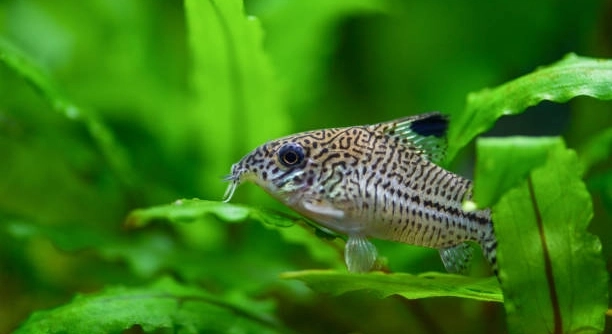
Is your Corydoras catfish spending more time resting and less time swimming along the bottom of the tank than before?
Reduced activity in Corydoras catfish is often linked to changes in water quality, temperature, diet, stress, or illness. Environmental shifts or social imbalances can also affect their behavior, leading to less frequent movement and engagement.
Learning what’s causing the change can help you bring back their natural, lively behavior and maintain a healthier environment.
Water Quality Has Changed
Corydoras catfish are very sensitive to shifts in water quality. Even small fluctuations in ammonia, nitrites, or nitrates can cause them to slow down or hide more often. If your fish has become less active, it’s a good idea to test your tank’s water right away. Parameters like pH, temperature, and hardness should stay consistent. Dirty or poorly maintained water can build up stress in your fish and suppress their usual behavior. Regular water changes and filter maintenance help prevent this. It’s important to keep the tank clean, stable, and well-aerated for them to thrive comfortably.
Start by checking the ammonia and nitrate levels using a reliable test kit. If numbers are too high, perform a partial water change and monitor daily until they stabilize.
Keeping a simple cleaning routine and watching your levels will help your Corydoras feel more at ease. When the water is right, they’ll often perk up again.
Stress from Tank Mates
Aggressive or overly active tank mates can stress out your Corydoras, especially if there’s no place for them to retreat.
Corydoras are peaceful and prefer calm environments. If they’re paired with fish that chase or nip at them, they’ll hide or stop moving around as much. Sometimes, even just the presence of larger or faster fish can make them nervous. It’s important to give them shaded spaces, plants, and hiding spots so they feel secure. Rearranging the tank décor or separating the fish can reduce stress. Make sure they live with other peaceful species like tetras, rasboras, or other Corydoras. The layout of the tank matters too—open swimming space plus safe corners is ideal. If they still act shy, observe closely to catch any aggressive behavior early. Reducing tank stress is one of the easiest ways to encourage natural movement and activity again. When they feel safe, they usually become much more social.
Temperature Is Outside Their Comfort Zone
Corydoras prefer temperatures between 72°F and 78°F. If the water gets too warm or too cold, their metabolism slows, and they become less active. Sudden drops or spikes can shock them and lead to long-term stress.
Keeping the temperature steady is essential. Use a reliable aquarium heater and thermometer to avoid fluctuations. Sudden changes from open windows, faulty heaters, or warm lighting can shift the tank’s balance. If you notice slower movement, check the temperature right away. Some Corydoras species prefer cooler water, so know your specific type. Gradual adjustments work better than quick fixes. If the tank is too warm, increase aeration and reduce lighting time. For cold water, double-check your heater and placement. A stable temperature helps them breathe easier, digest food better, and stay active. Their behavior usually improves once they’re back in their preferred range.
Keeping track of the temperature daily can prevent issues. When the water stays steady, your Corydoras will have the energy to explore. If the temperature drops too low, they might stop eating and stay still near the bottom. Too high, and they’ll swim less and breathe faster. Aim for a balanced environment, and always adjust gradually. Consistency is one of the best ways to support their natural rhythm and behavior.
Lack of Stimulation or Hiding Spots
Corydoras thrive in environments with variety. If the tank is too plain or lacks hiding spaces, they might lose interest in moving around. A bare setup can make them feel exposed, leading to more hiding and less activity overall.
Add plants, caves, driftwood, or leaf litter to create small areas they can explore and rest in. These decorations give them a sense of security and make the space feel more natural. They also enjoy digging through sand, so a fine substrate encourages active foraging. Rearranging the tank every few weeks can keep things fresh without stressing them. Corydoras are social and curious, but they won’t be active if the tank feels unsafe or dull. Providing a good balance of open areas and cozy corners lets them express normal behavior. A little variety goes a long way in keeping them alert and moving.
If your Corydoras are staying still more often, the tank might be too simple or exposed. When they don’t have places to hide or textures to explore, they tend to settle in one spot. A more stimulating setup helps them feel safe and encourages natural behaviors like foraging and swimming in small groups. Keep their space interesting and secure, and they’ll likely become more active again.
Illness or Infection
If your Corydoras is less active and also showing signs like faded color, labored breathing, or clamped fins, illness may be the cause. Common issues include bacterial infections, parasites, or internal problems that affect energy and behavior.
Look for other changes like reduced appetite, bloating, or skin damage. Acting quickly with treatment can prevent the illness from getting worse or spreading. Isolate sick fish if needed, and consult a reliable guide or vet familiar with freshwater fish care. Clean water and proper nutrition also help with recovery.
Aging and Natural Slowdown
As Corydoras get older, it’s natural for them to slow down. You might notice they rest more or explore less. This change is usually gradual and doesn’t come with signs of stress or illness. They’ll still eat and interact but at a gentler pace. Older fish need a stable and calm environment. Reducing sudden tank changes, bright lighting, or aggressive tank mates helps support their comfort. Even with reduced movement, they still benefit from soft substrate and plenty of hiding spots. Watching them age gracefully is part of long-term care and doesn’t mean something is wrong.
Not Enough Food or Poor Diet
If your Corydoras aren’t eating enough or are missing nutrients, they’ll have less energy to move around. Make sure they’re getting food that reaches the bottom and offers variety.
FAQ
Why is my Corydoras hiding all the time?
Corydoras often hide when they feel unsafe or stressed. A lack of cover, sudden tank changes, or aggressive tank mates can cause this. Adding more hiding spots like plants, caves, or driftwood can help them feel secure. They also need a peaceful environment with slow-moving fish. If your tank setup is too open or loud, they may stay hidden most of the day. Ensuring proper water conditions and reducing stressors can gently encourage them to come out more often and explore the tank.
Can a single Corydoras catfish get lonely?
Yes, Corydoras are social fish and prefer to live in groups. When kept alone, they can become withdrawn and less active. Ideally, you should keep at least five or six of the same species together. In groups, they feel more secure and tend to swim together, rest near each other, and show more natural behavior. A lonely Corydoras may hide, eat less, or appear bored. Adding companions often boosts their activity and improves their overall well-being.
What are signs that my Corydoras is stressed?
Signs of stress in Corydoras include sudden hiding, loss of color, clamped fins, erratic swimming, and reduced appetite. They may also avoid other fish or stay still for long periods. Stress can come from poor water quality, loud noises, overcrowding, or sudden changes. Testing water parameters regularly, using a soft substrate, and avoiding rough handling can lower stress levels. Consistency is important, and stressed Corydoras often recover once their environment feels safe and stable again.
Do Corydoras sleep or rest during the day?
Corydoras do rest, but they don’t sleep like humans. Instead, they take short breaks throughout the day and night. You might see them sitting still near the bottom or tucked behind a decoration. This is normal behavior, especially if they’re healthy otherwise. Just make sure they’re not staying still too long or ignoring food, which could suggest a problem. Dim lighting and a calm space help support natural resting patterns.
Is it normal for Corydoras to be active only at night?
Corydoras are mostly active during the day and early evening, but some may become more active at night depending on their environment. If the tank is bright or noisy during the day, they may hide and explore after lights go out. Providing shaded areas or floating plants can encourage daytime activity. If they only come out at night, it could also point to stress or discomfort. A peaceful tank and proper lighting can help them feel comfortable during regular hours.
How often should I feed my Corydoras?
Feed your Corydoras once or twice a day with small portions they can finish in a few minutes. They are bottom feeders, so make sure food reaches them before other fish eat it all. Sinking pellets, wafers, and frozen or live foods like bloodworms work well. Overfeeding can cause water quality issues and health problems, so stick to a routine. Occasional fasting days help with digestion. A well-balanced diet keeps them energetic and healthy.
Do Corydoras need a filter and air pump?
Yes, a filter is important to maintain clean water and stable parameters. Corydoras are sensitive to ammonia and nitrites, so good filtration helps keep their environment safe. An air pump isn’t always necessary, but it can help oxygenate the water, especially in warmer tanks where oxygen levels drop. Corydoras also breathe some air from the surface, but they still rely on well-oxygenated water. A calm flow and consistent water quality help keep them active and comfortable.
Can a poor substrate affect their behavior?
Definitely. Corydoras have delicate barbels they use to search for food, and a rough or sharp substrate can damage them. Sand is best because it’s soft and lets them dig and sift naturally. Gravel can be too harsh and cause injuries or infections. If they stop foraging or seem uncomfortable moving around, check your substrate. A safe, soft bottom encourages normal behavior and helps them stay active without harm.
Final Thoughts
Watching your Corydoras catfish become less active can be a bit worrying, especially if they were once playful and curious. These fish are known for their peaceful nature and love for group interactions, so changes in behavior often mean something is off in their environment. Whether it’s stress, illness, water issues, or even a lack of companionship, small shifts in their tank setup or routine can make a big difference. Paying attention to how they eat, rest, or swim helps you understand what might be affecting them. It doesn’t always mean something serious is going on, but it’s still worth checking into.
Many of the common reasons behind a change in activity are easy to fix. Poor water quality, for example, can be corrected with regular water changes, testing, and proper filtration. If they seem bored or lonely, adding more Corydoras or giving them more places to hide and explore can help. Diet is also important—offering a variety of foods like sinking pellets and the occasional protein-rich treat can boost energy and overall health. Sometimes they just need a quieter, more secure setup. Things like strong currents, bright lighting, or aggressive tank mates can stress them out more than we think.
Keeping Corydoras active and happy really comes down to knowing what’s normal for them and adjusting things gently when something changes. You don’t need a complicated setup or constant supervision—just a balanced, clean, and calm environment. Watching their little behaviors, like how they swim in groups or rest under plants, gives you clues about what they need. When they feel safe and well-cared for, their activity levels usually return to normal. With a little patience and attention, you can keep your Corydoras healthy and lively for a long time.

Hello,
If you enjoy the content that we create, please consider saying a "Thank You!" by leaving a tip.
Every little bit helps us continue crafting quality advice that supports the health, happiness, and well-being of pets around the world, for pets of all shapes, sizes, and species.
We really appreciate the kindness and support that you show us!