
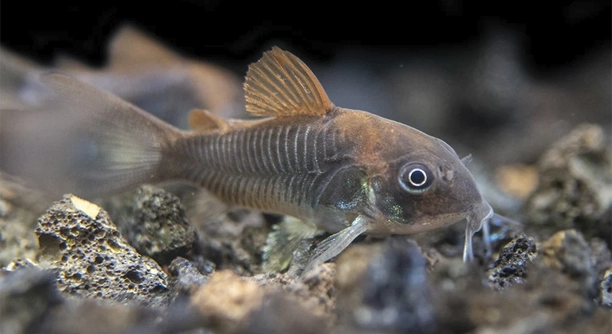
Corydoras catfish are often seen as calm, friendly creatures in aquariums. However, if you’ve noticed sudden changes in their behavior, it can be concerning. Understanding the possible reasons behind this shift can help you restore balance in your tank.
Changes in your Corydoras catfish’s behavior can be attributed to several factors, including water quality, diet, tank mates, or environmental stressors. Identifying these factors is crucial to determine the root cause of their altered behavior and provide appropriate care.
Various elements like poor water quality or the introduction of new tank mates can significantly affect your Corydoras’ behavior. Understanding how these factors play a role will help you address and correct the issue for a healthier tank environment.
1. Poor Water Quality
One of the most common reasons for your Corydoras catfish acting differently is poor water quality. Corydoras are sensitive to changes in their environment, especially in water conditions. If the water is too acidic, too alkaline, or has high levels of ammonia, nitrites, or nitrates, it can cause stress and result in unusual behavior. These fish thrive in clean, well-maintained tanks, so keeping the water quality in check is essential for their health and comfort. Regular water changes, monitoring the tank’s parameters, and using a reliable filtration system can help maintain a stable environment. If you haven’t tested your water recently, this should be one of the first things you check.
Water testing kits are readily available, and they can show you exactly what’s going on with your aquarium’s chemistry. Maintaining proper water parameters helps prevent unnecessary stress and ensures your fish feel secure.
If you’ve noticed your Corydoras becoming lethargic or staying hidden more than usual, it’s time to evaluate the water quality in your tank. Fixing water issues will likely restore your fish’s natural behavior and energy levels.
2. Stress from Tank Mates
Tank mates can also have a significant impact on your Corydoras catfish’s behavior. Corydoras are peaceful and social fish, so any aggressive or overly dominant species can make them nervous. If a new fish has recently been added, it may have unsettled the balance in your aquarium, causing stress. Fish like cichlids or more territorial species can make Corydoras hide or become more skittish.
The best way to prevent this is by ensuring that all tank mates are compatible. When choosing new fish, consider their size, temperament, and activity level. For example, it’s wise to avoid placing Corydoras with very active or aggressive fish. This will help maintain a peaceful, less stressful environment.
Monitoring your fish after introducing new tank mates will help you spot any issues early on. If aggression is observed, it might be necessary to rehome some of the more dominant fish or adjust the tank setup to provide better hiding spots.
3. Inconsistent Diet
An inconsistent or poor diet can also lead to changes in your Corydoras catfish’s behavior. These fish rely on a balanced diet that includes a variety of foods, such as sinking pellets, live or frozen foods, and occasional plant matter. A lack of essential nutrients can make them less active or cause them to become weak.
It’s important to offer a well-rounded diet to keep them healthy. Overfeeding or underfeeding can also contribute to digestive issues and stress. Stick to a feeding schedule and make sure you’re providing a diverse selection of food to meet their nutritional needs.
If you notice your fish not eating or swimming less, it might be time to review their diet. A shift in their feeding routine, including introducing new types of food, can help restore their normal activity levels and behavior.
4. Environmental Stressors
Changes in the environment, such as a sudden temperature fluctuation or loud noises, can cause Corydoras to become stressed. These fish are sensitive to changes in their surroundings. If your tank’s temperature is too high or low, it may lead to them hiding or acting unusually.
For instance, Corydoras are happiest in temperatures between 72°F and 78°F (22°C and 26°C). If your heater is malfunctioning or if there is an unexpected temperature drop, this can lead to lethargy or erratic swimming patterns. Stress caused by environmental factors can also make them more vulnerable to illness.
To prevent this, regularly check the temperature and other elements of the tank’s environment. Keeping the tank in a quiet area away from high traffic or loud noises can also help keep them calm.
5. Overcrowding in the Tank
Overcrowding in the tank is another reason your Corydoras catfish might be acting differently. When there are too many fish in a small space, it can lead to stress and territorial issues. Corydoras are peaceful but still need room to feel secure.
If you have a crowded tank, consider reducing the number of fish. Each Corydoras needs plenty of space to move around and explore. Too many fish in a tank will also lead to poorer water quality, which only exacerbates the issue.
Ensuring your tank is appropriately stocked will allow your Corydoras to feel more comfortable and less stressed. This will likely result in more natural behavior and improved overall health.
6. Breeding Behavior
Corydoras may exhibit changes in behavior when they are ready to breed. You might notice them becoming more active or performing unique swimming patterns. This is completely natural, as Corydoras catfish typically engage in spawning behavior when conditions are right, such as water temperature or water quality.
If you’ve recently made adjustments to their environment or added more Corydoras, they might be reacting to these changes by preparing to breed. Keeping an eye on their behavior during this time will help you understand their needs and make sure they are comfortable.
Breeding behavior can sometimes look like stress, so it’s essential to observe carefully and ensure the environment remains stable. In most cases, breeding is a sign of good health and thriving fish.
7. Illness or Injury
Illness or injury could also be behind a sudden change in behavior. Corydoras catfish are usually hardy, but they can still be susceptible to diseases or injuries. If your fish is acting strangely, it’s essential to check for visible signs of illness, such as wounds, discoloration, or unusual swelling.
Some common illnesses in Corydoras include fungal or bacterial infections, which can cause lethargy, loss of appetite, or difficulty swimming. Injuries from fights with other tank mates or accidental damage from decorations can also affect their behavior. If you suspect an illness or injury, it’s important to quarantine the affected fish to prevent the spread of disease.
Addressing illness early can significantly improve recovery chances and prevent your fish from getting worse.
FAQ
Why is my Corydoras catfish hiding more than usual?
Corydoras catfish are naturally shy and prefer to hide in caves, plants, or substrate when they feel threatened or stressed. If your fish is hiding more than usual, it could be a sign of poor water quality, high tank activity, or aggression from other fish. Check the water parameters to ensure there are no spikes in ammonia, nitrites, or nitrates. Also, ensure your tank is not overcrowded or too noisy. Providing plenty of hiding spots can help your Corydoras feel more secure.
How can I tell if my Corydoras catfish is sick?
Signs of illness in Corydoras include changes in swimming behavior, loss of appetite, swelling, skin lesions, or unusual marks. They may also become lethargic or exhibit rapid breathing. If you notice any of these symptoms, closely monitor their behavior and appearance. It’s also important to check water quality as poor water can often lead to illness. If symptoms persist, it’s best to isolate the fish and consult a vet or aquatic specialist.
What temperature do Corydoras catfish need?
Corydoras catfish prefer temperatures between 72°F and 78°F (22°C to 26°C). If the temperature is too high or too low, they may become stressed, lethargic, or exhibit erratic behavior. Use a reliable aquarium heater and thermometer to maintain a stable water temperature. Sudden changes in temperature can also be harmful, so avoid placing your tank in direct sunlight or areas where temperatures fluctuate.
Can Corydoras live with other fish?
Yes, Corydoras are peaceful bottom-dwellers and generally get along with most other non-aggressive fish. They do well in community tanks with species such as tetras, guppies, and other peaceful fish. However, avoid keeping them with aggressive or territorial species that may cause stress. Also, be mindful of tank size to ensure enough space for all fish to coexist comfortably.
How often should I feed my Corydoras catfish?
Corydoras should be fed 2-3 times a day, offering only as much food as they can consume in a few minutes. Overfeeding can lead to water quality issues and obesity, so it’s important to avoid leaving uneaten food in the tank. Include a variety of food types, such as sinking pellets, live or frozen food, and occasional plant matter, to ensure they receive a balanced diet. A varied diet will also help prevent them from becoming picky eaters.
Do Corydoras catfish need a filter?
Yes, Corydoras catfish need a good filtration system to keep the water clean and free of toxins. They are sensitive to poor water quality, so an efficient filter will help maintain a stable environment. Ensure that the filter is not too strong, as Corydoras prefer gentle water flow. Regular water changes and filter maintenance will also help prevent waste buildup and ensure the health of your fish.
How can I help my Corydoras catfish feel less stressed?
To reduce stress, ensure your tank has plenty of hiding spots, such as caves or plants, where your Corydoras can retreat when needed. Keep the water parameters stable by performing regular water changes and monitoring pH, ammonia, nitrite, and nitrate levels. Avoid overcrowding the tank and ensure that tank mates are peaceful and non-aggressive. Reducing loud noises and keeping the tank in a quieter area can also help your Corydoras feel safe.
Can Corydoras catfish breed in captivity?
Yes, Corydoras catfish can breed in captivity, but there are certain conditions needed for successful spawning. They require clean, slightly acidic water with temperatures around 74°F to 78°F (23°C to 26°C). When Corydoras are ready to breed, they will often exhibit courtship behavior, with males following females and attempting to nudge them into spawning positions. Once the eggs are laid, they will hatch within a few days, and the fry should be fed with very fine foods like infusoria or baby brine shrimp.
What is the lifespan of a Corydoras catfish?
Corydoras catfish typically live for 5 to 10 years, though some may live longer with proper care. To ensure a long lifespan, maintain optimal water conditions, feed them a varied and nutritious diet, and avoid overcrowding. Regularly monitor their behavior for any signs of illness and address issues early to prevent serious health problems.
Are Corydoras catfish nocturnal?
Yes, Corydoras catfish are primarily nocturnal and tend to be most active during the evening or night. During the day, they often rest or hide in the substrate, plants, or caves. This behavior is natural, and you may notice them being more active if the lighting is dimmed or turned off at night. While they are not completely nocturnal, their activity levels typically increase in lower light conditions.
Final Thoughts
If you notice your Corydoras catfish acting differently, it’s important to consider various factors that might be influencing their behavior. These small, peaceful fish can be sensitive to changes in their environment, so understanding the cause of their unusual actions is crucial. Poor water quality, overcrowding, or even stress from tank mates can lead to shifts in their behavior. Regularly checking your water parameters, ensuring your fish have enough space, and offering a balanced diet are key to keeping them healthy and comfortable. By addressing these factors, you can help your Corydoras feel more at ease and enjoy a more peaceful aquarium environment.
Sometimes, Corydoras might show signs of illness, injury, or stress. It’s important to keep a close eye on their health and be proactive in identifying any potential problems early. If you suspect an illness, isolated care and consultation with a vet or aquatic specialist are recommended. Stress from environmental changes, such as sudden temperature fluctuations or overcrowded tanks, can also affect their behavior. Ensuring the tank remains stable and calm, with proper hiding places, will help your Corydoras feel secure. Also, remember that fish have natural cycles, and periods of hiding or quieter behavior can be part of their routine.
Corydoras catfish are generally hardy and resilient, but they do require proper care to thrive in your aquarium. By understanding their needs and taking steps to maintain a clean, balanced environment, you can enjoy watching these fascinating fish display their natural behavior. Whether it’s addressing water quality, managing tank mates, or providing a varied diet, small adjustments can go a long way in improving your Corydoras’ well-being. Keep an eye on their behavior and make changes as needed to ensure their long-term health and happiness. With a little effort and attention, your Corydoras can remain active, healthy, and content.

Hello,
If you enjoy the content that we create, please consider saying a "Thank You!" by leaving a tip.
Every little bit helps us continue crafting quality advice that supports the health, happiness, and well-being of pets around the world, for pets of all shapes, sizes, and species.
We really appreciate the kindness and support that you show us!