
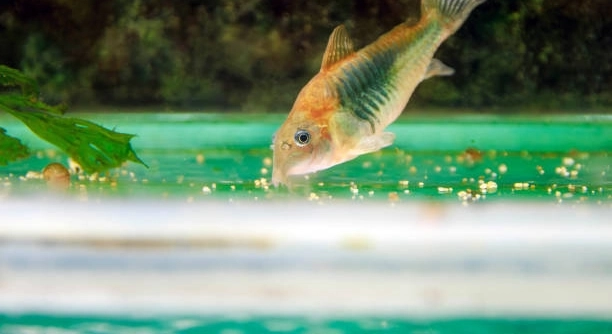
Corydoras catfish are popular aquarium pets, known for their friendly and peaceful nature. But sometimes, it’s hard to know if they’re truly happy in a community tank. Understanding their behavior can help you provide the best care.
To tell if your Corydoras catfish is happy in a community tank, observe their activity levels, behavior around tankmates, and physical condition. A happy Corydoras is active, social, and displays healthy swimming patterns and feeding habits.
There are key signs to look out for when monitoring your Corydoras’ happiness. We’ll explore these clues and help you create the best environment for your catfish.
Active Swimming Patterns
Corydoras catfish are bottom dwellers, but they do need to swim around to stay active. If your Corydoras is swimming actively throughout the tank, it’s a good sign that it’s comfortable and happy. When they’re content, you’ll notice them darting to the surface for air and then heading back down to explore. Healthy Corydoras will also swim in short bursts rather than staying in one spot for too long.
If your catfish is constantly hiding or staying motionless at the bottom of the tank, something might be off. This could indicate stress or discomfort, especially if the behavior continues for long periods. Corydoras naturally enjoy a busy environment, so a lack of movement is often a red flag.
Their interaction with tankmates also plays a role in their swimming patterns. A Corydoras that feels safe in a community tank will often swim alongside other peaceful species. If they appear hesitant or avoid other fish, it could be a sign of discomfort or stress.
Healthy Eating Habits
A happy Corydoras catfish will eagerly seek out food. These fish are scavengers, so they are always on the lookout for snacks at the bottom of the tank. When they are active during feeding time, it shows they’re thriving.
If your Corydoras is not eating or ignoring food, it’s an important signal that something is wrong. Stress, poor water conditions, or health issues could be the cause. Corydoras can be picky eaters, but a sudden loss of appetite is never a good sign.
Observing them during feeding time will help you gauge their well-being. A Corydoras that eagerly picks up food and interacts with the tank’s substrate is likely in good health. Pay attention to how they handle different types of food, as this can give clues about their mood and environment.
Social Behavior with Tankmates
Corydoras are social fish that thrive in groups. When they are happy, they enjoy swimming in schools and interacting with other fish. A solitary Corydoras may feel stressed or uncomfortable, especially in a community tank.
If your Corydoras catfish is actively engaging with its tankmates, it shows they feel safe. They will often swim alongside peaceful species, grazing for food together or simply sharing space. However, if your Corydoras seems to shy away from other fish or hides too much, something might be wrong. A tankmate that bullies or intimidates them can also affect their well-being.
Creating a peaceful community tank environment is key to keeping Corydoras happy. They do best in tanks with other calm fish and will avoid any aggression. Watch how your Corydoras interacts with others, as stress from bullying or incompatible tankmates can quickly lead to unhappiness. A thriving Corydoras catfish will move freely without hesitation.
Physical Appearance and Behavior
A happy Corydoras will display bright, clear eyes and smooth, clean skin. Any visible changes to their appearance, such as faded colors or excessive mucus, could be signs of stress or illness. Healthy fish are often more vibrant and lively in their behavior.
Checking the physical condition of your Corydoras can help you spot any potential issues early. If they appear sluggish or their skin looks slimy or patchy, it may indicate poor water quality or an infection. Sometimes, even minor changes in color can suggest they’re not feeling their best. Corydoras should also be active and have a good balance in their posture when swimming.
Keeping an eye on their appearance is an easy way to tell if something’s wrong. A Corydoras that’s happy and healthy will swim gracefully, without excessive rubbing against objects or spending too much time in one spot. Any sudden changes should be looked at closely.
Tank Cleanliness and Water Quality
Corydoras thrive in clean water. If the water quality is poor, they may become stressed, which affects their behavior. Regular water changes and maintaining proper filtration are essential to their happiness.
A Corydoras in dirty or polluted water will likely show signs of distress, such as hiding more often or swimming erratically. Keeping the tank clean is crucial, as it directly impacts their overall health. Make sure to test the water regularly for ammonia, nitrites, and pH levels to avoid stress. If your Corydoras are swimming actively and seem comfortable, it’s a good sign that your water quality is on track.
Tank Temperature
Corydoras need a stable temperature range between 72°F and 78°F (22°C-26°C). Sudden changes in temperature can cause them stress, making them lethargic or inactive. Make sure your aquarium heater is functioning properly.
If the water temperature is consistent and falls within this range, your Corydoras will likely stay active and happy. Keep a thermometer in the tank to ensure it’s not fluctuating too much. Any sudden increase or decrease can disrupt their routine and cause stress.
Substrate Preference
Corydoras are bottom dwellers, so they prefer a soft substrate. Rough or sharp gravel can hurt their barbels, leading to infections or discomfort. A sandy bottom is ideal for them.
Choosing the right substrate for your Corydoras is important to ensure they can move around safely and forage comfortably. Avoid sharp-edged substrates that could harm their sensitive barbels. A soft, smooth sand substrate allows them to root around for food naturally, which contributes to their overall happiness.
FAQ
How can I tell if my Corydoras is stressed?
A stressed Corydoras will often display certain behaviors, such as hiding more than usual, swimming erratically, or staying in one spot for long periods. You may also notice that they are less active during feeding time or show signs of abnormal breathing, like gasping at the surface. Stress can be caused by poor water quality, aggressive tankmates, or unsuitable environmental conditions. Regularly monitoring water parameters and the behavior of your fish can help you spot stress early and correct any issues.
Is it normal for Corydoras to hide a lot?
Corydoras can be shy, especially when they are new to a tank or adjusting to changes. Hiding occasionally is normal, but if they are hiding all the time, it might indicate stress or discomfort. Make sure the tank provides plenty of hiding spots, but also ensure the environment is calm and free from aggressive fish. If hiding becomes excessive or seems out of character, check the water quality, tank temperature, and other factors that might be affecting their behavior.
Can Corydoras live with other types of fish?
Yes, Corydoras are peaceful and social fish, making them great tankmates for most community setups. They tend to get along well with other calm species. However, avoid aggressive fish that might stress them out. Always research the temperament of potential tankmates to ensure a peaceful coexistence. Corydoras do best in tanks with other non-aggressive bottom dwellers, like other catfish species, or mid-water fish that do not disturb their activities.
Do Corydoras need to be kept in groups?
Corydoras are social creatures and do best when kept in groups. It’s recommended to keep at least three or more to allow them to interact and feel comfortable. Keeping them in a group reduces stress and encourages more natural behavior, such as swimming together and foraging for food. In smaller numbers, Corydoras may feel vulnerable or stressed, which could affect their well-being.
What should I feed my Corydoras catfish?
Corydoras are omnivores, and they will eat a variety of foods. They enjoy sinking pellets, frozen or live foods such as brine shrimp, daphnia, and bloodworms, and they also scavenge for leftover food in the tank. Make sure to feed them food that sinks to the bottom, as they are bottom-dwelling fish. A balanced diet will help keep them healthy and active.
How do I maintain proper water conditions for Corydoras?
To maintain good water quality for Corydoras, you need to monitor several factors. Regular water changes, at least 25-30% weekly, will help keep ammonia, nitrites, and nitrates at safe levels. It’s also important to keep the water temperature stable between 72°F and 78°F (22°C-26°C) and ensure good filtration. Regularly check the pH levels to keep them between 6.0 and 7.5, as Corydoras prefer slightly acidic to neutral water. Using a good water testing kit will help you track these levels.
Do Corydoras need a lot of space?
Corydoras are small fish that don’t require large tanks, but they still need enough space to move freely. A tank of at least 20 gallons is suitable for a small group of Corydoras. The more space they have, the more active and happy they will be. A larger tank also provides better water stability and reduces stress. The more room you provide, the more natural their behaviors will become.
Why is my Corydoras swimming at the top of the tank?
If your Corydoras is swimming at the top of the tank, it could be a sign of oxygen deficiency in the water. Corydoras are air-breathers and will come to the surface to gulp air, especially if the water is poorly oxygenated. Check the filtration system and consider adding an air stone or adjusting water movement to increase oxygen levels. This behavior could also be caused by high water temperatures, as warmer water holds less oxygen.
Can Corydoras live without a filter?
While Corydoras can survive in tanks without filters for a short time, they thrive in filtered environments where the water stays clean and oxygenated. Without a filter, waste products will accumulate quickly, leading to poor water quality, which can stress the fish. It’s always recommended to use a filter in any tank, especially if you have more than one Corydoras or other fish. A filter ensures that water conditions remain stable and healthy.
Are Corydoras sensitive to salt?
Corydoras are generally sensitive to salt and should not be kept in brackish water. Salt can irritate their skin and gills, leading to health problems. If you need to treat a disease, avoid adding salt to the tank unless absolutely necessary and always follow the instructions for the specific type of treatment. Corydoras do best in freshwater environments where the water is soft and clean.
How often should I feed my Corydoras?
Feed your Corydoras once or twice a day, providing only as much food as they can consume in a few minutes. Overfeeding can lead to poor water quality, which can stress the fish. It’s important to remove any uneaten food from the tank after feeding to prevent it from decaying and polluting the water. Feed them a variety of foods to ensure they get a balanced diet.
Final Thoughts
Corydoras catfish are generally hardy and peaceful, making them great additions to a community tank. However, they do have specific needs that must be met for them to thrive. These fish rely on clean water, proper temperature, and a comfortable environment. Their social nature means they prefer to be in groups, so keeping at least three or more will help them feel secure. They also enjoy a soft substrate, which allows them to forage naturally and prevents harm to their sensitive barbels.
While Corydoras are not particularly demanding, it’s important to monitor their behavior closely. They are often good indicators of water quality and tank conditions. If they begin to hide more, swim erratically, or stop eating, it may be a sign that something is wrong. Observing their physical appearance can also give you clues about their health. Healthy Corydoras will have bright, clear eyes and smooth skin. Any changes, such as fading colors or excess slime, should not be ignored, as they may signal stress, illness, or poor water quality.
Ultimately, the happiness of your Corydoras catfish depends on the environment you provide. Ensuring they are kept in a stable, well-maintained tank with compatible tankmates will go a long way in keeping them healthy. Regular water changes, careful feeding, and monitoring their interactions with other fish will allow your Corydoras to thrive. By following these guidelines, you can create a peaceful and enjoyable tank where your Corydoras will feel safe, active, and content.

Hello,
If you enjoy the content that we create, please consider saying a "Thank You!" by leaving a tip.
Every little bit helps us continue crafting quality advice that supports the health, happiness, and well-being of pets around the world, for pets of all shapes, sizes, and species.
We really appreciate the kindness and support that you show us!