
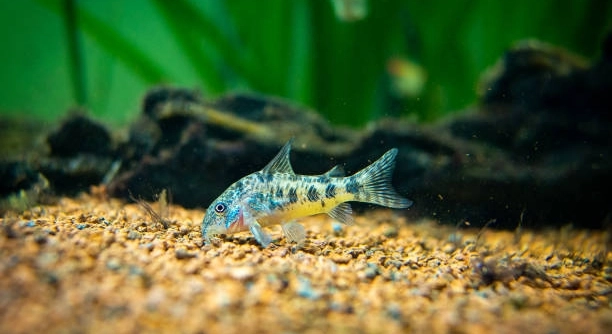
Corydoras catfish are known for their peaceful nature, but when they suddenly stop eating, it can raise concerns. Understanding the cause behind this behavior is key to ensuring their health and well-being in your aquarium.
The main reason your Corydoras catfish may avoid food is stress. Factors such as poor water quality, incorrect temperature, or incompatible tankmates can cause your catfish to lose its appetite. Addressing these issues will help restore your fish’s feeding habits.
Identifying the causes behind your Corydoras’ refusal to eat will lead to better care and improve its overall health.
Stress in the Tank
One of the most common reasons Corydoras catfish avoid food is stress. When the environment is not ideal, your catfish will stop eating. This can be triggered by factors such as poor water quality, sudden changes in temperature, or aggressive tankmates. Corydoras are sensitive to shifts in their surroundings and are quick to lose their appetite when they feel unsafe. Stress can also be caused by overcrowded tanks or inadequate hiding spots, which can make them feel exposed and vulnerable.
A stable environment is crucial to keeping your catfish healthy. Ensure the water quality is maintained with proper filtration and regular water changes. Temperature fluctuations should be minimized, and other fish should be compatible with Corydoras. Monitoring their behavior and providing them with a comfortable, secure environment will reduce stress levels.
You can ease the stress on your Corydoras catfish by offering them safe, quiet areas in the tank and ensuring they are not threatened by aggressive tankmates. Proper care and attention will lead to a healthier, more active catfish.
Water Quality
Water quality plays a critical role in your Corydoras’ eating habits. These fish thrive in clean, well-maintained water. When water parameters such as ammonia, nitrites, or nitrates rise, your catfish may become stressed, leading to loss of appetite. Poor filtration can cause a build-up of harmful substances that are toxic to your fish, creating an unhealthy environment. Additionally, improper pH levels and high levels of organic waste can further hinder their feeding behavior.
To keep your Corydoras eating regularly, invest in a quality filtration system to maintain clean water. Regular water testing will help you track the levels of ammonia, nitrites, and nitrates. Aim to keep the pH level neutral or slightly acidic, between 6.5 and 7.5, for the best results. Regular water changes are essential to keep the water parameters stable, as old water can become laden with waste products that stress the fish. Keep an eye on any sudden changes in water conditions, as they can have a direct impact on your Corydoras’ appetite.
Maintaining high water quality will not only improve feeding habits but also support the overall health of your catfish.
Temperature Fluctuations
Corydoras catfish are sensitive to temperature changes. If the water is too hot or too cold, they may stop eating. Their ideal temperature range is between 72°F and 78°F (22°C to 26°C). If the water temperature rises or drops beyond this range, it can cause stress and loss of appetite.
Consistent temperature regulation is crucial to maintaining a healthy tank environment. Use a reliable aquarium heater with a thermostat to ensure the temperature remains stable. Sudden shifts in temperature, especially if caused by placing the tank in a drafty area or near a heater, can make your Corydoras uneasy. This stress leads to a decrease in food intake.
To minimize temperature fluctuations, monitor your tank’s temperature daily with a thermometer. Avoid placing your tank in direct sunlight or next to heaters or air conditioning units. Consistent, stable temperatures will help your Corydoras feel more comfortable and encourage healthy feeding habits.
Incompatible Tankmates
Aggressive or overly active tankmates can create a stressful environment for Corydoras catfish. When your fish feel threatened by other species, they may refuse to eat. Corydoras are peaceful bottom dwellers and do best with other calm, non-aggressive species. Fish that chase or bully them will affect their appetite.
When selecting tankmates for your Corydoras, ensure they are compatible. Avoid aggressive species that may intimidate or harass your catfish. Opt for peaceful fish that occupy different areas of the tank, such as mid-water swimmers. This allows your Corydoras to feel safe and secure while foraging at the bottom.
Additionally, large, fast-swimming fish may outcompete Corydoras for food, leading to malnutrition. To keep your catfish eating regularly, consider adding slow-moving or small fish that won’t disrupt their feeding. A calm and balanced tank environment will allow your Corydoras to thrive.
Overfeeding
Overfeeding can lead to water pollution and cause Corydoras to avoid food. When too much food is given, it can affect the water quality, making it unhealthy for your catfish. They may stop eating to avoid the stress caused by polluted water.
To avoid overfeeding, provide small portions and remove any uneaten food promptly. This will help maintain water quality and reduce stress on your fish. A healthy, clean environment encourages your Corydoras to feel safe and comfortable while feeding. Keep an eye on their eating habits and adjust food portions accordingly.
Water Current
Corydoras catfish prefer slow-moving water. Strong currents can make feeding difficult and stressful. If your aquarium’s filtration system creates a strong current, your catfish may avoid food to escape the discomfort.
Consider adjusting the water flow by using a sponge filter or reducing the power of the pump. Creating calm areas in the tank will allow your Corydoras to feed easily without struggling against strong currents. Ensuring a comfortable environment can restore their appetite and overall well-being.
Disease or Illness
Illness can cause Corydoras catfish to lose their appetite. If your catfish has a disease, they may avoid food as their body is focused on fighting off the illness. Symptoms like lethargy, pale gills, or swelling can indicate a health issue.
Check for any unusual behavior or signs of disease. If your catfish shows symptoms, it may be necessary to quarantine the affected fish and treat the illness with appropriate medications. Consult an aquatic veterinarian if needed. Early detection and treatment can help your Corydoras regain their appetite and health.
FAQ
Why is my Corydoras catfish not eating?
There are several reasons why your Corydoras catfish may avoid food. Stress, poor water quality, temperature fluctuations, or incompatible tankmates are common causes. These factors can make your fish feel unsafe or uncomfortable, leading to a loss of appetite. Ensure the tank environment is calm and stable, and check water parameters to rule out poor quality. Addressing these issues can help your Corydoras start eating again.
How often should I feed my Corydoras catfish?
Feed your Corydoras catfish once or twice a day. Overfeeding can pollute the water and cause stress, while underfeeding can lead to malnutrition. Offer small amounts of food that your fish can consume in a few minutes, and remove any leftover food to maintain water quality. Adjust the feeding schedule based on their activity level and needs.
Can Corydoras catfish go without food?
Corydoras can go without food for a short period, typically up to a week, especially if they are in a well-maintained tank with good water quality. However, extended periods without food can weaken their immune system and lead to health problems. It’s important to address any underlying issues causing the refusal to eat as soon as possible.
What is the best food for Corydoras catfish?
Corydoras are bottom feeders and thrive on a diet of sinking pellets, wafers, or live food like bloodworms and brine shrimp. High-quality, sinking food ensures that your catfish can easily access it at the bottom of the tank. A varied diet helps keep your Corydoras healthy and satisfied, so consider adding occasional fresh vegetables like zucchini or peas as well.
Can water temperature affect my Corydoras catfish’s appetite?
Yes, water temperature can significantly impact your Corydoras’ appetite. These fish prefer a temperature range of 72°F to 78°F (22°C to 26°C). If the water is too hot or too cold, it can cause stress, making your catfish reluctant to eat. Ensure your tank maintains a consistent temperature within this range to support healthy feeding.
How can I tell if my Corydoras catfish is stressed?
Signs of stress in Corydoras catfish include hiding more than usual, lethargy, loss of appetite, and abnormal swimming behavior. They may also show signs of rapid gill movement or restlessness. If you notice these symptoms, check the water quality, temperature, and tankmates to ensure the environment is suitable for your fish.
Are Corydoras catfish sensitive to water changes?
Yes, Corydoras catfish are sensitive to sudden changes in water parameters, such as pH, ammonia, nitrites, and temperature. Rapid fluctuations can cause stress and result in a loss of appetite. Always acclimate your fish slowly to changes in water conditions and perform regular water tests to maintain a stable environment.
How can I improve the water quality for my Corydoras catfish?
To improve water quality, perform regular water changes, typically 20-30% every 1-2 weeks, depending on tank size and stocking levels. Use a reliable filter to remove waste and toxins, and monitor ammonia, nitrite, and nitrate levels regularly. Keeping the tank clean and well-maintained ensures a healthy environment for your Corydoras, promoting better feeding habits.
Can Corydoras catfish be kept with other species?
Yes, Corydoras catfish can be kept with other peaceful species, such as tetras, livebearers, and smaller rasboras. They are social fish that thrive in groups of their own kind. However, avoid aggressive or territorial species that may harass them. Ensure that the tankmates do not compete with your Corydoras for food.
How long can Corydoras catfish go without eating?
Corydoras can go without food for a few days, but it’s not recommended. If your catfish refuse to eat for an extended period, this could indicate an underlying issue, such as stress, illness, or poor water quality. If they continue to avoid food for more than a week, seek professional advice or address possible tank issues.
Final Thoughts
Understanding why your Corydoras catfish may be avoiding food is crucial for maintaining their health and well-being. It can be caused by several factors such as stress, poor water quality, temperature fluctuations, or incompatible tankmates. Corydoras are peaceful fish and thrive in stable, clean environments where they feel secure. When these factors are addressed, your catfish will likely begin eating again and return to their normal behavior. Keeping a close eye on your tank’s conditions and making adjustments where needed is key to preventing feeding issues.
It’s essential to provide the right environment for Corydoras to encourage healthy eating habits. Monitor water temperature regularly, ensure it’s within the optimal range of 72°F to 78°F, and check for any changes in the tank that could lead to stress. Proper water quality is also important, so regular water changes and filtration are necessary to maintain the right balance. A peaceful tank with compatible tankmates will also help your Corydoras feel comfortable and reduce stress. Once you identify and resolve the underlying issues, your catfish should begin to eat regularly again.
By paying attention to feeding habits and the tank environment, you can help your Corydoras catfish stay healthy and active. Make sure to feed them a balanced diet with sinking pellets and occasional live food. Avoid overfeeding, as excess food can pollute the water and lead to other issues. If your Corydoras continues to refuse food despite adjustments, it may be worth consulting with an aquatic vet. Consistent care and observation will help keep your fish happy and thriving.

Hello,
If you enjoy the content that we create, please consider saying a "Thank You!" by leaving a tip.
Every little bit helps us continue crafting quality advice that supports the health, happiness, and well-being of pets around the world, for pets of all shapes, sizes, and species.
We really appreciate the kindness and support that you show us!