
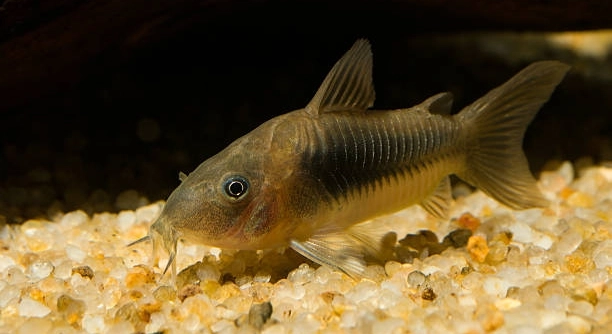
Corydoras catfish are popular aquarium fish known for their calm behavior and active foraging. However, after eating a large meal, you might notice some changes in their actions. Understanding why this happens can improve their care.
After consuming a big meal, Corydoras catfish often act differently due to the digestion process. Their behavior can slow down as energy is focused on digesting food, which may lead to resting more or hiding for extended periods.
This article will explore the different factors that influence your Corydoras’ post-meal behavior. Understanding these reasons will help ensure your catfish stays healthy and happy.
The Digestive Process Slows Them Down
After eating a big meal, Corydoras catfish shift their focus to digestion. Like many animals, their energy is redirected to processing food. As a result, they tend to slow down and become less active. This is completely normal and shouldn’t be a cause for concern. When Corydoras eat, their stomachs need time to break down the food, which can take a few hours depending on the type and size of the meal.
This slower activity is a natural response to eating. The fish might swim less or seek shelter at the bottom of the tank. It’s essential to observe them during this time and avoid overfeeding, as it can contribute to longer periods of inactivity. Overfeeding can also cause stress, which could affect their overall health in the long term.
When their food is digested, Corydoras will eventually return to their usual swimming patterns. During this time, their metabolism is adjusting, and it’s best to allow them some quiet time to rest.
Feeding Habits and Tank Environment
Corydoras catfish are bottom dwellers, often eating whatever food settles near the substrate. In an aquarium, they may consume pellets, flakes, or sinking food. The feeding environment plays a key role in how they react after eating.
If the food is too large or rich, it might overwhelm their system. Similarly, an overly cluttered tank can create hiding spots that make the catfish feel secure, causing them to stay in place longer. Clean and properly maintained tanks will help the catfish digest food more comfortably, promoting healthier behavior after meals. It’s important to ensure the water quality remains stable during these periods of rest, as bad water conditions can worsen their sluggish behavior.
Providing smaller, balanced meals and avoiding large feedings can prevent these slow periods from becoming too frequent. This helps maintain their overall health and encourages them to stay active without becoming overly stressed after eating.
Overfeeding Can Cause Stress
Overfeeding your Corydoras catfish can lead to stress and discomfort. When they consume too much food, their digestive system is overloaded, which can make them lethargic. This can also lead to poor water quality, as uneaten food decomposes and affects the tank’s environment.
Stress from overfeeding can weaken their immune system, leaving them more susceptible to disease. It may also cause them to retreat to hiding spots more often, avoiding interaction with the tank. To prevent this, stick to a feeding schedule and provide only as much food as they can eat in a few minutes. This helps keep their digestion efficient and minimizes stress.
Additionally, overfeeding can lead to health issues like bloating or obesity, which will further slow down their activity and could even shorten their lifespan. Keeping portions small and consistent promotes healthy digestion and happier, more active fish.
Temperature and Water Conditions Play a Role
Water temperature directly affects Corydoras catfish’s digestion. A warmer temperature may cause them to digest food more quickly, while colder water can slow the process down. Keeping the water temperature between 72-78°F (22-26°C) is ideal for Corydoras to maintain a healthy digestive rate.
If the water temperature fluctuates too much, Corydoras can become stressed. Stress from unstable temperatures can affect their ability to digest food properly, leading to slower movements and extended resting periods. Maintaining consistent water conditions is vital for their overall health. In addition to temperature, water quality also impacts their behavior after meals. High levels of ammonia, nitrites, or nitrates can cause discomfort, leading to reduced activity.
To avoid these problems, use a reliable thermometer and ensure your filtration system is effective. Regular water changes will help maintain a clean and stable environment for your Corydoras, supporting their digestion and post-meal behavior.
Size of the Meal Matters
The size of the meal your Corydoras catfish eats can affect their behavior afterward. Larger meals require more energy and time to digest, which can cause them to rest more than usual. This can be particularly noticeable if they’ve had a heavy meal, like large pellets or multiple feeding sessions.
When Corydoras consume big meals, their bodies focus on breaking down the food, which takes longer. Smaller, more frequent feedings are ideal because they allow for better digestion without overloading their system. Over time, this will help prevent periods of inactivity after meals.
Food Type Affects Behavior
The type of food your Corydoras catfish consumes can impact their post-meal activity. Some foods, like high-protein pellets, can take longer to digest, leading to more sluggish behavior. In contrast, plant-based foods or lighter meals are quicker to process and may result in less resting.
Catfish are bottom feeders, so the food they consume settles at the bottom of the tank, which may require them to work a bit harder to get to it. Larger pieces or high-fat content can make digestion slower, causing more lethargy afterward. Switching to lighter foods can help avoid this.
Stress from Tankmates
Tankmates can influence Corydoras catfish’s post-meal behavior. If they’re housed with more aggressive fish, they might feel threatened or stressed after eating, causing them to hide or become inactive. Stress from other fish affects digestion and can lead to lethargy.
To reduce stress, it’s best to house Corydoras with peaceful tankmates. Avoid adding overly aggressive species that may bully them or compete for food. Creating a calm and stress-free environment will help keep your catfish more active and healthy after meals.
FAQ
Why do Corydoras catfish rest more after eating?
Corydoras catfish rest more after eating because their energy is focused on digestion. This process requires time and energy, so they tend to slow down to conserve resources. After consuming a large meal, they may hide or stay still at the bottom of the tank until digestion is complete. This is completely normal and a natural part of their feeding cycle.
Can Corydoras catfish overeat?
Yes, Corydoras catfish can overeat. Overfeeding them can lead to digestive issues, such as bloating and constipation, which may make them sluggish or cause them to rest longer than usual. Overfeeding can also lead to poor water quality due to leftover food, making the environment stressful for your fish. To avoid this, feed them only what they can consume in a few minutes and refrain from offering excessive amounts of food.
How often should I feed my Corydoras catfish?
You should feed your Corydoras catfish once or twice a day. It’s best to provide them with small portions that they can finish in 2-3 minutes. This prevents overfeeding and ensures they maintain a healthy weight. Offering food too frequently or in large amounts can lead to digestive problems and stress. Monitor their behavior and adjust feeding schedules as needed.
What can I feed my Corydoras catfish?
Corydoras catfish are bottom feeders, so they will eat sinking pellets, flakes, and food meant for bottom-dwelling fish. They also enjoy occasional treats like bloodworms, brine shrimp, or live food. However, make sure their diet is balanced and not too high in protein, as too much protein can lead to sluggishness. Offering a variety of food types helps keep them healthy and satisfied.
Why does my Corydoras catfish hide after eating?
Your Corydoras may hide after eating to digest their food in peace. This behavior is common, as they feel safer in their hiding spots when they’re not actively swimming around. Hiding doesn’t indicate any serious issue, as long as they’re not showing signs of stress or illness.
How can I tell if my Corydoras catfish is stressed?
Signs of stress in Corydoras catfish include hiding for extended periods, a lack of appetite, rapid gill movement, and erratic swimming behavior. They may also lose their usual color or seem sluggish. Stress can be caused by poor water conditions, overcrowding, or aggression from tankmates. Maintaining a calm and clean environment will help reduce stress.
Is it normal for Corydoras to be less active after eating?
Yes, it is normal for Corydoras catfish to be less active after eating, especially if they’ve consumed a large meal. As their body focuses on digestion, their energy is directed toward breaking down the food, causing them to become less active. This behavior typically lasts only a few hours, after which they should return to their usual activity levels.
Can Corydoras catfish eat too much protein?
Corydoras catfish can consume too much protein if they are fed a diet with excessive amounts. While they do need protein, especially from animal-based sources like worms, too much can lead to digestive issues and inactivity. It’s important to balance their diet with plant matter and other nutrients. High-protein food should be offered in moderation.
What should I do if my Corydoras catfish doesn’t eat?
If your Corydoras catfish refuses to eat, it could be a sign of stress, illness, or poor water quality. Check the water parameters, including temperature, pH, and ammonia levels, as they may be outside the ideal range. Also, ensure that their tankmates aren’t causing stress or competing for food. If the issue persists, consider consulting an aquarium specialist.
Is it okay for Corydoras to eat flake food?
Yes, Corydoras catfish can eat flake food, but it should be designed for bottom feeders or sinking varieties. Regular flake food that floats on the surface may not be as appealing to them. You can also soak the flakes in water to help them sink, making it easier for the catfish to find and eat them.
How do I know if my Corydoras catfish is getting enough food?
If your Corydoras catfish is active, healthy, and not underweight, they’re likely getting enough food. They should be eating regularly, and you should be able to see them foraging for food at the bottom of the tank. If you notice that they are constantly hiding or losing weight, it may be a sign they’re not getting enough to eat.
Should I feed Corydoras catfish before or after water changes?
It’s better to feed your Corydoras catfish after a water change. This ensures that the water parameters are stable and that any uneaten food won’t contribute to poor water quality. Feeding them right after a water change also allows you to monitor their behavior in fresh, clean conditions.
Final Thoughts
Corydoras catfish are generally active and peaceful fish, but their behavior can change after eating, especially following a large meal. This is completely normal. After they eat, their energy goes into digestion, which can cause them to become sluggish and rest for a while. It’s important to understand that these fish need time to process their food, and this often results in periods of rest or hiding. This behavior is not a sign of illness or stress, but a natural response to eating.
However, the way you feed them and the amount of food you offer can affect how they act after eating. Overfeeding can lead to digestive issues, which can make them even more inactive or stressed. It can also affect the water quality in the tank, leading to a less healthy environment for your fish. To avoid these issues, it’s best to feed your Corydoras in moderation and make sure they have a balanced diet. Offering them food in small amounts that they can consume in a few minutes will help them digest more easily and stay active. Keeping the feeding schedule consistent is also important.
By maintaining a clean, stable tank environment and being mindful of their diet, you can ensure that your Corydoras catfish remain healthy and active. Monitoring water temperature and quality also plays a big role in their overall well-being. Corydoras are generally hardy fish, but like all pets, they require care and attention to thrive. By paying attention to their post-meal behavior and making adjustments when needed, you’ll help your Corydoras live a long, healthy life.

Hello,
If you enjoy the content that we create, please consider saying a "Thank You!" by leaving a tip.
Every little bit helps us continue crafting quality advice that supports the health, happiness, and well-being of pets around the world, for pets of all shapes, sizes, and species.
We really appreciate the kindness and support that you show us!