
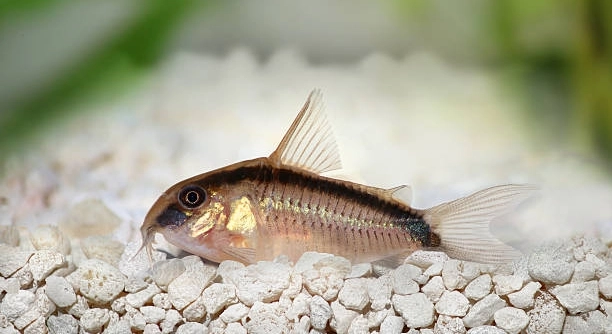
When setting up a new tank for your Corydoras catfish, it’s important to understand how they adapt to their new environment. Their behavior and well-being can give you clues about how they feel in their new space.
The best way to know if your Corydoras likes the new tank setup is by observing their activity levels, behavior, and physical signs. Healthy Corydoras should explore their surroundings, interact with tank mates, and display normal feeding habits.
By recognizing the signs of a happy Corydoras, you’ll be better equipped to create a comfortable environment for them.
Why Corydoras Catfish May Be Stressed in a New Tank
Moving to a new tank can be stressful for Corydoras catfish. These fish are sensitive to changes in their environment, including water quality, temperature, and tank decor. Stress can affect their health and behavior, so it’s crucial to set up a tank that feels secure for them. If they are placed in a setup that doesn’t meet their needs, they may hide more often or avoid interacting with their environment altogether. The shift from one habitat to another can cause anxiety, especially if they’re not given time to adjust.
In addition, sudden changes in the tank’s water conditions like pH or temperature fluctuations can further stress the catfish. It’s important to allow them time to get used to the new surroundings and check that all elements of the tank are stable.
Your Corydoras may exhibit behaviors such as hiding under decorations or avoiding food if they are feeling overwhelmed by these changes. However, over time, with a little patience and a stable environment, they should start to show more comfort and curiosity.
Key Signs of a Happy Corydoras Catfish
A well-adjusted Corydoras catfish will be active and comfortable exploring its new environment.
When your Corydoras is happy with its new tank setup, you’ll notice several positive changes. These fish are naturally active and like to explore their surroundings. They’ll swim around the tank, sometimes digging through the substrate with their barbels in search of food. This is a sign that they’re feeling comfortable and safe in their space. Additionally, they will likely interact with their tank mates, showing no signs of aggression or fear. If they are eating regularly and exploring without hesitation, this indicates they have adapted well to their new home.
Another key sign is that they will no longer be hiding for extended periods. Corydoras catfish tend to seek shelter when they feel stressed or threatened, but when they are relaxed, they will come out more frequently to swim and socialize. Regular, healthy activity and interaction are clear signs that they are content with their tank setup.
The Importance of Proper Tank Temperature
Maintaining the right temperature is crucial for your Corydoras catfish. They thrive in water between 72°F and 78°F (22°C to 26°C).
If the temperature is too high or too low, Corydoras may become stressed and show signs of discomfort, such as sluggishness or erratic swimming. When the temperature is ideal, they’ll be more active, and their feeding habits will improve. If you notice your fish huddling near the bottom or not moving much, it could be a sign that the water temperature is not within their preferred range.
To maintain a stable environment, use a reliable aquarium heater and thermometer. Sudden temperature changes can shock your Corydoras, so avoid placing the tank in areas with temperature fluctuations like near windows or air vents. Proper temperature control ensures they are comfortable and encourages normal behavior.
Observing Behavior for Stress Indicators
When Corydoras feel stressed, their behavior can give you key insights.
Stressful conditions can cause Corydoras to act in unusual ways. They might stay hidden for long periods or swim erratically. If your Corydoras is hiding in caves or behind plants, it could indicate discomfort with the tank’s setup. Stress can also manifest in a lack of appetite or slower movement. These signs are often a result of poor water quality, aggressive tank mates, or an unsuitable tank setup.
Watching their behavior closely will help you identify when adjustments are needed. Small changes, like rearranging the tank or improving filtration, may make a noticeable difference. When they start moving more freely and eating regularly, you’ll know they’ve adapted to their surroundings.
Water Quality and Its Impact on Corydoras
Good water quality is key to keeping your Corydoras healthy. They are sensitive to toxins and pollutants.
To ensure your Corydoras are happy, check the water regularly for ammonia, nitrites, and nitrates. High levels of these chemicals can cause stress, leading to lethargy or disease. You should also monitor the pH level, keeping it between 6.5 and 7.5 for optimal health. Regular water changes and a strong filtration system are essential for maintaining clean conditions.
If your fish are not swimming actively or seem to be gasping at the surface, it could be a sign that the water needs attention. Proper water care will help your Corydoras feel secure in their environment.
Tank Size and Space for Corydoras
Corydoras need adequate space to swim and explore.
A tank that is too small will make your fish feel cramped, leading to stress. A tank size of at least 20 gallons is recommended for a small group of Corydoras. Larger tanks provide more room for them to swim and interact with their environment. Corydoras are social creatures and thrive when kept in groups of at least three. The more space they have, the more comfortable they will be, allowing them to exhibit natural behaviors.
In a cramped tank, they may hide more often and show less interest in their surroundings.
The Role of Substrate in Their Comfort
Corydoras love to dig through the substrate.
The type of substrate you choose for your Corydoras tank can greatly affect their comfort. They prefer soft, fine gravel or sand, as they use their barbels to sift through the substrate in search of food. Sharp or rough gravel can irritate their sensitive barbels, causing stress. If your Corydoras are avoiding the substrate or not engaging in their usual behavior, the surface may be too harsh for them.
Providing a comfortable substrate will allow them to feel safe and secure, encouraging more natural exploration.
FAQ
What are some signs that my Corydoras are unhappy in their new tank?
If your Corydoras are unhappy in their new tank, you may notice several signs. They might spend excessive time hiding or avoid swimming in the open. You could also see them hovering near the tank’s bottom or corners, which can indicate stress. Another sign is loss of appetite or not eating at all. When a Corydoras feels stressed, it may stop exploring or interacting with its tankmates. If their behavior changes significantly or they appear lethargic, it’s a good idea to check water quality, temperature, and other factors.
How can I tell if the water temperature is right for my Corydoras?
The ideal water temperature for Corydoras catfish is between 72°F and 78°F (22°C to 26°C). If the water is too hot or too cold, they may become inactive or stressed. You can monitor the temperature using a reliable thermometer. If your Corydoras are acting lethargic or spending too much time near the bottom of the tank, it might be a sign that the temperature needs adjusting. Sudden temperature changes can be harmful, so make sure the tank has a stable and consistent temperature.
Can Corydoras live with other fish?
Yes, Corydoras catfish are peaceful and do well with other non-aggressive species. They are social and enjoy the company of their own kind, but they can also live alongside other fish, as long as the tank mates are not too large or aggressive. Avoid keeping them with fin-nipping species, as this can stress them out. Good tank mates include small tetras, guppies, and other community fish. Make sure there’s enough space in the tank for everyone to coexist peacefully.
What kind of substrate is best for Corydoras catfish?
Corydoras prefer a soft, smooth substrate such as fine gravel or sand. This allows them to dig and sift through the bottom of the tank using their barbels. Rough or sharp gravel can damage their barbels and cause injury. It’s also important to avoid substrates with small, sharp edges that could hurt your fish. Sand is often the best option because it mimics their natural environment and is easy for them to dig through. A fine substrate also helps maintain good water quality by preventing waste buildup.
How often should I change the water in my Corydoras tank?
Water changes are an important part of keeping your Corydoras healthy. Aim to change 25% to 30% of the tank water every week. Regular water changes help maintain good water quality and reduce harmful substances like ammonia, nitrites, and nitrates. If you have a heavily stocked tank, you may need to do more frequent changes. It’s also a good idea to check the water parameters regularly to ensure that the pH, hardness, and temperature are within acceptable ranges. Proper filtration will also help maintain water quality between changes.
Why is my Corydoras not eating?
There are several reasons your Corydoras may not be eating. Stress from poor water conditions, sudden changes in the tank setup, or the presence of aggressive tank mates can all affect their appetite. Corydoras are bottom feeders, so ensure that food is reaching them and not just floating on the surface where other fish may get to it first. Also, make sure the food you’re offering is appropriate for them. Corydoras enjoy sinking pellets, wafers, or live foods like bloodworms. If the problem persists, check the water quality, temperature, and overall tank environment.
Do Corydoras need to be in groups?
Yes, Corydoras are social fish and prefer to be kept in groups. Ideally, they should be kept in groups of three or more. A small group allows them to feel secure and encourages natural behavior like foraging and schooling. Keeping them alone can lead to stress, and they may become less active or stop exploring. In groups, Corydoras interact with each other, which helps keep them calm and content. Make sure the tank is large enough to accommodate a group without overcrowding.
How can I tell if my Corydoras are sick?
Sick Corydoras may show signs such as lethargy, loss of appetite, abnormal swimming behavior, or visible wounds on their bodies. If they are spending too much time at the bottom or near the surface of the tank, it could indicate a problem with water quality or an illness. Also, look for any physical symptoms such as pale skin, clamped fins, or excessive mucus production. It’s important to monitor their behavior and act quickly if you notice any changes. If needed, consult a veterinarian who specializes in fish care.
What’s the best way to feed my Corydoras?
Corydoras are omnivores and need a varied diet that includes both plant and animal matter. Offer sinking pellets or wafers that are specifically designed for bottom feeders. These will give them the nutrients they need while allowing them to forage naturally. You can also supplement their diet with live or frozen foods, such as bloodworms, brine shrimp, or daphnia. Make sure to remove any uneaten food to avoid water quality issues. Feeding them small amounts several times a day is often better than one large feeding.
Can Corydoras live in hard water?
Corydoras prefer soft to moderately hard water, but they can adapt to harder water as long as it is not excessively alkaline. However, hard water can lead to issues with breeding and overall health over time, so it’s best to keep the water within the range of 6.5 to 7.5 pH. You can use water conditioners or choose fish that are more tolerant of hard water if necessary. Regular water changes and monitoring the water quality will help keep your Corydoras happy and healthy, even in harder water.
Why are my Corydoras swimming upside down?
Swimming upside down or flipping over is not normal behavior for Corydoras and could be a sign of distress or illness. It could be due to an internal issue, such as a swim bladder problem, or it could indicate poor water conditions. If your Corydoras are consistently swimming upside down, check the water parameters and ensure that the temperature and pH levels are stable. Swim bladder issues can be caused by overfeeding, constipation, or an injury. If the behavior persists, consider consulting a veterinarian who specializes in fish care.
Final Thoughts
Setting up a new tank for your Corydoras catfish can be a rewarding experience when done correctly. By paying attention to their needs and carefully monitoring the tank’s conditions, you can create an environment that makes your fish feel comfortable and secure. Corydoras are sensitive to changes in their surroundings, so it’s important to make sure the water quality, temperature, and tank layout are all up to their standards. When the conditions are right, these fish will thrive and show you signs of happiness and health, like active swimming and regular feeding.
A well-maintained tank is key to keeping your Corydoras healthy. They depend on clean, stable water conditions, so regular water changes and proper filtration are necessary. Additionally, choosing the right substrate for the bottom of the tank is important for their comfort. Corydoras love to dig and explore, so having smooth, soft gravel or sand will encourage them to engage in natural behaviors. Keeping a consistent temperature and ensuring there’s enough space for them to swim freely are also essential factors to consider.
By keeping an eye on their behavior and physical signs, you can quickly tell if your Corydoras are happy with their new setup. When they’re content, they’ll swim around, interact with their tank mates, and forage for food. If you notice signs of stress, like hiding too often or not eating, it may be time to reassess the tank conditions. Ultimately, the well-being of your Corydoras depends on providing a stable and clean environment, allowing them to adapt and feel at home.

Hello,
If you enjoy the content that we create, please consider saying a "Thank You!" by leaving a tip.
Every little bit helps us continue crafting quality advice that supports the health, happiness, and well-being of pets around the world, for pets of all shapes, sizes, and species.
We really appreciate the kindness and support that you show us!